REVIEW · ISLA MUJERES
Scuba diving at MUSA the underwater museum for certified divers
Book on Viator →Operated by Pocna Dive Center · Bookable on Viator
MUSA statues under the sea can wow you. This 5-hour Isla Mujeres experience pairs the MUSA underwater museum (with 450+ growing statues) with a second reef area called Manchones, off the island’s southern tip. I especially like that scuba gear is included, so you’re not hunting rentals at the last minute, and that the crew keeps things calm with a small group setup. One thing to consider: a lot of the underwater time is spent traveling out to the statue fields and back, so you may want to manage expectations if you’re hoping for long, ultra-slow statue-by-statue viewing.
The best part is how the staff handle real humans with real nerves. In the reviews, Pepe is singled out as patient and willing to repeat steps when someone feels stressed, and Danni is described as kind and attentive. Add the fact that you can choose from two tour times, and you get a schedule that fits more easily than you might expect.
This is for certified scuba participants only. If you’re not certified yet, you’ll need the Discover Scuba Diver Class option instead, and you should also plan for moderate physical fitness since there’s boat time and time suited to being underwater.
In This Review
- Key highlights at MUSA and Manchones
- MUSA and Manchones: what you’ll see underwater
- Two tanks, one day: the timing that makes it feel worth it
- Certified-only rules: what they mean for your day
- Price and value: what $135 covers (and what it doesn’t)
- From Pocna to the statue fields: how the first session usually plays out
- Between-tank snacks: keep your energy up
- Manchones reef: why the second stop feels different
- Small group attention: why it changes how safe and fun it feels
- Should you book the MUSA and Manchones two-tank tour?
- FAQ
- Is this tour only for certified divers?
- What does the tour cost?
- How long is the experience?
- What’s included in the price?
- Does the tour include a class for non-certified people?
- Where are the dives/sessions located?
- How many people are in the group?
- Do you offer more than one departure time?
- Where do we meet?
- What if I need extra refresher training?
- Can I cancel for free?
Key highlights at MUSA and Manchones
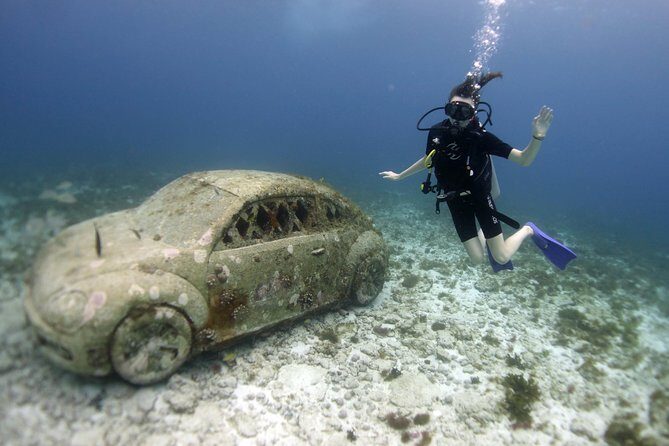
- 450+ growing statues at MUSA, plus additional sculptures scattered around the Manchones reef section
- Two-tank format for a full day without feeling rushed (about 5 hours total)
- Small groups (max 10) for more attention during the underwater sessions
- Equipment included and refreshments onboard, with fruit and water part of the cost
- Donation included to support the upkeep and growth of MUSA
- Bring an underwater light idea if you want to spot more life and detail at the statue areas
MUSA and Manchones: what you’ll see underwater
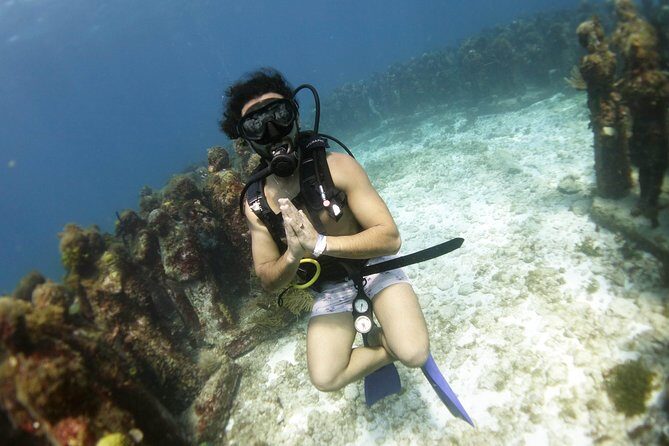
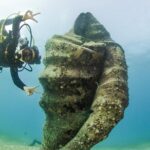
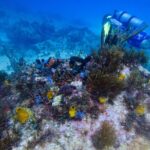
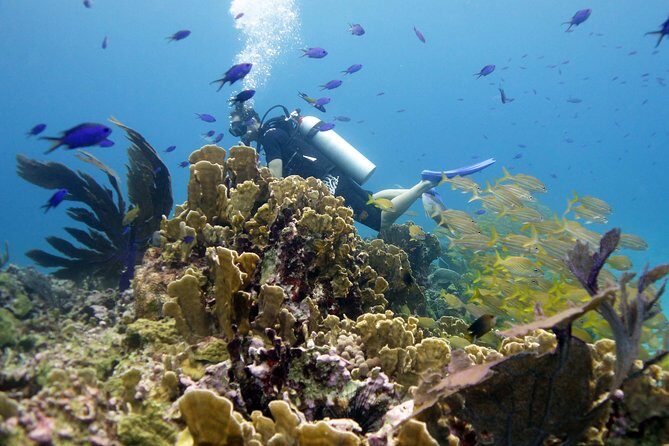
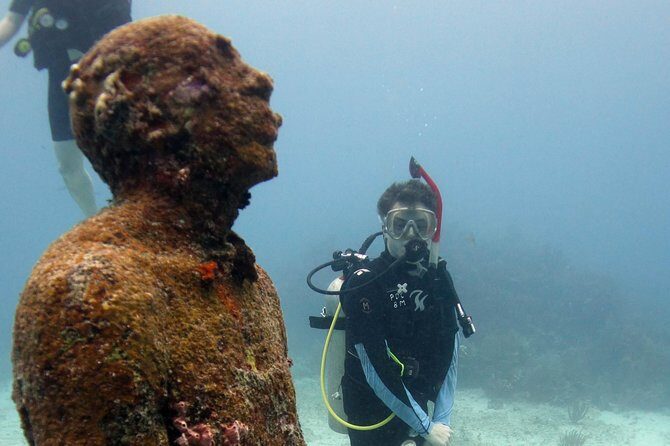
MUSA is the underwater museum that turned art into habitat. Expect to see a lot of artificial structure in place—over 450 statues, and they keep adding more. The statues aren’t just for photos. They create surfaces that marine life can use, and the result is a mix of corals and fish life you’ll recognize from tropical reefs.
Then there’s Manchones, another reef section nearby, where you’ll find more sculptures and underwater life in a more classic reef setting. This is a nice pairing because it gives you both the wow-factor of MUSA and the feel of exploring a reef ecosystem that’s less about art and more about animals making the area home.
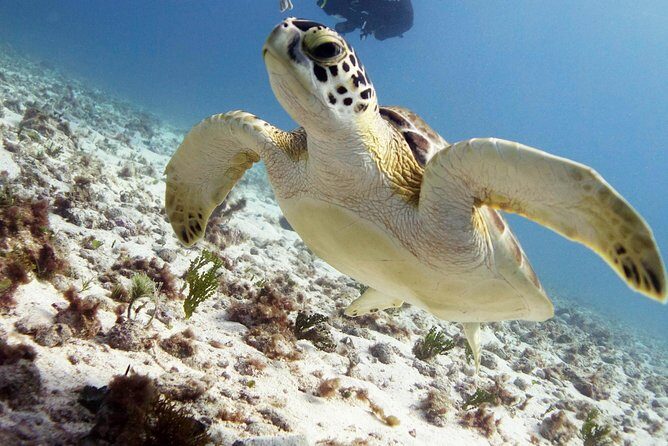
In both places, you’re looking for tropical marine life such as corals, fish species, turtles, rays, and crustaceans. You don’t control what you’ll see in a given moment, but you can control how prepared you are. Being calm, watching carefully at different depths, and keeping an eye on structure (statues and reef edges) is where sightings often happen.
You can also read our reviews of more museum experiences in Isla Mujeres
Two tanks, one day: the timing that makes it feel worth it
The total outing runs about 5 hours. That’s a practical window for Isla Mujeres because you get enough time for two separate underwater sessions without turning the day into a half-day mission.
You’ll choose between two tour times, which matters if you’re trying to align with ferry schedules, dinner plans, or other island activities. A flexible start also helps if you’ve got a slower morning and don’t want an early scramble.
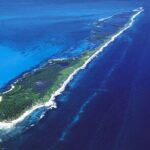
You’ll be based out of the Pocna meeting point and then head offshore off the southern part of Isla Mujeres. The “off the southern tip” detail is useful for two reasons. First, you’re not constantly crisscrossing the island coast. Second, it helps explain why you need a boat ride between areas and why time can get used up getting to the statue field and back.
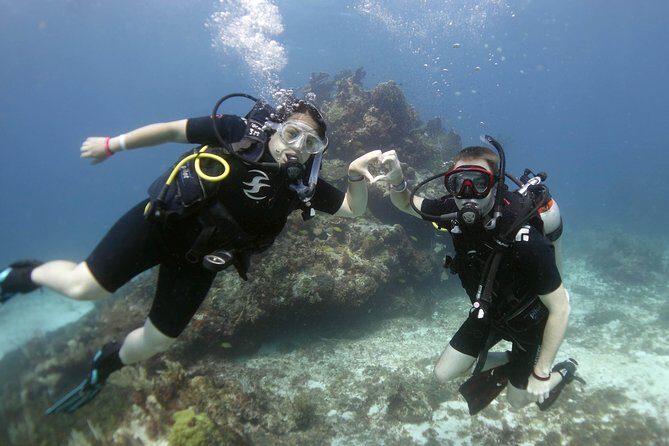
The group size stays capped at 10 people, which changes the experience. With a smaller crew, the guide can check on your comfort, watch your gear, and manage buoyancy and spacing without rushing everyone into the same rhythm.
Certified-only rules: what they mean for your day
This specific option is for certified divers only. That isn’t a small detail; it affects the whole pacing of the day. Certified scuba participants typically move with more confidence—buoyancy, neutral control, and comfort with basic scuba procedures—so the crew can focus on the underwater experience rather than step-by-step instruction.
If you’re not certified, you’ll need the Discover Scuba Diver Class option instead. That matters for planning because it may change how much time you spend training versus time spent at the sites.
Also, keep in mind the tour calls for moderate physical fitness. That usually means you should be comfortable with boat movement, getting in and out of the water as part of the flow, and spending time focused underwater without needing constant breaks.
If you’re certified but still a little rusty, I like that the staff are known for patient coaching. In the reviews, Pepe gets described as working with people who feel stressed, including repeating pool walkthroughs. Even when you’re certified, a crew that stays calm and instructional helps you feel safe enough to actually enjoy the environment.
Price and value: what $135 covers (and what it doesn’t)
At $135.00 per person, this is a one-price package for a full day at two sites. The value comes from what’s bundled in: scuba equipment and refreshments on the boat, including fruit and water. You’re also paying a built-in donation that supports the upkeep and growth of MUSA.
That last point is more than a feel-good line. MUSA is an active project that requires maintenance, and the donation being included changes the purchase from just a ticket to just a location. You’re paying into the work that keeps the museum and its marine-life habitat going.
What’s not included is any possible additional refresher course. If you think you’ll need it, inquire ahead of time. That’s the smart move because last-minute training plans can cause stress on travel days.
In practical terms, the price is most fair when:
- you already have certification and won’t need extra training
- you don’t want to rent gear separately
- you want both a museum-style experience (MUSA statues) and a reef-style experience (Manchones)
From Pocna to the statue fields: how the first session usually plays out
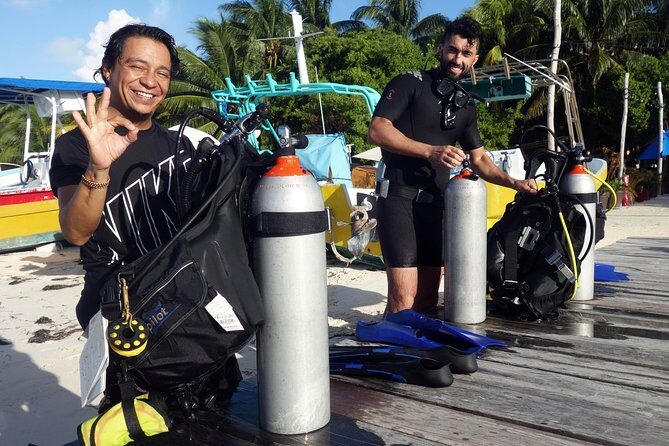
You’ll start at the Pocna meeting point and head out by boat. There’s an important reality to know before you go: the first underwater session at MUSA has a lot of “getting there and back” time. One review put it plainly: the MUSA part is fun, but a lot of the time is spent traveling to and from the statue areas.
That doesn’t make the experience bad—it just changes what you should look for. Think of this first session as structure-focused exploration. Instead of expecting your entire bottom time to be slow and uninterrupted statue gazing, aim for an efficient scan:
- check the statue structures for fish and small crustaceans
- look at the coral pockets around bases and ledges
- watch for turtles and rays as they pass through structure areas
If you want to see more detail, consider bringing an underwater light. One review specifically says a light would be beneficial so you can better see the life living around the statues. You don’t need it to see marine life, but it can help you notice smaller creatures and textures you might miss in brighter areas.
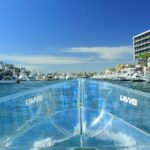
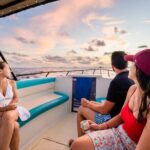
Also note the boat is described as more functional than fancy. Don’t expect a luxury setup. Focus instead on the crew’s role: the instructor care is where the day wins.

Between-tank snacks: keep your energy up
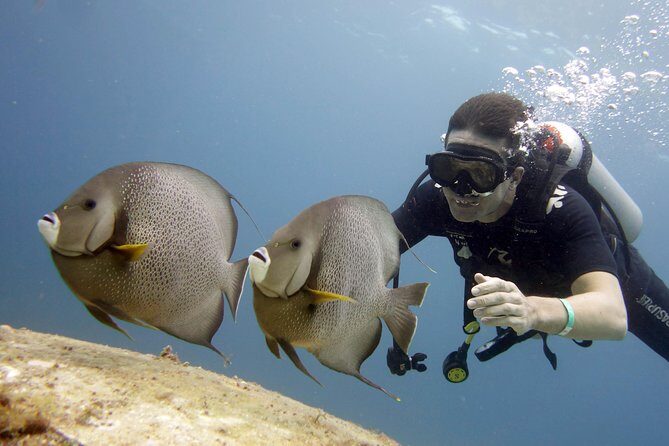
Between the two underwater sessions, you’ll have snacks and refreshments on the boat. Fruit and water are included, and this matters more than people think. If you’re feeling a little chilled or a little lightheaded, a steady intake of water and quick snacks can help you stay calm for the second session.
This is also where you get a moment to reset mentally. A two-tank format can be physically and mentally demanding even for confident scuba participants. When the crew keeps the break practical—no drama, just food, water, and guidance—you’re more likely to enjoy the second site.
Manchones reef: why the second stop feels different
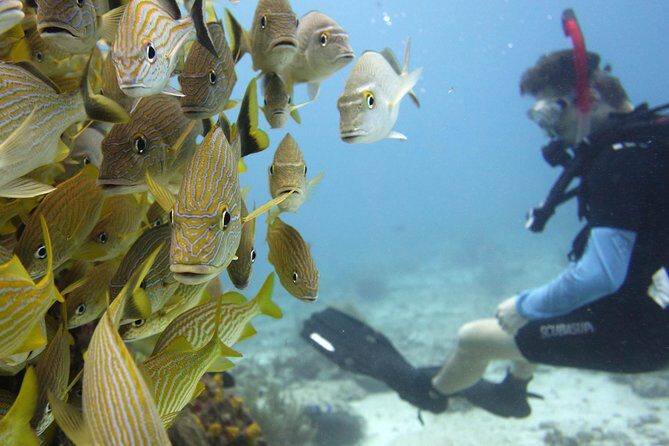
After you’ve checked out MUSA’s statue habitat, the Manchones reef section gives you a different texture to the day. You’ll still find sculptures in the area, but you’re also spending time in a reef environment where structure and marine life interact in a more natural rhythm.
This is where I’d expect more classic reef viewing: watching fish move between coral edges and reef surfaces, scanning for turtles when they cruise slowly overhead, and keeping an eye out for rays and crustaceans that often use the calmer structure areas.
One advantage of having a second stop is comparison. Even without controlling visibility, current, or animal behavior, you’ll likely notice different styles of marine life behavior around statues versus around reef zones. That makes the trip feel like more than just one theme repeated.
If you’re the kind of person who loves repeating a favorite activity to get better at it, a two-site plan also helps you settle in. The first underwater session builds your comfort and buoyancy awareness, and the second one can feel easier because you’ve already found your rhythm.
Small group attention: why it changes how safe and fun it feels
A max of 10 people is a big deal on water. It usually means:
- the guide can manage the group better
- you get clearer communication
- there’s more time for checks on comfort and gear
In the reviews, the staff approach is a big part of what people liked. Pepe is credited for patience and for walking people through steps multiple times when nerves show up. Danni gets described as truly kind and attentive, which lines up with a small-group style where the crew actually has time to notice what’s going on with you.
That attention matters most on longer days. Two tanks means two separate underwater moments, and your brain is working twice. You want the crew focused, not just clocking you through the day.
If you’re coming with kids or teenagers, it also helps. One review mentions sharing the experience with teens and emphasizes the instructor’s patience. Even with certification, families often benefit from guidance that keeps people relaxed.
Should you book the MUSA and Manchones two-tank tour?
I’d book this if you want a structured, value-packed day that mixes art and reef habitat. The price makes sense because you’re getting equipment, refreshments, and that MUSA donation baked in. You’re also getting a small-group experience with guides praised for attentiveness, and you get two different underwater settings instead of repeating the same scene twice.
I’d think twice if your #1 goal is long, slow “only the statues” time. With MUSA, expect more time spent reaching the statue areas and returning. Plan to enjoy the whole experience, not just one portion.
For certified scuba participants who are comfortable underwater and want a meaningful underwater museum moment plus reef life at Manchones, this is a strong choice from Isla Mujeres.
FAQ
Is this tour only for certified divers?
Yes. This option is for certified scuba divers only.
What does the tour cost?
It costs $135.00 per person.
How long is the experience?
It’s approximately 5 hours.
What’s included in the price?
The tour includes use of scuba equipment and refreshments on the boat.
Does the tour include a class for non-certified people?
No. If you are not certified, you’ll need the Discover Scuba Diver Class option instead.
Where are the dives/sessions located?
The tour visits MUSA (the underwater museum) and a section of the reef system called Manchones, both off the southern tip of Isla Mujeres.
How many people are in the group?
There is a maximum of 10 travelers.
Do you offer more than one departure time?
Yes, you can choose from two tour times.
Where do we meet?
You meet at Pocna Dive Center / PADI 5 Star IDC Center / PADI 5 Star Resort on Ave Matamoros #15, Centro, Isla Mujeres, Q.R., Mexico.
What if I need extra refresher training?
Refreshers are not included. Please inquire if additional refresher courses are required.
Can I cancel for free?
Yes. You can cancel up to 24 hours in advance for a full refund. If you cancel less than 24 hours before the experience starts, the amount paid is not refunded.