REVIEW · ISLA MUJERES
Discover scuba ,MUSA and Manchones reef dive without license
Book on Viator →Operated by Squalo Adventures · Bookable on Viator
First time underwater feels like magic. This Discover Scuba experience in Isla Mujeres gives you a structured, beginner-friendly introduction, then lets you see two famous spots, including Manchones reef, with professional guidance. It’s built for people who want to try scuba safely and get real time underwater without having to jump into the deep end.
Two things I especially like: the focus on safety and control for new students, and the way the instructors stay close. In past groups, I’ve seen standout patience and clarity from instructors like Jesús, Andrés, and Lucy, with attention to details that helps nerves settle fast.
One possible drawback: you should plan for extra on-the-day costs, since the marine park bracelet and a dock fee are not included. Also, this activity depends on good weather, so day-of changes can happen.
In This Review
- Key highlights at a glance
- Isla Mujeres first-timer scuba with Squalo Adventures
- How Discover Scuba works (and why it helps you relax)
- Gear, instructors, and the small-group advantage
- Manchones reef at about 33 feet: a smart next step after training
- Underwater Museum (MUSA) around 30 feet: art, structure, and sea life
- Price and extra fees: getting the real value for $201.95
- Timing, weather, and physical comfort factors that matter
- Who this experience is best for
- Should you book this non-certified scuba experience?
- FAQ
- Do I need a scuba license for this experience?
- How deep does the Discover Scuba introductory training go?
- Is this experience only for beginners?
- How many underwater tank sessions are included?
- What depths are the dive sites?
- What’s included in the price?
- What fees are not included?
- Where do we meet, and when does it start?
- How big is the group?
- What happens if weather is poor?
Key highlights at a glance
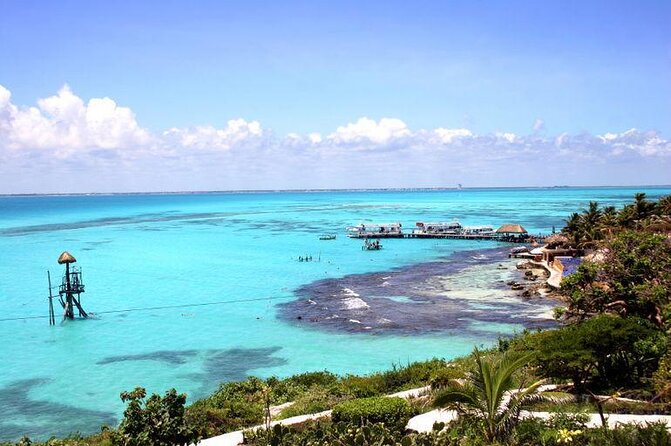
- Discover Scuba stays shallow: intro training uses a maximum depth of 6 meters under safe conditions
- Two underwater tank sessions included: you get lots of water time for a half-day program
- Small group size: capped at 10 travelers, so you’re not stuck “in the back row”
- Instructor support that calms first-timers: lessons led by instructors such as Jesús, Andrés, and Lucy
- Reef wildlife spotting is part of the fun: guidance includes pointing out rare and unusual fish
- Two sites at beginner-friendly depths: Manchones reef around 33 feet, Underwater Museum around 30 feet
Isla Mujeres first-timer scuba with Squalo Adventures
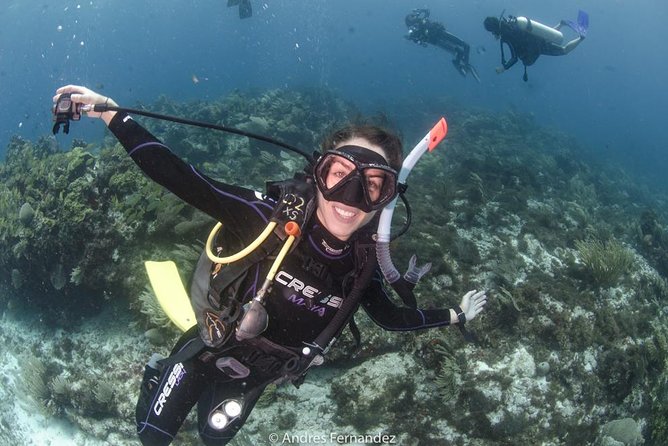
Squalo Adventures runs this non-certified-friendly Discover Scuba day out of Isla Mujeres, Mexico. The meeting point is at Squalo Adventures at Plaza Isla Mujeres, in Centro, and the morning start is 8:00 am. The activity runs about 4 hours total, which is a very workable length if you’re mixing scuba with beach time and meals.
A big reason this style of program feels comfortable is the group size. The cap is 10 travelers, which matters when you’re learning buoyancy, breathing, and basic underwater control. Smaller groups mean more direct attention from your instructor—exactly what first-timers tend to need.
You’ll also get a mobile ticket and a confirmation when you book. The listing also notes the location is near public transportation, which is handy if you’re not relying on a private transfer.
You can also read our reviews of more tours and experiences in Isla Mujeres.
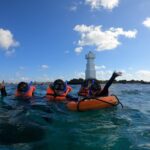
How Discover Scuba works (and why it helps you relax)
Discover Scuba is designed for people who are trying scuba as a first experience. The program starts with a short course format: short discover, briefing, then a pool session, followed by an open-water session. The key detail here is that the introductory scuba part is limited to a maximum depth of 6 meters.
That shallow ceiling changes the whole experience. It’s not “practice in theory” and it’s not “jump straight into a real reef and hope for the best.” You spend the early part of your day learning the mechanics in a controlled environment—breathing underwater, using hand signals, and getting used to the sensation of moving in water that’s supporting you.
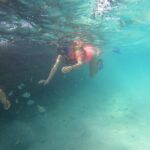
After that intro, the day naturally shifts from learning mode to exploring mode. You don’t just do one quick taste either. The experience includes two underwater tank sessions, which means you get more chances to feel comfortable, spot sea life, and settle into the rhythm of being underwater.
There’s also an emotional factor that’s easy to underestimate: the first minutes can feel surprising. The program is built around ordinary, safe conditions, so you’re not thrown into chaos or advanced situations. It’s the kind of structure that helps you turn nerves into focus.
Gear, instructors, and the small-group advantage
You don’t have to bring scuba gear. The experience includes use of scuba equipment plus an instructor and lessons. That’s a real value point because buying or renting equipment adds up fast, and it can be stressful to do on a vacation day.
What you’re paying for is instruction plus guided underwater time. The reviews consistently point to calm, patient teaching and very close safety attention. In particular, instructors such as Jesús and Andrés were described as professional and attentive, with the kind of reassurance that helps when most of the group is new. Another instructor, Lucy, was praised for being clear, patient, and positive—qualities that matter when you’re trying to follow directions while managing nerves and breathing.
One of the most practical things you get from an instructor this hands-on is feedback in real time. When you’re learning, tiny corrections—body position, breathing rate, and buoyancy—can make a huge difference in how confident you feel. With a maximum group size of 10, you’re more likely to get those corrections right when you need them.
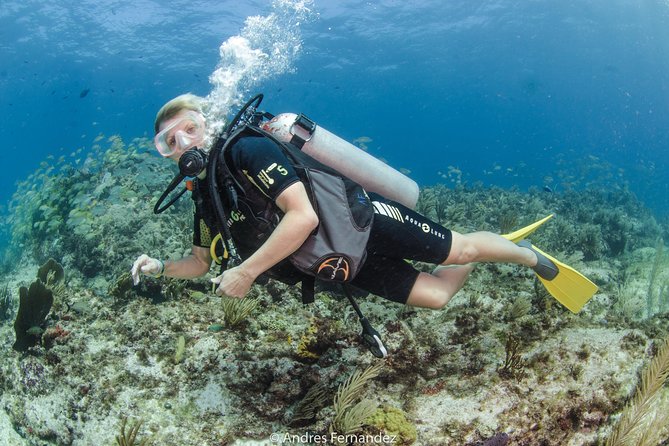
This program also includes guidance for spotting fish. More than one first-timer-friendly report emphasizes that the team points out interesting and even unusual fish, which helps the underwater experience feel like an adventure instead of just training.
And yes, there’s a nice bonus for some groups: instructors have captured photos and videos during the underwater time. That’s not listed as a separate item, but the past experience shows it can happen, and it’s a thoughtful way to keep a memory without trying to juggle a camera while you’re learning.
Manchones reef at about 33 feet: a smart next step after training
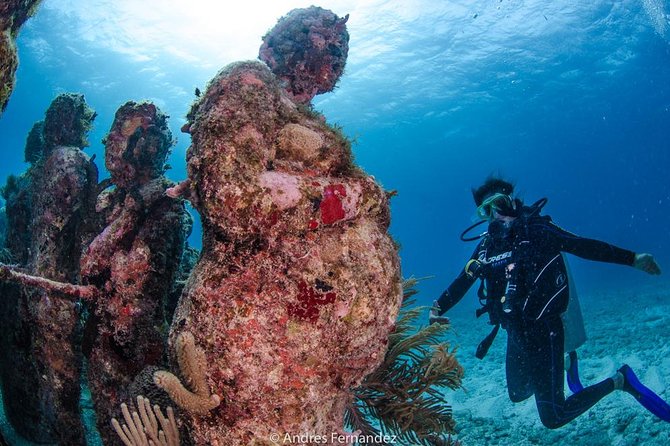
After the initial shallow training, you move into a deeper reef location: Manchones reef at 33 feet. That’s a big deal, because it’s exactly the kind of “first real underwater place” most beginners want. You get a meaningful step up from the 6-meter intro, but you’re doing it as part of a guided program rather than going on your own.
Why this works well for beginners: the day has already trained your body and brain for underwater breathing and basic control. By the time you reach Manchones, you’re not starting from zero—you’re building confidence.
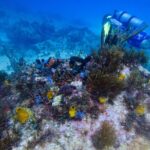
Manchones reef is also the place where the experience’s wildlife spotting gets highlighted. In the past, instructors guided students to notice “crazy/rare” fish and to pay attention to what’s happening around you instead of just focusing on technique the entire time. That kind of instruction makes your underwater session feel more alive.
At this depth (around 10 meters), you’re not just drifting over empty water. You’re in the reef zone where you can actually look at marine life at a level that feels exciting, not overwhelming. If you want your first scuba day to include both learning and a real-world payoff, this stop is a strong choice.
Underwater Museum (MUSA) around 30 feet: art, structure, and sea life
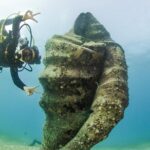
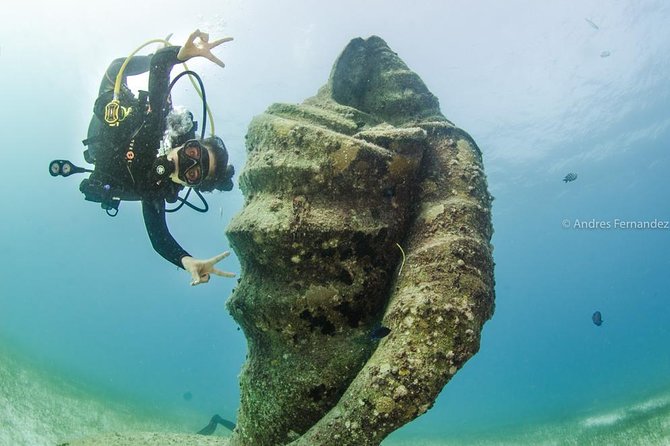
Your second underwater tank session is at the Underwater Museum, also known as MUSA, at 30 feet. Like Manchones, this is in the “first scuba zone” depth range—far enough to feel like you left the training area, but still part of a beginner-focused program.
The underwater museum name is your clue: instead of only looking at natural reef, you’ll explore a structured underwater environment created for an art-and-marine-life experience. Even if you’re not a hardcore “museum person,” it’s a helpful change of scenery. Underwater explorations can feel repetitive if everything looks the same, and a museum setting gives your eyes something different to track.
Practically, the guided format matters here too. You’ll have an instructor with you, so you’re not trying to figure out where to look and how to control your position at the same time. That’s especially useful if your first underwater time already had you learning how to stay calm.
And just like the reef stop, the overall goal is simple: get you comfortable enough to enjoy what’s around you. For many first-timers, that’s what turns a training session into a “wow, I want to do this again” memory.
Price and extra fees: getting the real value for $201.95
The price is $201.95 per person, and it covers a lot of the hard parts of scuba for beginners. Included are:
- scuba equipment
- lessons and an instructor
- a bottle of water and a fruit snack
- two underwater tank sessions
That’s a solid value package for a short half-day, especially if you don’t want to spend vacation energy on logistics like equipment rental and coordinating instructors yourself.
Still, you should budget for add-ons. The experience notes two additional charges not included:
- National marine park bracelet: MX$120.00 per person
- Dock fee: MX$100.00 per person
These fees are common in marine areas, and they’re not the operator’s secret surcharge. They’re part of how access is managed. When you plan your total cost, those charges will be your main surprise.
Also consider what’s not included: there’s no mention of transportation to/from your hotel, so plan around where you’ll be before the 8:00 am start. The meeting point is in Centro, near public transportation, which helps if you’re already staying in that zone.
One more value signal: the experience is frequently booked ahead, with an average of 17 days in advance. If you’re traveling in a busy season or on a tight schedule, it’s smart to lock in your slot early rather than hoping.
Timing, weather, and physical comfort factors that matter
This activity starts at 8:00 am, and it runs about 4 hours. Early starts can feel like a lot—especially if you stayed out late. But there’s a good reason many scuba programs choose mornings: you’re more likely to get good conditions for the day, and the schedule keeps the experience tight instead of dragging into the afternoon.
Weather is explicitly required. If conditions are poor, the provider will offer a different date or a full refund. That’s worth taking seriously, because safety and water conditions affect whether the plan can go forward.
The experience also calls for moderate physical fitness. That doesn’t mean you need to be an athlete, but it does suggest you should feel comfortable with basic movement and water time. If you have health concerns, it’s smart to ask your doctor and also talk to the provider directly before booking.
Finally, confirmation is received at booking, and the program has a free-cancellation option. So if you’re watching weather or tightening schedules, you have some flexibility. Just note that changes right before start time can be limited.
Who this experience is best for
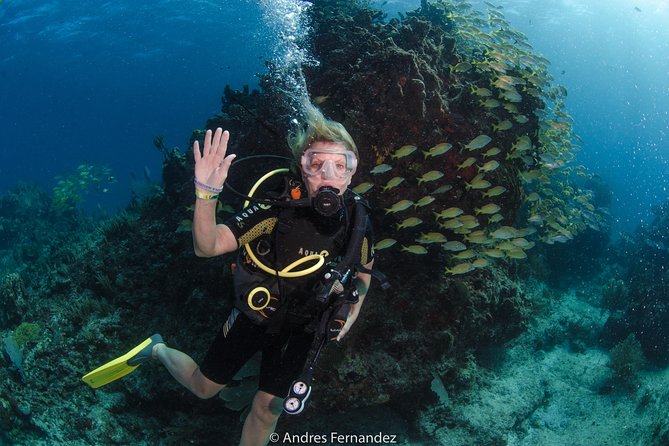
This is a great match if you want to try scuba with training wheels: beginners, people without certification, and anyone who gets nervous around gear and unknown routines. The shallow Discover Scuba training capped at 6 meters, plus the structured course steps (briefing, pool session, open-water session), are built for that exact need.
It’s also a good fit if you care about personal attention. A maximum group size of 10 plus instructors who are praised for patience and attentiveness means you’re more likely to feel supported, not lost.
You’ll likely enjoy it most if you want two meaningful underwater experiences in one morning—Manchones reef and the Underwater Museum—instead of a single short trial.
If you’re the kind of traveler who wants complete control over every variable (including water plans, timing, and weather guarantees), then this might feel a bit weather-dependent. But in scuba, that’s normal, and this experience is straightforward about it.
Should you book this non-certified scuba experience?
I’d book it if your top goals are: safe structure, beginner-friendly conditions, and getting real underwater time quickly. The big strengths are clear—calm, patient instruction (with instructors like Jesús, Andrés, and Lucy showing up in strong feedback), plus the small-group setup that helps you get corrections when you’re learning.
Before you commit, do two quick checks:
- Are you okay with paying the extra MX$120 marine park bracelet and MX$100 dock fee? Those are the main add-ons.
- Can you handle an early 8:00 am start and the reality that weather could shift your schedule?
If those fit, this is a well-priced way to try scuba properly, see two of Isla Mujeres’ well-known underwater locations, and leave feeling confident enough to consider doing it again.
FAQ
Do I need a scuba license for this experience?
This is a Discover Scuba beginner program for people trying scuba as an introduction, so it’s intended for non-certified beginners.
How deep does the Discover Scuba introductory training go?
The Discover Scuba portion has a maximum depth of 6 meters.
Is this experience only for beginners?
Yes. The program is specifically described as a beginner dive course and a first-time scuba try in safe conditions.
How many underwater tank sessions are included?
You get two tank sessions as part of the experience.
What depths are the dive sites?
Manchones reef is listed at 33 feet, and the Underwater Museum is listed at 30 feet.
What’s included in the price?
Included are scuba equipment use, lessons, a water bottle, a fruit snack, two tank sessions, and a dive instructor.
What fees are not included?
The national marine park bracelet (MX$120.00 per person) and the dock fee (MX$100.00 per person) are not included.
Where do we meet, and when does it start?
Meet at Squalo Adventures, Plaza Isla Mujeres S/N, Centro, Isla Mujeres, with a start time of 8:00 am.
How big is the group?
The experience is limited to a maximum of 10 travelers.
What happens if weather is poor?
If it’s canceled due to poor weather, you’ll be offered a different date or a full refund.