REVIEW · ISLA MUJERES
Scuba Diver Certification Course
Book on Viator →Operated by Aqua Adventures Eco Divers, 5 STAR PADI · Bookable on Viator
Small-group scuba training in Isla Mujeres.
This two-day certification course is built to take you from classroom basics to real confined-water practice before you ever go out on the boat. I like the pacing: you learn the fundamentals with a manual and videos, then you practice the exact skills you’ll need, step by step.
I also like the mix of structure and flexibility. With a maximum of 4 travelers, you get more time with your instructor during skills like mask clearing, buoyancy checks, and alternate air-breathing. Then day 2 ends with a 20-minute boat ride to the National Marine Park for a 2-tank open-water session where those skills actually get used.
The main thing to consider is the schedule and effort. It starts at 8:00 am, and it’s designed for people with moderate physical fitness, so you’ll want to be comfortable with early mornings and getting around with gear.
In This Review
- Key things that make this course worth your time
- Isla Mujeres scuba certification in 2 days: what the schedule really means
- Day 1: Classroom knowledge development that helps you stay calm
- Day 2 Part 1: Confined-water skills (where confidence gets built)
- Day 2 Part 2: National Marine Park outing with 2 tanks
- What “small group up to 4” means for your learning
- Meeting point, timing, and how to avoid day-of stress
- Gear, safety, and the one issue you should think about
- Who this course is best for (and who should pause)
- Value for $430: what you’re paying for beyond the sticker price
- Practical tips that help on day 1 and day 2
- Should you book it?
- FAQ
- What’s included in the two-day scuba certification course?
- Where do I meet for the course?
- What time does the course start?
- Is the course in English?
- How many people are in the group?
- Do I need to have scuba experience already?
- What physical condition do I need?
- What’s the cancellation policy if weather changes?
Key things that make this course worth your time
- Small group size (max 4): you’re not lost in the shuffle during skills practice.
- Day 1 knowledge development: manual + videos in a classroom setting, taught by your instructor.
- Real confined-water skill drills: mask clearing, buoyancy checks, and safe-air practices are practiced, not just explained.
- A National Marine Park outing on day 2: after practice, you apply skills on a 2-tank open-water session.
- English instruction and hands-on guidance: you’ll have an instructor who can walk you through the steps clearly.
- A professional-style safety culture: equipment checks and thorough briefings are a major theme in the shop’s training approach.
Isla Mujeres scuba certification in 2 days: what the schedule really means
This course runs about 2 days, starting at 8:00 am. You meet at Aqua Adventures Eco Divers (5 Star PADI training center), Centro across from Javi’s Cantina, Av Juárez 13, Isla Mujeres, Q.R., Mexico. The activity ends back at the meeting point.
The real value here is the order of operations. Day 1 is built for learning the why: how scuba breathing works, what safety procedures mean, and what your body needs to do underwater. Then day 2 is where you prove it works—first in confined water, then out in the National Marine Park.
That pacing matters because “learning words” and “doing actions” are two different skills. The confined-water portion gives you a controlled space to build muscle memory—so when something feels unfamiliar underwater, you’re not doing everything for the first time at once.
Also, this is booked fairly in advance (on average, about 24 days). If you’re traveling around popular dates, don’t wait until the last minute.
You can also read our reviews of more tours and experiences in Isla Mujeres.
Day 1: Classroom knowledge development that helps you stay calm
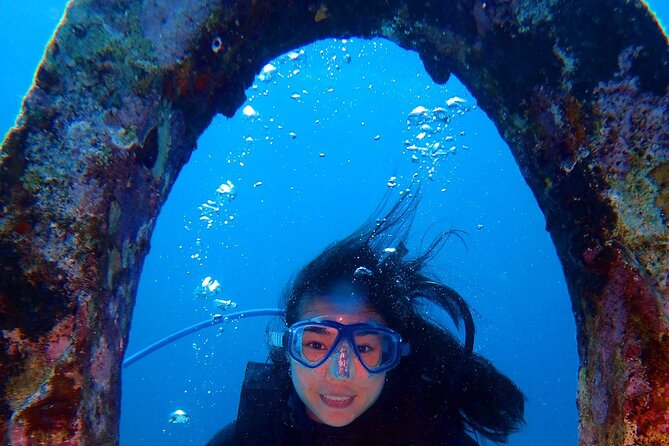
Day 1 is knowledge development, done in the classroom. Expect to use a manual and videos, guided by your instructor. The point isn’t memorizing trivia. It’s to help you understand what you’re doing before you’re expected to do it.
Here’s what this tends to give you in practical terms:
- You’ll learn the basic principles of scuba so your breathing and buoyancy make sense.
- You’ll go over key safety practices and dive planning concepts before you handle equipment underwater.
- You’ll get a walkthrough of the skills you’ll practice later, so day 2 doesn’t feel like a surprise pop quiz.
From what you can expect, this is especially helpful if you’re brand new to scuba. One of the nice themes from the training culture at this shop is that instructors take time to make instructions clear and to keep students feeling supported. Even for people returning after a long break, thorough classroom discussion is what makes the first open-water moments feel less intimidating.
Your takeaway: Day 1 is the groundwork. If you pay attention here, day 2 feels much more “do-able” rather than chaotic.
Day 2 Part 1: Confined-water skills (where confidence gets built)
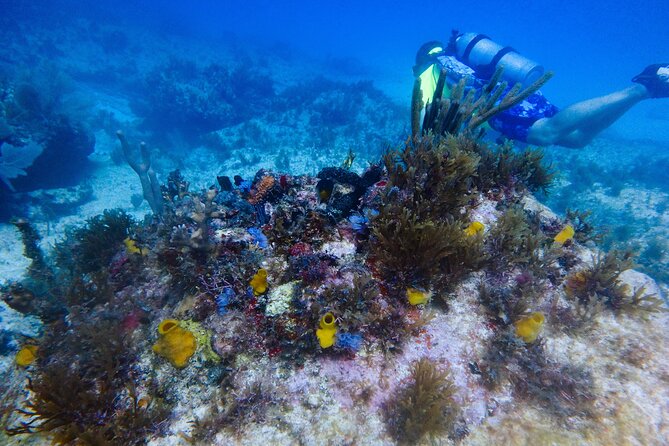
Day 2 begins with confined water training. This is where you practice core scuba skills in a smaller, safer setting before going offshore.
Skills you can expect include:
- Mask clearing
- Buoyancy checks
- Alternate air-breathing
- Other safe diving practices that support confident, controlled underwater movement
If you’re wondering why mask clearing and buoyancy get so much time: it’s because those two skills reduce stress. When you can clear water from your mask smoothly, you don’t waste mental energy fighting panic. When you can check and adjust buoyancy, you stop fighting the ocean with your body and start moving with it.
This part is also where you learn safe habits you’ll carry forward. Many courses are “watch then hope.” A good course is “watch, then do, then correct.” With a small group size, you’re more likely to get that correction while it matters.
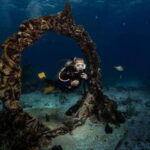
One more neat detail from the broader training culture at Aqua Adventures Eco Divers: buoyancy skill tests have been described as creative and confidence-building—like underwater drills involving hula-hoop style targets. So if you’re the type who learns better when it’s fun (and not just repetitive), this kind of approach can help.
Day 2 Part 2: National Marine Park outing with 2 tanks
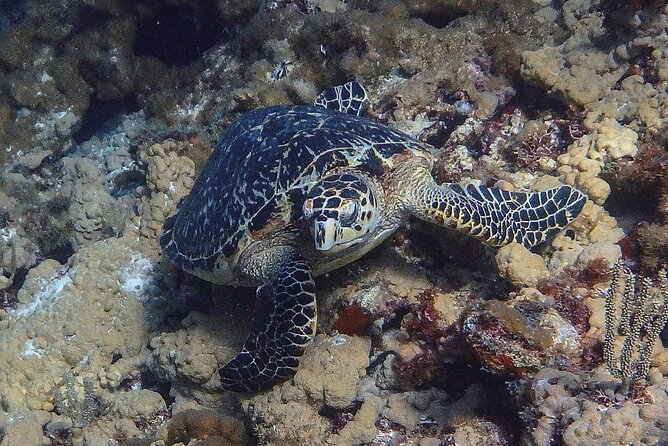
After the confined-water work, day 2 ends with an open-water experience in the National Marine Park. You’ll take a 20-minute boat ride, then do a 2-tank session in the park with your instructor.
This is the “put it all together” part:
- You’ll use the skills you practiced (buoyancy, mask clearing, and controlled air-breathing).
- You’ll follow briefings that set expectations for the underwater environment and what you’re trying to accomplish.
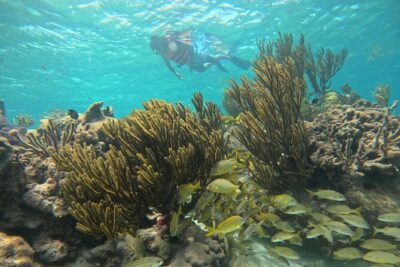
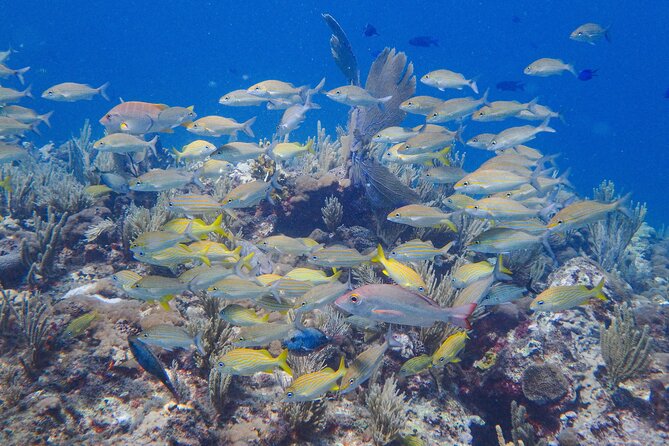
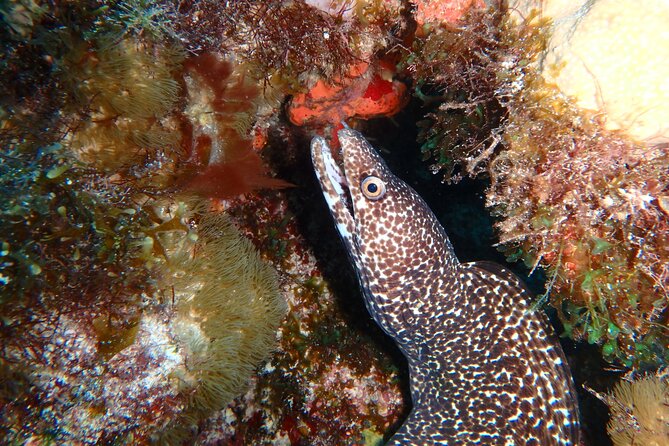
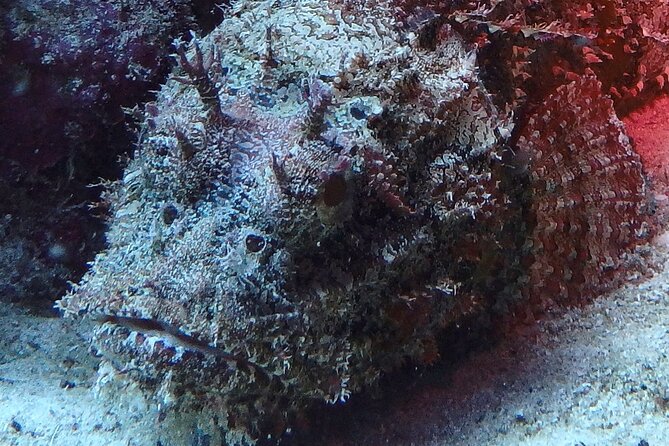
- You’ll explore marine life in a protected area rather than just doing training-by-the-numbers.
Why this is valuable: certification isn’t only about learning gear. It’s about learning how you behave underwater when there’s actual space to move and actual scenery to notice. The National Marine Park setting gives you that shift—from controlled practice to real-world conditions, while still training-focused.
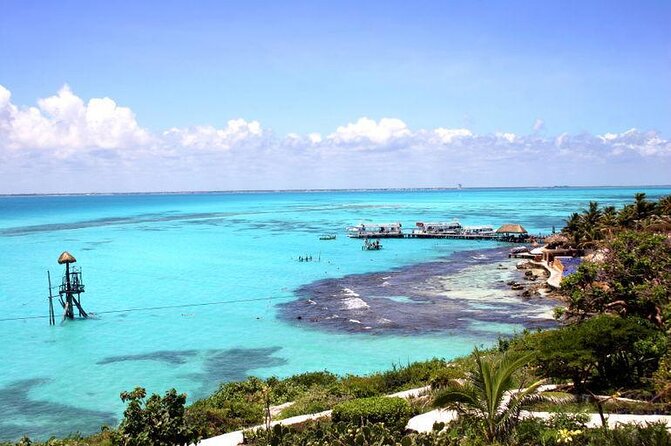
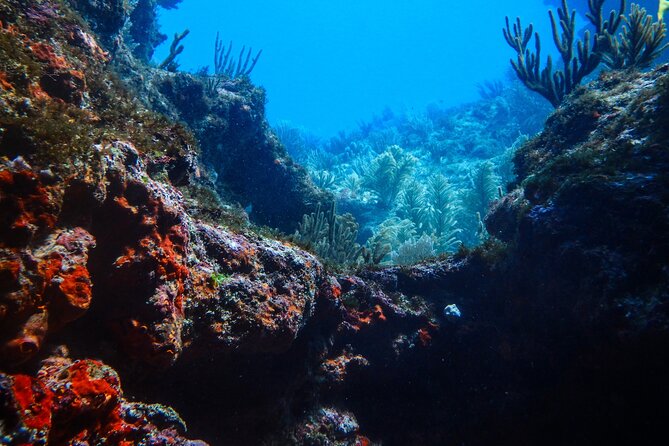
Also, Isla Mujeres has a reputation for clear, lively reef ecosystems within the broader reef system of the region. If you’re a wildlife-focused person, you’ll probably enjoy that the course is tied to a real marine environment rather than a generic training pool.
What “small group up to 4” means for your learning
Most scuba mistakes happen when someone feels rushed or alone. This course caps groups at 4 travelers, which changes the vibe in a practical way:
- Your instructor can slow down if you need it.
- You can ask questions without feeling like you’re holding everyone hostage.
- Equipment adjustments and skill coaching can happen more often and faster.
- You’re less likely to disappear into the background during short, important moments like pre-dive checks.
If you’ve ever been in a large group where one instructor is trying to run around doing everything at once, you know the feeling. Here, the format favors attention.
Meeting point, timing, and how to avoid day-of stress
You start at 8:00 am, meeting at Aqua Adventures Eco Divers in Centro, across from Javi’s Cantina on Av Juárez 13. The good news: it’s described as near public transportation, so you should have options if you’re not driving.
What I’d do to keep it smooth:
- Give yourself extra time to find the place and check in calmly.
- Bring what you need to travel comfortably in the morning heat.
- Be ready for the fact that the day is tightly structured: classroom, confined-water practice, then the park outing.
Also, you’ll receive a mobile ticket, so make sure your phone battery behaves like a professional. Bring a charger if you can.
Gear, safety, and the one issue you should think about
In general, this kind of course relies on safe equipment handling and consistent briefings. The shop’s training approach emphasizes safety culture and thorough instruction.
One practical note from a negative experience connected to equipment issues: a student reported stress during open-water training due to regulator gauge problems and described a mismatch between expected depth and actual training depth. The shop’s response said they follow PADI standards, that equipment is inspected/serviced regularly, and that the shop uses both metric and imperial gauges (with the option for preferences if requested).
What you should take from this—without getting alarmist—is simple:
- If you have a strong preference for metric vs. imperial gauges, tell the staff up front.
- If you’re uneasy about equipment, speak up before you enter the water.
- Ask how they handle minor leaks or equipment swaps, and make sure you understand what will happen if something needs changing.
Even the best operations can have hiccups. Your job is to communicate early so those hiccups stay small.
Who this course is best for (and who should pause)
This is a strong fit if:
- You want a clear path to scuba certification in two days
- You like hands-on teaching and a structured skill progression (classroom → confined water → National Marine Park)
- You prefer English instruction
- You want a small group experience
- You have moderate fitness and can handle getting through a day with gear and water time
You might want to pause or ask extra questions if:
- You’re worried about early starts (it begins at 8:00 am)
- You’re not comfortable with physical demands of handling equipment and moving in water
- You have specific equipment sensitivities (like gauge type), since gear preferences should be clarified early
Value for $430: what you’re paying for beyond the sticker price
At $430 per person, you’re paying for more than “someone takes you underwater.” You’re funding:
- Classroom knowledge development (manual + videos + instructor)
- Confined-water skill practice of core safety behaviors
- A National Marine Park outing with a boat ride and 2 tanks
- Instructor-led coaching with a small group size
The boat + park session is a big cost driver in training. So if the course delivers the full day 2 plan you’re expecting—confined skills plus the 2-tank park outing—you’re getting a full learning arc rather than only the first half.
Also, because it’s capped at 4 travelers, you’re more likely to get genuine feedback instead of “good luck out there.”
Practical tips that help on day 1 and day 2
These are small things that can make you feel more confident:
- Arrive early enough to settle before the morning rush.
- Take the classroom seriously. If you understand the safety logic, your skills feel more predictable.
- On day 2 confined water, ask questions while you’re practicing, not after. That’s when the instructor can adjust your technique.
- When you reach the National Marine Park, try to follow the briefing exactly and avoid freelancing. This is where training becomes real-world comfort.
If you’re worried about forgetting steps underwater, that’s normal. The goal is not perfect memory—it’s a calm routine. The course’s structure helps you build that routine.
Should you book it?
Book this scuba certification course if you want:
- A 2-day path with classroom prep, confined-water skills, and a park outing
- Small-group attention (max 4)
- English instruction
- A course that aims to make safety procedures feel normal, not scary
Consider booking somewhere else (or asking more questions) if:
- You can’t do an 8:00 am start or you’re not comfortable with moderate physical activity
- You have strong equipment requirements and you want those preferences locked in before training begins
- You need a course that matches a very specific depth expectation. (This course includes training and an open-water park outing; ask what depths are typical for the training plan they run.)
If you’re flexible, coachable, and ready to practice, this is a practical way to get certified while enjoying the marine setting of Isla Mujeres.
FAQ
What’s included in the two-day scuba certification course?
Day 1 is knowledge development in a classroom using a manual and videos with your instructor. Day 2 includes confined water skills practice, such as mask clearing, buoyancy checks, and alternate air-breathing. Day 2 also includes a National Marine Park session with a 20-minute boat ride and a 2-tank open-water experience.
Where do I meet for the course?
You meet at Aqua Adventures Eco Divers in Centro, across from Javi’s Cantina, Av Juárez 13, Centro, 77400 Isla Mujeres, Q.R., Mexico.
What time does the course start?
The start time is 8:00 am.
Is the course in English?
Yes, the course is offered in English.
How many people are in the group?
The course has a maximum of 4 travelers.
Do I need to have scuba experience already?
The course includes classroom learning and practice skills in confined water, so it’s structured for learning the basics during the course rather than assuming prior training.
What physical condition do I need?
The activity is listed as requiring moderate physical fitness.
What’s the cancellation policy if weather changes?
There is free cancellation up to 24 hours before the experience’s start time for a full refund. It also requires good weather, and if canceled due to poor weather, you’ll be offered a different date or a full refund.