REVIEW · CHICHEN ITZA
Chichen Itza: Self-Guided Tour with Audio Narration & Map
Book on Viator →Operated by Walk with Action · Bookable on Viator
Chichén Itzá is easier with an audio guide. This self-guided walk uses GPS-triggered audio plus an offline map so you can match each story to what you’re seeing, without juggling a phone plan. I love the hands-free flow of the narration, and I also like that the app gives you a recommended route so you don’t wander in circles. The main drawback: the Chichén Itzá entrance ticket is not included, so budget time and money for site entry.
What makes it work well in real life is the pacing. The route is about 2+ miles and can take roughly 1–2 hours if you listen to the key stops, plus extra time for photos and shade breaks. A potential consideration: you’ll want a charged phone and wireless headphones, because the audio depends on your device and some spots can start narrating just before you stand exactly at the point.
In This Review
- Key things that make this tour worth your attention
- Price and value: what $9.99 really buys you
- Entering the park with the right setup (phone, headphones, offline download)
- The self-guided flow: how the GPS route actually feels on your feet
- Handicraft Market and the official-guide stop: get oriented fast
- El Castillo and the ballgame zone: learning the site’s most photographed structures
- Tzompantli and the ceremonial platforms: the harder-to-read symbolism
- El Caracol and the sky-watchers: where astronomy becomes architecture
- The long Chichén Itzá Yucatán segment: where context gets real
- Temple of the Warriors, the Red House, and the Ossuary names you’ll remember
- Las Monjas and La iglesia: text, rulers, and the crowd-pleasing facade
- Who this works best for (and who might want a different option)
- Should you book this Chichén Itzá audio tour?
- FAQ
- Is the $9.99 tour price the same as a ticket to enter Chichén Itzá?
- Does this Chichén Itzá audio tour work without mobile data?
- How long does the self-guided walk take?
- Where do I start the tour, and is someone meeting me?
- What do I need on my phone to use it?
- Do I have to download the tour after I arrive?
- Can I pause, skip, or replay the audio?
- Can I cancel for a refund?
Key things that make this tour worth your attention
- Offline GPS: works without signal after you download it while you have strong Wi‑Fi/cellular.
- Audio that starts by itself: narration plays when you reach the next story point.
- A mapped, followable route: fewer “Where am I supposed to look?” moments.
- Big value for the price: an on-site guide experience for $9.99, with the comfort of self-paced walking.
- Multiple story angles: you’ll get context that normal signage doesn’t always provide.
- Repeat and pause: you can restart sections, take breaks, and listen again later.
Price and value: what $9.99 really buys you

At $9.99 per person, this is one of the cheaper ways to get structured interpretation at Chichén Itzá. And it matters, because hiring a private guide can cost a lot, while the park’s entrance fee is separate (so you’re not paying double for the ruins).
You’re paying for three practical upgrades: a recommended walking route, GPS-triggered audio, and a format that lets you stop, replay, or skip. That’s different from just reading a few panels or chasing a group through the site on someone else’s schedule.
One more value point: the audio package is described as new, lifetime access with no expiry, so you can reuse it on another trip or listen again at home. Even if you only use it once, it’s still a low-risk add-on for a site where it’s easy to feel like you’re just looking at rocks unless you know what you’re seeing.
You can also read our reviews of more guided tours in Chichen Itza

Entering the park with the right setup (phone, headphones, offline download)
Plan your tech like you plan your shoes. You’ll download a separate Action’s Tour Guide App and use a password sent by email/text, and you must do the download while you’re on strong Wi‑Fi/cellular. After that, the tour is built to work offline using GPS alone, which is exactly what you want at a place where cell service can be spotty.
I strongly recommend bringing wireless headphones. The tour is hands-free, but you still need audio in your ears to catch the stories that explain what you’re facing at each step.
Device support is spelled out, too. It’s recommended for an iPhone with iOS 15+, Android 9+, or an iPad/tablet with GPS and cellular connectivity. If your phone battery tends to drain fast, bring a portable charger, because you’ll be walking for hours with GPS running and audio playing.
The self-guided flow: how the GPS route actually feels on your feet
This is not a “ride up and get dropped off” kind of tour. You start at 97751 Chichén-Itzá, Yucatán, Mexico, and no one meets you. You open the app onsite, choose the right tour version if multiple starting directions exist, and then follow the audio cues from one story point to the next.
The app’s big advantage is that it helps you avoid the two most common ruin-trip problems: wandering and missing context. When geolocation triggers the next story, you’re nudged to look at the right building at the right time—so you’re not just admiring architecture without knowing what the symbols mean.
A practical caution from the real-world experience: sometimes the narration can begin slightly early, or the map can feel a little off. That’s not a dealbreaker, but it means you should be ready to look around while the audio starts, then lock onto the exact location when you’re right next to it.
Time-wise, you’re dealing with a real walk. The route is described as over 2 miles and includes more than 37 audio stories. If you’re the type who takes photos slowly, add extra time and don’t feel guilty about it.
Handicraft Market and the official-guide stop: get oriented fast
Stop 1 is the Handicraft Market area. It’s a logical first moment because it puts you in the right mindset: you’re not “teleporting” into monuments yet, you’re entering the space with a sense of place and scale. The audio here runs about 1–2 hours for the full core route, but this initial segment is quick and meant to set you up.
Stop 2 points you toward Guías oficiales de la Z. A. de Chichén Itzá Tu Guía Yucatán. Even if you’re not hiring anyone, it’s useful to know the site has official guide context and local framing. You’ll also benefit later, because the audio is trying to teach you how to read Chichén Itzá as a living cultural system, not just a photo spot.
If you like to buy small souvenirs, you’ll have a chance to browse early. If you’re trying to skip crowds and shopping pressure, you can keep moving since this segment is built into the route.
El Castillo and the ballgame zone: learning the site’s most photographed structures
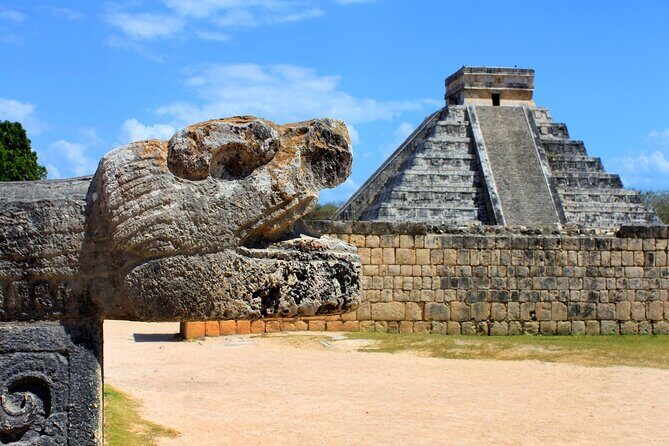
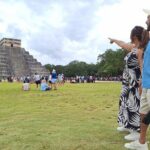
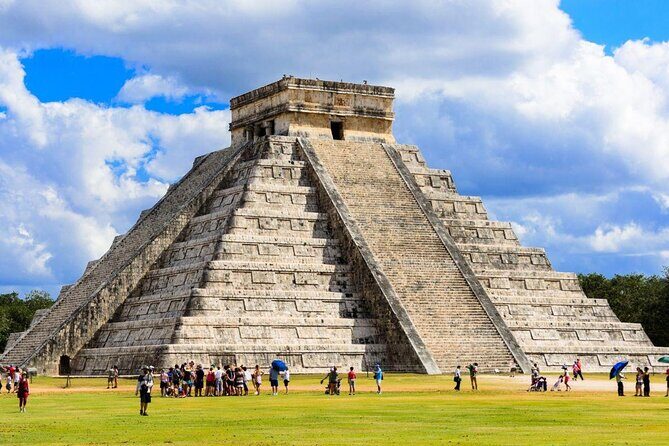
Stop 3 is El Castillo, also known as the Pyramid of Kukulkan. This is the star of the show: built to honor the snake deity Kukulkan, it’s dramatic even before you understand the symbolism. The audio helps you connect the structure to Mayan belief systems so the pyramid feels like a message, not just a tall rock.
Stop 4 is Gran Juego de Pelota. This is where the story gets interesting fast because the court is tied to Mayan culture through the sculpted reliefs along the walls. The audio description notes six sculpted reliefs, and that you can see ball players in multiple scenes if you look closely. That’s a great use of audio on ruins, because you’re more likely to spot details when you know what you’re supposed to hunt for.
These are also among the most crowded areas of the site, so going with an app can help you maintain your own pace. You’re still going to encounter people, but you won’t be stuck listening to a group lecture at the exact same volume level as everyone else around you.
Practical note: El Castillo is one of those places where you’ll want to pause for photos, then step aside to read and re-watch the narration once the crowd thins.
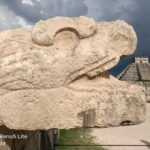


Tzompantli and the ceremonial platforms: the harder-to-read symbolism
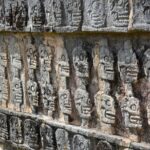
Stop 5 is Tzompantli, literally the skull rack. The description is direct: it once functioned as a place where heads of sacrificial victims were placed. The walls depict warriors carrying skulls, plus snakes and eagles, which makes this stop feel visually intense and symbol-heavy.
Stop 6 is the Eagles & Jaguars Platform. This square platform with stairways on each side is described as likely used for ceremonial purposes like dance, ritual, or public speeches. It also matters that it was never crowned with a temple, so the structure’s “flat stage” purpose is part of the lesson.
If you’re sensitive to violent imagery, keep your expectations calibrated here. The audio will explain what the site is showing, including the meaning behind the name Tzompantli. That’s also why the audio format can be helpful: you control the pace, and you can step back if you need a breath.
These stops work best when you let the story slow you down. If you rush, the visuals turn into random carvings. If you stick with the narration, the symbols start lining up into a coherent explanation.
El Caracol and the sky-watchers: where astronomy becomes architecture
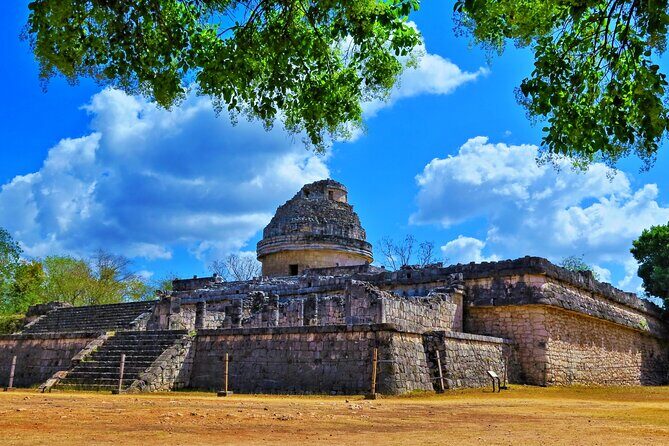
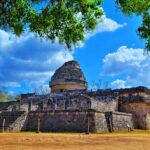
Stops 7 and 12 both feature El Caracol. The tour structure repeats it, and that’s actually useful because it encourages a second look at what the building represents. El Caracol is described as having the remains of an observatory on top, where Mayans watched the stars and tracked planetary movement to infer future events.
This kind of stop is exactly where a GPS audio guide earns its keep. The building looks unique, but without context it can be hard to know why it’s important. With the narration, you’re not just noticing an unusual form—you’re learning the site’s scientific mindset.
You can treat El Caracol as your “pattern break” from the more crowded pyramid-and-temple sequence. It’s still a central structure, but the astronomy angle shifts your perspective.
If you’re the type who likes “how did they know that?” stories, spend a little extra time here. Let the audio run, then do one quick sweep of the surrounding details once the story ends.
The long Chichén Itzá Yucatán segment: where context gets real
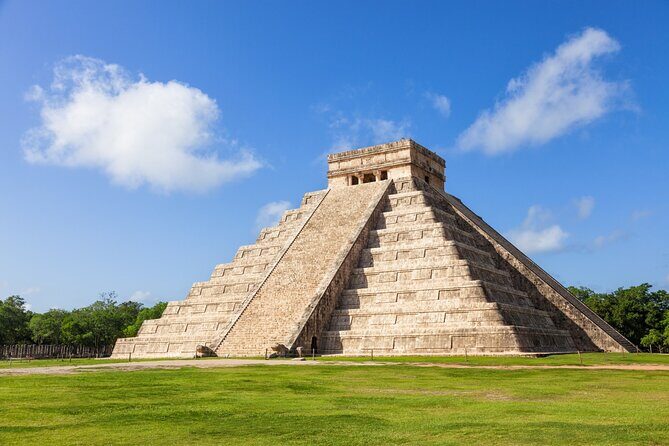
Stop 8 is Chichen Itza Yucatan, and it’s the long one: about 1 hour. This is the context hub where the audio focuses on how Chichén Itzá worked as one of the greatest Mayan centers on the Yucatán peninsula over nearly 1,000 years.
The explanation includes a key idea: different peoples left their marks on the city. You’ll hear about the fusion of Maya construction techniques and elements from central Mexico, linking the site to the Maya-Toltec world.
This long segment is valuable because it makes the rest of the stops easier to understand. After it, Temple of the Warriors, Las Monjas, and La iglesia won’t feel like a grab bag of famous buildings.
If you’re trying to keep the entire visit tight, don’t skip this section. It’s the “why this all matters” portion, and it makes your time at the site feel less like sightseeing and more like reading a story.
Temple of the Warriors, the Red House, and the Ossuary names you’ll remember
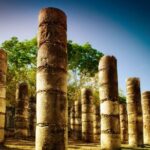
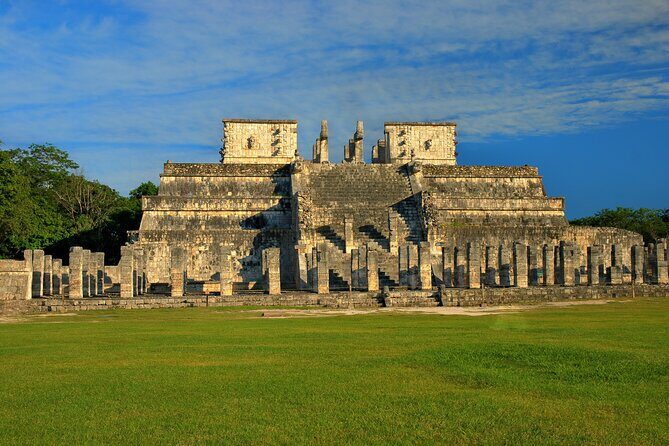
Stop 9 is the Temple of the Warriors, described as having three thick tiers at the bottom and a small temple on top. The audio also notes about 200 columns with carvings of Toltec warriors in varying scenes. That’s the kind of detail you’d miss if you weren’t told where to look and what the carvings are meant to represent.
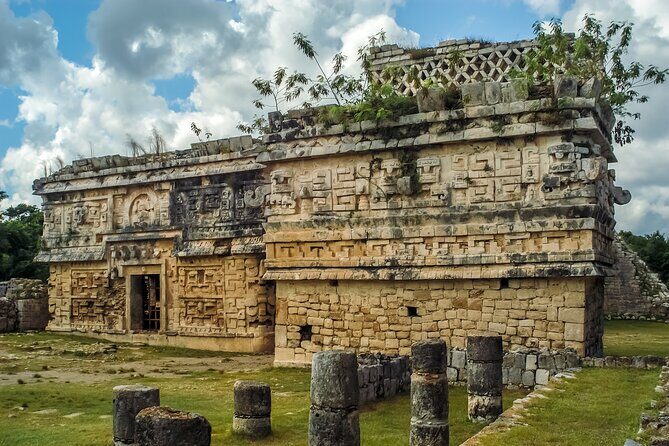
Stop 10 is the Red House, also known as the House of Little Holes. The explanation points to latticework on the top, and it shares the Mayan name Chichanchob, possibly meaning small holes. Even if you don’t see the full lattice pattern from your angle, you’ll know what feature to hunt for when you re-position.
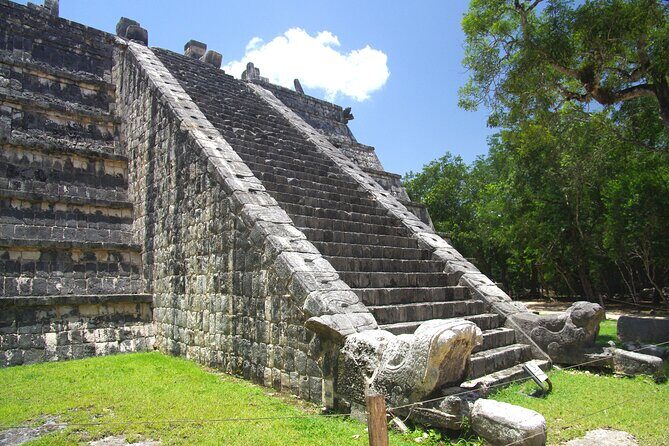
Stops 11 and 13 return to the burial-focused structures: The Ossuary and El Osario. The audio connects the Ossuary name to human remains uncovered by archaeologists, and it adds a more specific detail: seven tombs were uncovered under the pyramid, believed to belong to members of Mayan high society. It also calls El Osario a name tied to the many bones found there, including the note about a high priest’s grave.
These burial sites can feel emotionally heavy. The audio keeps things factual and specific, which helps you process what you’re seeing without getting lost in speculation.
Practical tip: take a moment at these stops to look around the base and the approach lines. Ruins often look different depending on where you stand, and the audio helps you choose a better viewing angle.
Las Monjas and La iglesia: text, rulers, and the crowd-pleasing facade
Stop 14 is Las Monjas (the Nunnery). It’s described as one of the largest buildings at Chichén Itzá and archaeologically significant due to the huge number of texts inscribed into the walls. The audio mentions that many of the inscriptions mention a ruler named Kakupakal.
Stop 15 is La iglesia, one of the most photographed buildings at Chichén Itzá. The audio notes the exterior veneer decorations and specifically names two upper stories decorated with masks of Chac, along with an armadillo, crab, snail, and tortoise among the Chac crowd.
This is where you’ll see how the audio strategy works: you’re walking through the hardest structures, then ending on the ones your camera naturally wants. With context, the photo spots become more meaningful.
If you’re tired, pace yourself here. This late-stage duo is visually rewarding, but it also draws attention from many people. Use the app’s ability to pause and replay if you want a second look without being rushed.
Who this works best for (and who might want a different option)
This self-guided audio tour fits you if you want freedom. It’s ideal for couples, solo travelers, and families who don’t want to pay for a private guide just to get basic context. It’s also a good choice if you’re trying to avoid getting stuck in a loud group rhythm.
It’s less ideal if you dislike walking or if you need a lot of hands-on help at each stop. The route is a real walk, and the experience relies on you having functional GPS and enough battery to keep going.
One more fit note: if you’re fluent in English and prefer audio explanations in a straightforward style, this is aligned with the listed English offering. If you were hoping for another language option, the info here only lists English.
Should you book this Chichén Itzá audio tour?
If you’re paying for only one way to learn Chichén Itzá and you’re budget-minded, I’d say this is an easy yes. You get offline GPS map guidance, hands-free audio, and a route that keeps you oriented across the key monuments like El Castillo, Gran Juego de Pelota, Tzompantli, El Caracol, and Las Monjas.
Book it if: you want to move at your own pace, you like structure without group pressure, and you can manage the basics (download ahead, headphones, charged phone). Skip it if: you want a guide to answer questions on the spot, or you can’t handle the walking and GPS-dependent audio experience.
Either way, make the day match the site: start early enough to fit your energy, keep your ticket plans clear (entrance is separate), and treat the audio as your personal “look here, not there” map.
FAQ
Is the $9.99 tour price the same as a ticket to enter Chichén Itzá?
No. The tour includes the self-guided audio and map experience, but the Chichén Itzá entrance ticket is not included. You’ll need to check the park’s opening hours and arrange entry separately.
Does this Chichén Itzá audio tour work without mobile data?
Yes. After you download the tour while you have strong Wi‑Fi/cellular, it’s designed to work offline with GPS alone (no need for roaming data).
How long does the self-guided walk take?
The duration is listed as 2 to 3 hours (approx.). The route is described as over 2 miles and takes about 1–2 hours to complete if you follow the audio through the essentials.
Where do I start the tour, and is someone meeting me?
You start at the meeting point in Chichén Itzá (97751 Chichén‑Itzá, Yucatán, Mexico). No one will meet you at the start. You open the app onsite and enter the first story’s point so the audio begins automatically.
What do I need on my phone to use it?
You’ll need a device that matches the recommendations: iPhone with iOS 15+, Android version 9+, or an iPad/tablet with GPS and cellular connectivity. It also helps to use wireless headphones so you don’t miss the location-triggered audio.
Do I have to download the tour after I arrive?
You should download the tour while you have strong Wi‑Fi/cellular, because you’ll receive instructions and a password, then download the separate tour app. After the download finishes, it works offline during your walk.
Can I pause, skip, or replay the audio?
Yes. You can start and pause whenever you like, take breaks, and listen again. You can also skip stops you’re not interested in.
Can I cancel for a refund?
Yes. You can cancel for a full refund if you cancel at least 24 hours before the experience start time. If you cancel within 24 hours, the amount paid isn’t refunded.