REVIEW · VALLADOLID
Chichen Itza, Cenote and Ek Balam Tour with Lunch from Valladolid
Book on Viator →Operated by MexiGo Tours · Bookable on Viator
Chichén Itzá feels different at dawn. This day trip from Valladolid strings together three big Yucatán hits: a guided Chichén Itzá visit before the crowds, a refreshing break at Cenote San Lorenzo Oxman, and then Ek Balam with the chance to climb. It’s built for comfort too: an air-conditioned ride, certified guides at the main ruins, and a small max group of 14.
Two things I really like are the early start (you’re there while it’s still cooler) and the way the guides connect details—astronomy at Chichén Itzá and the meaning of the Ek Balam façade—to what you’re actually seeing. A possible drawback is that the big ruin admissions are not included, so the final cost is higher than the tour price once you add foreign ticket prices.
In This Review
- Key highlights I’d plan around
- Valladolid pickup and that 7:15 a.m. start
- Chichén Itzá guided tour: Caracol, ball court, and early-entry time
- What you’ll see (and why it matters)
- Timing and the crowd factor
- Admissions and the cost reality
- Cenote San Lorenzo Oxman: swim time, rope swing options, and safety notes
- What to watch for in the cenote
- How long you’ll be there
- Lunch between ruins: what’s included and what to budget
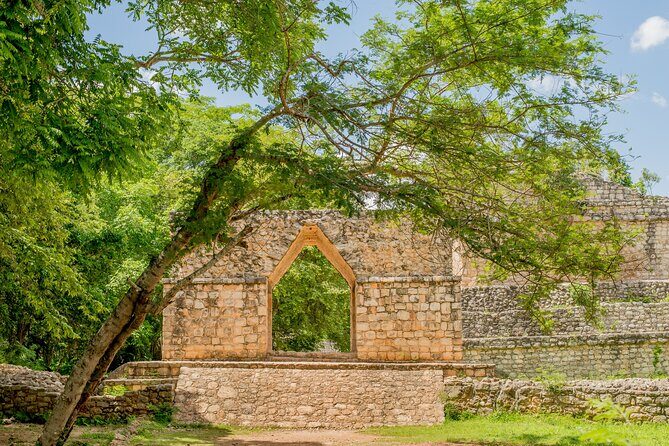
- Ek Balam: climbing ruins and the Ukit Kan Le’k Tok façade
- The stucco façade and why it’s a big deal
- Crowd feel and pacing
- Guides, group size, and why the day feels worth it
- How it stacks up to the price
- Who should book this Chichén Itzá–cenote–Ek Balam day?
- Should you book this tour? My practical verdict
- FAQ
- Is pickup available from places outside Valladolid?
- What time does the tour start?
- Does the price include entrance fees?
- What’s included for lunch?
- Is the Chichén Itzá visit guided?
- Can I climb at Ek Balam?
- How big is the group?
- What should I know about the cenote?
Key highlights I’d plan around
- Early arrival at Chichén Itzá to beat heat and large bus crowds
- Certified guides at Chichén Itzá and Ek Balam, not just a bus drop-off
- Cenote San Lorenzo Oxman included, with time to swim and the option of a rope swing
- Lunch included, but drinks aren’t—plan for bottled water needs
- Small group size (max 14), which keeps the day feeling more personal
Valladolid pickup and that 7:15 a.m. start
This tour begins with pickup only in Valladolid. If you’re staying in town (hotels, B&Bs, hostels, and Airbnbs), you’re asked to share your full address with crossroads or nearby landmark, and pickup happens in the 7:00–7:20 a.m. window. The stated start time is 7:15 a.m., and the day typically runs about 10 hours, returning around 5:30 p.m.
That early departure matters more than it sounds. Chichén Itzá is one of those places where midday heat and tour-bus waves can wear you down fast. Here, you’re there early enough to get a guided tour and still have free time for photos without rushing through everything at the worst moment of the day.
Also, it’s offered in English, and you’ll ride in an air-conditioned vehicle. The vibe is friendly and efficient rather than frantic, which is a big deal on long day trips. One last practical note: the cenote time and sun time are part of the same day, so your morning choices (clothes, sunscreen, swimwear) will pay off.
You can also read our reviews of more tours and experiences in Valladolid
Chichén Itzá guided tour: Caracol, ball court, and early-entry time
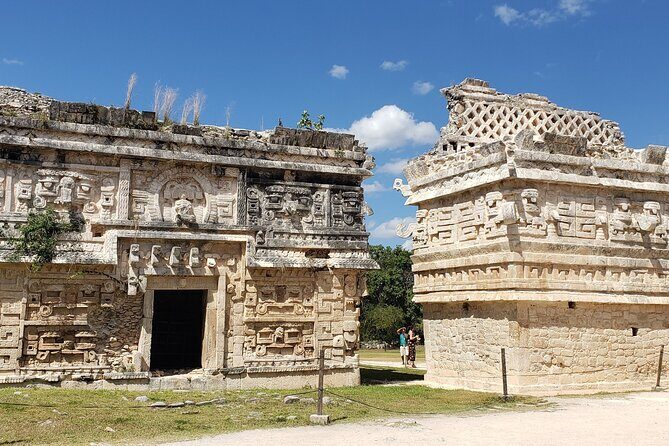
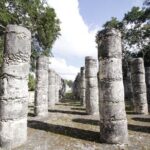
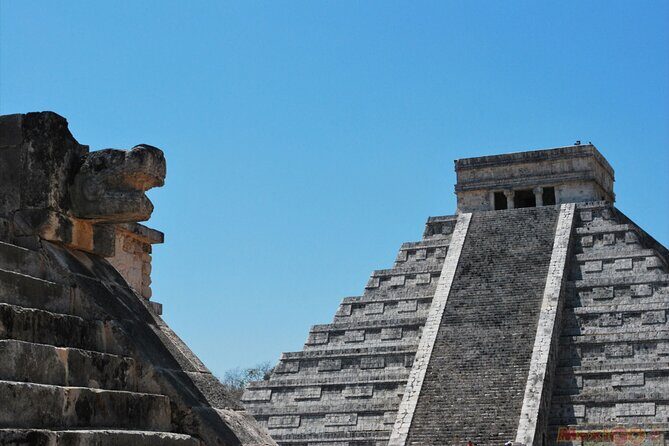
Chichén Itzá is the headliner, and this tour treats it like one. After pickup, you’ll drive about 45 minutes and head straight into the Maya-Toltec site with a professional certified guide. The guided portion runs about 1 hour 30 minutes, followed by additional free time (enough to wander and get photos at your pace).
What you’ll see (and why it matters)
You’ll cover the big-ticket structures and the stories behind them, including:
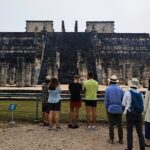
- The Temple of the Warriors
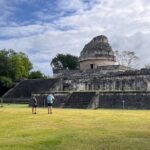
- El Caracol (Observatory), discussed through the site’s window alignments and how it connects to tracking celestial events
- The ball court, noted as the largest in Mesoamerica
- The nunnery palace
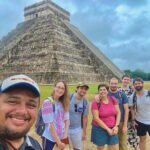
- The Kukulkan temple
The guide’s job here isn’t just to name buildings. It’s to make the astronomy feel concrete. For example, the Caracol windows are believed to be aligned to cardinal and subcardinal directions and linked to tracking Venus, the Pleiades, and the sun and moon. When someone explains this while you’re standing there, you start noticing how the site is built for observation, not just for show.
Timing and the crowd factor
The tour explicitly positions you for early entrance, and that’s one of the strongest value points. In practice, arriving early means:
- less heat burden while you’re listening and walking
- more room to breathe while you take photos
- fewer moments where you’re squeezed between groups moving in the same narrow paths
One thing to keep your expectations realistic: Chichén Itzá does have many vendors inside the site area. If you hate shopping distractions, you’ll want to keep your eyes forward and let the guide lead you through the route. You can still have a great day—you just have to accept that it’s a busy public destination.
Admissions and the cost reality
Chichén Itzá admission for foreigners is listed as MX$697 per person, and it’s not included in the tour price. That means your true total is the tour fee plus the ticket. When a guided visit includes early entry plus a long, structured explanation, that added admission can still feel like fair value—especially if this is your only shot at Chichén Itzá.

Cenote San Lorenzo Oxman: swim time, rope swing options, and safety notes
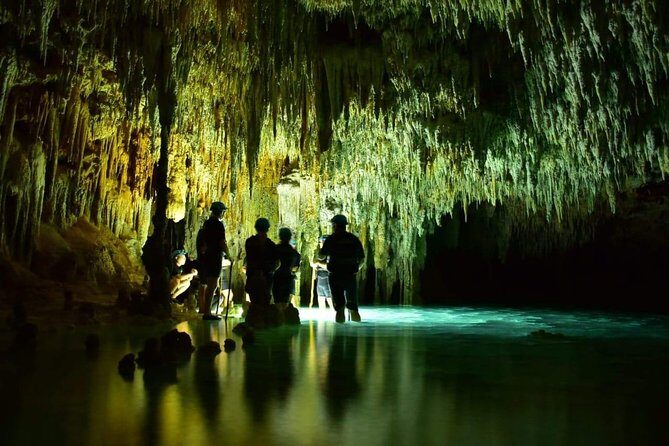
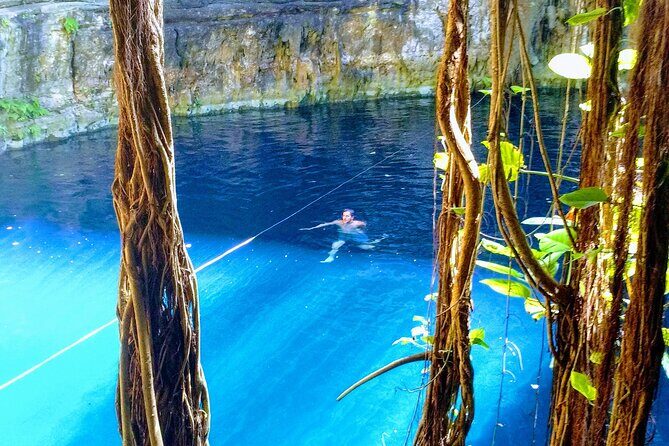
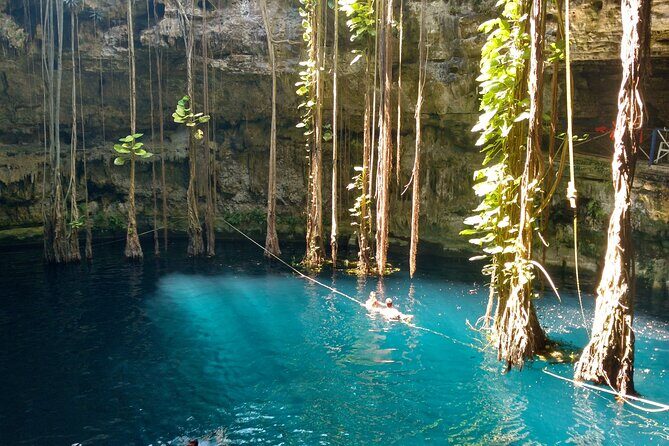
After lunch later, you’ll head to Ek Balam. But first you get the reset most people crave: Cenote San Lorenzo Oxman. Entry is included, and this stop is described as remote and open, with time for a refreshing dip.
You get options:
- take a rope swing jump if you want the thrill
- or relax and enjoy a slower moment in the water
This is also a good break from ruins—your brain and legs cool off at the same time.
What to watch for in the cenote
A prior experience at this cenote style can be a little uneven. One helpful caution I’d give you is to treat the water entry and footing as potentially slippery. When a cenote has one main entry spot and shares space with rope-swing activity, it can get crowded and chaotic at peak moments.
So, I’d plan smart:
- bring footwear with grip if you’re the type who dislikes slippery steps
- keep your hands free while entering and moving around
- if you use a life vest, make sure it fits you properly (don’t just grab the first one)
None of this ruins the fun. It just helps you have a smoother, safer swim day.
How long you’ll be there
The cenote portion is part of a full-day flow, and it sits between driving and lunch. The exact minutes aren’t listed for the cenote stop, but you’ll have enough time for swimming and a proper break before the next leg.
Lunch between ruins: what’s included and what to budget
Lunch is included, and the tour notes that drinks are not included. That’s common, but it’s worth flagging because cenote-and-heat days make water consumption rise fast.
You’ll be offered purified water on the trip, and you’re encouraged to refill your bottle with that water. That’s an easy way to keep the day comfortable without constantly buying drinks.
If you’re trying to control costs, this is also where you can plan ahead:
- pack or buy what you need for water
- skip extra drink upgrades unless you truly want them
The lunch itself is positioned as a satisfying recovery meal after Chichén Itzá and before the drive to Ek Balam. One practical perk: after the swim and sun, food tastes better, and you get to reset energy levels before another multi-hour archaeological visit.
Ek Balam: climbing ruins and the Ukit Kan Le’k Tok façade
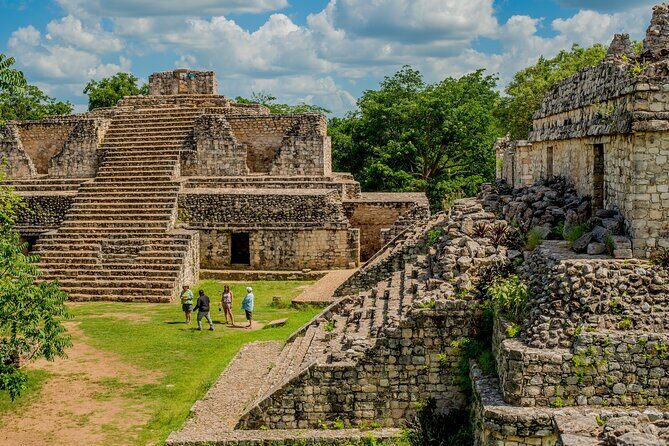
Ek Balam is a big contrast to Chichén Itzá. Chichén is famous, monumental, and highly touristed; Ek Balam feels more “in the jungle,” and it’s also a site you can still climb. That alone changes your perspective. You’re not just viewing from ground level—you’re moving through the space in a way that brings the ruins closer.
After lunch and the cenote, you’ll drive about 30 minutes to Ek Balam. The guided portion runs about 3 hours total, including the site visit with a professional certified guide. Ek Balam admission is not included, and for foreigners it’s listed as MX$709 per person.
The stucco façade and why it’s a big deal
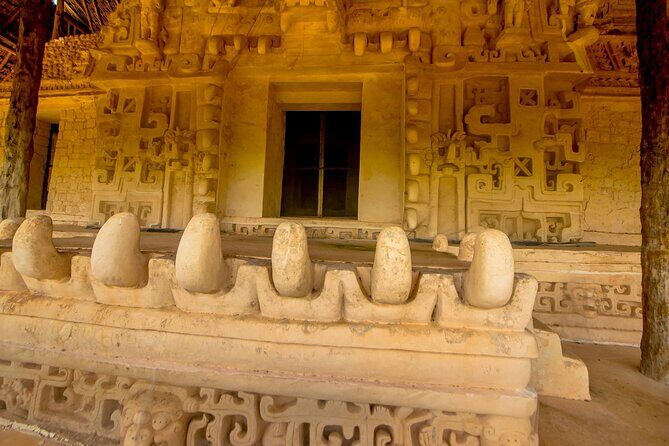
One of the most compelling things about Ek Balam on this tour is the specific focus on a recently highlighted element: the 80% intact stucco façade of the mausoleum of Ukit Kan Le’k Tok. The guide explains it as the work tied to the most important Maya ruler at Ek Balam, with more than 7,000 pieces of offerings dating back to the 8th century.
That kind of detail matters because it gives you a reason to care about what you’re seeing—especially at sites that can feel “less famous” at first glance. Ek Balam isn’t trying to be Chichén Itzá. It’s its own story, and the façade work makes that story feel more human and more specific.
Crowd feel and pacing
Ek Balam tends to feel quieter than Chichén Itzá, and this route takes you there after a full mid-day reset. The result is usually a more relaxed walk, with time to stop, look up, and listen without constant jostling.
As always, climb only where it’s allowed and safe. If you’re not steady on your feet, you can still enjoy the explanations and take your time on flat viewing areas. The guide’s route planning helps you get the best visuals without unnecessary sprinting.
Guides, group size, and why the day feels worth it
This is a small-group tour capped at 14 travelers, and that size is part of what makes the experience feel smoother. In a group that small, a guide can actually answer questions and adjust the pace. Based on prior experience with this kind of day, guides like José and Gilberto tend to focus on cultural context rather than reciting a script.
Here are the guide-led strengths I’d expect you to benefit from:
- Early-entry navigation so you start with the best light and temperature
- Specific structure explanations (not just “this is important”)
- A sense of humor and good rapport that keeps the long day from feeling heavy
- Attention to group needs—like checking back in, keeping water available, and managing timing
How it stacks up to the price
The tour fee is $198 per person for a day that includes:
- hotel pickup in Valladolid
- air-conditioned transport
- guided time at Chichén Itzá and Ek Balam
- Cenote entry
- Lunch (with drinks not included)
On paper, it looks premium. In real terms, the value depends on whether you’ll appreciate guided storytelling and the early timing. If you’re the type who wants to see the sites but also understand what you’re looking at, this price structure makes sense—because the tour is doing the hard work for you (timing, route, and guide interpretation), not just dropping you at a gate.
If you’re price-only focused and you’re fine self-guiding, you might find cheaper options. But you’d give up early-entry timing and the guided explanation that turns ruins into something you can actually follow.
Who should book this Chichén Itzá–cenote–Ek Balam day?
This tour fits best if you:
- want to see all three highlights in one day from Valladolid
- like having a certified guide explain what matters at each site
- prefer early schedules to dodge heat and crowd surges
- don’t mind paying extra for foreign admission tickets
It may not be ideal if you:
- hate vendor distractions at Chichén Itzá (they’re present inside the site area)
- want a super-relaxed day with lots of downtime (this itinerary is full and structured)
- get uncomfortable with stairs or uneven ground when climbing at Ek Balam
If you’re traveling solo, as a couple, or with friends, the small group size is a plus. If you’re a family, most people can participate (the tour states most travelers can participate), but the long day and cenote activity are factors you should consider.
Should you book this tour? My practical verdict
I’d book it if you want one strong day that hits Chichén Itzá, a cenote swim, and Ek Balam without the stress of coordinating it all yourself. The early arrival at Chichén Itzá is a real quality-of-life upgrade, and the guide-led explanations at both ruins are the reason this feels more than a sightseeing checklist.
I’d think twice if you’re sensitive to crowds, especially at the first site. Also, factor in that both Chichén Itzá and Ek Balam admission are separate, plus lunch drinks aren’t included. Even so, if you go in with the right expectation—guided, early, active day—it’s a solid value.
If you book, do these three things:
- bring swimwear and a plan for slippery cenote entry
- pack sunscreen, hat, and a refillable bottle
- budget for the additional site tickets so there are no surprise math moments
FAQ
Is pickup available from places outside Valladolid?
No. Pickup is offered only for accommodations in Valladolid. The tour does not pick up from other cities like Cancún, Playa del Carmen, or Tulum.
What time does the tour start?
Pickup runs between 7:00 a.m. and 7:20 a.m., and the tour start time is listed as 7:15 a.m. You’ll return at about 5:30 p.m.
Does the price include entrance fees?
Cenote entry is included. Chichén Itzá admission and Ek Balam admission are not included and must be paid separately (foreign and Mexico resident ticket prices are provided).
What’s included for lunch?
Lunch is included, but drinks are not included. Purified water is available to refill your bottle.
Is the Chichén Itzá visit guided?
Yes. You’ll get a guided visit at Chichén Itzá with a professional certified guide, about 1 hour 30 minutes, plus additional time for independent exploring and photos.
Can I climb at Ek Balam?
Yes. Ek Balam is described as a site you can still climb, and you’ll be taken there with a guided visit.
How big is the group?
The tour has a maximum of 14 travelers, which keeps the day from feeling overly crowded.
What should I know about the cenote?
The cenote stop includes entry at Cenote San Lorenzo Oxman and includes time for a refreshing dip. You can choose to use a rope swing or just relax in the water.
Would you like me to also calculate a realistic all-in total in USD using the foreign ticket prices listed (and show a couple of quick scenarios depending on whether you’re paying in MXN at the gate)?