REVIEW · VALLADOLID
Valladolid Mayan Bees Tour with Lunch or breakfast and Honey Tasting
Book on Viator →Operated by Xkopek Parque Apícola · Bookable on Viator
Stingless bees, right in Valladolid. At Xkopek Beekeeping Park, you’ll head on a short walk that ends with a descent into a dry cenote, where local bees live in their natural habitat. It’s an easy, off-the-beaten-path experience that mixes nature, Mayan beekeeping, and a guided honey tasting.
I love the way the tour turns “bee facts” into a real setting: you’ll learn how plants in the area connect to honey production, then get up close at the meliponario where a guide can show you the inside of a hive and its structure. I also like that breakfast or lunch is included, so you don’t build your own food plan after the walk.
The main downside is physical effort plus bugs. Expect stairs going down into the cenote and jungle paths, and bring mosquito repellent plus closed shoes.
In This Review
- 5 key takeaways before you book
- Xkopek Parque Apícola in Valladolid: what this tour feels like
- Walking in first: your route to the dry cenote
- A quick safety note that’s worth understanding
- Inside the cenote: plants, bee habitats, and the stingless-bee lesson
- The jungle path to the meliponario (and why plant ID isn’t fluff)
- Why hive structure is so interesting here
- Honey tasting: what you’re sampling and how to enjoy it
- Lunch or breakfast at the park: included fuel that actually helps
- Lunch options
- Breakfast options
- Souvenirs, a photo moment, and taking the story home
- Who should take the Valladolid Mayan Bees tour
- Who might want to skip it
- Practical tips that make the day easier
- Weather and smooth-day expectations
- Should you book Xkopek’s Mayan Bees Tour with honey tasting?
- FAQ
- How long is the Valladolid Mayan Bees tour?
- Where does the tour start?
- Is the tour offered in English?
- How many people are in the group?
- Does the tour include breakfast or lunch?
- What are the lunch and breakfast choices?
- What will I see in the dry cenote?
- Are the bees stingless?
- Is there a honey tasting?
- What should I bring or wear?
5 key takeaways before you book
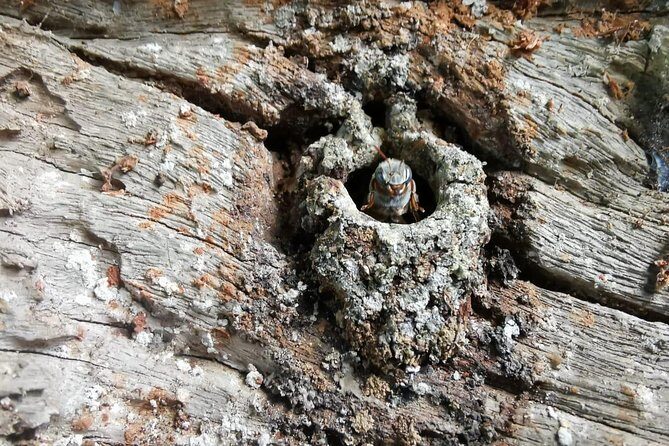
- Dry cenote descent: a short stairway drop to see bees and local plants in a natural setting.
- Stingless Mayan bees: the focus is on bees without stingers, plus a clear explanation of what that means for your safety.
- Jungle plant walk: you’ll identify plants tied to honey production instead of just watching from a distance.
- Hive-opening moment: you may be able to open a hive so you can observe the hive architecture up close.
- Food included: lunch or breakfast (with fruit water) means the experience runs smoothly end-to-end.
Xkopek Parque Apícola in Valladolid: what this tour feels like
This is a small-group tour (up to 10 people) run out of Xkopek Parque Apícola, just outside downtown Valladolid. The meeting point is right at the park area, on Calle 57 x 36 y 38, Supermanzana Tablaje Catastral 2581, San Juan, 97780 Valladolid, Yuc., Mexico, and the activity ends back at the same spot.
The experience runs about 1 hour 30 minutes and is offered in English. In the real world, that matters because you’re not spending half the tour waiting for translation or guessing what you’re looking at.
For me, the best part is the pacing. You’re not rushing through ruins or doing a “photo stop” style tour. You walk, you pause, you learn, and then you taste what you just learned about.
You can also read our reviews of more food & drink experiences in Valladolid


Walking in first: your route to the dry cenote
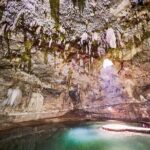
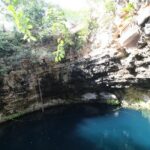
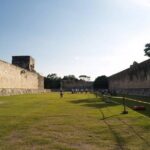
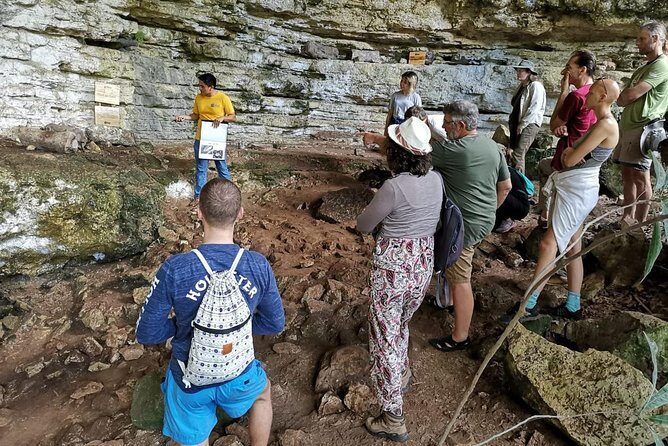
You start with a walking tour that leads to the descent point. The guide takes you toward a stairway where you’ll go down into a dry cenote, so you’ll feel the setting change from open air to a more enclosed, vault-like space.
On the way in, you’ll also pick up context about local plants—what they are and why they matter. This isn’t just “pretty vegetation.” It’s part of the story of where the bees find what they need.
Once you’re down in the cenote vault, you’ll see local bee varieties in the wild state. The tour also specifically notes that these Mayan bees do not sting because they don’t have stings. That’s a big reassurance if you’re curious but a little nervous around insects.
A quick safety note that’s worth understanding
“Bees don’t sting” is the headline. Still, the region can also include other bee types, and the tour operates in natural habitat. If you’re extremely sensitive to stings, keep expectations realistic and follow the guide’s instructions closely at every stop.
Inside the cenote: plants, bee habitats, and the stingless-bee lesson
The dry cenote is the moment that makes this tour feel different from a typical farm visit. You’re not only seeing hives in man-made boxes. You’re seeing the way bees live in the environment around you.
Expect a slow, guided sequence:
- observe local plants and their uses
- enter the cenote vault
- look for bee activity in the wild habitat described by the guide
This matters because it explains why Mayan beekeeping is tied to place. The bees aren’t an abstract concept. They’re living here, working here, and connecting to the ecosystem.
You’ll also learn the “stingless bees” concept in a practical way. If you’re wondering how bee behavior changes without stingers, this tour is set up to answer that during your time in the cenote.
The jungle path to the meliponario (and why plant ID isn’t fluff)
After the cenote, you walk along a path through the jungle area where you’ll identify key plants for honey production. This is one of those details that sounds small until you realize it’s the bridge between what the bees need and what ends up on your tasting tray.
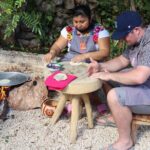
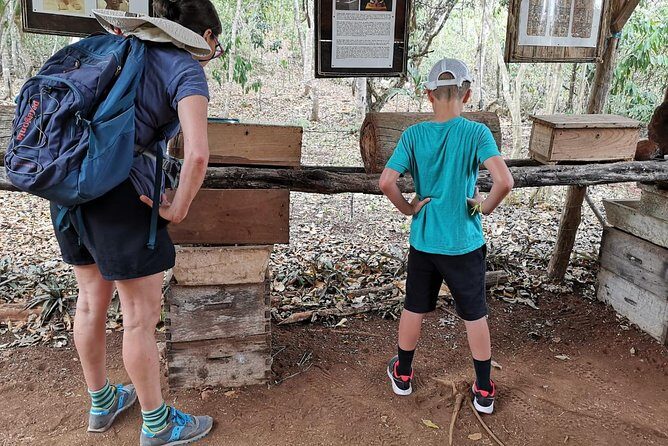
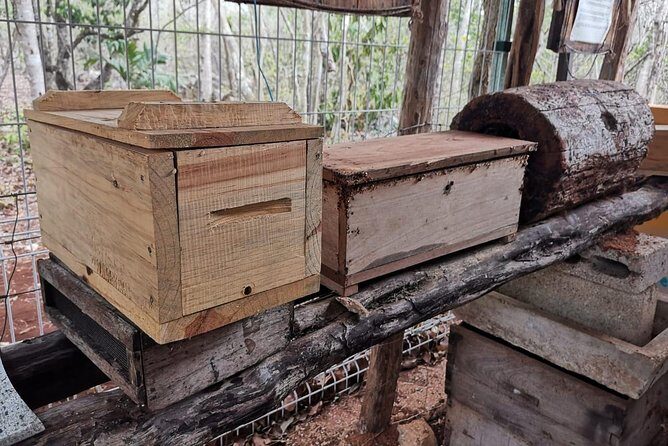
Then you arrive at the meliponario. That’s where the tour gets hands-on in a safe, guided way: you’ll hear about the process tied to honey harvesting, and you’ll also learn about other products made from the hive (and how they’re used).
The guide also discusses health properties of hive products, and you may even be invited to open a beehive so you can observe the architecture of the bees’ nest structure. It’s the kind of moment that makes everything you saw in the cenote click into place.
You can also read our reviews of more tours and experiences in Valladolid
Why hive structure is so interesting here
Stingless bees build in ways that look different from what most people imagine. When you can see the internal layout described by the guide, you stop thinking of bees as a single “type” of insect. You start seeing a system.
That’s also why this tour can work for both nature lovers and people who prefer culture over wildlife. The beekeeping tradition is part of the local life cycle, not an added attraction.
Honey tasting: what you’re sampling and how to enjoy it
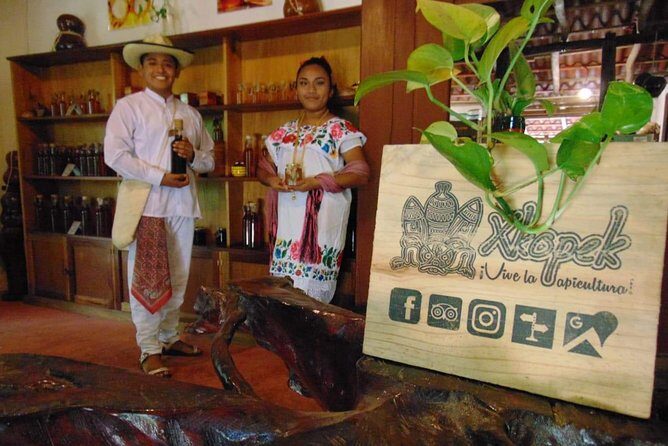
The honey tasting comes after the learning stops. You’ll sample honey and other products from the hive, and you’ll likely notice that the flavors aren’t all identical.
This is where I’d tell you to slow down. Don’t treat it like a quick sip. Pay attention to aroma and texture, and compare what you taste to what you learned about bee habitat and hive products.
The tour is framed around Mayan beekeeping, so the tasting is more than food. It’s the practical payoff of the plant identification, the meliponario talk, and the hive-opening moment.
If you like food souvenirs that also connect to a story, you’ll probably want to visit the small store at the end. More on that next.
Lunch or breakfast at the park: included fuel that actually helps
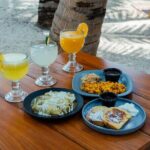
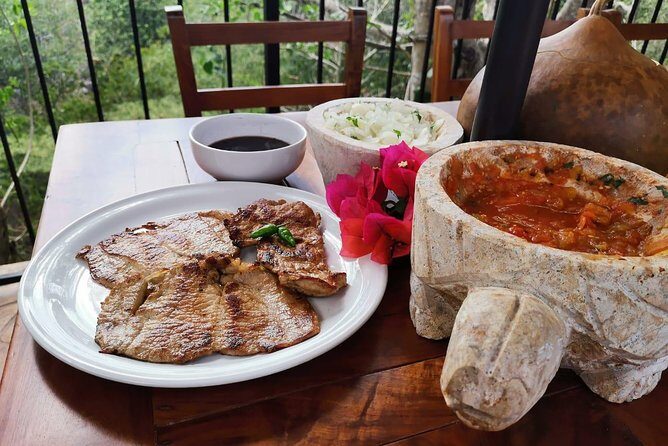
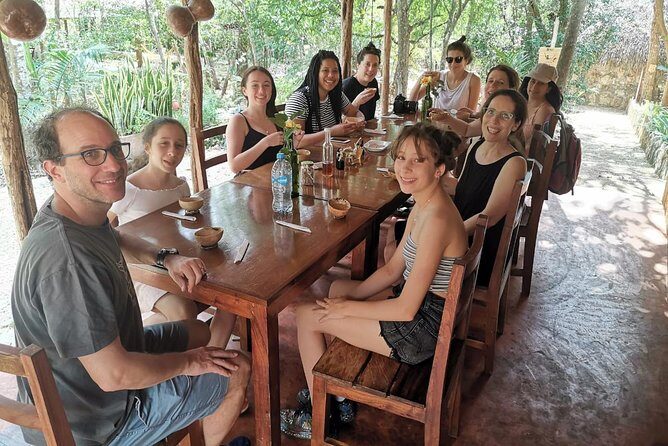
One of the most practical parts of the tour is that food is included. You choose the package option at booking, and the tour provides either lunch or breakfast, plus fruit water of the day.
Lunch options
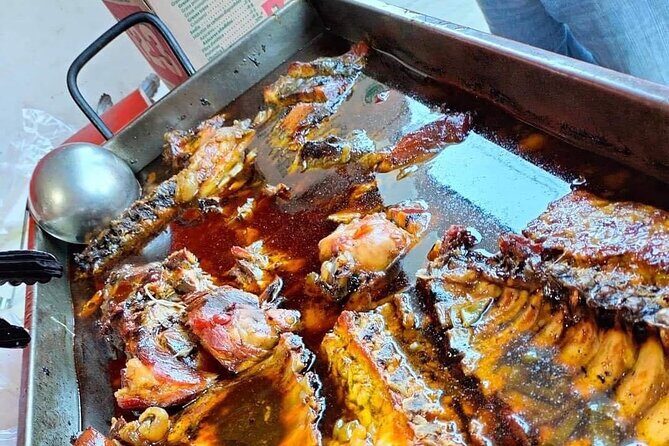
- Traditional poc chuc (pork or chicken)
- Empanadas
Breakfast options
- Quesadillas
- Scrambled eggs or omelet
- An option with up to two ingredients
- Fruit water of the day
In my book, included meals matter because they remove planning stress. After a walk through a cenote and jungle paths, you don’t want to time your day around a restaurant hunt.
Also, the park restaurant/washroom area is described as clean and well kept, which is exactly what you want after outdoor time.
Souvenirs, a photo moment, and taking the story home
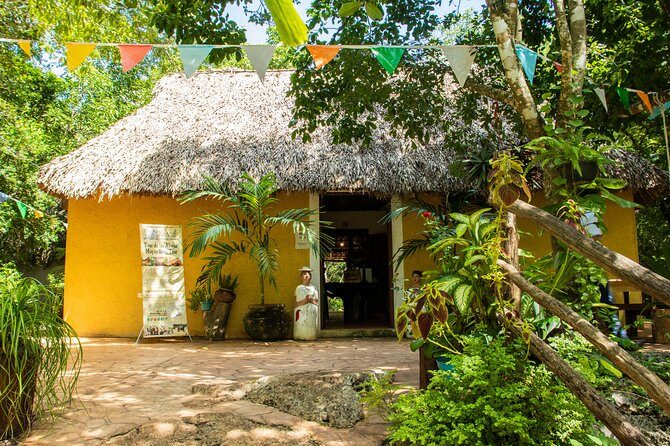
At the end, you’ll visit the park’s small store of honey and souvenirs. If you’re buying something edible, this is the logical place: you just learned what you’re getting.
The tour also includes a souvenir photo at the end of the experience. It’s small, but it helps capture the “this is what we did in Valladolid” memory—especially if you’re bouncing between cenotes, ruins, and day trips.
Who should take the Valladolid Mayan Bees tour
This tour is a good fit if you want something different from the usual Valladolid routine. It’s a solid choice for:
- families (the experience is designed to be accessible and not overly long)
- couples who like nature and food
- people who enjoy learning how local ecosystems work
- anyone curious about Mayan beekeeping and stingless bees
Who might want to skip it
Avoid booking if you’re allergic to bees, since the tour specifically asks for visitors who are not allergic. Also, plan for moderate physical fitness. The walk plus steps down into the dry cenote are part of the experience, not an optional add-on.
If you’re very worried about insects or you hate being outside around wildlife, you might find the cenote and jungle portions stressful even with the stingless-bee reassurance. In that case, ask yourself honestly if the learning is worth the bug factor.
Practical tips that make the day easier
Here’s how to show up ready:
- Wear comfortable shoes and closed footwear. You’ll be walking, and the descent involves stairs.
- Bring organic mosquito repellent. The park setting means mosquitos can be a real factor, so treat repellent like a must-have, not a suggestion.
- Use long sleeves and long pants if you’re the type who gets bitten easily (this is the most common fix I’d recommend for outdoor cenote days).
- Bring your patience for a short-but-real nature walk. This isn’t a quick drive-by attraction.
On the timing side, the full experience is about 1.5 hours, so it fits neatly into a morning or afternoon plan without swallowing your whole day.
Weather and smooth-day expectations
This experience requires good weather. If it’s canceled for poor weather, you’ll be offered a different date or a full refund.
That matters if you’re building a tight itinerary around Valladolid cenotes and tours. I’d keep one flexible block in your schedule for nature-based activities like this, so you’re not forced into last-minute shuffling.
Should you book Xkopek’s Mayan Bees Tour with honey tasting?
Yes, if you want a hands-on, place-based experience in Valladolid that’s not just sightseeing. The combination of dry cenote habitat, a jungle plant walkthrough, hive-opening structure, and an included honey tasting makes it feel like more than a one-trick stop.
I’d book it especially if you like learning through doing: you see the bees in their environment, you hear how honey production works, and then you taste hive products right after.
Skip it if you’re allergic to bees or if moderate walking and cenote stairs don’t work for you. And if mosquitos are a trigger for you, pack repellent and dress accordingly.
If you’re balancing culture, food, and ecology in one compact outing, this tour has a lot going for it.
FAQ
How long is the Valladolid Mayan Bees tour?
It lasts about 1 hour 30 minutes.
Where does the tour start?
The start is at Xkopek Beekeeping Park, Calle 57 x 36 y 38, Supermanzana Tablaje Catastral 2581, San Juan, 97780 Valladolid, Yuc., Mexico.
Is the tour offered in English?
Yes. The experience is offered in English.
How many people are in the group?
There is a maximum of 10 travelers.
Does the tour include breakfast or lunch?
Yes. Breakfast or lunch is included, depending on the option you book.
What are the lunch and breakfast choices?
Lunch options are Traditional poc chuc (pork or chicken) or empanadas. Breakfast options include quesadillas, scrambled eggs, omelet, or a breakfast option with up to two ingredients, plus fruit water of the day.
What will I see in the dry cenote?
You’ll see a descent with local plants and then enter the cenote vault to see local bee varieties in the wild state.
Are the bees stingless?
The tour states that the Mayan bees do not sting because they do not have stings.
Is there a honey tasting?
Yes. You’ll have a honey tasting of honey and other hive products.
What should I bring or wear?
Wear comfortable, closed shoes and use organic mosquito repellent.