REVIEW · TULUM
Private Kiteboarding Lesson in Tulum
Book on Viator →Operated by Mexican Caribbean Kitesurf · Bookable on Viator
Kitesurfing gets way easier when taught right. In Tulum, this private lesson focuses on the parts that actually keep you safe and moving—especially wind window theory and self-rescue skills. The one drawback: it depends on solid weather and wind, so the exact flow of your session can shift.
I love how personal this coaching feels. You’re not stuck with a one-size-fits-all class. Instruction is led by IKO-certified instructors, and guides like Mauricio and Roma are known for adjusting their approach for both total beginners and riders chasing specific goals like strapless tricks or winging.
You should also be ready to work physically on the sand and in the water. This is best if you have moderate physical fitness and no back or serious medical issues.
In This Review
- Key Points to Know Before You Go
- Why a Private Kiteboarding Lesson Works in Tulum
- Where You Meet and How the 3-Hour Rhythm Works
- Kite and Wind Theory on the Sand: the Real Safety Stuff
- In the Water: Body Drag Upwind and Power Strokes
- Waterstart With Assistance, Then Solo
- Riding Downwind, Upwind, and Transitions
- The Lesson Includes Gear, But You Still Need to Bring a Learning Mindset
- Price and Value: What $270 Buys You in Real Terms
- What to Know About the Instructors and How They Adjust
- Who This Kiteboarding Lesson Fits Best (and Who Should Skip It)
- Weather and Wind: Plan for a Real-World Day on the Water
- Should You Book This Private Kiteboarding Lesson in Tulum?
- FAQ
- How long is the private kiteboarding lesson in Tulum?
- Where do we meet, and where does the activity end?
- Is this a private tour, and is it taught in English?
- What’s included in the price?
- What is not included?
- What happens if weather conditions are not favorable?
- Is there a minimum age or health limits?
Key Points to Know Before You Go
- Wind window + kite control basics first, so you’re not guessing once you hit the water
- Bar and safety systems explained with self-rescue practice before riding
- Body drag upwind and power strokes to build control before waterstarts
- Assisted waterstart, then solo practice, plus downwind, upwind, and transitions
- Paddleboarding boards, bathrooms, showers, and Wi‑Fi included for an easier day on the beach
- Private, IKO-certified English instruction tailored to your group’s level
Why a Private Kiteboarding Lesson Works in Tulum
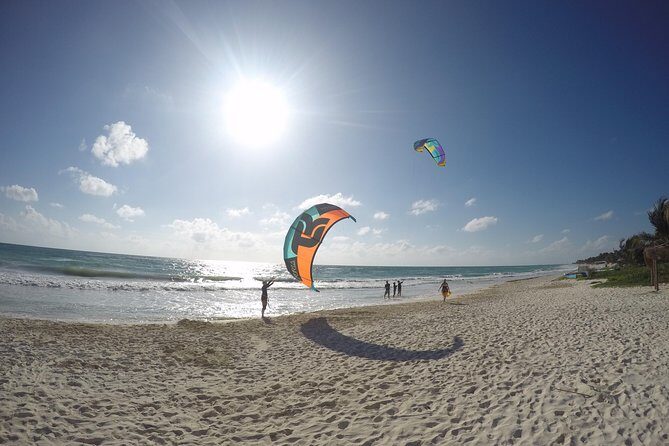
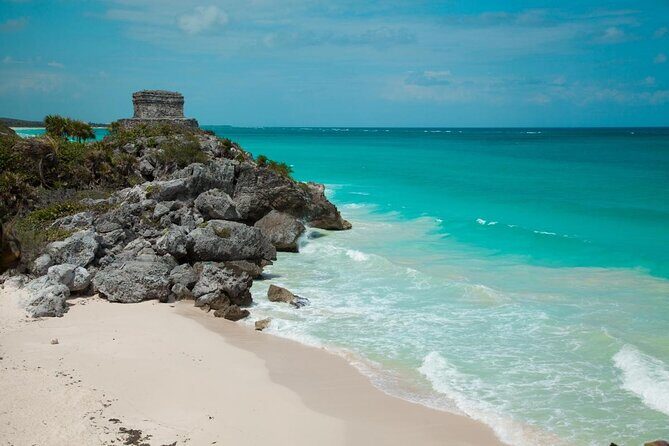
Tulum is great for kiteboarding because you get a real beach setting to learn the mechanics. But mechanics are the whole game. If you skip the basics, you end up with a kite that feels random and a body that feels stressed.
This lesson is private, which matters more than you might think. You get one focused coach team working through your specific level, your pace, and what you want to achieve. That can mean spending a little extra time on kite control, or moving faster if you pick things up quickly.
The payoff is confidence. By the time you’re in the water, you’ve already learned what to do when the kite behaves badly, what the bar is doing, and how self-rescue works. That reduces panic and turns the lesson into skill-building instead of damage control.
You can also read our reviews of more private tours in Tulum


Where You Meet and How the 3-Hour Rhythm Works
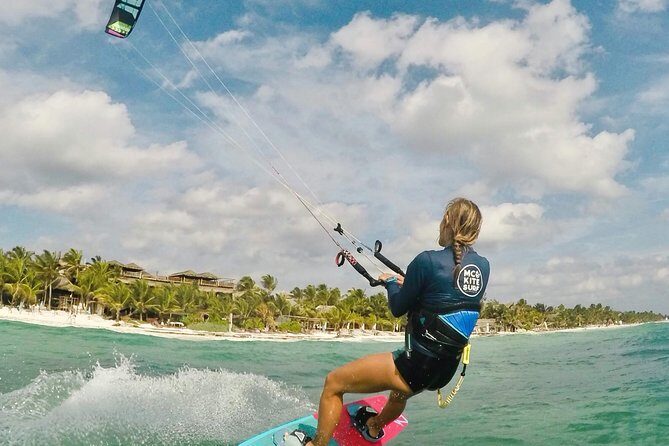
You meet at Ahau Tulum (Carr. Tulum a Boca Paila Km. 7.5, Zona Costera, Tulum Beach, 77760, Q.R., Mexico). The activity starts there and ends back at the meeting point.
The whole experience runs about 3 hours. In that time, you’ll switch between land practice and water practice, and you’ll likely do multiple attempts at key skills rather than one long try. If you’re thinking, I want to learn fast, this pacing is good because it keeps you progressing without frying your brain.
One practical note: you’ll want to treat this like a real lesson, not a casual beach hang. You’ll get more out of it if you’re ready to listen, ask questions, and repeat the steps when your instructor says to.
Kite and Wind Theory on the Sand: the Real Safety Stuff
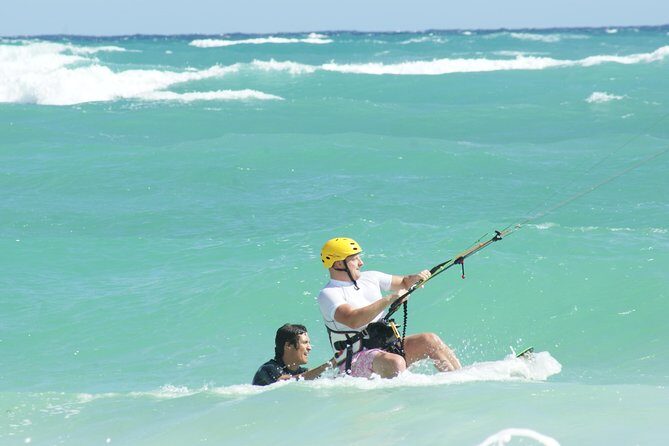
Before you go anywhere near water, you start on the beach with what I call the thinking part of kiteboarding. It’s not math-heavy. It’s just control and cause-and-effect.
Here’s the flow you can expect on land:
1. Kite & wind theory
You’ll learn how wind direction and kite position work together. The big idea is the wind window—where the kite needs to be to generate power without yanking you around. If you’ve ever wondered why the kite feels smooth in one spot and wild in another, this is where it clicks.
2. Set up the kite & lines
This is huge for independence. Instead of watching someone else assemble your gear, you learn the basics of getting the setup right. Even if you don’t fully own the process after one session, you’ll know enough to understand what you’re looking at.
3. Inner workings of the bar & safety systems
You’ll go through what the bar does and how safety features are supposed to help you. It’s not glamorous, but it’s the difference between feeling prepared and feeling surprised.
4. Self-rescue technique
This is where experienced instruction matters. You’ll practice the method so you have a plan if you end up in trouble. It’s also a confidence builder, because you know what to do next instead of freezing.
5. Kite control
You finish the beach portion with real kite-handling practice. The goal is simple: learn to manage the kite so your first water time isn’t a jump into chaos.
If you’re a complete beginner, this sand time can feel like a slow start. But it’s one of the best uses of your 3 hours. You’re building the foundation that controls everything afterward.
In the Water: Body Drag Upwind and Power Strokes
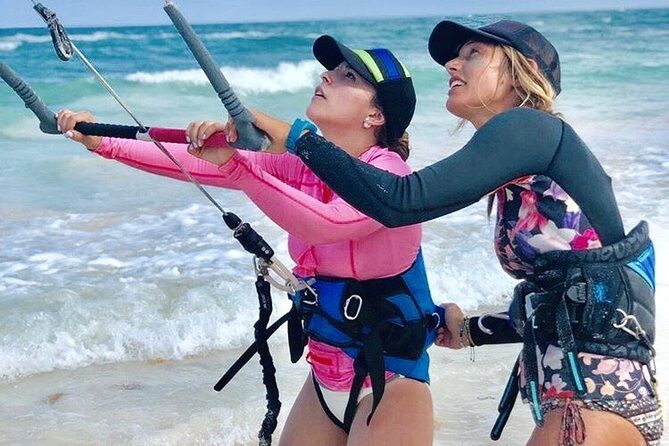
Now you earn your first real movement. The water section is all about building kite control while your body adapts to being pulled.
Body drag upwind comes first. Upwind work teaches you how to manage tension and direction without immediately trying to stand. It’s the training-wheels stage, but it’s not just for kids. Even experienced riders do better when they understand how to keep the kite working while they learn their line control.
Then you move into power strokes. This is where the kite becomes a tool instead of a threat. You practice how power changes with kite position, so you can use the kite to help your body move where you want to go.
The biggest value of this phase is friction reduction. If you learn to control the kite while you’re still just dragging, you’ll stand up with better timing. That means less falling, fewer reset cycles, and more actual riding.
Waterstart With Assistance, Then Solo
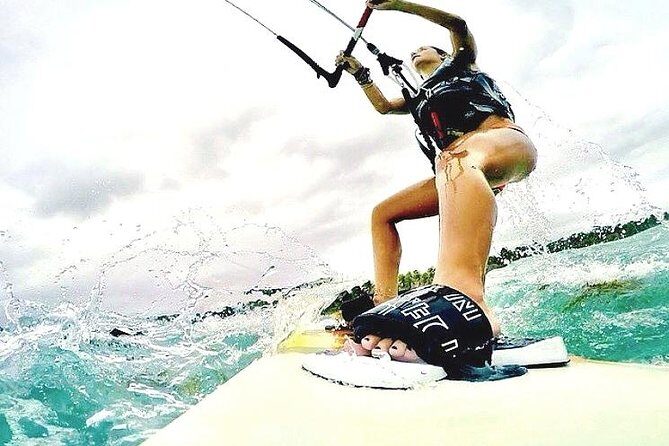
Standing on a board is usually the moment people either feel thrilled or feel overwhelmed. This lesson tries to keep that from turning into frustration by splitting the waterstart into stages.
You’ll do:
- Waterstart with assistance
Your instructor helps you through the timing and body position. This is smart because your first successful waterstart is easier when someone is adjusting the moment you stand, not just telling you to try again.
- Waterstart solo
Then you repeat on your own. The point isn’t perfection. The point is to learn the steps well enough that your future attempts rely on skill rather than luck.
A private setup shines here. If one side of your body feels weaker or your timing struggles, your instructor can focus on that exact issue instead of pacing the class for everyone.
You can also read our reviews of more tours and experiences in Tulum

Riding Downwind, Upwind, and Transitions
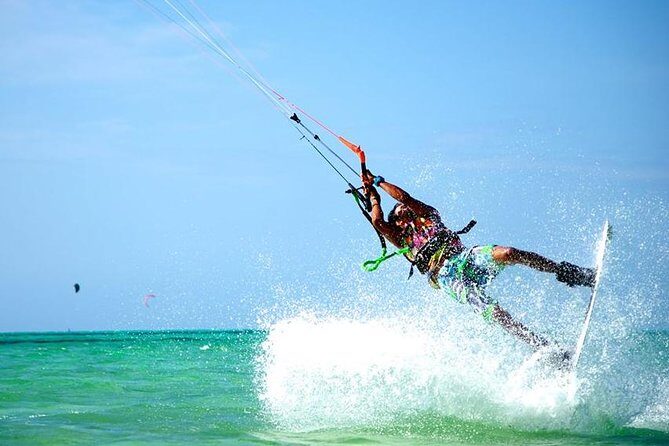
Once you start moving on the board, the lesson shifts from survival to riding fundamentals.
You’ll work on:
- Ride downwind
Downwind riding helps you get comfortable with speed and direction. It’s also a chance to feel the kite power while you’re already strapped in and stable.
- Ride upwind
Upwind riding is where control becomes real. It’s not just about steering. It’s about managing angles and kite position so you don’t get blown backward.
- Transitions
Transitions are where skill meets coordination. Even if you’re not doing fancy maneuvers yet, transitions train your body to switch states smoothly—vital for progressing later.
This sequence is valuable because it moves you through the whole logic of kitesurfing: power, direction, then controlled changes. If you only ride downwind, you miss the hard part. If you jump straight to upwind, you skip the learning curve. This plan tries to give you the right order.
The Lesson Includes Gear, But You Still Need to Bring a Learning Mindset
The experience includes kiteboarding gear and an IKO-certified instructor. It also includes practical comforts: you can use bathrooms and showers, and there’s Wi‑Fi available.
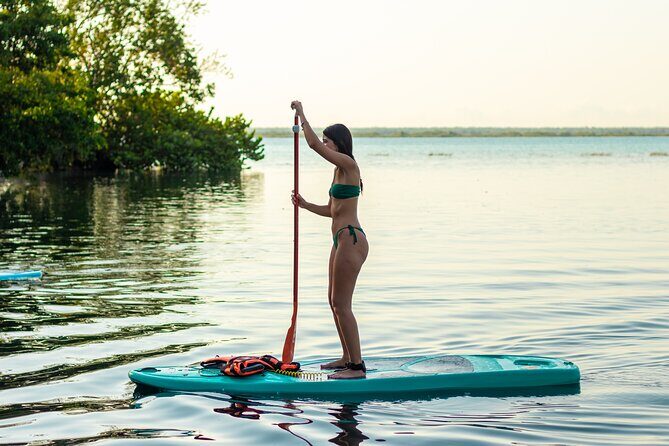
Also included: paddleboarding boards. That’s a nice extra if wind is tricky or you want a lighter activity in the downtime.
What’s not included is transportation, food, and drinks. In plain terms: plan your day around the lesson time, and keep your energy up with water and a snack plan before you arrive.
And bring the right attitude. This isn’t just about learning to fly a kite. It’s about building muscle memory and safety habits. If you’re impatient, you’ll feel slow. If you’re curious, you’ll feel progress fast.
Price and Value: What $270 Buys You in Real Terms
At $270 per person for about 3 hours, you’re paying for a private coaching setup with IKO-certified instruction and provided equipment. That can sound like a lot until you translate it into what you’re actually getting: direct feedback, quicker corrections, and a lesson plan tuned to your group instead of a general class.
You also get a full training arc, not a quick sampler:
- theory and setup
- bar safety systems
- self-rescue
- kite control
- water body drag and power strokes
- waterstarts (assisted and solo)
- riding downwind and upwind
- transitions
In a group format, you might only get a fraction of that attention. Here, your instructor can focus on the moments you stall, the technique that doesn’t click, and the goals you want to push.
Is it worth it? If you want faster progress or you’re learning with specific intentions—like you want to handle winging or strapless work eventually—private time is where the value shows. If you’re only curious and want a quick taste with minimal instruction, you might prefer a shorter or shared option. But if your aim is real skill, this price is in the zone.
What to Know About the Instructors and How They Adjust
One reason this experience earns strong praise is how adaptable the coaching can be. Guides such as Mauricio and Roma are described as friendly and personable, but the real win is instruction that changes with you.
That can mean:
- working on your preferred goals if you’re already comfortable in the basics
- giving extra structure if you’re new
- adjusting the schedule when wind isn’t cooperating
In kiteboarding, wind is king. When conditions are unstable, a good instructor doesn’t just wait and shrug. They pivot so you still get learning time. That’s exactly the kind of professionalism you want when you’re paying for private instruction.
Who This Kiteboarding Lesson Fits Best (and Who Should Skip It)
This lesson is suitable for all skill levels, which is great if you’re traveling with mixed experience. It’s also private, so your group is the group.
It’s best if:
- you can handle sand work and in-water practice
- you have moderate physical fitness
- you want real instruction, not just a guided ride
It’s not recommended if you have back problems or serious medical conditions. And the minimum age is 10, so younger kids aren’t the right fit for this particular format.
Weather and Wind: Plan for a Real-World Day on the Water
This is one of those activities where the weather isn’t just a detail. The session is subject to favorable weather conditions.
If wind is poor, you may need adjustments. The good part is that the instructors know how to keep the lesson moving when conditions aren’t perfect. Still, you should mentally frame the day as learning that depends on wind, not a guaranteed riding streak.
If conditions cancel your session due to poor weather, you’ll be offered an alternative date or a full refund. For planning, I treat that as a sign this activity takes safety seriously.
Should You Book This Private Kiteboarding Lesson in Tulum?
If you want to learn kiteboarding with real structure, this is an excellent choice. The lesson covers the full path from wind theory and safety to waterstart practice and actual riding direction (downwind and upwind). You’ll also appreciate having gear provided and support from IKO-certified instructors who can tailor the session to what you want.
Book it if:
- you’re serious about progressing and want a private coach
- you value safety training like self-rescue and bar systems
- you’re comfortable doing a hands-on physical lesson for about 3 hours
Skip it if:
- you know you won’t handle the physical effort in sand and water
- you have back issues or a serious medical condition
- you’re hoping for a guaranteed ride regardless of wind
FAQ
How long is the private kiteboarding lesson in Tulum?
It lasts about 3 hours.
Where do we meet, and where does the activity end?
You start at Ahau Tulum, Carr. Tulum a Boca Paila Km. 7.5 Zona Costera, Tulum Beach, 77760 Tulum, Q.R., Mexico. The activity ends back at the meeting point.
Is this a private tour, and is it taught in English?
Yes, it’s private, meaning only your group participates. Instruction is offered in English.
What’s included in the price?
The price includes an IKO-certified instructor, kiteboarding gear, bathroom and shower access, Wi‑Fi use, and use of paddleboarding boards.
What is not included?
Transportation, food, and drinks are not included.
What happens if weather conditions are not favorable?
The experience is subject to favorable weather. If it’s canceled due to poor weather, you’ll be offered an alternative date or a full refund.
Is there a minimum age or health limits?
The minimum age is 10. It’s not recommended for participants with back problems or serious medical conditions.

More Workshops & Classes in Tulum



More Private Tours in Tulum


More Tour Reviews in Tulum
- Selva Maya Eco Adventure Park: Ziplining, Hanging Bridges, Rappelling and Cenote
★ 5.0 · 1,057 reviews