REVIEW · PLAYA DEL CARMEN
PDC Traditional Mexican Cooking Experience
Book on Viator →Operated by PDC Panchitoo.com · Bookable on Viator
Mexican cooking with real regional depth. This half-day class in Playa del Carmen is built to show how Mexico’s cuisines shift by region, not just by recipe names. You start with a quick grounding in Mexican flavors, then roll up your sleeves for several dishes cooked the traditional way, using corn and chilies as the backbone.
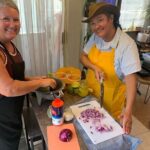
I especially like the small group size (up to 12). With host Francisco and his team, you get explanations that actually connect the food to culture, and you’re not stuck watching someone else do all the work.
The main thing to consider is that the experience includes traditional dishes, but you may also face optional surcharges for upgrades like red snapper or lobster, depending on what you choose for your main.
In This Review
- Key highlights worth your time
- Where you start: Town Hall Plaza and a morning that actually moves
- The culture lesson that makes the food make sense
- Aguas frescas and antojitos: the appetizer phase that teaches technique
- The mains: how the class handles traditional dishes (and why it’s worth your money)
- Seafood molcajete and the upgrade choice
- Side dishes and tasting time: the meal you actually sit down for
- Drinks and pairing: aguas frescas now, wine possible with dinner
- Teamwork in the kitchen: why the helpers matter
- What you’re learning (beyond the dishes)
- Value and who this is best for
- Quick booking checklist before you go
- Should you book this cooking class?
- FAQ
- How long is the PDC Traditional Mexican Cooking Experience?
- Where do I meet for the class?
- What time does it start?
- Is the experience offered in English?
- What group size should I expect?
- What’s included in the price?
- Will I be cooking and eating, or just watching?
- Can I choose special seafood options?
- Is alcohol or wine included?
- What is the cancellation policy?
Key highlights worth your time
- Max 12 people, so the pace stays friendly and personal
- Francisco hosts in English with lots of food and culture context
- Aguas frescas + antojitos are part of the early hands-on portion
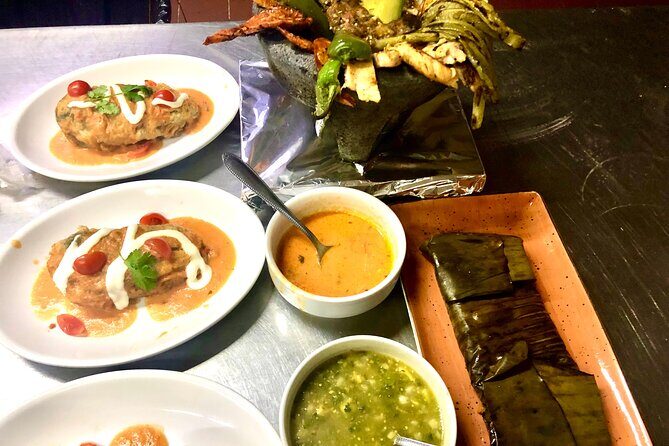
- Traditional regional mains vary, including chiles rellenos, pipian, mole, and seafood molcajetes
- Real kitchen setup with two assistants keeping you on track and hydrated
- You may be able to pack leftovers to take home
Where you start: Town Hall Plaza and a morning that actually moves
Your class runs about 3 hours 30 minutes, and it starts at 9:00 am. You’ll meet at Town Hall Plaza, Calle 8 Nte, Gonzalo Guerrero, 77710 Playa del Carmen. The activity ends back at the meeting point, so you’re not dealing with complicated drop-offs afterward.
This matters because cooking classes can drag when logistics get sloppy. Here, the structure is tight. You’re getting dropped into a kitchen flow right away: intro, prep, cooking, then tasting.
It’s also offered in English, which is a big deal for getting the “why” behind the flavors. When the host talks through ingredients and technique in plain language, you don’t just walk away with a memory of food. You walk away with something you can recreate.
You can also read our reviews of more cooking classes in Playa del Carmen
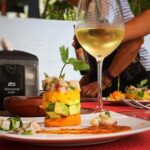
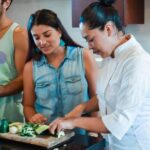
The culture lesson that makes the food make sense
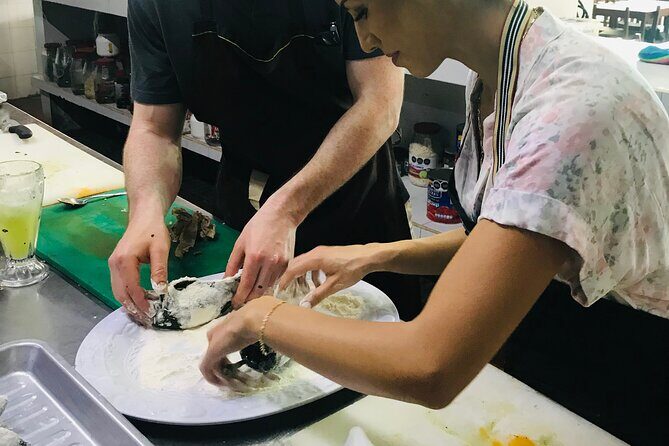
Before you cook, you get a short introduction to Mexican cuisine and how different regions develop distinct flavor identities. The class frames traditional Mexican food through two major influences: pre-hispanic roots and Spanish-era influences. That’s why you’ll see the idea of “fusion” show up early, especially in the antojitos portion.
They also connect the experience to a hospitality vibe summed up by the phrase mi casa es tu casa—you’re not treated like a ticket number. The best part is that this isn’t just a feel-good slogan. It shows up in how the team guides you while you cook, and how you taste at the end as part of the group.
From the feedback I gathered, the host Francisco explains things with clarity and confidence, not a script. And assistants (including Liliana and a helper named Lily, plus another assistant referenced as Francisco #2) help keep the kitchen rhythm from getting chaotic.
Aguas frescas and antojitos: the appetizer phase that teaches technique
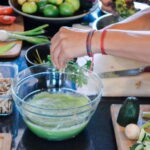
The early section is where you build momentum. You’ll prepare Aguas Frescas (hydrating drinks) and Antojitos Mexicanos, described as fusion-flavored food shaped by pre-hispanic and Spanish influences.
A big reason I like this start: it gets you tasting and prepping before the heavy cooking begins. You’ll learn how Mexican drinks and small plates work as part of the meal, not as an afterthought. Aguas frescas aren’t just “something to drink.” They’re a palate reset and a bridge between dishes.
For antojitos, the practical lesson is technique and texture—learning how flavors come together in portions that are meant to be shared. It’s also where you get a feel for the class’s ingredient philosophy: corn and different types of chili peppers play central roles.
Some versions may include learning about dishes like tamales. Since this can vary, don’t assume every menu will include the same item, but it’s a good sign that the class content can go beyond the usual beginner checklist.
The mains: how the class handles traditional dishes (and why it’s worth your money)
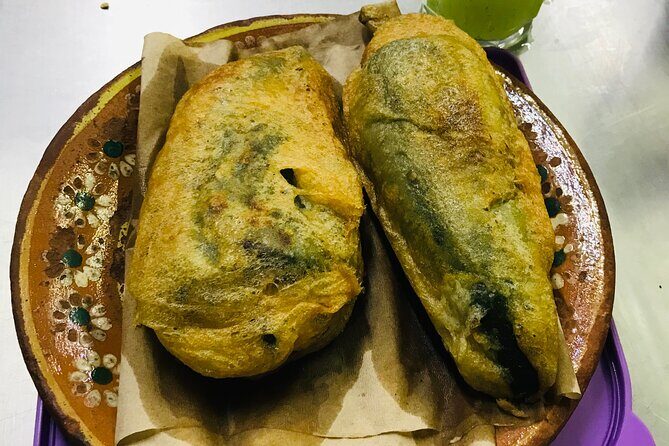
The main course is traditional Mexican cooking, but the exact dish can change. Based on what’s described for this experience, you could see options such as:
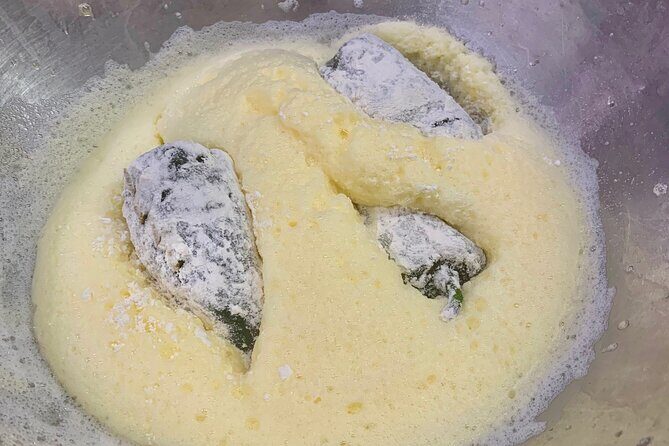
- Chiles Rellenos
- Pipian (a traditional sauce)
- Mole paste
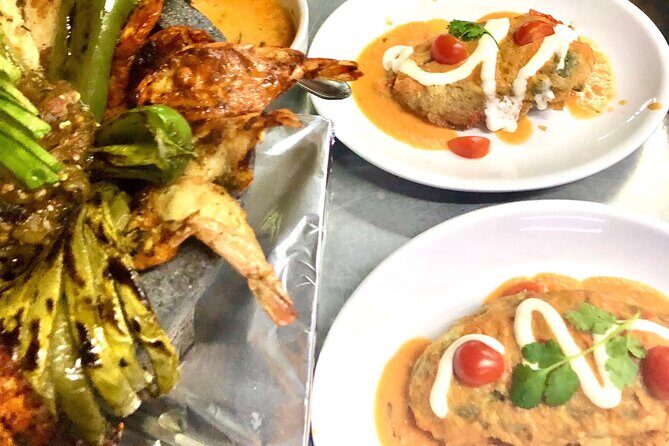
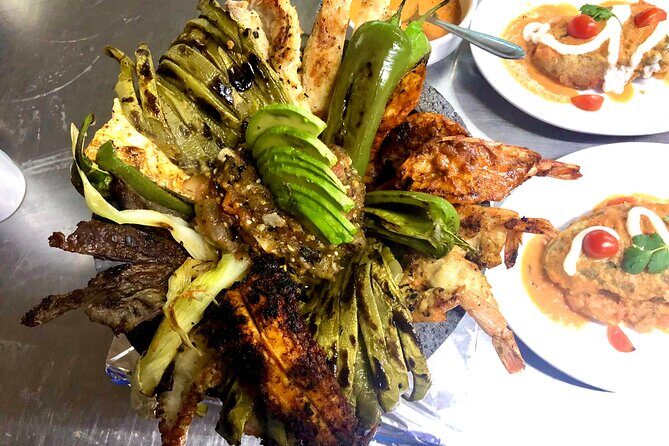
- For seafood lovers: Cielo y Mar y Tierra molcajete style preparations using octopus, shrimp, flank steak, and chicken
This is the part you’ll feel most in your hands. A proper Mexican sauce or stuffed chili is not the same as a quick shortcut. You’re learning what people actually cook at home—within the limits of a group class.
One thing I genuinely appreciate is the molcajete angle. A volcanic rock mortar is heavy, slow, and hands-on. It forces you to think about grinding and texture. Even if you’ve eaten molcajete-style food before, learning the rhythm of preparing it helps you understand why the flavors hit the way they do.
And because the class emphasizes regional identity, you’re not only learning one “Mexican dish.” You’re learning how Mexican cuisine can shift while staying recognizably Mexican.
Seafood molcajete and the upgrade choice
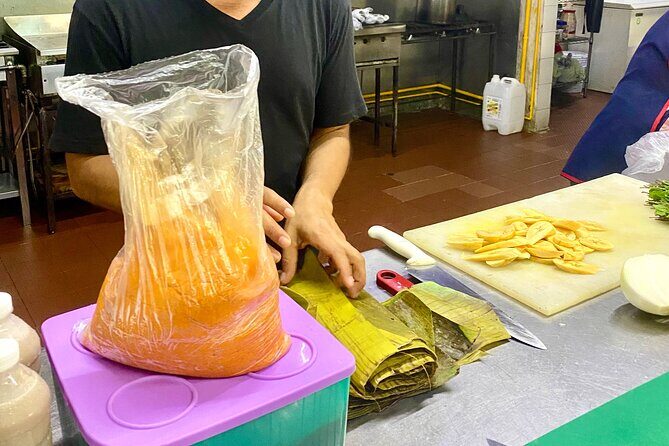
If seafood is your lane, this class has a clear offer for that. The “seafood lovers” option centers on a Mar y Tierra theme, paired with a molcajete-style approach. The described proteins include octopus and shrimp, with additional options that can include flank steak and chicken.
Here’s the practical consideration: there’s mention of an optional surcharge for red snapper or lobster depending on what you select. So before you book, decide whether you’re paying extra for a premium seafood ingredient or happy sticking with the standard proteins.
Either way, the key is that your main stays part of the traditional cooking style, not just a seafood plate with a few spices thrown on top.

Side dishes and tasting time: the meal you actually sit down for
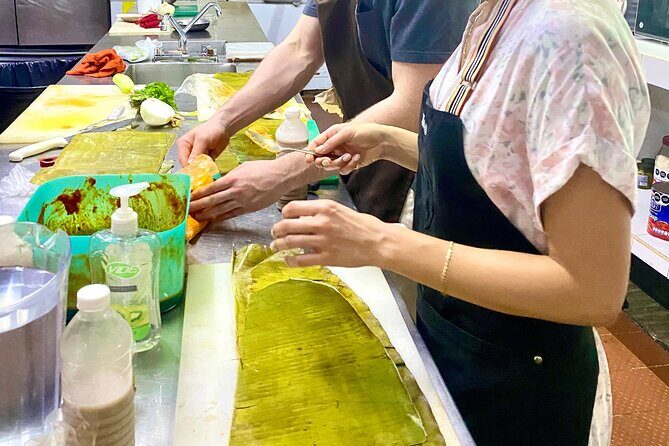
The class includes side dishes to go with the main course. You’re not just producing components and then leaving hungry. The structure is meant to end with you sitting down with your group and tasting the results.
That “taste together” part is one of the reasons cooking classes can feel different from cooking demos. You see the same dish from multiple angles because multiple people are helping make it. You also get immediate feedback from the way the team explains seasoning and method.
In the kitchen, assistants play a real role. Multiple people mentioned helpers keeping things moving, watching for technique, and helping with the cleanup. That means less waiting, less confusion, and fewer burnt moments.
And yes, there’s a helpful perk: some participants said the team can pack leftovers for you. That’s great value because you’re not just paying for the class. You’re also leaving with something to eat later.
Drinks and pairing: aguas frescas now, wine possible with dinner
You’ll get refreshments during the class. The focus is aguas frescas during the cooking experience, described as hydrating drinks as you work.
There’s also mention that your meal could be accompanied with flavored Mexican wine from a selected winery, or another drink of your choice. The wording here suggests it’s an option, not a guaranteed included pairing for every booking.
So if you care about pairing, treat this as a chance to add a beverage rather than assuming it’s included. If you don’t drink alcohol, you still have the aguas frescas covered.
Teamwork in the kitchen: why the helpers matter
A cooking class with a hands-on goal can go two ways: either the group gets too much freedom and you lose time, or the class gets too controlling and you never learn. This one seems to hit a better balance.
The helpers include people named Liliana and Lily, plus another assistant referred to as Francisco #2. Reviews also mention a Chef presence. Their job isn’t just chopping. They help with keeping you on track, preparing components so you’re not stuck waiting, and making sure the kitchen stays clean.
I also like that you get regular hydration support. One feedback point specifically called out assistants hydrating the group with a delicious minted fruit drink. In Mexico’s heat, that’s not a small detail. It affects your energy level, which affects your ability to focus on cooking.
What you’re learning (beyond the dishes)
This class teaches more than how to cook a single item. It teaches how Mexican cuisine works with a few core rules:
- Corn is central, not an afterthought
- Chili peppers do more than add heat; they carry flavor depth
- Traditional dishes often combine techniques and influences across time
- A menu can shift by region while still following familiar patterns
And the class is built around that idea. You start with a framing intro, you cook antojitos and drinks, you move into a traditional main (or multiple dishes, depending on the day), and you finish with sides and tasting.
When you leave with that mental map, you can handle Mexican cooking at home without needing a restaurant shortcut.
Value and who this is best for
Even without seeing a price here, you can judge value by what’s included and what you’re learning. The class provides all necessary ingredients and cooking equipment where you cook. You also get refreshments, plus you eat what you help make.
This is best for:
- Food lovers who want hands-on cooking rather than watching
- People who like context with their food, not just recipes
- Anyone who wants to understand Mexican flavors as regional identities
It’s also a good pick if you’ve done the basics (salsa, guacamole, generic enchiladas) and want something more traditional and technique-focused.
Possible mismatch:
- If you’re hoping for a relaxed tour with lots of free time, a scheduled kitchen class may feel structured.
- If you hate spicy flavors, you may want to communicate your preferences ahead of time, since chili-based cooking is part of the traditional foundation.
Quick booking checklist before you go
Here’s how to make the day go smoothly:
- Plan to arrive a few minutes early at Town Hall Plaza so you can start on time.
- If you’re deciding on red snapper or lobster, think about whether you want the upgrade before you get to the menu moment.
- Bring a mindset for a real kitchen session: you’ll be cooking, tasting, and moving through multiple dishes during the 3.5-hour flow.
- If you want leftovers later, ask about packing at the end while you’re still in that food mode.
Should you book this cooking class?
If you want a top-tier activity in Playa del Carmen that feels like more than a one-note meal, I’d book it. The strongest reason: you don’t just eat Mexican food. You learn how traditional dishes come together, with a small group, English guidance, and a team that keeps things organized.
I’d skip it only if you dislike hands-on cooking or you want a casual beach-first schedule. Otherwise, this is one of the best ways to bring Mexico home with you—because the skills stick, not just the photos.
FAQ
How long is the PDC Traditional Mexican Cooking Experience?
It lasts about 3 hours 30 minutes.
Where do I meet for the class?
You meet at Town Hall Plaza, Calle 8 Nte, Gonzalo Guerrero, 77710 Playa del Carmen, Q.R., Mexico.
What time does it start?
The start time listed is 9:00 am.
Is the experience offered in English?
Yes, it’s offered in English.
What group size should I expect?
The class has a maximum of 12 travelers.
What’s included in the price?
All needed cooking equipment and ingredients are provided, and refreshments are served during the cooking class.
Will I be cooking and eating, or just watching?
You’ll do hands-on cooking and then taste the food with the team at the end.
Can I choose special seafood options?
There’s an optional surcharge mentioned for red snapper or lobster based on your choice.
Is alcohol or wine included?
Your meal could be accompanied with flavored Mexican wine from a selected winery, or another drink of your choice, but the information suggests this is an option.
What is the cancellation policy?
Free cancellation is offered up to 24 hours in advance for a full refund.