REVIEW · PLAYA DEL CARMEN
Scuba Dive in Playa del Carmen – 2 Dives (Certified divers)
Book on GetYourGuide →Operated by Mexico Blue Dream · Bookable on GetYourGuide
A bright, clear-water reef day in Playa. You’ll spend about four hours on the water area with two separate reef visits and a PADI-certified instructor guide, so you’re not just doing a quick splash-and-go. The big draw here is the chance to see Caribbean reef life in good conditions, with excellent visibility and comfortable water temps.
Two things I like a lot: the day is structured for certified scuba participants with a proper safety briefing, and you get two reef locations instead of one long, repetitive stop. One possible drawback to keep in mind is that the reefs can be relatively close to shore—great if you hate long boat rides, but not ideal if you expect a big, far-from-everything adventure every time.
In This Review
- Key Highlights You’ll Feel Right Away
- Where This Trip Starts: Dune Mexico and Playa’s Easy Access
- The 4-Hour Game Plan: How the Day Actually Flows
- The Safety Briefing: Not Just Paperwork
- Two Reef Sessions: Why Two Different Spots Matter
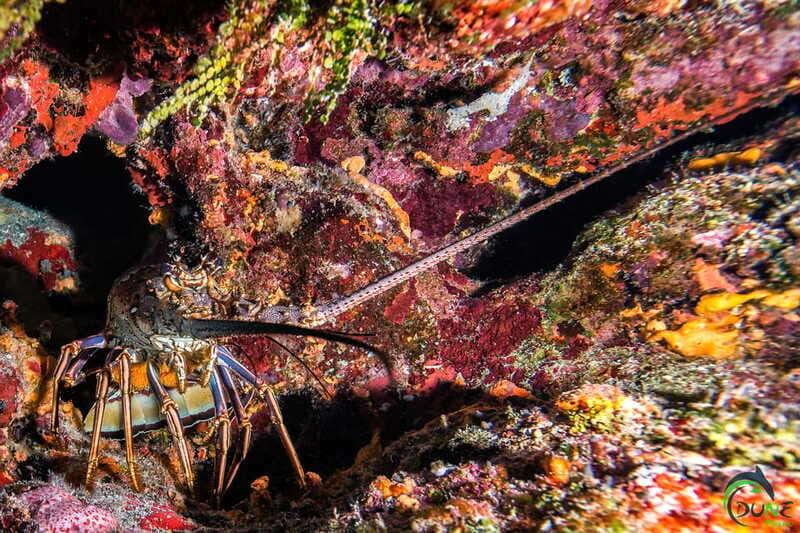
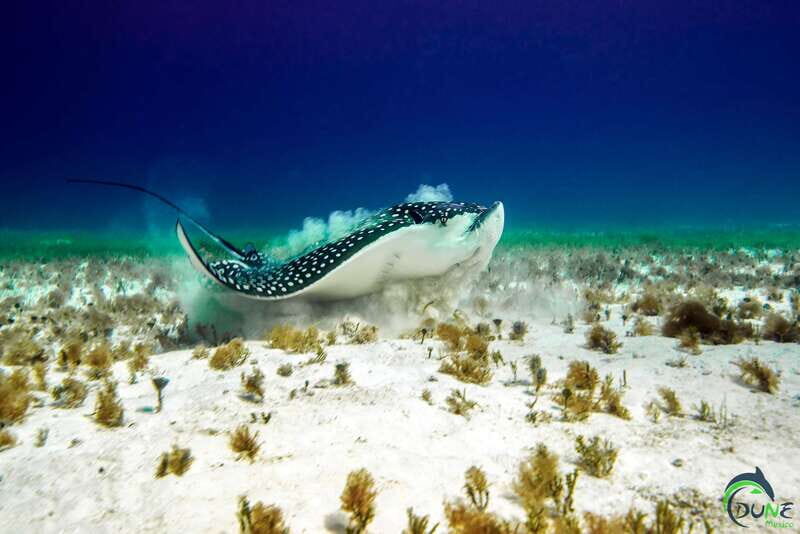
- What You’ll See Underwater: Color, Coral, and Big Surprise Fish
- The “Too Close to Shore?” Concern and How to Decide
- Gear, Weights, and What You Pay For (And What You Don’t)
- Bookkeeping Matters: Ask About Underwater Logbook Entries
- Who This Suits Best (and Who Should Skip It)
- The 18-Hour Flight Rule: Plan Like You Want to Fly
- Quick Tips That Make Your Day Smoother
- Should You Book This Underwater Reef Day?
- FAQ
- What certification do I need?
- How long is the tour?
- When does the group meet?
- Are tanks and weights included?
- Is scuba gear rental included?
- What do I need to bring?
- Are there any rules about health or travel after the activity?
Key Highlights You’ll Feel Right Away
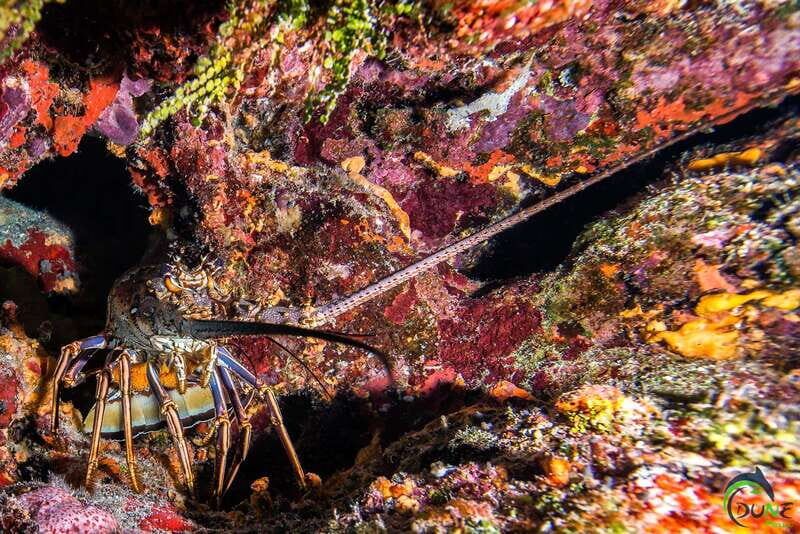
- Two different reefs during the same outing, so you get variety without extra travel time
- Excellent visibility and comfortable water temps that make spotting fish much easier
- Bull sharks in season (Nov–Feb), when operators run shark-focused options
- Small, practical pacing: safety briefing, one longer underwater slot, break, then a second slot
- Boat snacks and water included, plus tanks and weights on site
Where This Trip Starts: Dune Mexico and Playa’s Easy Access
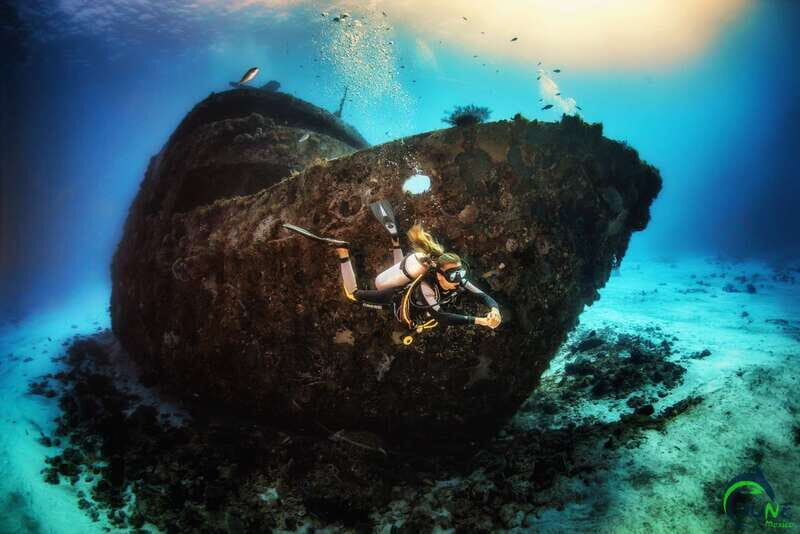
This outing starts at Dune Mexico on Calle 70, between Av. 10 and 15, in Playa del Carmen. Look for a yellow building with a wooden door and a bell. It’s just to the left of the NUMA hotel.
That matters more than you might think. Playa can feel like a grid of almost-the-same streets. A very specific meeting spot means you waste less time hunting, and you show up calmer for the safety briefing. If you’re staying nearby, you’ll likely arrive without a complicated plan. If not, build in extra buffer time—ocean days run on schedules, not vibes.
The operator for this experience is listed as Mexico Blue Dream, and they run the instruction in English, French, and Spanish. If you don’t speak Spanish, English support is part of the setup.
You can also read our reviews of more scuba diving tours in Playa Del Carmen
The 4-Hour Game Plan: How the Day Actually Flows
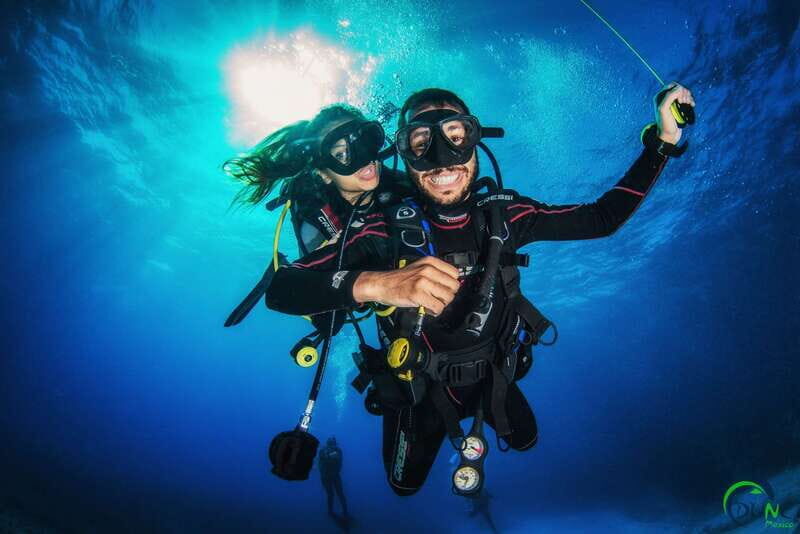
You’re looking at a 4-hour total block, typically in two daily windows:
- Morning: meet at 07:45
- Afternoon: meet at 12:00
Inside that window, the rhythm is simple:
1) Safety briefing (about 30 minutes)
2) Underwater time (about 1 hour)
3) Break (about 30 minutes)
4) Second underwater time (about 1 hour)
5) Return to Dune Mexico
This pacing is one reason the experience works well for certified participants. You get one underwater slot to get your breathing, buoyancy, and gear checks in sync, then time to regroup. The second slot is where many people remember the most—because you’re already comfortable by then.
Also, it’s worth noting that the reefs are run as two different spots, which is a big deal for value. One reef can be great, but two reef sites usually mean more species and more textures in the water.
The Safety Briefing: Not Just Paperwork
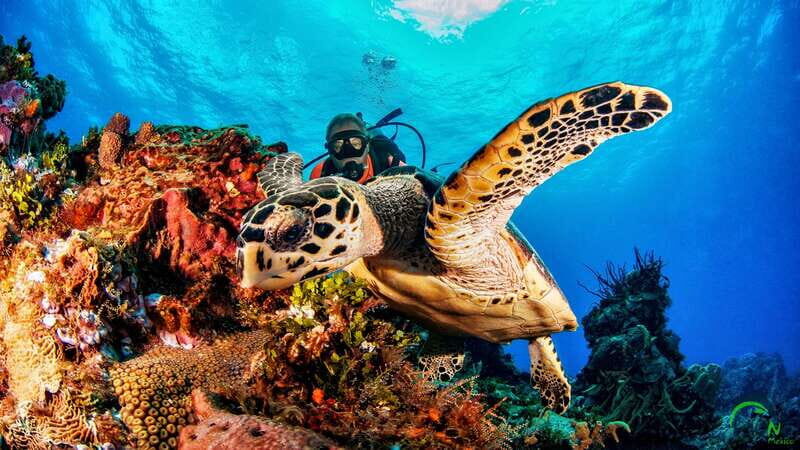
You’ll do a 30-minute safety briefing before any time in the water. That’s not fluff. It’s where the team sets expectations and makes sure everyone is aligned—especially for certified participants.
Before you go, you’ll need to:
- Bring your scuba certification
- Complete the required PADI forms
- Self-certify your health (particularly breathing and circulation)
- Follow the standard rules about not touching marine life and not smoking
Good to know: this isn’t for people with certain health situations. If you’ve got a cold, it’s not recommended. Pregnant travelers should skip it. And kids under 10 aren’t suitable.
If you’re the type who likes to ask questions, this briefing is the moment. Ask about what the team expects you to focus on underwater: buoyancy control, where you’ll swim, and how close you should stay to the group.
Two Reef Sessions: Why Two Different Spots Matter
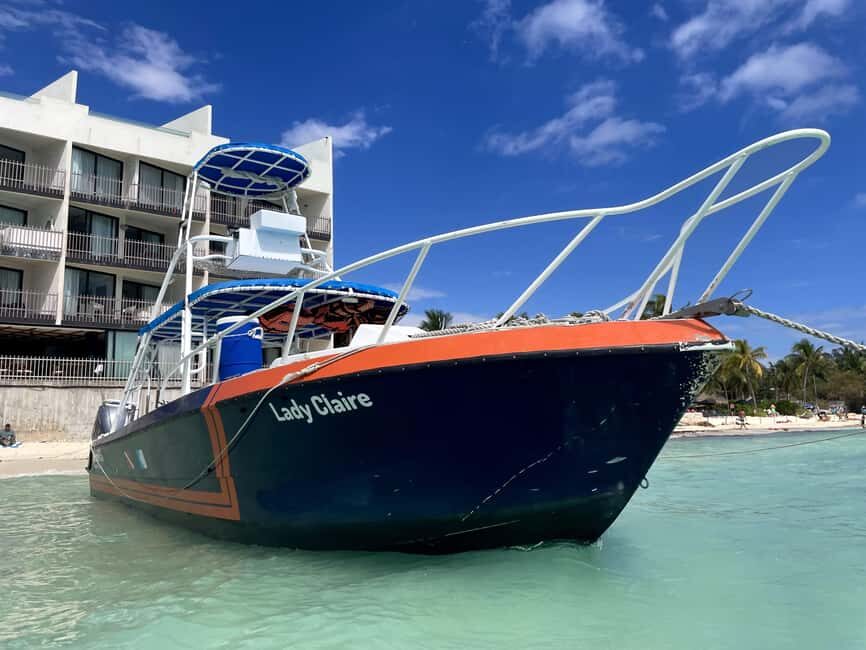
You spend about one hour underwater in the morning plan, a break, then another one hour underwater again. You’ll also be taken to two different reefs, which affects what you’ll see.
Reef visits tend to reward patience. If you rush, you miss fish behavior and small reef details. But with an hour per session, you can slow down. And because you’re guided, you’re not guessing where to go.
One more practical point: the reefs are close enough that you’re not dealing with endless transit. In one piece of feedback, the close reef distances were praised because there weren’t too many boats involved. If you hate logistics, this style of operation feels smoother.
What you might not love: if you’re expecting something that feels far-off and dramatic every time, the near-shore setup may feel less intense than a remote excursion. That complaint is real—some people compare it to seeing more striking fish and clearer water from other types of tours. In other words: manage your expectations. The value here is consistent reef life with great visibility, not necessarily a long, scenic-by-boat day.
What You’ll See Underwater: Color, Coral, and Big Surprise Fish
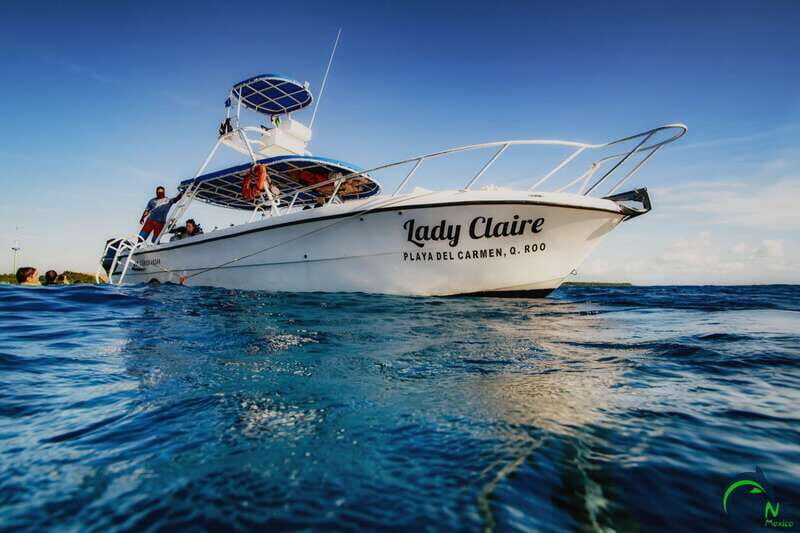
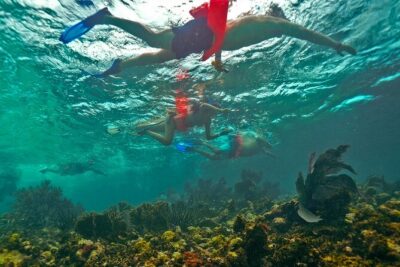
This is reef diving in the literal sense: coral and reef structure create the habitat that lets fish show up in numbers.
Based on the experience details, here are the kinds of marine highlights you can reasonably expect:
- Bull sharks on the right schedule, specifically November to February
- Blue tangs
- Moray eels
- Angel fish
And the conditions matter. Playa del Carmen is described as having lovely water temperatures and great visibility. That combo makes reef life easier to spot, especially smaller fish that you might otherwise miss in darker water.
A quick reality check: you can’t guarantee shark sightings on demand. But the fact that bull shark options are timed to Nov–Feb tells you the area can be set up for those encounters seasonally. If shark sightings are your must-do, plan around the season window.
Also remember the rules: you’re not allowed to touch marine life. It protects the animals and keeps you from accidentally stirring up silt that can drop visibility.






The “Too Close to Shore?” Concern and How to Decide
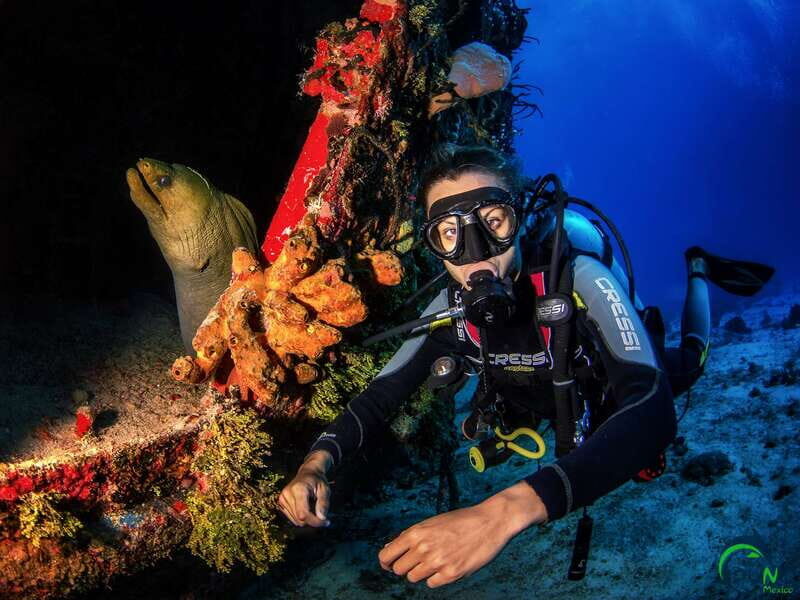
One negative note from past participants was blunt: two reef sessions felt like they happened close to the beach, and the person felt they saw more interesting water and fish on a catamaran-style snorkeling trip. On the surface, that sounds like a slam-dunk against scuba.
Here’s the balanced takeaway for you:
- If you mainly care about wildly scenic surface views and casual fish watching, a boat-based snorkeling outing might be more your thing.
- If you want the controlled underwater experience with tanks, weights, and guidance, this style still wins—even if it’s not a far-away expedition.
So how do you choose? Ask yourself what you want most:
- If you want to breathe underwater, hover, and really study the reef, go scuba.
- If your goal is mostly to see fish with minimal gear and time pressure, you might prefer something less structured.
And one more practical tip: ask the operator before you lock it in what kind of reef sites they run on that day. If you’re told the conditions and sites match your expectations, great. If not, you can adjust.
Gear, Weights, and What You Pay For (And What You Don’t)
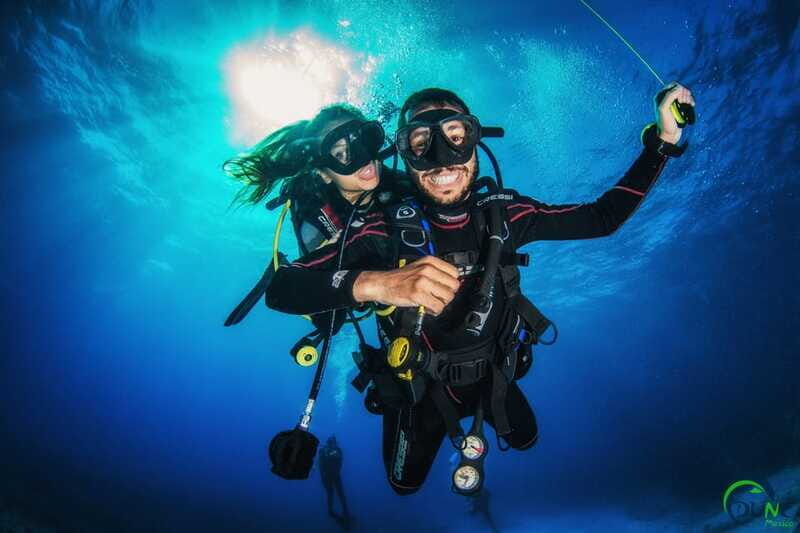
Included in the price:
- Boat transportation
- Two reef visits
- Tanks and weights
- Snack and water on the boat
- A PADI-certified instructor (listed as professional PADI Divemaster or Instructor)
Not included:
- Scuba gear rental
- Transportation to the scuba shop
- Photos and souvenirs
This is where value comes down to your situation.
If you already have your own gear, you’re paying mostly for:
- guide time
- boat transport
- tanks/weights
- the actual two reef slots
If you need rental gear, your effective cost goes up. Still, even with rentals, many people find scuba day trips are worth it when visibility is good and the itinerary gives you two separate underwater opportunities.
At $110 per person, the price is strongest when you:
- already have gear (or can rent without drama)
- want two underwater slots instead of one
- care about seeing reef life with guidance
Bookkeeping Matters: Ask About Underwater Logbook Entries
One past participant shared a small but frustrating detail: they didn’t get an entry in their logbook. I don’t know why that happened in their case, but you can prevent the problem easily.
Before you start:
- Ask whether the team will help with a logbook entry after each underwater slot.
- If you keep a physical logbook, tell them directly that you want it filled or signed.
This is one of those tiny admin details that can make a big difference later, especially if you’re building progress toward future certifications or tracking your experience.
Who This Suits Best (and Who Should Skip It)
This experience is for certified scuba participants. You need at least scuba diver certification, and you’ll self-certify health before going in.
It’s not suitable for:
- children under 10
- pregnant women
- anyone with a cold
- scuba participants without certification
Who it’s best for:
- Adults who are already comfortable with scuba basics and buoyancy
- People who like structured days with a clear schedule
- Reef lovers who want good visibility and multiple underwater hours
- Divers who want two reef stops without extra travel complexity
If you’re new to scuba or still working toward certification, you’ll need a different kind of program. This one assumes you can handle the underwater requirements.
The 18-Hour Flight Rule: Plan Like You Want to Fly
Here’s a very practical rule you should take seriously: you must wait a minimum of 18 hours free after your underwater time before flying on a plane.
That means you shouldn’t schedule a flight the same day as your scuba session, even if you feel fine. If your itinerary is tight, plan your last underwater session for the day before travel.
If you’re doing a multi-day trip through Mexico, this is easy to handle. Just don’t build the scuba day into the same 24-hour block as an airport run.
Quick Tips That Make Your Day Smoother
These are the little things that keep the experience from feeling stressful:
- Bring your certification and be ready to complete PADI forms
- Pack swimwear and a towel for after water time
- Plan to follow the no-touch rule—enforcement is part of keeping reefs healthy
- If you have questions about where you’ll go underwater and what you’ll likely see, ask before the first slot
- If logbook entries matter to you, request them upfront so you don’t end up chasing it later
Also, since the sessions are guided, it’s smart to listen carefully during the briefing. Good buoyancy and calm movement can make the difference between seeing fish casually versus chasing them through the water column.
Should You Book This Underwater Reef Day?
If you’re a certified scuba participant and you want a clear-water reef day with two reef locations, this is a solid pick. The schedule is simple, the conditions sound strong, and the package includes tanks, weights, boat transport, and an instructor—so you’re not piecing together a bunch of separate suppliers.
Book it if:
- you care about reef life and want two separate underwater hours
- you’re comfortable with the scuba basics already
- you can plan around the 18-hour flight rule
- you want the option of shark-related experiences seasonally (Nov–Feb)
Skip or rethink if:
- you mainly want surface sightseeing and easy fish watching (a snorkeling-focused tour might fit better)
- you’re expecting a far-off, long-transit expedition every time
- you need rental gear and you want to confirm total costs first
If you do book, send one quick message before the morning of your slot: ask about logbook entries and what the day’s reef locations look like. It’s the easiest way to turn a good outing into a great one.
FAQ
What certification do I need?
You must be certified with at least a scuba diver certification to join, and you’ll be asked to self-certify that you’re fit to dive based on your respiratory and circulatory health.
How long is the tour?
The total duration is about 4 hours, with a safety briefing, two underwater sessions, and a break.
When does the group meet?
You meet either at 07:45 for morning dives or at 12:00 for afternoon dives.
Are tanks and weights included?
Yes. Tanks and weights are included with the tour.
Is scuba gear rental included?
No. Scuba gear rental is not included, so you’ll need to arrange it separately if you don’t bring your own.
What do I need to bring?
Bring your swimwear, a towel, and your scuba certification.
Are there any rules about health or travel after the activity?
You must be in good overall health to dive and complete PADI forms. After the underwater time, you need at least 18 hours free before flying on a plane.