REVIEW · COZUMEL
Open Water Course Cozumel
Book on Viator →Operated by Be Diving Scuba Academy · Bookable on Viator
A calm first step to the ocean sounds pretty good. This PADI Open Water course in Mexico mixes classroom or online theory with hands-on skills in controlled water, then real training sessions along the Mayan Riviera and Cozumel.
I like the structure because it builds in the right order: gear basics and buoyancy control first, then skills you can actually use outside a pool. I also like the teaching style. Instructors like Jon (spelled Jon and John in different course experiences) and Mariana get praised for patience and for correcting fundamentals like trim, buoyancy, and kicking technique from the start.
The one thing to think about is timing. The course can be 2 or 3 days depending on availability, and there are weather and scheduling limits. So if you’re on a tight itinerary, you’ll want to confirm your exact plan early.
In This Review
- Key highlights to know before you go
- PADI Open Water in Cozumel: what this course is really about
- Price, private group size, and what $600 buys you
- Where you start: San Miguel de Cozumel vs Playa del Carmen ticket pickup
- Day 1 training: pool practice where buoyancy becomes muscle memory
- Day 2 near Tulum: learning skills with real underwater variety
- Day 3 in Cozumel: open-water sessions along the Mesoamerican reef
- Conservation lessons: how responsible habits get built into the course
- Instructors and teaching style: the patient fundamentals that keep you safe
- English instruction, fitness level, and who should consider this course
- What the course includes: gear, theory, and the three-phase flow
- How to get the most out of your two- or three-day schedule
- Should you book this Open Water course in Cozumel?
- FAQ
- What is the price for the Open Water Course in Cozumel?
- How long does the course take?
- Where does the course start and end?
- Where do I redeem my ticket?
- Is the course offered in English?
- Is this a private tour or shared with other people?
- What happens if weather is poor?
Key highlights to know before you go
- Fast path to certification: finish in about two days when schedule allows
- Private format: it’s just your group, so you’re not competing for attention
- Theory options: online study or in-person classroom learning
- Practical skill coaching: focus on buoyancy, trim, and controlled movement
- Real sites in the region: cenote-area water near Tulum plus Cozumel and the Mesoamerican reef
PADI Open Water in Cozumel: what this course is really about
This isn’t just a checklist. It’s training to help you feel in control underwater, from day one. You start with the parts of scuba that can feel intimidating on paper: how the equipment works, how buoyancy affects everything, and how to move without fighting the water.
From what you’ll experience in the course format, the instructors aim for a specific result: you should be able to think through your actions instead of copying someone’s body position. That shows up in the way skills get broken down and repeated until they feel automatic.
You also get an environmental angle woven into the training. Multiple course experiences highlight marine conservation as part of the learning, and the overall message is simple: the best diver is also a careful one.
One more important point: the training includes learning and using basic scuba gear. That list matters because it’s the core kit you’ll rely on later around the world—mask, snorkel, fins, regulator, buoyancy control device, and tank.
You can also read our reviews of more tours and experiences in Cozumel.
Price, private group size, and what $600 buys you
At $600 per person for roughly three days, you’re paying for more than time in the water. You’re paying for structured instruction: theory support, controlled skill practice, and instructor oversight during open-water training sessions.
The private nature is a big part of the value. It’s not a cattle-car course where you share attention with a large class. One course experience even emphasizes how instructors worked at a learner’s pace and didn’t rush. That matters because Open Water is where mistakes can happen fast if you’re trying to move on too quickly.
You should also know what’s included vs. what’s optional. The core scuba gear is part of the training. Some course experiences note that the team records videos of your sessions that you can purchase later. If you’re the type who likes a visual log of your progress, that can be a useful add-on, but it’s not something you should bank on as a required part of the certification.
Where you start: San Miguel de Cozumel vs Playa del Carmen ticket pickup
Your start point is listed as San Miguel de Cozumel, Quintana Roo, Mexico. Your ticket redemption point is in Playa del Carmen at 10 Avenida Nte. 173-5, Gonzalo Guerrero, 77710.
In real life, that usually means you’ll want to keep your confirmation details handy so you know where to be on the first day. One helpful approach: plan to arrive early enough to handle any time gap between pickup and start location. The course also ends back at the meeting point, so you’re not worrying about being stranded elsewhere at the end.
Also, it’s offered in English, and confirmation is received at booking. That’s useful if you’re coordinating with friends or setting up a short schedule.
Day 1 training: pool practice where buoyancy becomes muscle memory
The first day is where the course earns its keep. You get confined-water practice designed to make the equipment feel normal. In one described training flow, the team uses a small pool on site because it lets beginners practice buoyancy and comfort quickly without wasting time on long travel between skill stations.
What you should expect on this kind of first day:
- learning and handling the basic gear
- building confidence with controlled underwater movement
- practicing buoyancy so you don’t constantly sink or float
- getting feedback in a patient way, not a rushed way
A standout theme in course experiences is how instructors emphasized fundamentals early. One technical-diver style comment highlights that correct trim, buoyancy, and kicking technique were taught from the beginning, which is exactly what you want if you’re trying to avoid learning bad habits.
If you’re worried you’ll feel overwhelmed, this day is designed to reduce that. The pace is meant to let you ask questions and practice enough that you understand what you’re doing.
Day 2 near Tulum: learning skills with real underwater variety
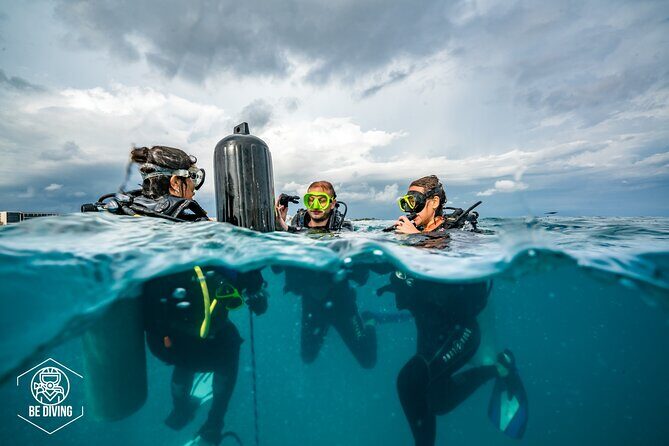
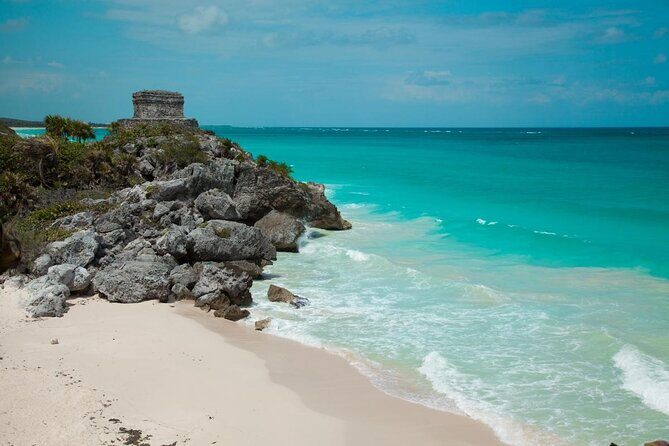
Day two often moves from a controlled pool to a natural-water setting in the region. In one described course path, students practiced skills at Casa Cenote in Tulum.
Why this matters: a cenote or natural-site environment gives you textures and conditions that don’t exist in a plain pool. You’ll get a stronger sense of spacing, awareness, and how your gear behaves when you’re not in a perfect, predictable setup.
You’ll still be training. The goal isn’t sightseeing first. It’s to use the skills you worked on earlier, while the instructor helps you focus on what to do during each step.
Course experiences also mention that the team handles the day’s logistics—travel and lunch—so you can focus on the underwater tasks and not spend your mental energy on coordination.
And yes, you’ll likely see plenty of fish, which makes practice feel less like homework and more like a reward.
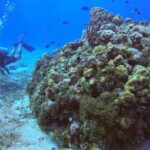
Day 3 in Cozumel: open-water sessions along the Mesoamerican reef
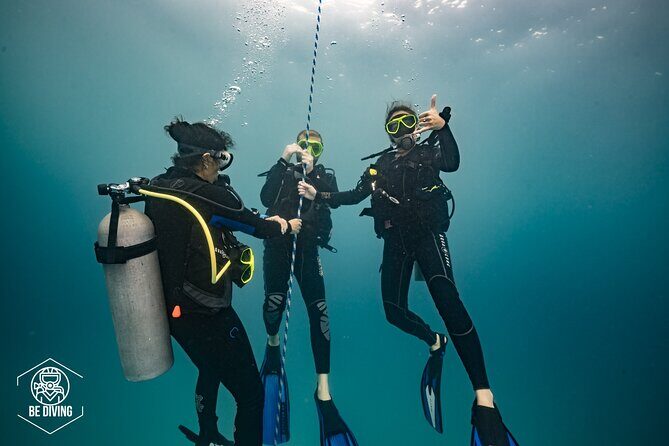
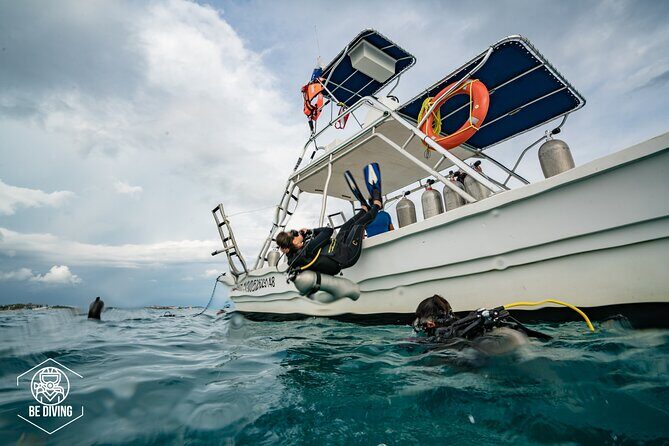
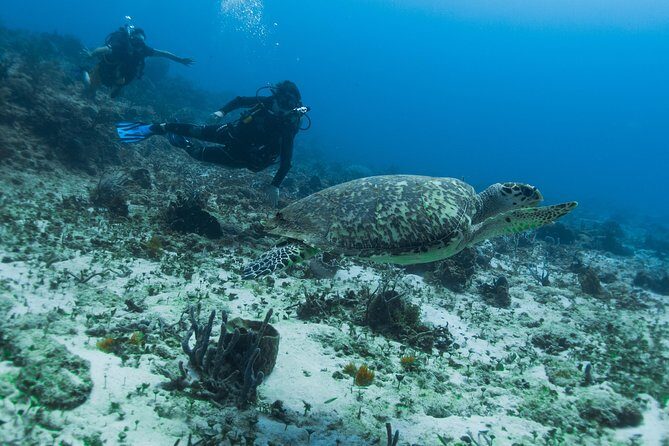
The final day is where training turns into something that feels big and real. In one described schedule, there’s a ferry crossing to Cozumel, followed by the last training sessions in open ocean conditions along the Mesoamerican reef.
This day tends to have two goals:
1) prove you can apply the skills outside controlled water
2) build confidence that you can manage the basics without panicking
One of the strongest signals from course experiences is that students felt safe under instructor leadership. That matters because your brain reacts differently in open water—less visual reference, more feeling of the water moving around you.
A practical way to approach day three: treat it like skill practice with a view, not a free-for-all. When instructors set the goal before each session, it helps you focus on the exact task at hand and keeps the learning from turning into random wandering.
Conservation lessons: how responsible habits get built into the course
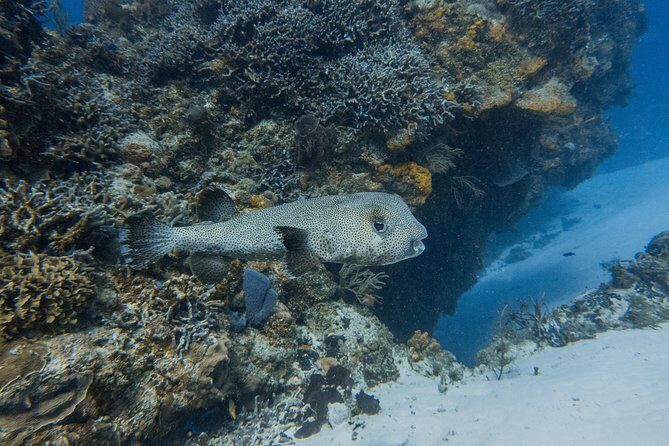
Marine conservation is mentioned as part of the course experience, and the way it comes through in course stories is practical. It’s not just a lecture. It’s tied to behavior.
You’ll hear and practice the mindset of being careful with the environment. In particular, course experiences emphasize avoiding actions that damage coral or stir up sand. That connects directly to buoyancy and kicking technique: good buoyancy helps you avoid contact, and controlled kicking prevents sediment clouds.
If you want a certification that you can feel proud of—one that doesn’t start with bad habits—this “responsible first” approach is a real value.
Instructors and teaching style: the patient fundamentals that keep you safe
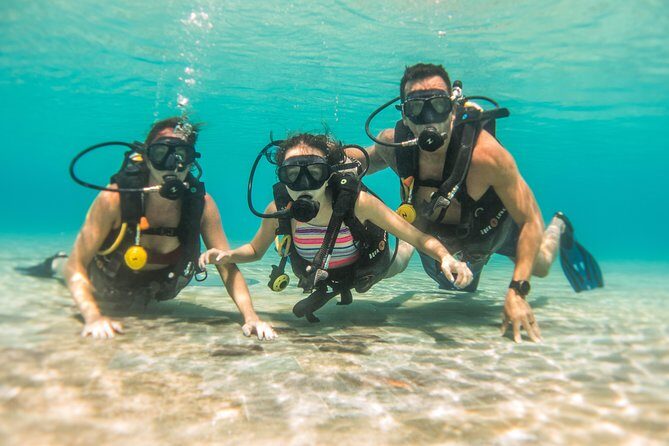
Names show up clearly in the course experiences you provided:
- Jon (also spelled John in one note)
- Mariana
- Cata (listed as part of the teaching team alongside Jon)
What people praise most isn’t just friendliness. It’s how instruction connects fundamentals to safety and comfort. One experience notes a strong focus on teaching the right methods from the beginning, including trim, buoyancy, and kicking techniques. Another highlights patience and taking enough time to practice so learners feel self-sufficient rather than dependent on the instructor for everything.
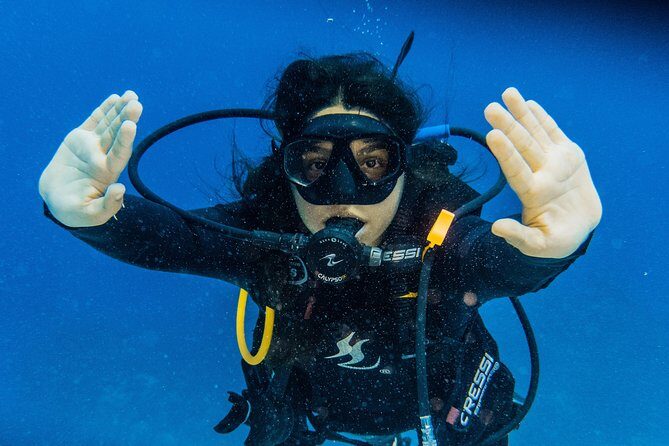
There’s also praise for underwater communication. That’s a big deal because if you can’t understand what to do while you’re wearing gear and breathing through a regulator, learning gets harder fast. When an instructor is clear and calm in the moment, you generally relax, and relaxation usually improves buoyancy control.
English instruction, fitness level, and who should consider this course
The course is offered in English. Travelers should have moderate physical fitness.
That means it’s a good fit for people who can comfortably manage the basics of getting ready, handling scuba gear, and staying engaged through multiple sessions across a few days. You don’t need to be an athlete, but you should be comfortable with a moderate activity level.
It also helps if you like learning by doing. This is a hands-on course: knowledge development (online or classroom), then confined practice, then open-water training sessions.
Because it’s private—only your group will participate—it’s also attractive if you’re anxious about crowded training environments. You’re more likely to get the time you need for questions and repetition.
What the course includes: gear, theory, and the three-phase flow
The Open Water course is described as three phases:
1) Knowledge Development: online independent study or classroom learning
2) Confined Water Dives: learning basic scuba skills (gear handling and controlled practice)
3) Open Water Dives: applying those skills outside confined water
The equipment list is clear and important:
- mask
- snorkel
- fins
- regulator
- buoyancy control device (BCD)
- tank
In other words, you’re not just learning concepts. You’re learning how these pieces work together so your body movements and breathing match the behavior of your gear.
One more thing you’ll appreciate if you like structure: the instructor checks progress and answers questions along the way. That’s what keeps the course from turning into a “figure it out” situation.
How to get the most out of your two- or three-day schedule
The course can be completed in two or three days, depending on availability. Since your duration is listed as approximately three days, treat that as the safest expectation.
If you’re aiming for the faster two-day option, be realistic. Faster usually means tighter pacing between theory and water sessions. So before booking, check your calendar and make sure you can show up rested and ready. If you’re juggling travel days, you might want to pad your schedule.
A second scheduling tip: because weather can affect whether sessions run, build in flexibility. The experience requires good weather. If conditions are poor, you’ll be offered a different date or a full refund.
Also, the experience requires a minimum number of travelers. If that minimum isn’t met, you’ll be offered a different date/experience or a full refund. So early planning helps.
Should you book this Open Water course in Cozumel?
I’d book it if you want a certification that’s about skills, safety, and good habits from the start. The biggest reasons are the private group format at a set price, plus the emphasis on fundamentals like buoyancy control, trim, and kicking technique. Add the marine conservation component and the option to handle theory online or in a classroom, and you get a course that fits a lot of different learning styles.
I’d think twice if your schedule is extremely tight and you can’t handle a weather shift or a schedule adjustment. The course timing can compress to two days, but it’s not something you should treat as guaranteed on day-by-day precision.
If you want English instruction, want structured phases, and care about feeling competent underwater by the end, this is a strong choice.
FAQ
What is the price for the Open Water Course in Cozumel?
The price is $600.00 per person.
How long does the course take?
It’s listed as approximately 3 days, and the course can be done in 2 or 3 days depending on availability.
Where does the course start and end?
The start is San Miguel de Cozumel, Quintana Roo, Mexico. It ends back at the meeting point.
Where do I redeem my ticket?
Ticket redemption is at 10 Avenida Nte. 173-5, Gonzalo Guerrero, 77710 Playa del Carmen, Q.R., Mexico.
Is the course offered in English?
Yes, the course is offered in English.
Is this a private tour or shared with other people?
This is a private tour/activity. Only your group will participate.
What happens if weather is poor?
The experience requires good weather. If it’s canceled due to poor weather, you’ll be offered a different date or a full refund.