REVIEW · COZUMEL
E-Surf Lessons
Book on Viator →Operated by Reckless e-surf Cozumel · Bookable on Viator
This is a hands-on e-surf lesson in Cozumel where you start on land, get a water demo, and then spend the rest of your time actually riding. I like that the teaching is built to move you from first contact to real technique quickly, and one instructor named Nick was reported getting people standing within minutes. I also like the small group setup (max 15), which means more attention when you’re learning a new control-and-balance skill. One drawback to factor in: if the session runs late or equipment support isn’t right there when you’re in the water, you can lose the time you paid for.
At $160 per person for about 1 hour 30 minutes, it’s a focused way to try something different from typical beach-water activities. The experience starts and ends at La Monina in Centro, and it’s offered in English. Just plan for weather, because this activity needs good conditions and can be rescheduled or refunded if it’s canceled for weather.
In This Review
- Key things to know before you go
- A 90-Minute Cozumel E-Surf Skill Session
- Where you meet at La Monina (and why location matters)
- The lesson flow: land drills, water demo, then riding
- What you actually learn (and how to use it)
- Your riding time: how to get the session you paid for
- Price check: is $160 good value for Cozumel?
- Who this e-surf lesson fits best
- A balanced look at potential snags
- Reckless e-surf Cozumel and what to expect from the operator
- Should you book E-Surf Lessons in Cozumel?
- FAQ
- How long is the e-surf lesson and riding session?
- Where does the lesson start and end?
- Do I need prior e-surfing experience to ride?
- Is the lesson offered in English?
- How many people are in the group?
- What happens if the weather is bad?
Key things to know before you go

- Land + water instruction first: you’ll get a guided intro and demonstration before your free riding time.
- Limited to 15 people: smaller groups tend to feel less chaotic when you’re learning.
- Lesson required for rentals: first-timers participate in the lesson before they can rent again.
- English-speaking guidance: the instruction is offered in English.
- Weather-dependent session: if conditions are poor, the operator can cancel and offer another date or a full refund.
A 90-Minute Cozumel E-Surf Skill Session
Cozumel is great for trying water sports, but e-surf has a twist. You’re not just floating behind a boat or catching waves. You’re learning how to ride a powered board while staying balanced, and that’s why the format matters: you get a structured lesson before you go.
The total time is about 1.5 hours, which is long enough to learn the basics and still get real practice. The lesson portion includes time on land plus an in-water demonstration. Then, once you’re cleared by the instructor, you shift into your riding window with extra help if you want it.
The vibe is typically more “training session” than “tourist swim.” That can be a good thing if you want progress fast. It can also mean you should treat it like a sport day: pay attention, ask questions, and don’t assume it will feel identical to wake surfing or regular surfing.
Where you meet at La Monina (and why location matters)

Your meeting point is La Monina, Av. Rafael E. Melgar s/n, Centro, 77600 Cozumel, Q.R., Mexico, and the activity ends back at the same place. Because it’s in town near public transportation, it’s easier to pair with other Cozumel plans without a complicated transfer.
This matters for first-timers. When your start point is clear and you don’t have to guess where the equipment is staged, you lose less time to confusion. You can also better manage your day if you’re coming from a cruise terminal or bouncing between beach stops and downtown.
Also, you’ll have a mobile ticket, and you receive confirmation at booking time. In practice, that means you should have your phone ready with the ticket up close, not buried in a group chat or screenshot folder.
The lesson flow: land drills, water demo, then riding
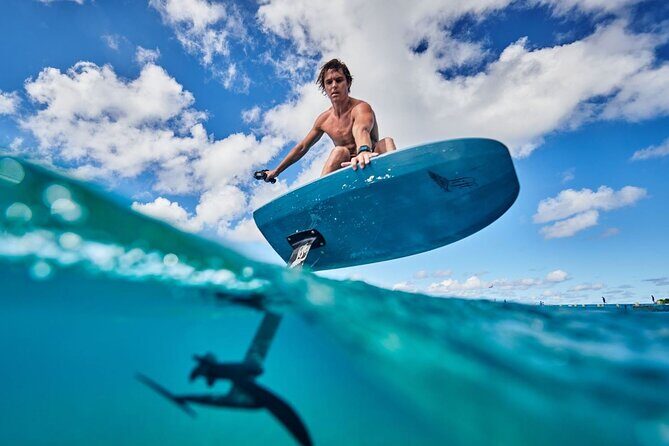
Here’s how the experience is set up, in plain terms:
1) You start with instruction on land.
This is where the basics get explained, and you learn the “what” before the “do.” Expect demonstrations focused on methods and techniques—enough to help you understand how the board behaves and what you’ll be trying to control.
2) Then you move into the water for demonstration time.
The lesson continues with an in-water component. The goal is to show you how the skills look when you’re actually on the board, not just standing by it.
3) After the lesson, you ride.
Once you’re done with the guided portion, you spend the rest of your session e-surfing. The experience is designed so you’re ready to ride rather than waiting around for your turn.
In one of the most positive reports, an instructor named Nick was credited with clear explanations and fast progress. That’s exactly what you want from a lesson like this: tight coaching early, so you can enjoy your riding time later.
The session timing is also worth watching. One negative account described a late start that cut into water time. I can’t control the day you get, but you can control your readiness—arrive early, be geared up, and don’t show up thinking you can stroll in right at the start time.
What you actually learn (and how to use it)
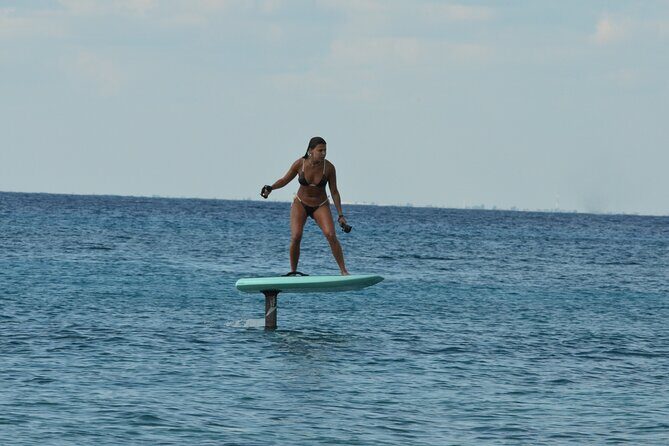
The listing description keeps the technique general, but the lesson structure tells you what matters most for first-timers: you learn before you ride. That’s the difference between “try it once” and “learn it.”
From the feedback, the standout instruction style is clear, method-based coaching. When it works well, it gets you to the point where you can stand on the board quickly and start building confidence. That’s a big deal because the biggest challenge in powered boards isn’t only balance—it’s balance while concentrating on controls and timing.
Here’s how you can get more out of the instruction you’re given:
- Watch for cues and repeat them on your attempt. If the instructor says something like shift your weight or focus on a stance, treat it as a rule to try immediately.
- Ask for one correction at a time. With a new sport, too many instructions at once can freeze you.
- Use the extra help after the lesson. The format includes additional support if necessary or wanted, which is great if you’re struggling to get stable.
If you’ve already tried wake surfing, you might assume it’s close enough. One less-than-perfect experience noted that e-surf feels more complex than wake surfing. I’d treat it as its own thing: show up ready to learn, not to prove you already know.
Your riding time: how to get the session you paid for
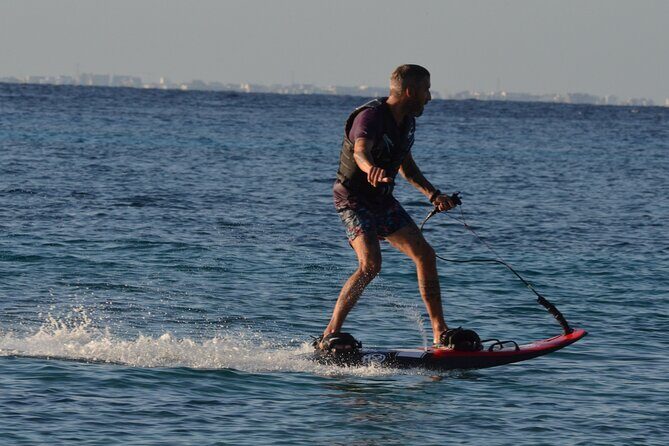
Once the lesson ends, your session becomes about practice. This is where you’ll feel whether the instruction really clicked.
A few practical tips to maximize your riding time:
- Get comfortable asking for help early. If you’re hesitant, you can waste attempts. Better to ask sooner than after frustration sets in.
- Stay attentive to how long you’re actually in the water. In a bad scenario, equipment issues and lack of active help led to lost time. You can’t prevent all equipment problems, but you can respond fast if something seems wrong.
- Plan for physical abrasion. One negative account included getting bloodied because rash shirts weren’t worn. You might not get injured, but it’s a smart idea to wear protective gear like a rash shirt to reduce scrapes.
E-surf can be demanding if you haven’t balanced on a powered board before. If your body is tired, your technique often falls apart. So if you’re offered a chance to practice while you’re fresh, take it.
Price check: is $160 good value for Cozumel?

At $160 per person for about 90 minutes, you’re paying for equipment + instruction + time on the water. This is not a bargain half-hour. It’s also not a full-day excursion, so your value depends on two things:
1) How effective the lesson is, and
2) How much real riding time you get after instruction.
When the instruction is solid, you’re likely to feel progress quickly. Reports highlighted fast learning and strong explanations, especially with an instructor named Nick. That’s how this price makes sense: you pay for coaching that gets you up and riding, then you enjoy the payoff.
When things go wrong (like a late start or equipment not working), the cost feels painful because you lose water time—the whole point of paying for an active sport session. One negative account described delays and equipment troubles that led to no meaningful surfing time, and that’s the risk to consider.
My honest take: if you can be flexible with timing and weather, and you show up ready to learn, this price can feel fair. If you’re only in town for a tight schedule and you absolutely need your water time at a specific hour, build in buffer.
Who this e-surf lesson fits best

This activity says most travelers can participate, and the group limit is small enough to keep things manageable. Here’s who usually benefits most:
- First-timers who want coaching. The lesson-first format is designed to reduce the guesswork.
- People who learn fast from demos and instruction. If you like structured guidance, this tends to work well.
- Younger-at-heart adventure seekers. You’re doing something athletic and new, not just snorkeling.
It may be less ideal if you’re expecting something that feels identical to wake surfing. One account pointed out the extra complexity. If you’re coming in with strong expectations from other boards, go in with curiosity instead.
If you prefer a quiet, low-effort activity, e-surf may not be your best match. This is a skill session. You’ll likely sweat, you’ll likely focus, and you’ll probably want a rash shirt.
A balanced look at potential snags
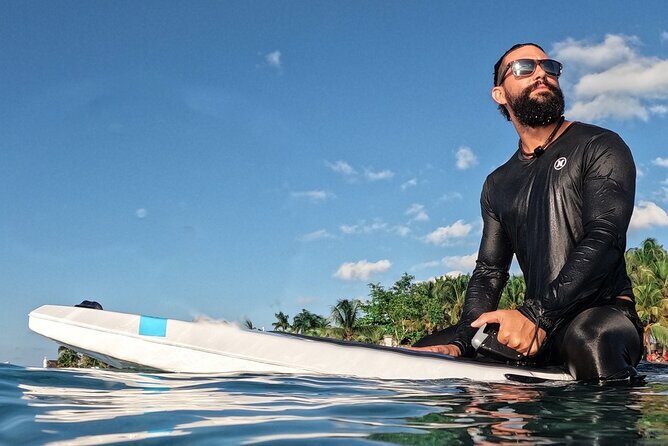
Even with a high overall rating, there are a few things you should keep in mind.
Timing slips happen in the real world. One negative report mentioned the session starting 1.5 hours late, which can knock down the amount of usable riding time. You can’t stop the day’s weather or logistics, but you can reduce stress by arriving early and staying flexible.
Equipment support matters. In a disappointing scenario, boards were not working and helpers weren’t actively supporting the group. That’s a reminder to be proactive: if you’re stuck, say something quickly and ask for help rather than trying to solve it alone.
Safety starts with what you wear. That bloodied-up experience came from not wearing rash shirts. I strongly suggest you bring protective gear so you’re not fighting preventable scrapes.
On the positive side, the lesson-based format and strong coaching style appear to be the main reason most people feel happy after the session. The high recommendation rate and top score tell you the normal outcome is more “learned fast and had fun” than “nothing worked.”
Reckless e-surf Cozumel and what to expect from the operator
The provider is Reckless e-surf Cozumel. The experience is delivered in English and capped at 15 travelers, which usually means less crowd energy and more space to teach.
The booking process includes a confirmation at time of booking and a mobile ticket, so you should be able to show up with everything you need. Service animals are allowed, and the meeting point being near public transportation is helpful if your plans involve multiple stops in Cozumel.
The operator also builds in weather dependence. If conditions are too poor, you should expect a cancel-and-reschedule situation or a full refund. In other words, treat this like an outdoor active sport, not a guaranteed indoor experience.
Should you book E-Surf Lessons in Cozumel?
I’d book it if you want a real skill-building water activity in a short time window. The best version of this trip is simple: clear instruction, quick progress, then a solid amount of riding in a small group. The very high rating and recommendation rate suggest that’s what most people experience.
I’d think twice if you’re on a tight schedule with no flexibility, or if you get annoyed by delays and equipment glitches. This is a technical sport. When the setup and coaching line up, it’s excellent. When they don’t, it can feel like wasted time.
My practical decision rule:
- If you’re okay being flexible and you can protect your day with a time buffer, this is a great Cozumel “try something new and learn it” activity.
- If you need guaranteed water time at an exact hour, consider lining up a backup plan.
FAQ
How long is the e-surf lesson and riding session?
The experience is approximately 1 hour 30 minutes.
Where does the lesson start and end?
It starts at La Monina, Av. Rafael E. Melgar s/n, Centro, 77600 Cozumel, Q.R., Mexico, and ends back at the same meeting point.
Do I need prior e-surfing experience to ride?
New participants need to take the lesson first. Rentals are for returning customers only, unless you can show proof of e-surfing before.
Is the lesson offered in English?
Yes, the instruction is offered in English.
How many people are in the group?
This activity has a maximum of 15 travelers.
What happens if the weather is bad?
This experience requires good weather. If it’s canceled due to poor weather, you’ll be offered a different date or a full refund.