REVIEW · ISLA HOLBOX
Kayaking Tour Through the Mangroves in Isla Holbox
Book on Viator →Operated by VIP Holbox Experience · Bookable on Viator
Holbox’s mangroves feel like a world you reach by row, not by road. This tour pairs calm channel kayaking with a guide who helps you notice wildlife you’d miss from land. You’ll also get the best kind of nature time: quiet water, bird calls, and plenty of chances to look for big stars like crocodiles and seasonal flamingos.
Two things I really like: first, the tour is run with a small group (up to 7), so the guide can keep an eye on you and answer questions as you paddle. Second, the itinerary is structured into two main paddling blocks (about 45 minutes each), with a breather in the middle so you’re not doing all the work nonstop. One thing to consider is the effort at the edges of the route—some paddling can involve stronger water near the return.
That mix is why this works. You get peaceful mangroves first, then a more active finish. And if you’re aiming for wildlife, timing matters.
In This Review
- Key Things to Know Before You Go
- Mangroves Off Holbox: Why This Kayak Route Is Worth 3 Hours
- The VIP Holbox Start: Where You Meet and What You Get
- First Paddle Block: Glide Through Calm Channels and Bird Calls
- A small reality check about the guide’s role
- Mid-Tour Break: Rest, Water, and Reset Your Paddling
- Return Route: Open-Water Work and Stronger Currents
- How to make the hard part easier
- Wildlife Odds: Crocodiles, Flamingos, and the Bird Show
- The guide’s job: making wildlife visible
- Double Kayaks and Paddling Comfort: What “Double” Changes
- Price and Value: Is $50.78 a Good Deal for 3 Hours?
- Timing Tips: If You Want Crocodiles, Think Morning
- What to Pack: Mosquitoes, Sun, and a Camera That Actually Works
- Who Should Book This Mangrove Kayak?
- Should You Book VIP Holbox’s Mangrove Kayak?
- FAQ
- How long is the kayaking tour through the mangroves?
- What’s the cost per person?
- What wildlife might I see on the tour?
- Do I need my own kayak?
- Is there an English-speaking guide?
- What should I bring?
- Do I need to be physically fit?
- What’s the minimum age for the tour?
- Is food included?
- What if weather is bad?
- Is there a group size limit?
Key Things to Know Before You Go
- Two 45-minute paddling sessions with a mid-tour stop for rest and water
- Max 7 travelers, which usually means more attention from the guide
- Wildlife spotting focus, including crocodiles basking along channels and bird species along the coast
- Seasonal flamingo chances, so your timing can change what you see
- Bring mosquito control and sun protection, because you’re outside the whole time
Mangroves Off Holbox: Why This Kayak Route Is Worth 3 Hours
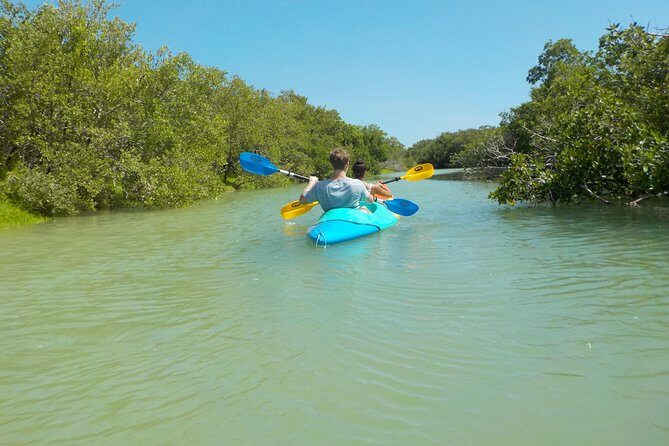
If you’re coming to Isla Holbox for nature, this is one of the best ways to slow down and see how the coastline actually works. Mangrove channels are narrow and sheltered, so your kayak glides where boats can’t always go. The water tends to be calm, and that’s a big part of the magic: you can hear birds calling and move quietly enough to notice wildlife behavior.
This trip also gives you structure. You don’t just get dropped at a kayak and told good luck. You start with a briefing, then you paddle with an experienced guide who points out what you’re seeing—trees, birds, and signs of animals along the water. For me, that guidance is what turns it from exercise into a real “I understand what I’m looking at” experience.
The price—$50.78 per person for about 3 hours—can seem like a lot until you break it down. You’re paying for guided wildlife spotting, a double kayak, bottled water, and a guided pacing that keeps the tour comfortable. It’s not a day-long adventure where you burn money on meals. It’s a tight chunk of guided time.
You can also read our reviews of more tours and experiences in Isla Holbox
The VIP Holbox Start: Where You Meet and What You Get
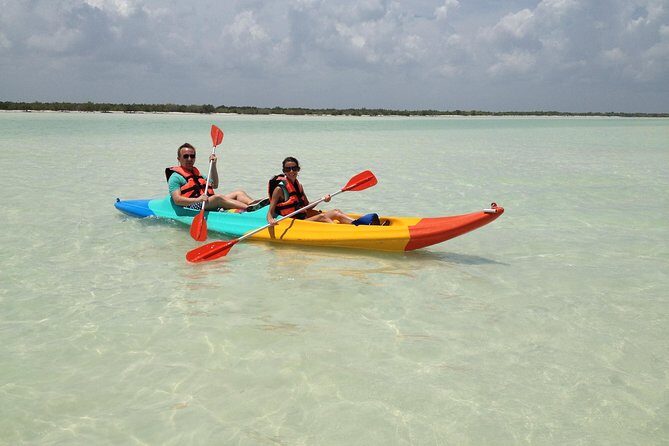
Your starting point is VIP Holbox at Calle Palomino, Av. Caleta Esq, 77310 Holbox, Q.R., Mexico. From there, the tour runs from the meeting point and ends back at the same place.
What you’ll do right away:
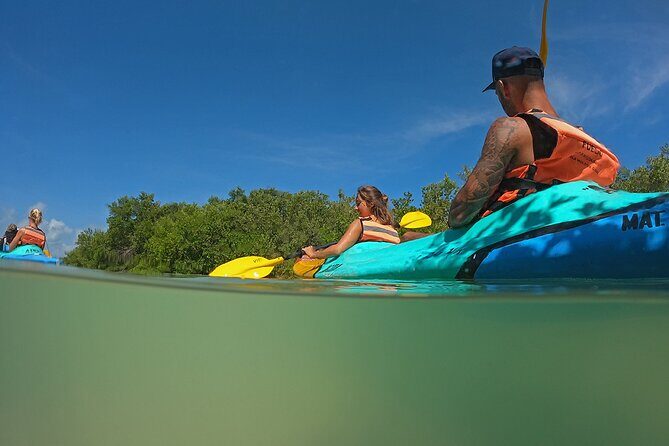
- Get your double kayak
- Receive a briefing on how to start and paddle safely
- Get moving into the mangrove channels
Most of the “stress” level is decided at the start. A good briefing helps you avoid the most common mistakes—wiggling your kayak too much, not keeping a steady stroke, and getting thrown off by wind or current near the edges. Reviews also mention positive guide experiences with names like Gustavo, Lalo, Willy, and Abraham, which is a nice reminder that the quality can vary by guide, but the company’s intent is to educate and support you on the water.
One practical note: even though some people report easy pickup arrangements from accommodations, the only guaranteed detail here is the meeting point. If door-to-door transport is a deal-breaker for you, it’s smart to confirm directly when you book.
First Paddle Block: Glide Through Calm Channels and Bird Calls
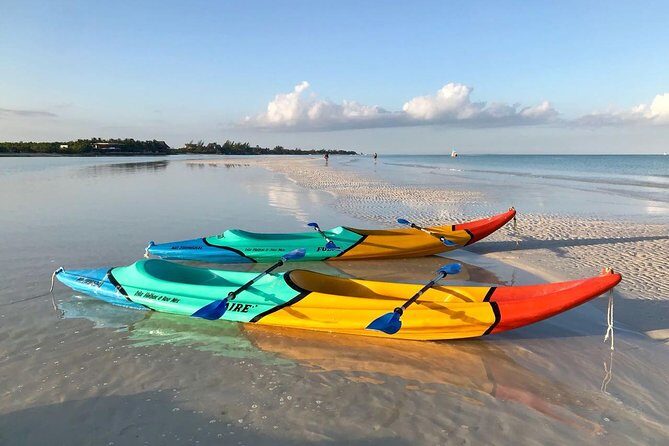
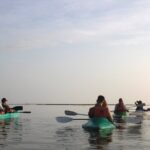
The heart of the experience is what happens once you’re inside the mangroves. Your first paddling section runs about 45 minutes, and this is where the water tends to feel easiest. Mangrove roots and the narrow channel shape act like natural windbreaks, so the kayak stays stable and you can settle into a rhythm.
This is also when wildlife noticing becomes realistic. Guides tend to look for:
- Birds along the coast and in mangrove areas
- Animals resting at the edges of channels
- Signs of movement that you’d miss if you were staring only at open water
Some travelers specifically mention seeing sand crabs, fish, and lots of birdlife when the group is quiet and focused. If you’re hoping for big moments, early timing can help. One review recommends going early morning for crocodiles, and mentions sightings of multiple crocodiles—so if you’re flexible, mornings are your best shot.
A small reality check about the guide’s role
A guiding style can make or break your experience. Most guides described here actively point things out and explain flora and fauna. But one review criticized a lack of help during navigation, especially near the more active part of the route. My advice: if you want lots of instruction, ask questions early in the briefing. Say you want help spotting animals and want tips for handling current.
Mid-Tour Break: Rest, Water, and Reset Your Paddling
After the first 45 minutes, you stop to rest and drink water before starting back. This matters more than it sounds.
Kayaking may look simple, but a double kayak still takes effort—your strokes, steering, and balance all work together. That break is where you:
- loosen up shoulders and arms
- adjust if you feel off-balance
- prepare mentally for the return route
This is also the moment when you can catch your breath for the wildlife part. You’ll have another paddling block afterward, and guides often take a more intentional pace when they spot activity along the banks.
Return Route: Open-Water Work and Stronger Currents
The route doesn’t always stay in “easy mode.” While the mangroves offer calm water, some parts of the trip can involve stronger current near the transition to open water. One review notes that the final stretch is essentially in the open ocean and the currents felt strong, with the guide paddling ahead and offering limited assistance.
That doesn’t mean the whole tour is rough, but it does mean you should plan as if the finish will be more physical. If you’re not comfortable kayaking, you can still enjoy this—just be honest about your stamina. The tour description calls for moderate physical fitness, and that aligns with what you may feel if you have to work against a current.
How to make the hard part easier
- Stay smooth and steady rather than powering every stroke.
- If steering feels tricky, communicate with your kayak partner right away.
- Don’t fight the kayak. Match the guide’s pace and focus on clean strokes.
Wildlife Odds: Crocodiles, Flamingos, and the Bird Show
This tour is built around wildlife. The highlights you’re aiming for include:
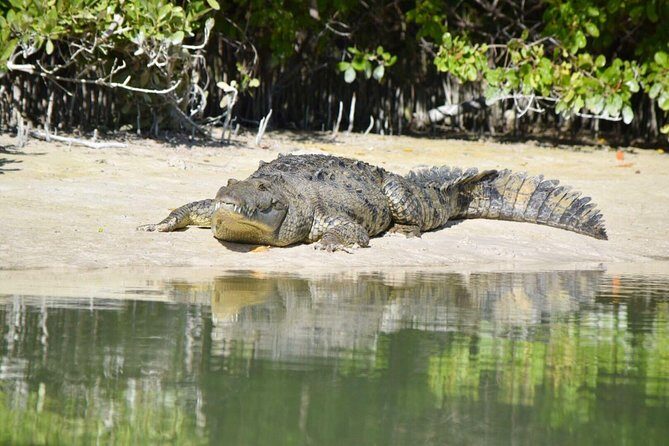
- Crocodiles basking along channel banks
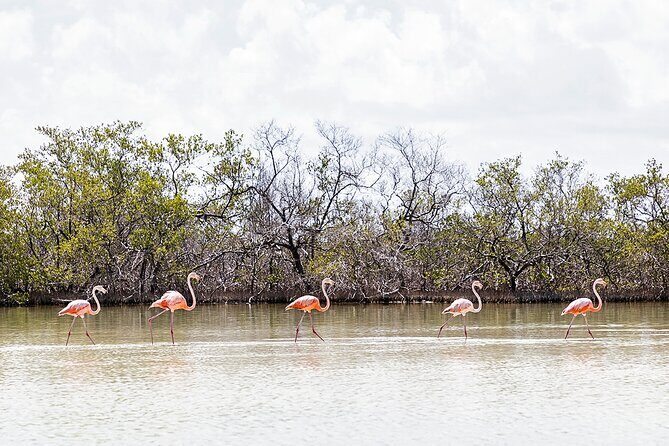
- Flamingos, depending on season
- A long list of coastal birds
Crocodiles are the big draw. You might spot them resting on banks or near edges where they feel safe and warm. Early morning seems to increase your odds, and at least one review mentions seeing several crocodiles on an early trip.
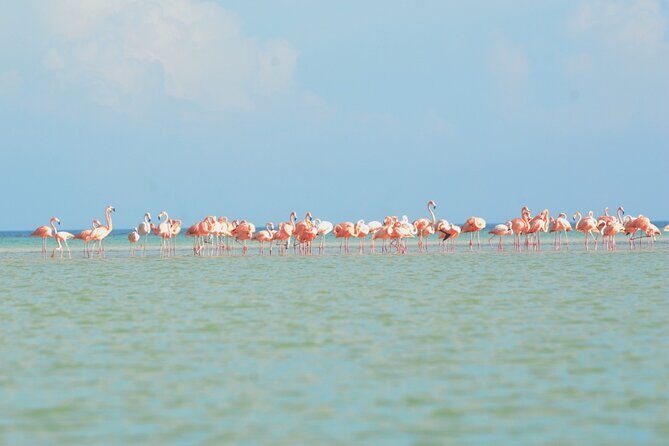
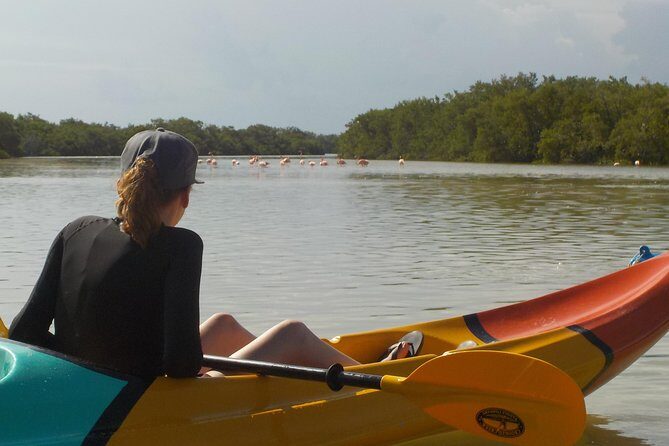
Flamingos are seasonal. In other words, you might see them, or you might not—depending on timing. Even when flamingos aren’t in the picture, birdlife is still a major part of the experience. Reviews mention herons, egrets, spoonbills, osprey, and more. One account also mentions a stop at a safe distance so flamingos aren’t disturbed, which is exactly how it should work: you’re there to watch, not chase.
The guide’s job: making wildlife visible
If you’ve ever been on a nature tour that feels like you’re on your own, you’ll appreciate how often guides here actively interpret what’s around you. Some guides bring binoculars and explain the differences between plants and tree types, plus how the mangrove system supports animals. Names that stood out include Gustavo and Willy, with praise for pointing out wildlife like hermit crabs and blue crabs.
Double Kayaks and Paddling Comfort: What “Double” Changes
A double kayak is part of why this feels accessible. You share the effort and can sync your movements. It can also reduce fatigue if your paddling partner is strong and you’re not trying to muscle every stroke alone.
A few practical things to keep in mind:
- Expect some coordination needs. If you paddle out of sync, the kayak can feel like it has a mind of its own.
- Steering can be harder than it looks, especially in any mild current.
- Comfort matters. Reviews mention the kayaks were comfortable, which helps because you’ll be in them for a couple hours total.
If you’ve kayaked before, you’ll probably adapt fast. If you haven’t, the calm mangrove sections are a good place to learn, as long as you pay attention to the briefing and don’t panic when steering takes a couple minutes to click.
Price and Value: Is $50.78 a Good Deal for 3 Hours?
For $50.78 per person, you’re buying a guided wildlife experience plus equipment and water. The math makes more sense when you compare what’s included:
- professional guide
- double kayaks
- bottled water
Food is not included unless specified. That’s typical for a shorter morning activity.
Where the value really shows is in the timing. About 3 hours in the morning keeps your day flexible. You’ll likely still have time to do other Holbox highlights—beach walks, town wandering, or a second activity later. If you’re trying to make the most of a limited schedule, this gives you a meaningful nature block without consuming a whole day.
Also, the small group size (up to 7) matters for value. More attention usually means safer pacing and more wildlife spotting opportunities, especially if you want the guide to explain plants and bird behavior as you go.
Timing Tips: If You Want Crocodiles, Think Morning
If crocodiles are your goal, aim for early morning. One review explicitly recommends early timing and reports multiple crocodile sightings. There’s also a comment about early morning trips having fewer mosquitoes, which can change how enjoyable the whole tour feels.
Even if you don’t catch a crocodile sighting, early trips still tend to deliver:
- calmer water feel
- quieter surroundings
- easier wildlife viewing because the area feels less disturbed
If you care most about flamingos, you’ll have to accept the seasonal reality. In the off-season, you may still enjoy fantastic birds, but you shouldn’t count on flamingos showing up.
What to Pack: Mosquitoes, Sun, and a Camera That Actually Works
Bring a swimsuit and expect to be in sun and wind. The tour strongly recommends:
- swimsuit
- insect repellent
- hat
- biodegradable sunscreen
- camera
That insect repellent piece isn’t optional in real life. One review calls out mosquitoes as for real, which matches the reality of mangrove environments. Sunscreen matters too because you’re exposed on the water and you’ll likely get a lot more sun than you expect while paddling.
If you’re prone to sunburn, add sunglasses and a water-resistant way to protect your camera. And if you want photos, don’t wait for the perfect moment—bring your camera ready early, when the guide is most active spotting wildlife.
Who Should Book This Mangrove Kayak?
This is a great choice if:
- you want a guided nature experience in Holbox’s mangroves
- you like wildlife spotting and bird viewing
- you’re okay with moderate effort and using your arms
You’ll especially enjoy it if you like learning as you go. Reviews praise guides who explain differences in trees and plants, point out wildlife you’d miss, and even bring binoculars. If you’re with someone who wants animal facts and scenery, this pairs well with that.
You should think twice if:
- you’re very new to kayaking and don’t want any chance of current at the route edges
- you’re expecting a fully effortless paddle the whole time
- you’re not comfortable getting sweaty in the sun for a few hours
That said, the mangroves are often calm, so a beginner can succeed as long as you listen, go at the guided pace, and don’t assume it will be a leisurely drift the entire return.
Should You Book VIP Holbox’s Mangrove Kayak?
If you’re choosing between a random beach activity and a guided wildlife paddle, I’d book this. The big wins are the small group vibe, the two-part paddling plan, and the real chance to see crocodiles and lots of birds. Guides like Gustavo and Willy earn repeated praise for spotting wildlife and sharing what the mangroves actually mean for the ecosystem.
Book it if:
- you want nature time that feels structured, not chaotic
- you’re willing to work your arms a bit
- you pack for sun and mosquitoes
Skip it (or at least confirm expectations) if:
- you hate any chance of paddling against stronger water
- you need a tour with constant, step-by-step help throughout the whole route
If you do book, go early if you want crocodiles, bring repellent, and ask your guide for spotting tips at the briefing. That’s how you turn a kayak outing into the kind of Holbox memory you’ll keep.
FAQ
How long is the kayaking tour through the mangroves?
It’s about 3 hours total, including two paddling segments of about 45 minutes each and a rest break in between.
What’s the cost per person?
The price is $50.78 per person.
What wildlife might I see on the tour?
You may spot crocodiles along channel banks and flamingos depending on season. Bird species along the coast are also a major part of the experience.
Do I need my own kayak?
No. The tour includes double kayaks for you to use.
Is there an English-speaking guide?
Yes, the tour is offered in English.
What should I bring?
Bring a swimsuit, insect repellent, a hat, biodegradable sunscreen, and a camera.
Do I need to be physically fit?
The tour recommends moderate physical fitness. You will be paddling, and some parts of the route may involve stronger water near the return.
What’s the minimum age for the tour?
The minimum age is 6 years, and children must be accompanied by an adult.
Is food included?
Food is not included unless specified. Bottled water is included.
What if weather is bad?
The experience requires good weather. If it’s canceled due to poor weather, you’ll be offered a different date or a full refund.
Is there a group size limit?
Yes. The tour has a maximum of 7 travelers.