REVIEW · ISLA MUJERES
Isla Mujeres: MUSA and the Manchones Reef: 2 Tank Dive Tour
Book on GetYourGuide →Operated by Aqua Adventures Eco Divers · Bookable on GetYourGuide
Art and fish in one trip.
This two-tank Isla Mujeres experience pairs the MUSA Underwater Museum of Art with a second stop at Manchones Reef, both around 9m/30ft. What I like most is seeing Jason deCaires Taylor’s sculptures in the real ocean (not behind glass) and then cruising through clear, calm Caribbean water where reef life keeps moving. The main thing to consider is motion sickness; if you’re prone to it, plan ahead with medication as recommended.
The day runs on a tight, simple rhythm: meet at Aqua Adventures Eco Divers, get your safety briefing, then head out by speedboat for two separate underwater sessions. I also like that the group is small (max 10), and that the pace gives you enough time in the water without the usual rushed feeling.
One more practical note: this is not for kids under 10, and it’s only suitable if you have scuba certification. If you have any back issues or pre-existing medical conditions, you should check with your clinician before you book.
In This Review
- Key points to know before you go
- MUSA and Manchones Reef: the why behind the two-stop combo
- Getting to Isla Mujeres: speedboat timing and how it affects your day
- The pre-water moment: safety briefing, gear, and the pace
- MUSA underwater museum at 9m/30ft: art you see up close (and why it works)
- Manchones Reef at 9m/30ft: reef life with room to breathe
- The underwater schedule: what “two tanks” feels like in real time
- Price and value: is $125 per person fair?
- Who should book this tour (and who should skip it)
- Booking checklist and practical tips you’ll thank yourself for
- Should you book the MUSA and Manchones Reef 2-tank tour?
- FAQ
- How long is the MUSA and Manchones Reef 2-tank tour?
- What does the tour cost?
- What’s included in the price?
- Do I need to bring scuba equipment?
- How deep are the two sites?
- Is it a small group tour?
- What if I’m prone to motion sickness?
- What languages are the instructors?
Key points to know before you go
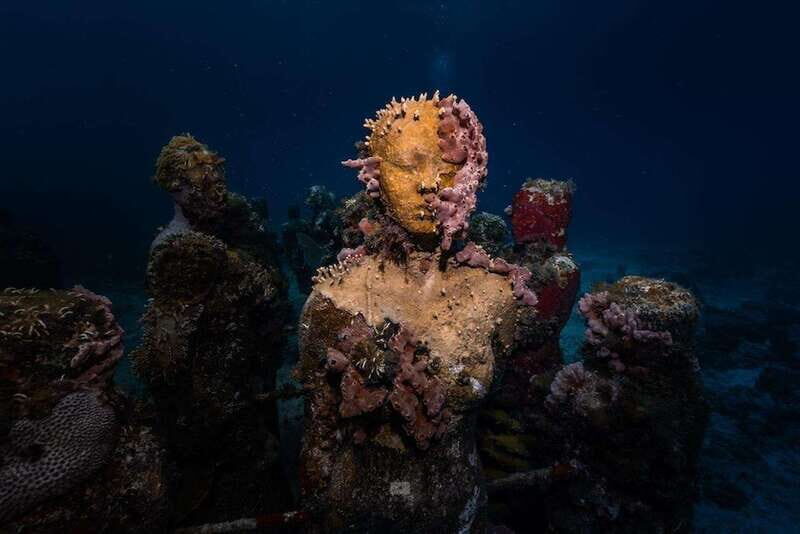
- MUSA + Manchones Reef are both around 9m/30ft, ideal for comfortable sightseeing.
- Two separate 1-hour underwater sessions keep the day balanced instead of one long push.
- You’ll see big-name reef residents: stingrays, turtles, eels, barracudas, and nurse sharks (when they’re around).
- Jason deCaires Taylor’s installations are built for conservation and art at the same time.
- The schedule includes a 30-minute break so you can reset before the second site.
- Your tank time is not limited to 30–45 minutes, so you get more real water time.
MUSA and Manchones Reef: the why behind the two-stop combo
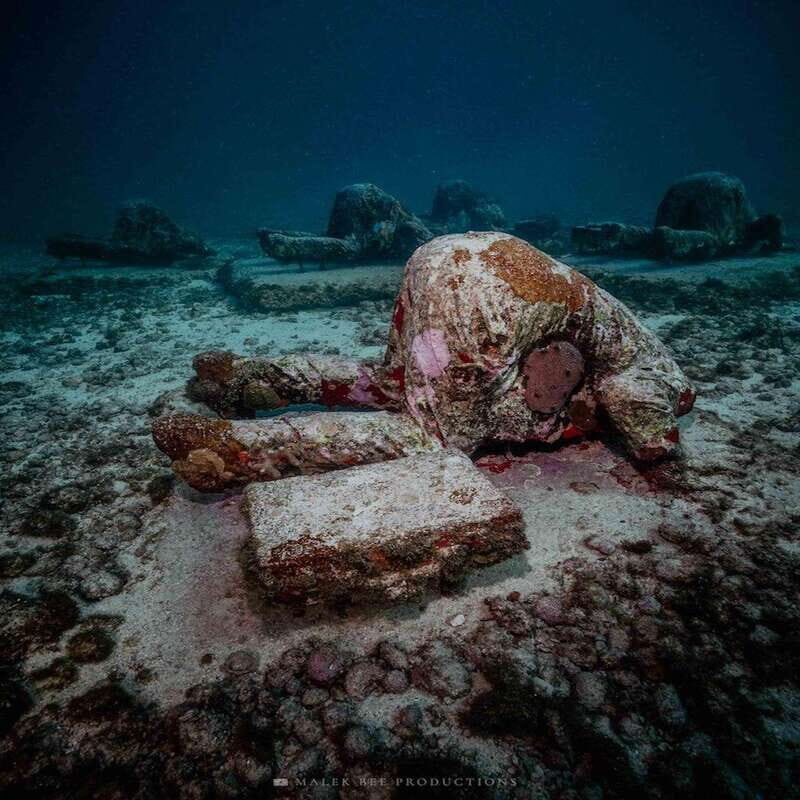
I love when a tour has a clear purpose, not just a checklist. Here, the purpose is simple: MUSA shows you ocean art and conservation in one place, and Manchones Reef shows you what the local ecosystem looks like when you look at it as habitat, not decoration.
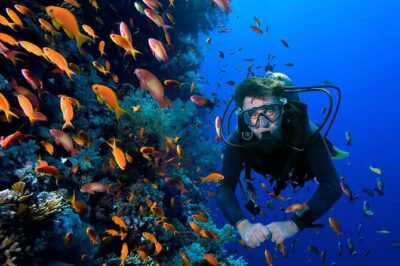
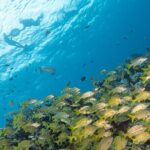
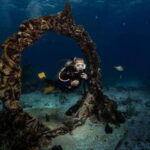
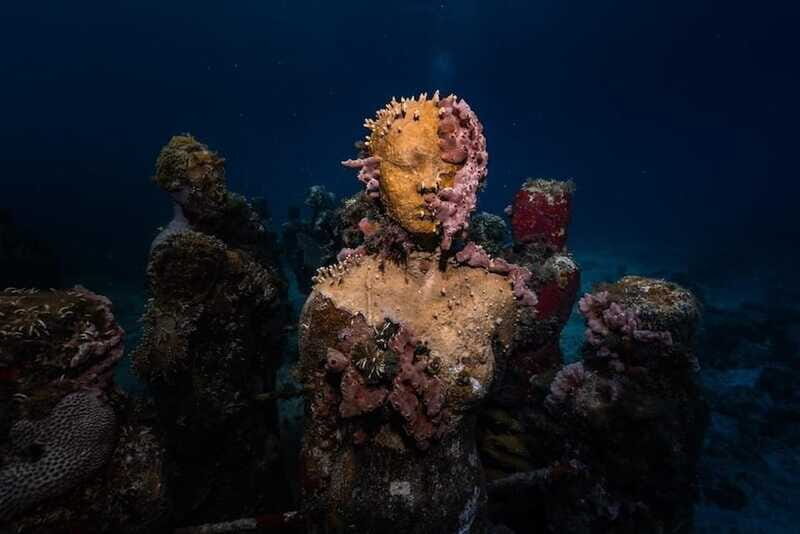
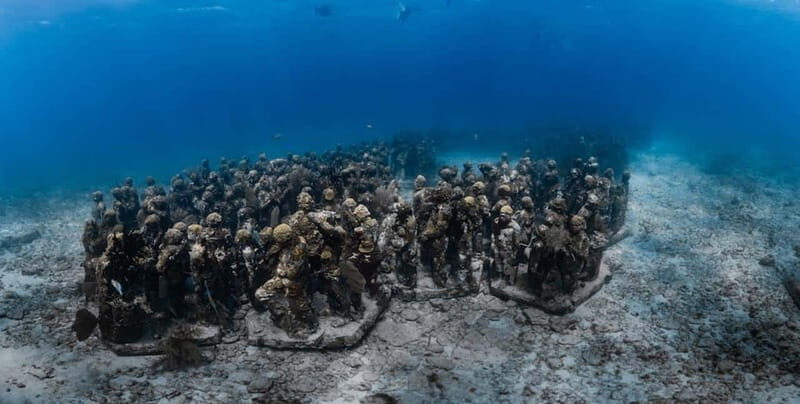
At MUSA, you’re moving through a living gallery. The sculptures are part of the attraction, but what really makes it special is how fish treat the structures like a reef. You’ll see schools of grunts and rainbow parrotfish working the area, plus rays and turtles that glide in like they’re on a schedule of their own.
Then you shift to Manchones Reef, still in the same depth range, so you don’t feel like you’re jumping into a totally different challenge level. The reef animals listed for this site are the kind you hope to spot on any trip: eels that can vanish in a second, hunting barracudas that look suddenly close, and nurse sharks that may stay calm as you pass (assuming you keep your distance and stay respectful).
If you’re the type who likes variety—art one hour, animals the next—this layout makes sense.
You can also read our reviews of more tours and experiences in Isla Mujeres.
Getting to Isla Mujeres: speedboat timing and how it affects your day
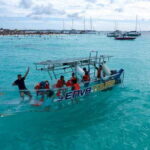
Your trip starts at Aqua Adventures Eco Divers, where you’ll do a short on-foot transfer (about 5 minutes) before you’re lined up for the speedboat ride. That boat segment is around 20 minutes, and it matters because it sets the tone for the whole schedule.
A speedboat ride usually means two things: you’ll feel the motion, and you’ll also get that quick jump from land-world into sea-world. If you’re motion-sensitive, that’s where your planning helps most. The tour’s guidance is specific: take medication the day before and again the morning of your dive to make the ride and the day more comfortable.
Once you’re out, there’s a 5-minute safety briefing. This isn’t the time to wing it. Even if you’re an experienced diver, use that briefing to confirm your buddy plan and how you’ll move around the structures at MUSA and over reef terrain at Manchones.
The pre-water moment: safety briefing, gear, and the pace
This day is built to keep you comfortable and organized. You’ll head through a short safety talk, and then you’re ready to get kitted up with the provided essentials: weights and tanks. If you don’t travel with your scuba gear, you can rent it on site for $25 USD for a full set—so check what you’re bringing before you arrive.
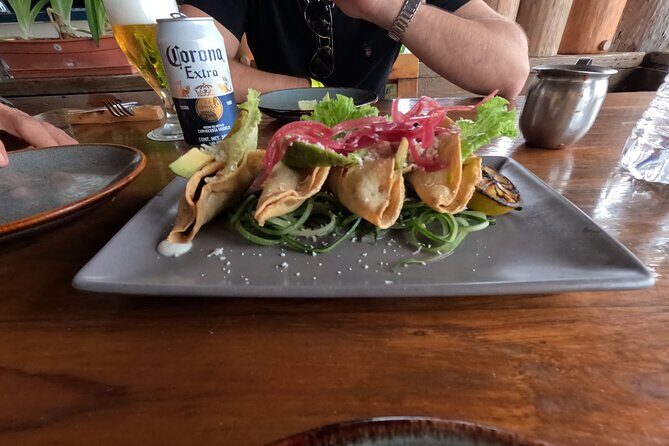
One smart detail in your favor: the tour includes snacks and refreshments. For a 4.5-hour outing, that small fuel matters, especially if your second underwater session arrives when you’d normally be ready to snack again.
Also, the instruction language options (English, Spanish, German) mean you’re less likely to get lost in jargon. If you’re working with German or Spanish instructions, this setup can make the safety and buoyancy cues easier to follow.
Finally, group size is limited to 10 participants, which usually means you’re not squeezed into a huge pile. That can change the whole underwater feel—more room to move, and less waiting at the surface.
MUSA underwater museum at 9m/30ft: art you see up close (and why it works)
Both stops on this tour are around 9m/30ft, which is a sweet spot for most certified divers. You get enough depth for real underwater atmosphere without the kind of cold, dark feeling that can sap your attention. The result: you can actually take in the art and still enjoy what the reef is doing around it.
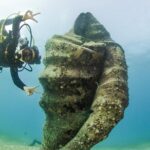
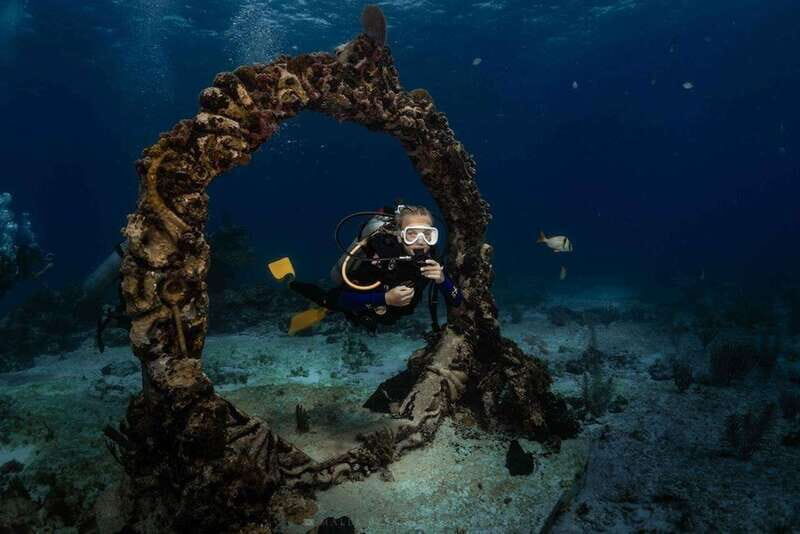
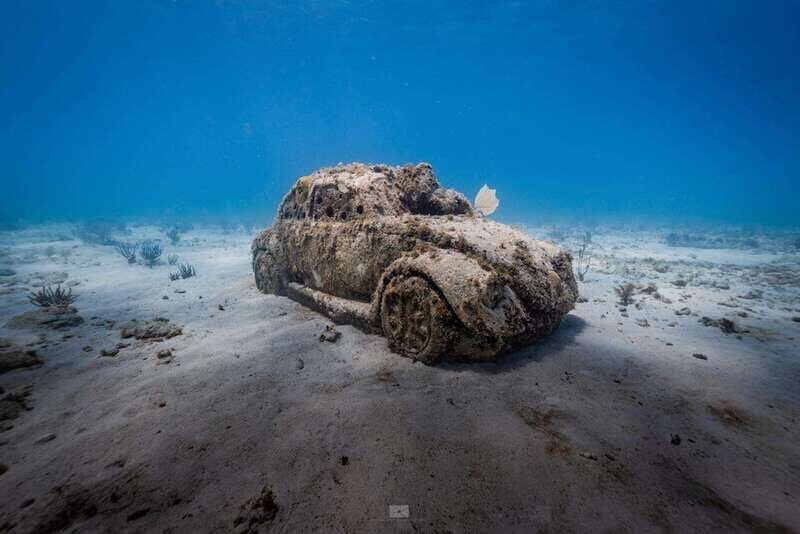
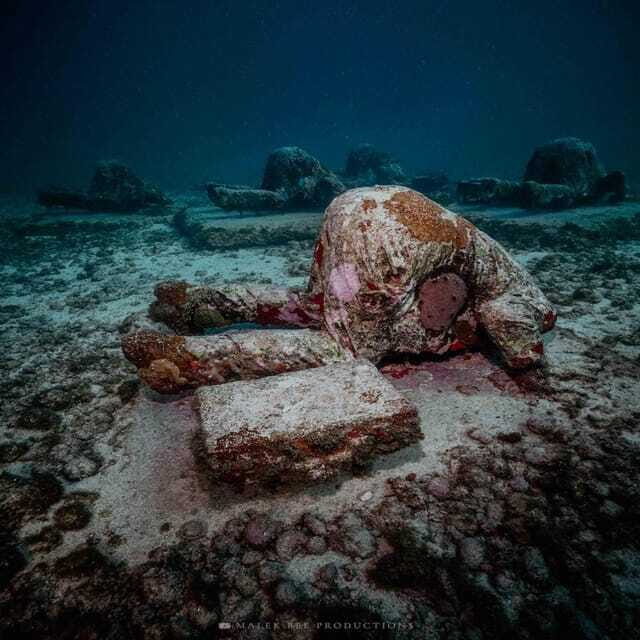
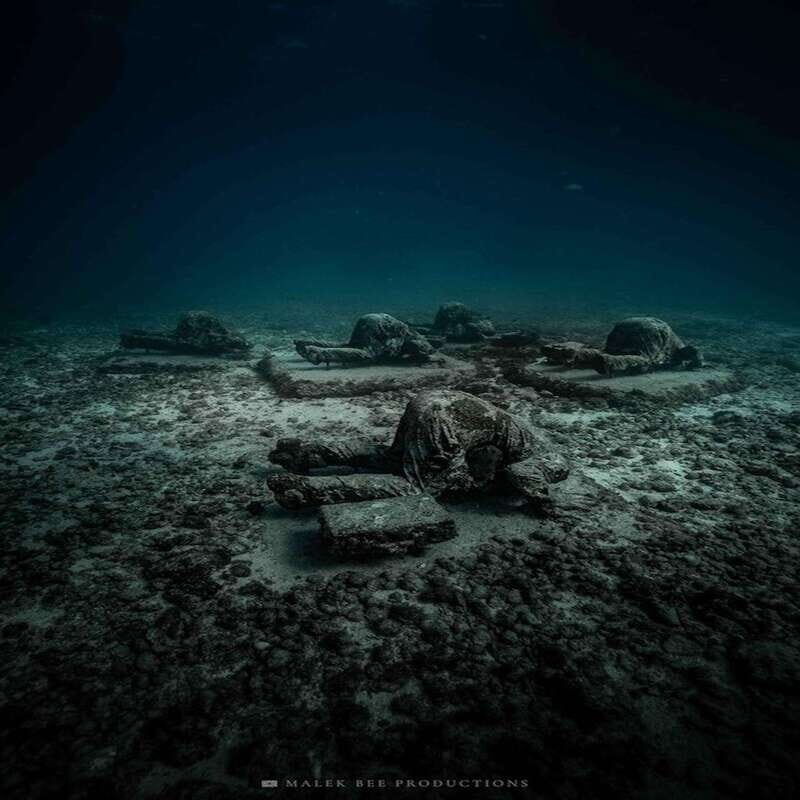
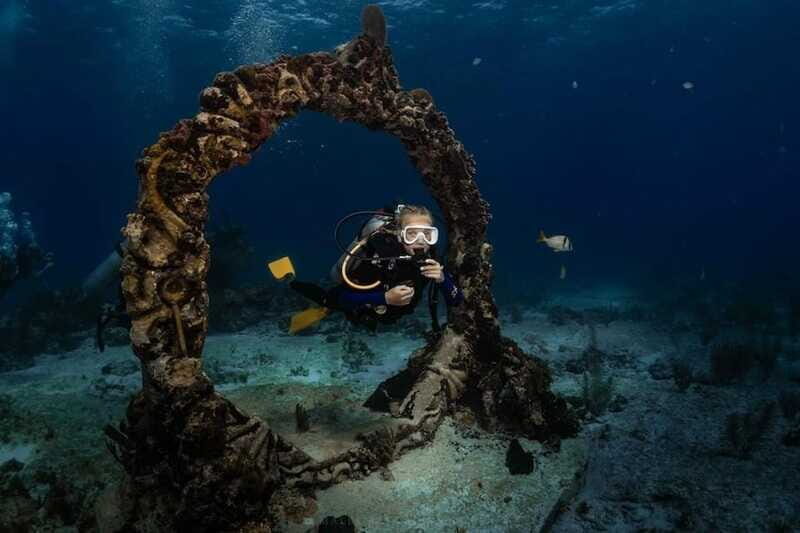
MUSA is the Underwater Museum of Art, created by Jason deCaires Taylor, and the purpose is both artistic and conservation-based. You’ll swim among the structures as the ocean claims them. The art isn’t just decoration; it becomes part of an underwater setting that supports life.
What you’ll see is where the magic becomes practical. Fish gather around the sculptures, and the reef activity helps you navigate without stress. The list of underwater residents for MUSA includes schooling grunts, rainbow parrot fish, stingrays, turtles, eels, and barracudas. Even nurse sharks can be in the mix. The exact animals you spot will vary day to day, but the overall picture is consistent: motion all around you, not a barren “look and swim past” experience.
Why this matters for you: underwater art can turn into a photo-only chase. MUSA is different because the installation is treated like reef. The fish behavior makes it feel alive, which means you spend more time noticing details and less time worrying about finding the perfect angle.
And because the tour includes the tank-time promise—your water time is not capped at a typical 30–45 minutes—you’re less likely to feel rushed between checkpoints. You can slow down, watch how fish react to your presence, and actually enjoy the gallery.
Manchones Reef at 9m/30ft: reef life with room to breathe
After the first underwater session, there’s a 30-minute break. Use it the way you would on any good day out: hydrate, reset your breathing, and eat something small if you need it. This break keeps the second hour from feeling like survival.
Manchones Reef is another 9m/30ft site, so the transition is smooth. That depth choice helps you focus on sightlines, animal spotting, and buoyancy rather than fighting changing conditions.
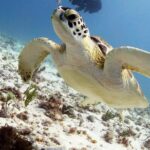
The tour’s reef highlights are animal-forward: you’re looking for stingrays, turtles, eels, and barracudas, plus the calmer cruisers like nurse sharks if they’re visible that day. You’ll also see more of the “schooling fish” energy that makes this area feel active even when the currents are calm.
One practical tip: plan your underwater pacing. With reef animals, the best sightings often come when you hover and watch patterns for a minute instead of sprinting forward. At this depth, you’ll likely have enough time and clarity to do both—move to new angles and then pause to observe.
If you’re the kind of diver who loves variety—large animals sometimes, plus smaller reef life all the time—this second stop delivers. If you’re purely photo-focused, Manchones can still reward you, but you’ll get better results by staying relaxed and letting wildlife come to your line of sight.
The underwater schedule: what “two tanks” feels like in real time
Here’s what the day actually adds up to: about 1 hour underwater at the first site, a 30-minute surface break, then another 1 hour underwater at the second site. Add the speedboat rides (about 20 minutes each way) plus the short safety briefing and the meeting-time check-in, and you’re looking at the listed 4.5 hours total.
Two 1-hour sessions is a big deal for your comfort. One long session can push fatigue, especially if you’re still dialing in your buoyancy or just enjoying slow animal spotting. Two sessions also reduce the chance you’ll miss the best part because you got tired halfway through.
The tour’s inclusion of tank time being not limited to a short 30–45 minute window is also worth appreciating. Some operators squeeze time to match a tighter schedule. Here, that breathing room can translate into better sightings and a more relaxed second session.
What to bring planning-wise: stick to the basics you’d use for any certified scuba outing. The only requirement listed is diving certification. Since there’s a gear rental option for $25 USD, you don’t have to travel with your whole setup—but if you can bring your own mask and fins, you might feel more comfortable from the first minutes.
Price and value: is $125 per person fair?
At $125 per person, the real question is what you’re getting for that money. This tour doesn’t just sell access to two sites. It includes national marine park fees, expert guidance, weights and tanks, and refreshments and snacks. That matters because those costs and logistics can add up fast when you book separately.
Also, the tour includes the thing divers care about most: time. Since your tank time isn’t restricted to a short typical window, you’re paying for the structure of the day, not just the right to get wet.
On the other hand, scuba gear rental is extra at $25 USD for a full set. If you show up without your gear, budget that. If you bring your own scuba set, that rental cost disappears and the value improves.
So, who should feel good about this price?
People who want two underwater experiences in one outing, who care about the MUSA art-and-conservation concept, and who prefer a small group pace. If you only want one quick site, then you might compare costs with shorter options. But if you want the full two-stop plan, this price looks reasonable for what’s included.
Who should book this tour (and who should skip it)
This is designed for certified divers and is not suitable for children under 10. It’s also not for people with back problems or pre-existing medical conditions. If you’re healthy and you meet the certification requirement, the depth around 9m/30ft makes it approachable for many divers.
Languages are covered too: English, Spanish, and German instructions. That can help you feel confident when the safety briefing hits.
You’ll especially enjoy it if you like:
- Underwater art with a purpose, where the ocean actually brings the installation to life
- Reef wildlife spotting at an easy-to-watch depth
- A calm day that’s planned around two clear underwater goals
If you’re chasing the biggest thrills or want a technical training focus, this isn’t advertised that way. It’s built more for viewing, observing, and enjoying.
Booking checklist and practical tips you’ll thank yourself for
Before you go, do three things:
- Bring your scuba certification card.
- Decide whether you’ll rent gear for $25 USD or bring your own.
- If you get motion sickness, follow the recommendation to take medication the day before and the morning of.
Underwater behavior matters here. The tour lists no fishing, and it also forbids alcohol and drugs. It even calls out no alcoholic drinks in the vehicle, so plan to keep the day clean and safe.
Finally, remember that the point of both sites is conservation and habitat. Keep a respectful distance from sculptures and marine life. You’ll get better photos, and you’ll help the underwater museum and reef stay healthy.
Should you book the MUSA and Manchones Reef 2-tank tour?
Book it if you want a two-stop Isla Mujeres scuba day that mixes purpose-built underwater art with classic reef wildlife, all at a comfortable depth around 9m/30ft. The value is strong when you factor in marine park fees, tanks and weights, and the longer-than-rushed tank time.
Skip it if motion sickness is a problem you can’t manage, or if you fall into the listed categories that make the tour unsuitable (like children under 10, back issues, pre-existing medical conditions, or no certification).
If you’re a certified diver who enjoys looking slowly—at sculptures, at fish patterns, at rays and turtles moving through the water—this is a very practical way to spend a half day on Isla Mujeres.
FAQ
How long is the MUSA and Manchones Reef 2-tank tour?
The total duration is about 4.5 hours.
What does the tour cost?
It costs $125 per person.
What’s included in the price?
Included are national marine park fees, expert guidance, weights and tanks, refreshments and snacks, and tank time that is not limited to a 30–45 minute scuba window. Scuba gear rental is not included.
Do I need to bring scuba equipment?
Scuba gear use is not included. Full set rental is available at the shop for $25 USD. You do need to bring your diving certification.
How deep are the two sites?
Both MUSA and Manchones Reef are at about 9m/30ft.
Is it a small group tour?
Yes. It’s limited to a small group of up to 10 participants.
What if I’m prone to motion sickness?
If you’re susceptible, the tour recommends taking medication the day before your dive and the morning of to help reduce discomfort.
What languages are the instructors?
Instructors provide guidance in English, Spanish, and German.