REVIEW · HOLBOX
Holbox: Mangrove Sunset Kayak Tour
Book on GetYourGuide →Operated by Eco Adventure Holbox · Bookable on GetYourGuide
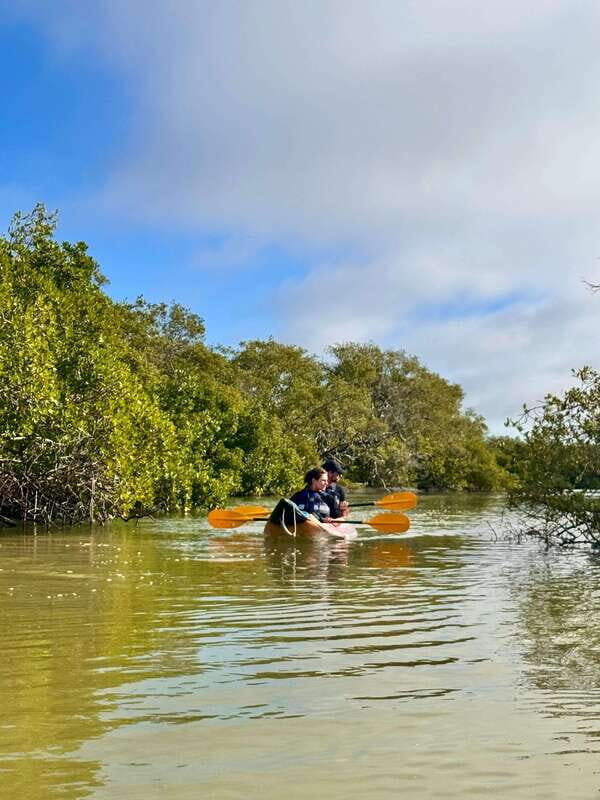
Mangroves at sunset, with crocodiles nearby. This Holbox kayak tour takes you into the Kuká River where a protected ecosystem comes alive with birds, mangroves, and American crocodiles at a respectful distance. You’ll paddle in special flamingo-style kayaks while your guide points out feeding and resting spots, then talk about the area as the light softens.
I love the small-group feel (up to 10 people), because it stays personal and your guide can help when conditions get tricky. I also love the flamingo design kayaks, which make the experience feel playful but still practical for a real wildlife route.
One thing to consider: paddling can be sometimes difficult depending on current, tide, waves, and wind, and weather on Holbox changes fast.
In This Review
- Key things that make this tour worth your attention
- Flamingo Kayaks on Holbox: why the ride feels different
- From pickup to launch: the 3.5-hour timing that keeps it relaxed
- The paddle into Kuká River: birds show up when you go slow
- Inside the mangroves: why three mangrove types matter
- Sunset timing and the snack break: a pause that makes sense
- American crocodiles: viewing without turning it into a zoo visit
- Who your guide is matters: from training to calm leadership
- Paddling reality check: current, tides, wind, and weather
- What you need to bring (and what the tour provides)
- Price and value: why $55 can feel fair on Holbox
- Should you book the Holbox Mangrove Sunset Kayak Tour?
- FAQ
- FAQ
- How long is the Holbox Mangrove Sunset Kayak Tour?
- Where does the tour start and how do you get there?
- What wildlife might I see on this tour?
- Are American crocodiles dangerous here?
- What’s included in the price?
- Do I need to bring insect repellent?
- Are kids allowed?
- What happens if weather is bad?
Key things that make this tour worth your attention
- Kuká River protected area: you enter where the ecosystem is guarded, not a performance zone
- Wildlife-focused guiding: your guide knows likely bird feeding and resting points
- Three mangrove types: you pass through an ecosystem that functions like a natural filter and nursery
- American crocodiles, respected at distance: wildlife viewing rules are clear and safety stays front-of-mind
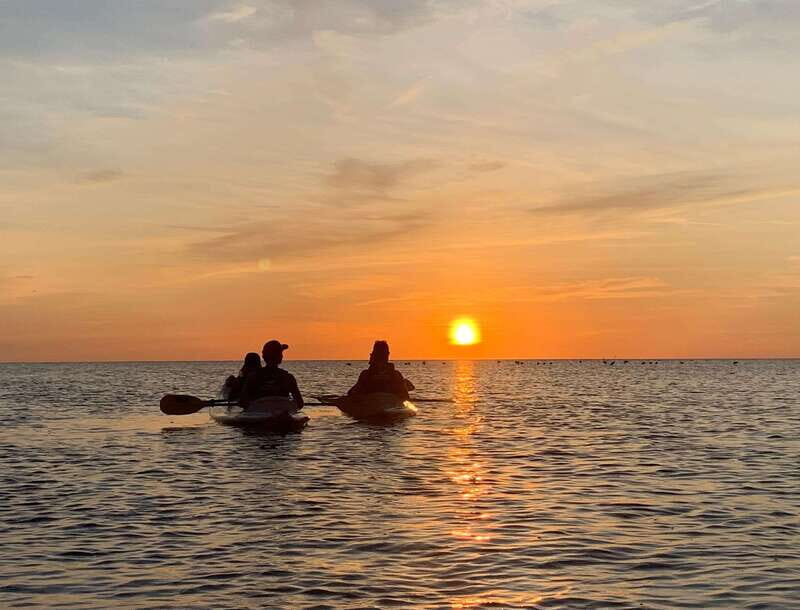
- Sunset paddling in a calm pocket: the timing gives you soft light for birds and photos
- Included comfort basics: lifejacket, dry bag, water, mosquito repellent, and snack
Flamingo Kayaks on Holbox: why the ride feels different
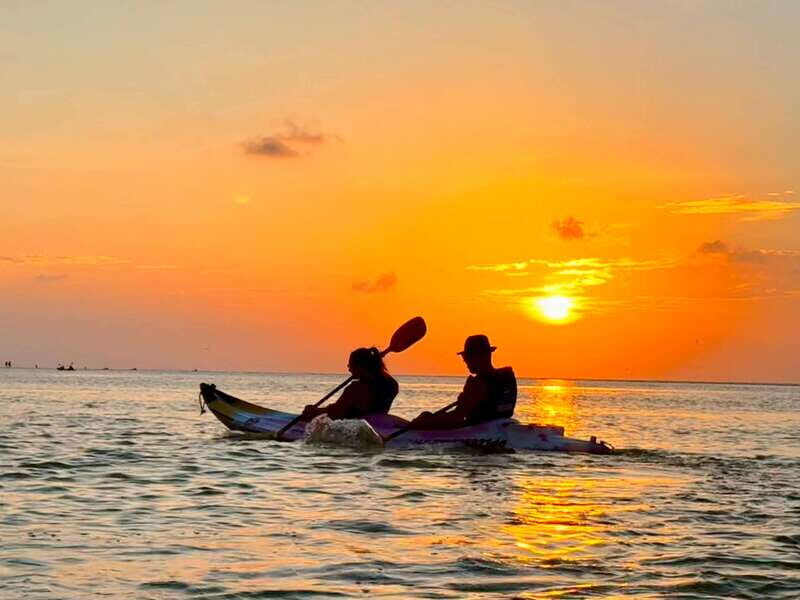
On Holbox, it’s easy to get stuck in beach-mode. This tour is a change of pace: you trade sand for mangroves and shade, and you do it from a kayak. The kayaks are described as flamingo design, and that matters more than you might think. A stable, low-profile kayak helps you stay focused on paddling and spotting wildlife instead of constantly wrestling your gear. It also makes the experience feel unique the moment you start moving.
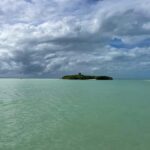
The other big difference is the guide-led approach. This isn’t just a scenic float. You’re paddling approximately 2 km between sandbanks and the beach before reaching the Kuká River entrance—right where the protected area begins. Once you’re inside, your guide keeps an eye on birds, crocodiles, and bird noise levels so everyone stays in sync with the animals’ natural behavior.
You can also read our reviews of more evening experiences in Holbox
From pickup to launch: the 3.5-hour timing that keeps it relaxed
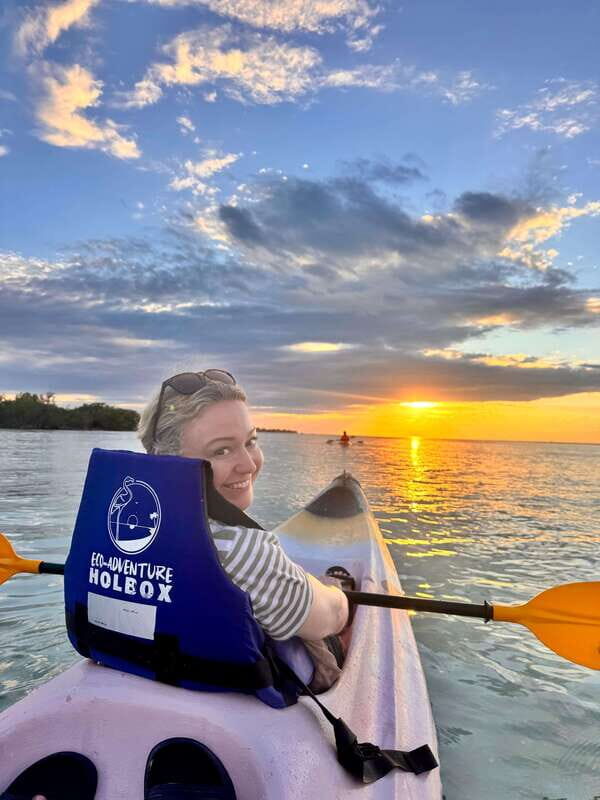
You start in Holbox with a pickup and then take a short golf cart ride (about 10 minutes) to the launch area. Total tour time is listed at 3.5 hours, with about 2.25 hours for kayaking and the guided part on Isla Holbox. That split is helpful. You get enough time inside the river to feel like you actually left the busy part of the island behind, without dragging the day out.
Here’s the pacing logic I like: you don’t rush straight into the mangroves. You move out between sandbanks toward the river entrance, then you shift into the quieter rhythm of paddling along protected waters. That pacing gives your brain time to adjust—from beach sights and sun to shaded waterways and slower movement where birds and reptiles feel more present.
Also, you’re not expected to figure everything out alone. The tour includes a lifejacket, a dry bag, and mosquito repellent. You’ll also get a water setup and a snack break, so the focus stays on wildlife and the sunset mood rather than hydration panic.
The paddle into Kuká River: birds show up when you go slow
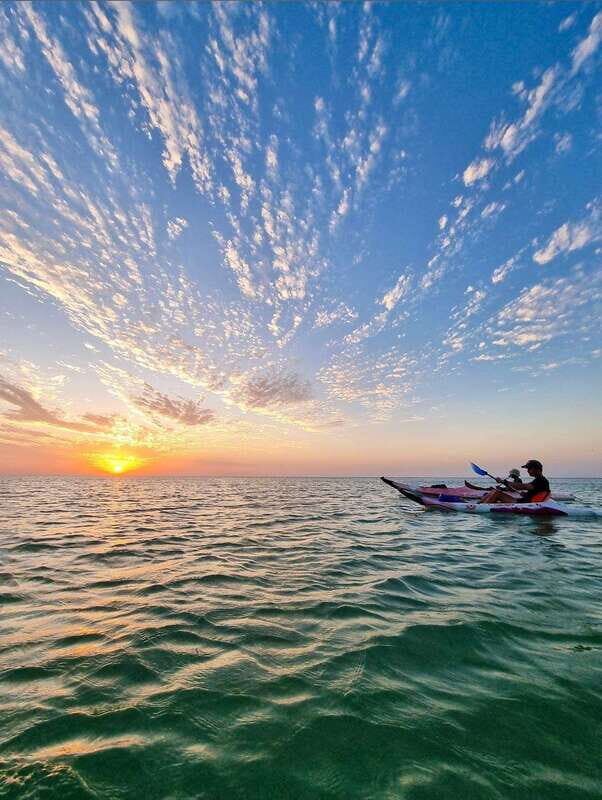
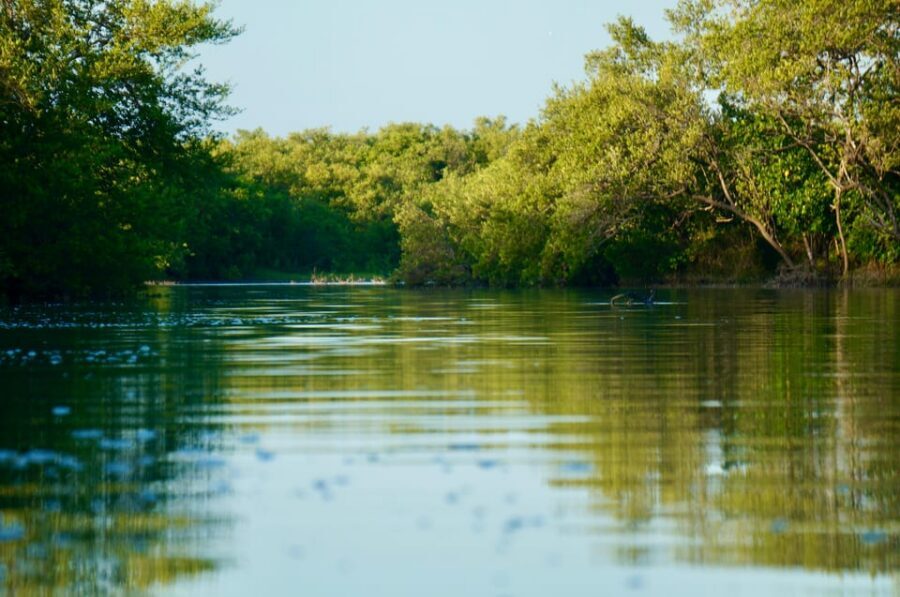
Once you reach the Kuká River entrance, the whole vibe changes. The goal is to keep a respectful speed and sound level while moving through the ecosystem. The route description is specific: you enter the river where protected habitat begins, and along the way you can encounter different bird life.
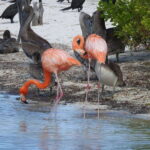
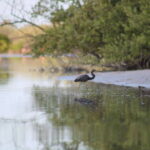
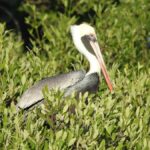
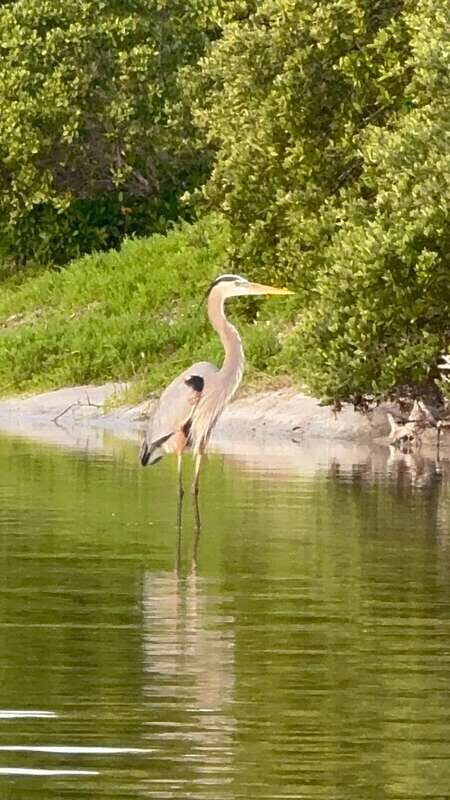
You might see resident birds such as ospreys, cormorants, frigates, shorebirds, and herons. And then there are migratory birds, which can shift by season. The tour info calls out flamingos May to December, with winter sometimes bringing more species. Depending on timing, you might spot white pelicans and the Mexican tiger heron too.
I like how the guides frame birdwatching here. They don’t treat birds like checklist items. Instead, they know feeding and resting points, which means you’re more likely to get those moments where a bird actually pauses—just long enough for you to watch behavior instead of only catching a flash of movement.
If you care about photos, bring patience. This is a slow-water tour where the best shots often happen when you stop paddling and let the birds decide to show up.
Inside the mangroves: why three mangrove types matter
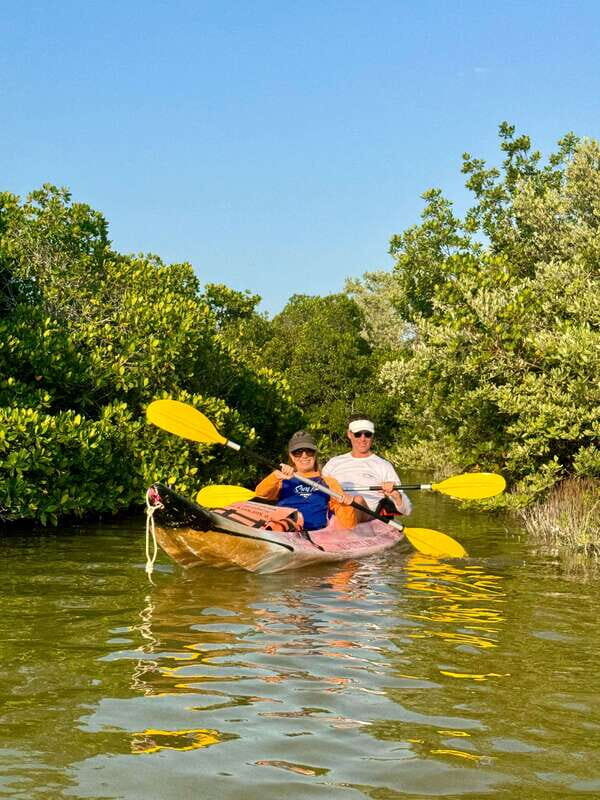
Mangroves aren’t just pretty roots. In a protected river system, they work like shelter, nursery habitat, and a natural buffer against wind and wave energy. This tour specifically mentions three types of mangroves inside the river ecosystem, and that’s a meaningful detail. It suggests you’re traveling through multiple micro-habitats rather than one uniform stretch.
Practically, what that means for you is shade, quieter water, and more stable viewing conditions than open beach. Mangrove roots also create natural hiding places. So when you see movement—small head turns, wing adjustments, a sudden stillness—there’s often a reason. Your guide will help you connect what you’re seeing with the ecosystem functions they were trained to recognize.
You’re also told the landscape inside the river is unique and relaxing, with a focus on connecting with nature. The real value here is that the pace is built for observation. You’re not sprinting from one attraction to the next.
Sunset timing and the snack break: a pause that makes sense
The tour includes a stop inside the river where you’ll have a snack (fruit or an energy bar, plus water). It’s a smart moment for two reasons.
First, it gives you a break from paddling effort. Even with a stable kayak, your shoulders will feel it if you’re holding position while watching birds. Second, it’s the perfect time to look and listen without the noise of moving blades. That matters because wildlife responds to sound and presence.
At some point when the guide feels you’re not affecting species due to noise, you’ll also get a talk about the natural protected area and the ecosystems you’re seeing. This is where the tour becomes more than wildlife spotting. If you’re curious, ask questions. The guide’s training is described as allowing them to answer based on what they’ve learned.
One small practical note: if you’re particular about your snacks, know that fruit or an energy bar is provided as part of the included package. Plan to eat that during the river break rather than expecting a separate meal stop.
You can also read our reviews of more tours and experiences in Holbox
American crocodiles: viewing without turning it into a zoo visit
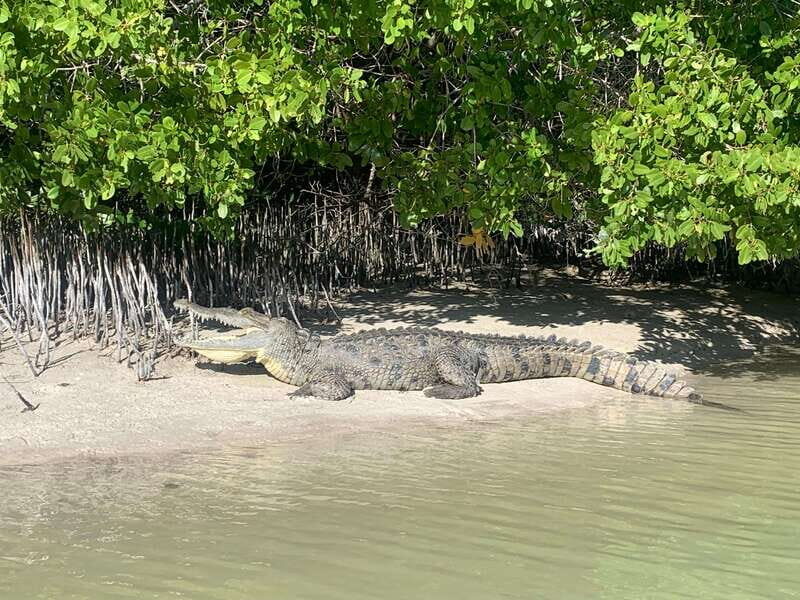
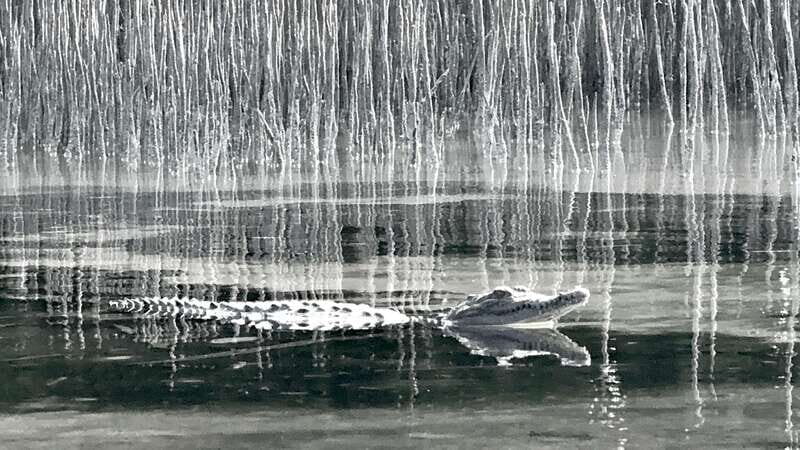
Let’s talk crocodiles, because that detail makes this tour stand out. The tour info says you can venture in the natural habitat of American crocodiles and that they are not aggressive—as long as guides respect distance and the animals’ space.
That’s the key. You’re not going close for a thrill shot. The rules are about not touching marine life and not disturbing plants, which helps keep the encounter safe and ethical. Your guide will also use their knowledge of resting and feeding points so you’re more likely to see crocodiles in natural behavior instead of forcing an approach.
In my view, the best part of crocodile-focused tours is when the guide makes the experience calmer, not more dramatic. The tour description supports that: you watch at a distance, and the focus stays on ecosystem understanding rather than bait-like excitement.
If you want the best odds of spotting them, don’t rush. Let your guide know you’re interested, but follow instructions for quiet movement and spacing.
Who your guide is matters: from training to calm leadership
This tour is led by local guides, and one review highlights a guide named Toma as friendly, competent, and passionate about nature. That kind of leadership is exactly what you want for a wildlife route, because the job isn’t just finding animals—it’s managing noise, timing, and everyone’s comfort.
The guide also speaks Spanish, English, and French, and the tour notes that they try to answer questions based on their training. That matters if you like to understand what you’re seeing: which birds are active right now, why the mangroves look like they do, and what to do if you notice an animal nearby.
Small group size (limited to 10 participants) supports that more personal guiding. With fewer people, your guide can monitor spacing, paddling pace, and reactions without feeling like a conductor for a whole orchestra.
Paddling reality check: current, tides, wind, and weather
This is a tour where nature still runs the schedule. The info is clear that paddling could be difficult at times due to current, high tide, waves, or wind. That doesn’t mean it’s unsafe, but it does mean you should judge your comfort level honestly.
Weather is described as very unpredictable on an island. If forecasts point to storms, the maritime authority notifies the operators and activities can be canceled. You’ll be informed if that happens. In other words: you don’t need to stress about pretending conditions will cooperate.
Also, the tour isn’t for everyone:
- Not suitable for children under 9
- Not suitable for people with back problems
- Not suitable for wheelchair users
- Not suitable for people prone to seasickness
If you’ve done calm kayaking before and you’re comfortable with some effort, you’ll likely enjoy this. If you get tense in moving water, tell the guide early so they can set expectations for your route pace.
What you need to bring (and what the tour provides)
You’ll get a lot of key gear handled: mosquito repellent, water, fruit (or energy bar), dry bag, and a lifejacket. You also get taxi back to the center included, which saves you from sorting out transport after your paddle.
Bring what the tour asks for:
- hat
- sunscreen
- comfortable clothes
- insect repellent (they also advise biodegradable)
- a reusable container if possible, since the guide prefers you bring a termo and notes they do not use plastics
The biodegradable insect repellent tip is worth taking seriously on a nature-focused tour. You’ll be around mangroves and wildlife, and the whole experience depends on keeping the ecosystem undisturbed.
What you should not do: smoking, touching marine life, and touching plants. Those rules aren’t just for safety; they protect the animals and the habitat you came to see.
Price and value: why $55 can feel fair on Holbox
At $55 per person for a 3.5-hour guided wildlife kayak tour, the value comes from what’s included—not just the kayaking time. You’re paying for:
- a guide (with bird and crocodile knowledge)
- small-group guiding (max 10 people)
- safety gear (lifejacket)
- comfort items (repellent, water, snack)
- equipment support (dry bag)
- transport support (taxi back to the center)
Some tours on islands feel like you’re paying mostly for the vehicle and the photo moment. This one leans toward the experience itself: time in a protected river, guided interpretation, and a planned snack break inside the habitat.
Is it budget? Probably not. But compared to booking separate transport, renting gear, and paying for a guide with specialty wildlife knowledge, it’s a solid, straightforward package—especially if you want sunset plus mangroves and not just a simple boat ride.
One note: CONANP bracelets are listed as not included. The tour data doesn’t explain what those are beyond the bracelet mention, so just know you may need to arrange that separately.
Should you book the Holbox Mangrove Sunset Kayak Tour?
Book it if you want a nature-focused Holbox activity that actually slows you down. You’ll paddle into the Kuká River protected area, scan for birds and mangrove life, and enjoy a sunset-timed experience with a real guide. It’s a great fit for couples, small groups of friends, or anyone who likes wildlife and calm outdoor time more than crowded sightseeing.
Skip it if paddling in moving water would stress you out, or if you fall into the tour’s not-suitable categories (young kids under 9, back issues, wheelchair users, or seasickness-prone folks). Also skip if you hate unpredictability—because this is a weather-dependent ocean/island environment, and cancellations can happen if conditions are unsafe.
If you do book, your best move is simple: come rested, wear the right protection, and listen to your guide. In a mangrove ecosystem, the animals reward patience.
FAQ
FAQ
How long is the Holbox Mangrove Sunset Kayak Tour?
The tour duration is listed as 3.5 hours, with kayaking and the guided portion on Isla Holbox taking about 2.25 hours.
Where does the tour start and how do you get there?
Pickup is included in Holbox. You then take a golf cart ride (about 10 minutes) to the kayaking area, and the taxi back to the center is included at the end.
What wildlife might I see on this tour?
You may see region birds like ospreys, cormorants, frigates, shorebirds, and herons. Depending on the season, migratory birds may include flamingos (May–December), white pelicans, and the Mexican tiger heron. American crocodiles may also be spotted in their natural habitat.
Are American crocodiles dangerous here?
The tour information says American crocodiles are not aggressive and that the guides respect distance and the animals’ space.
What’s included in the price?
Included items are the kayak tour, mosquito repellent, water, fruit (or energy bar), dry bag, lifejacket, and taxi back to the center.
Do I need to bring insect repellent?
The tour includes mosquito repellent, but the packing list also advises bringing insect repellent, ideally biodegradable.
Are kids allowed?
No. The tour is not suitable for children under 9 years old.
What happens if weather is bad?
Weather on an island is unpredictable. If bad weather or storms are forecast and the maritime authority notifies operators, the tour activities are canceled and you will be informed.