REVIEW · COZUMEL
Authentic Mayan Cooking Class in Cozumel
Book on Viator →Operated by Ix Kool · Bookable on Viator
Spice and culture in one sitting. This Mayan cooking class in Cozumel at Ix Kool turns ancient ingredients into dishes you can actually taste and recreate. I like that it’s hands-on, not just a demo, with time to prep items and then sit down to a meal you helped make.
You’ll get a clear mix of food and meaning. You’ll start with a short cultural program (including a Mayan musical ceremony in some sessions), then move through kitchen stations that connect flavors to the region’s traditions, from tortillas to pork dishes and corn-based dessert.
One thing to consider: the experience can be easier to enjoy if you’re okay with a louder indoor space. A few people noted they had trouble hearing instructions or seeing screens depending on where they sat, so bring patience and come hungry.
In This Review
- Key Things You’ll Really Care About
- Why This Ix Kool Mayan Cooking Class Works in Cozumel
- What You’ll Eat: The Menu Is the Point
- Beans with pork
- Cochinita pibil
- Sikilp’aak’
- Cornbread, made with corn
- A Realistic Itinerary: Ceremony, Prep, Then Plenty of Food
- 1) You arrive and get set up at Ix Kool
- 2) A short cultural program comes first
- 3) Video plus guided instruction
- 4) Hands-on stations (where you earn your meal)
- 5) The meal: you eat what you helped create
- Hands-On Cooking: Tortillas, Guac, Salsa, and Spice Work
- Tortillas you make, then food you actually eat
- Guacamole and salsa-style prep
- Grinding spices and learning the why
- The Cultural Layer: Paco, Juan, and the Why Behind the Food
- Where It Is and How to Find It Without Stress
- Price and Value: Is $60.99 Worth It?
- Who This Class Fits Best (and Who Might Want a Different Option)
- Should You Book This Authentic Mayan Cooking Class in Cozumel?
- FAQ
- How long is the Authentic Mayan Cooking Class in Cozumel?
- Where does the class start?
- Is this class private?
- What language is the class offered in?
- What dishes are included?
- Do I need to bring anything?
- Is free cancellation available?
Key Things You’ll Really Care About
- Full meal, not snacks: you’ll eat what you helped prepare plus additional dishes and drinks
- Real Mayan flavor building blocks: expect ingredients like sour orange, red spices, and seeds used for regional marinades
- Specific regional specialties: including cochinita pibil and sikilp’aak’
- Small, personal class option: it can run as a private experience with only your group
- Hands-on stages: tortilla and salsa-style prep shows up more often than pure observation
- Culture before the food: a short cultural program sets the context for what you’re eating
Why This Ix Kool Mayan Cooking Class Works in Cozumel
If you’re doing Cozumel as a cruise stop, you need an activity that fits in real time and still feels meaningful. This class is built for that sweet spot: about 2 hours 45 minutes, indoor-friendly, and centered on food you can’t easily copy from the usual tourist menu.
At Ix Kool, the lesson isn’t just about recipes. It’s about how Mayan cuisine thinks: ingredients first, then method, then taste. The menu you’ll encounter leans into southeast Mexican staples and classic Mayan patterns, like corn, legumes, and pork prepared with regional spice blends.
I also like that you can usually pick from several class times. That matters when you’re juggling shore time, lunch plans, or the rest of your day.
You can also read our reviews of more tours and experiences in Cozumel.



What You’ll Eat: The Menu Is the Point
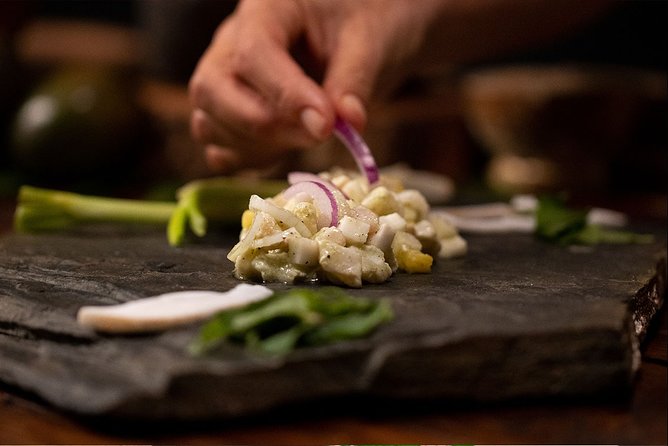
Here’s the structure of the experience’s food: you’ll see a sample menu built around several core items, and in practice you’ll often get additional dishes and drinks too. The headline dishes listed for the class are:
Beans with pork
This is one of those comfort dishes that also teaches you something. The recipe’s two main ingredients are described as typical of the Mexican southeast—so it gives you a taste of the region’s everyday logic: hearty, spicy, and built for real meals.
Cochinita pibil
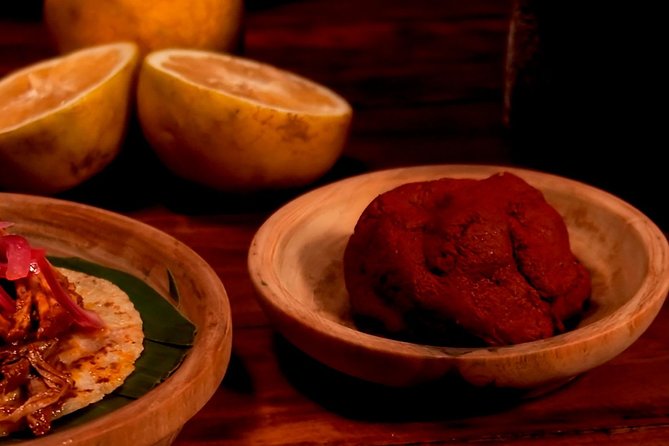
This is a major flavor highlight. The pork is marinated in sour orange juice and a blend of red spices that uses axiote seeds. If you’ve never tasted achiote-style flavors, this is a great introduction because it’s not just hot. It’s earthy, tangy, and aromatic in a way that makes you want another bite.
Sikilp’aak’
This Mayan snack is specifically called out as typical of the area and noted as something you won’t easily find elsewhere in Mexico. That makes it a useful souvenir dish in your head: a reference point for what Mayan snacking can taste like beyond tortillas and salsa.


Cornbread, made with corn
Dessert is corn without flour. That’s a small detail, but it’s a good reminder of how corn-based sweets work differently in the region—denser, more corn-forward, and often less “cakey” than what you might expect.
And in many sessions, you’ll also see hands-on items like tortillas, guacamole, and dips made from ingredients like fire-roasted tomato and pumpkin seeds. Some classes include soups and additional sauces, plus multiple drinks. One review even mentions margaritas being part of the fun, so come expecting more than water and a token bite.
A Realistic Itinerary: Ceremony, Prep, Then Plenty of Food
This class runs about 2 hours 45 minutes, and the flow is consistent: you learn, you work, then you eat. Here’s what you can expect in the order of operations, based on what’s described and what people report.
1) You arrive and get set up at Ix Kool
You’ll meet at Av. Rafael E. Melgar 1, El Parque, 77675 Cozumel, Q.R., Mexico, and the experience ends back there. Since the activity is at Ix Kool inside the shopping-center area, expect an easy-to-enter venue once you find it, but don’t plan to be leisurely about arrival if you’re on cruise time.
2) A short cultural program comes first
Some sessions start with a Mayan musical ceremony and dancers. Even when you skip the ceremony framing, the class still uses video and in-person instruction to connect the food to Mayan culture and the Spanish impact on regional cuisine.
3) Video plus guided instruction
You’ll usually get a video component, then live explanation. This is where the class turns food facts into usable knowledge: what spices are, why corn matters, and how certain dishes show regional identity.
A practical note: a few people found it hard to hear in the busy indoor setting and had trouble seeing screens from their seats. If that’s a worry for you, aim for a place where you can see the instructor’s face and the screen.
4) Hands-on stations (where you earn your meal)
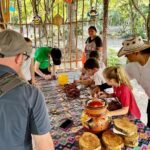
This is the part most people remember: you’ll prep items like tortillas and help with components for spreads and salsas. Multiple reports highlight doing things like:
- making tortillas
- preparing guacamole
- assembling or tasting salsas and dips
- grinding spices (including pumpkin-seed style elements in some sessions)
Not every session is equally heavy on each person’s workload, but the best approach is to show up ready to get your hands involved when they offer you the steps.
5) The meal: you eat what you helped create
After prep, you’ll sit down to a meal that includes the class dishes plus additional courses and drinks. People consistently describe the food as plentiful and freshly prepared. One strong takeaway from the feedback is simple: don’t eat before you go. If you arrive full, you’ll miss the joy.
Hands-On Cooking: Tortillas, Guac, Salsa, and Spice Work
If you’re choosing a cooking class because you want skills—not just entertainment—this one generally delivers the parts that matter.
Tortillas you make, then food you actually eat
Several people specifically mention making tortillas by hand. That’s not just a fun activity; it’s a technique you can recreate later. The class also tends to include corn tortillas as part of the meal experience, which helps you connect your process to the final taste.
One practical heads-up: a couple people said the tortillas you make might not be the ones you personally eat. That doesn’t mean the food isn’t good—there’s plenty around—but it’s worth knowing so you don’t feel like you’re missing your “reward” dish.
Guacamole and salsa-style prep
Guacamole shows up in the hands-on portion often enough that it feels like a core station rather than a surprise. You may also make or assemble smoky salsa elements and tomato-seed style dips depending on the menu set for that day.
Grinding spices and learning the why
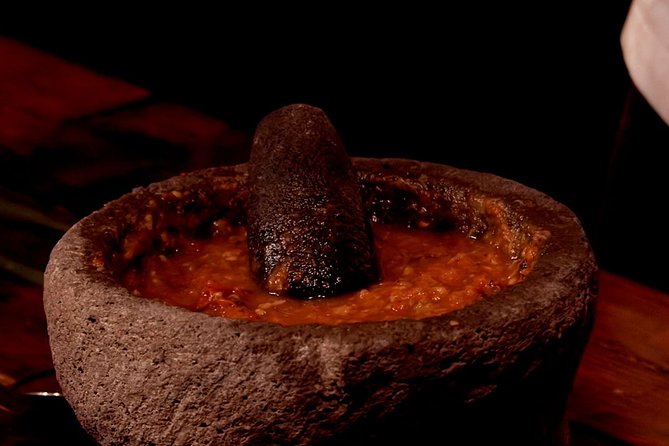
Some sessions include grinding ingredients and working with spice blends. That’s valuable because it’s one of the best ways to understand flavor instead of just copying a recipe. If you want to recreate these dishes at home, you’ll remember what spices smelled like before they became sauce.
The Cultural Layer: Paco, Juan, and the Why Behind the Food
Two instructor names show up repeatedly: Paco and Juan. Both are described as bringing energy and structure to the class, with staff and chefs explaining cultural context alongside the cooking steps.
In plain terms, this part matters because it explains the patterns behind the food:
- why corn is central
- why certain sour and spice combinations matter
- how regional ingredients shape dishes
- how Mayan culinary choices connect to identity
Some sessions also explain links between ancient Mayan culture and the Spanish influence on regional cooking. You don’t need a degree to enjoy this—it’s presented in a way that helps your brain organize what you’re tasting.
Where It Is and How to Find It Without Stress
This is one area where you should be a little organized. The class is held at Ix Kool at the meeting address listed above, and it’s in the shopping-center area rather than a freestanding hut on a back road.
A few people noted confusion about the exact location and suggested the restaurant name be clearer in directions. The good news: once you’re there, the venue is described as clean and modern, and it’s close to the cruise port in practice. One review even called out a short walk from the cruise gate.
My advice: if you’re on a tight cruise timetable, take a photo of the meeting address on your phone before you leave the ship area, and plan to arrive a bit early. You don’t want to start cooking late, because the best part is getting into the prep stations without rushing.
Price and Value: Is $60.99 Worth It?
At $60.99 per person for roughly 2 hours 45 minutes, you’re paying for more than instruction. You’re paying for a full meal, cultural content, and the ingredients and equipment needed for the hands-on part.
Here’s what makes the price feel more fair:
- Multiple courses: you’ll eat the sample menu items plus other dishes that often show up in the class flow
- Drinks included: multiple reviews mention several drinks, not just one small pour
- Hands-on prep: you’re not just watching—tortillas and spreads are part of the learning
- You learn to recreate dishes: the class is positioned as teaching recipes and processes you can bring home
Could it feel pricey if your expectation is heavy knife-work and constant stove time? Yes. A small number of people felt it was less hands-on than they expected. But if your goal is a cultural food education with a real meal at the end, the price-to-experience ratio looks strong.
Who This Class Fits Best (and Who Might Want a Different Option)
This experience is a great fit if:
- you want an authentic Mayan food experience in Cozumel
- you like learning from your senses—taste, texture, spice
- you enjoy structured, guided activities that end in a sit-down meal
- you want a private option where only your group participates
It may be a tougher fit if:
- you need a quiet classroom for audio clarity
- you expect every minute to be hands-on cooking at intense speed
- you’re very sensitive to crowds or steeply challenging indoor spaces (some people mentioned stairs and restroom access issues)
For most food-focused travelers, though, this is the kind of activity that turns a shore day into something you’ll remember.
Should You Book This Authentic Mayan Cooking Class in Cozumel?
I’d book it if you’re hungry for flavor, want an experience that mixes cooking with culture, and you like the idea of learning dishes built on corn, pork, legumes, sour orange tang, and spice blends like axiote-based seasoning.
Book with a small plan:
- arrive ready to eat (skip your pre-class meal)
- pick a seat where you can hear and see the screen if you’re layout-sensitive
- give yourself extra minutes to find Ix Kool within the shopping-center area
If that sounds like your kind of shore adventure, you’ll likely leave happy, full, and with a few real targets to recreate at home—especially cochinita pibil, sikilp’aak’, and corn-forward dessert.
FAQ
How long is the Authentic Mayan Cooking Class in Cozumel?
It runs about 2 hours 45 minutes.
Where does the class start?
The meeting point is Av. Rafael E. Melgar 1, El Parque, 77675 Cozumel, Q.R., Mexico, and the experience ends back at the meeting point.
Is this class private?
Yes. It’s a private tour/activity, so only your group participates.
What language is the class offered in?
The class is offered in English.
What dishes are included?
The sample menu includes beans with pork, cochinita pibil, sikilp’aak’, and corn-based cornbread (no flour). Many sessions also include additional food and drinks as part of the experience.
Do I need to bring anything?
The class provides the ingredients and equipment needed for the cooking activities, so you mainly need to come with an appetite.
Is free cancellation available?
Yes. You can cancel for a full refund up to 24 hours in advance.