REVIEW · CANCUN
Artisanal Chocolate Bean to Bar Workshop in Cancún
Book on Viator →Operated by Jaguar Journey · Bookable on Viator
Chocolate gets hands-on in Cancún. This bean-to-bar workshop turns you from chocolate fan into chocolate maker, starting with cocoa and walking you through the key steps like tempering and molding. You also get the cultural side, with the story and legends of cacao going back thousands of years in this region.
I love the small-group setup (up to 10), which makes it feel more like a cooking class than a show. I also like that you’ll use your senses—touching, smelling, and tasting—while learning how to spot real artisanal bean-to-bar chocolate. One possible drawback: if you have food allergies, the experience notes food allergies, but you’ll want to confirm ingredient details in advance since you’re working directly with chocolate and cocoa during the session.
In This Review
- Why This Bean-to-Bar Class Feels More Real Than a Tasting
- Bean-to-bar in 2 hours: what you actually learn
- Where the workshop starts at Carl’s Jr. in Cancún
- The welcome cocoa drink and the Mayan cacao story
- Sensory prep: tasting, smelling, and touching the ingredients
- Tempering the chocolate: the skill that makes or breaks a bar
- Molding and finishing: making bars you can take home
- Chocolate tasting snacks: what to look for in artisanal bars
- Who this workshop is for (and who might not love it)
- Price and value: is $116.99 worth it?
- Logistics that actually matter for your day
- Should you book this bean-to-bar workshop?
- FAQ
- How long is the Artisanal Chocolate Bean to Bar Workshop in Cancún?
- What is the price per person?
- How many people are in the group?
- What’s included in the experience?
- Do I get to make and take chocolate home?
- Where do I meet for the tour?
- What is the cancellation policy?
Why This Bean-to-Bar Class Feels More Real Than a Tasting
- Up-close bean-to-bar learning: You get hands-on guidance on how chocolate moves from cacao to finished bars.
- Tempering and molding practice: These are the steps that separate good chocolate from mediocre chocolate.
- Cacao stories tied to the region: The class connects chocolate to local history and Mayan traditions.
- An all-senses approach: You’ll be tasting and smelling fresh ingredients, not just listening.
- 3 take-home chocolate bars included: You leave with something you made, not just samples.
- Chef-led small group: With a maximum of 10 travelers, it’s easier to ask questions and move at a human pace.
Bean-to-bar in 2 hours: what you actually learn
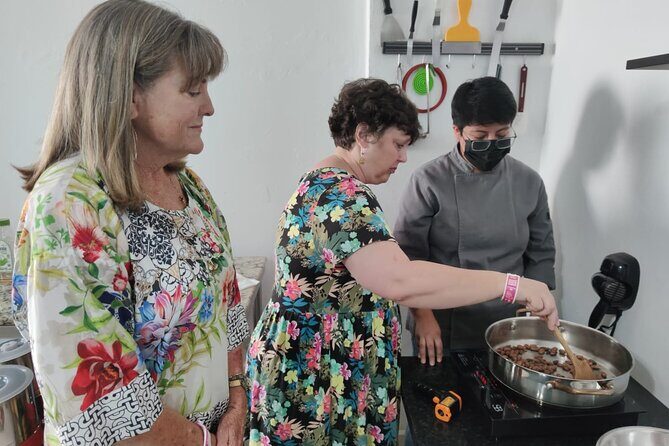
This is the kind of chocolate experience I recommend when you’re not just craving sweetness. You want to understand the craft. In about 2 hours, you’ll follow the flow from cacao origins to the practical skills behind a proper chocolate bar.
The big learning here is that bean-to-bar isn’t one magical trick. It’s a chain of choices: the way cacao is handled, how ingredients are balanced, and especially how chocolate is treated so it sets correctly. You’ll be guided through the tempering process and molding, which are the heart of making bars that look right, snap well, and taste clean.
And since the class is designed like a small cooking session, you’re not stuck watching someone else work. You get to do the steps, with guidance from a local chef and the chance to use your senses. That matters. Chocolate is one of those foods where smell, temperature, and texture give away what’s going on behind the scenes.
You can also read our reviews of more drinking tours in Cancun


Where the workshop starts at Carl’s Jr. in Cancún
Your start point is simple: Carl’s Jr. on Av. Tikal, Supermanzana 40, 77500 Cancún, Q.R. The class starts at 4:00 pm and ends back at the meeting point.
That location detail is more than trivia. A lot of short tours make meeting confusing, but this one anchors you at a recognizable place. Since the tour is near public transportation, you can plan around that too, instead of worrying that you’ll need a car or complicated local rides.
Also, because it ends where it starts, it’s easier to build the rest of your evening. You don’t have to factor in long drop-offs or extra transit after you’ve made your bars.
The welcome cocoa drink and the Mayan cacao story
Before the hands-on part, you’re welcomed with a special cocoa drink made with the same chocolate used in the workshop. This is smart pacing. It sets your expectations, and it gets your palate ready for what you’ll make later.
Then the chef brings in the history and legends. The class shares that cacao was used by Mayan ancestors, including the tradition of drinking hot chocolate in these lands over 3,000 years ago. Even if you’ve read bits about cacao before, having it woven into a cooking class tends to stick better than a quick museum-style explanation.
What I like about this approach is that it doesn’t treat history like decoration. It gives context for why cacao mattered and how people viewed it long before modern chocolate factories existed. You’ll be hearing the story while you’re surrounded by the ingredients and process, so the lesson feels connected rather than random.
Sensory prep: tasting, smelling, and touching the ingredients
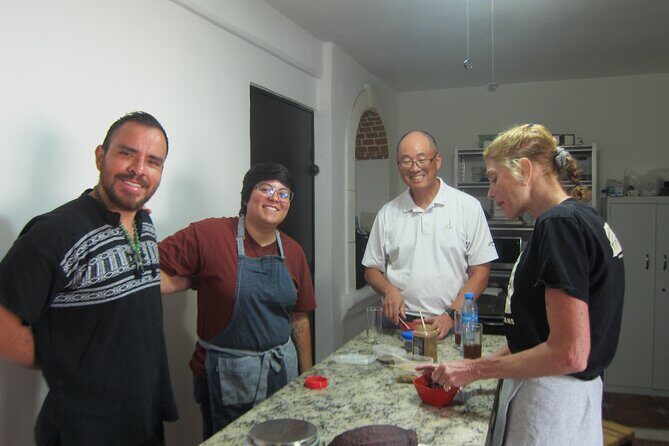
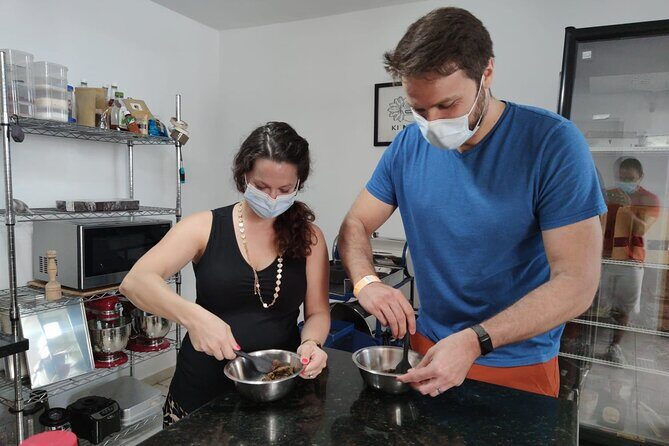
This is a small group cooking class, and the structure centers on you using multiple senses. You’ll touch and handle fresh ingredients, smell them, and taste as part of the learning.
That sensory part is practical. Cocoa can smell earthy, floral, nutty, or even slightly smoky depending on how it’s processed. Tasting helps you understand why “chocolate” isn’t just one flavor. When you later temper and mold, you’ll have a better mental reference for what good chocolate tastes like.
You’ll also get a presentation of the chocolate making process. Think of this as a clear overview before you get stuck into the steps yourself. For a short 2-hour workshop, that kind of structure is crucial: you want enough explanation to make your work meaningful, but not so much talk that you’re waiting around.
Tempering the chocolate: the skill that makes or breaks a bar
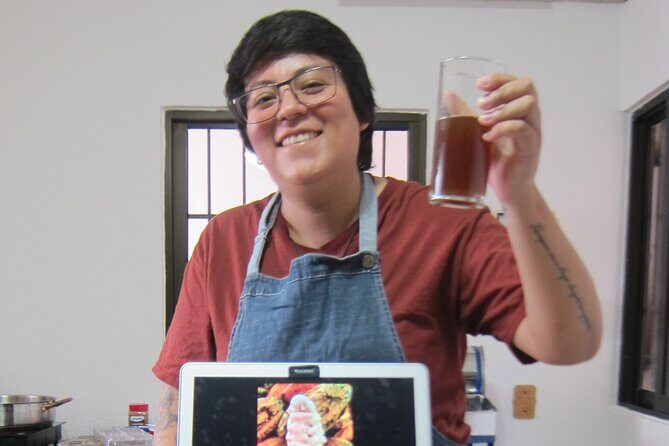
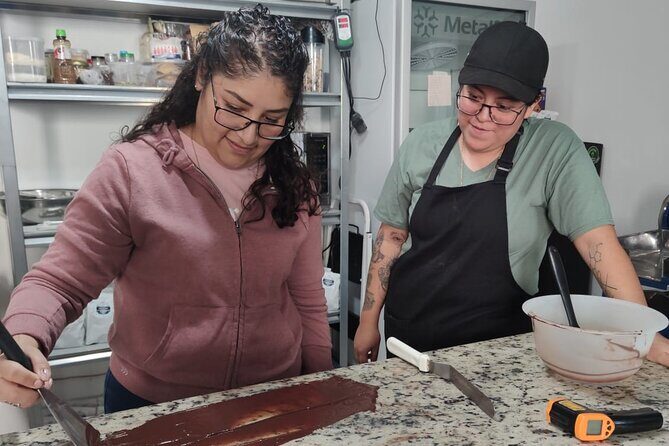
If there’s one part in bean-to-bar work that deserves focus, it’s tempering. The workshop specifically teaches you the correct tempering process, which is the technique that helps chocolate set properly.
In plain terms, tempering is how you convince chocolate to behave. Without it, bars may look dull, feel soft, or develop a texture that’s off. With it, the chocolate has that better snap and a more consistent mouthfeel.
In this class, tempering isn’t just described. You’re guided through it while learning what makes the process work. That’s why this experience is more than a tasting. You’re turning sensory impressions into technique.
If you’ve ever wondered why two chocolates that both claim to be “dark” taste and look different, tempering is a big reason. This is the step where craft shows up.
You can also read our reviews of more tours and experiences in Cancun
Molding and finishing: making bars you can take home
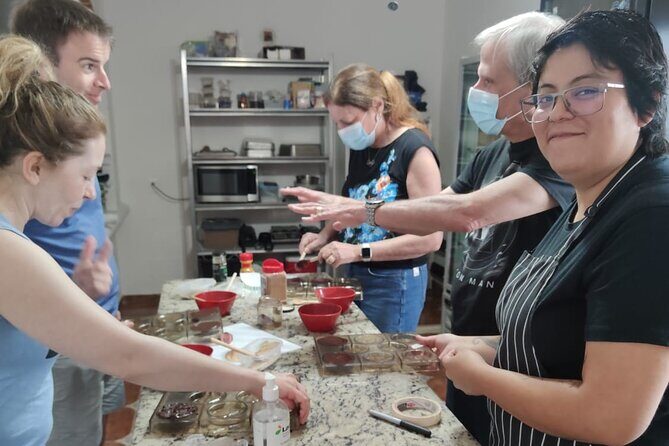
After tempering, you’ll move into molding. The point here is not just to make something edible. It’s to see how the chocolate’s behavior changes as it cools and sets.
You’ll also make your own chocolate bars with ingredient support and chef guidance. And here’s one of the clearest value points: you get to take your creations home. The included items list 3 chocolate bars, plus you’ll enjoy a tasting session along the way.
That take-home part matters if you want a souvenir that isn’t another fridge magnet. It’s edible memory. You’ll share it with friends and family, and you can explain the process because you actually practiced it, even if you’re not leaving as a master chocolatier.
Chocolate tasting snacks: what to look for in artisanal bars
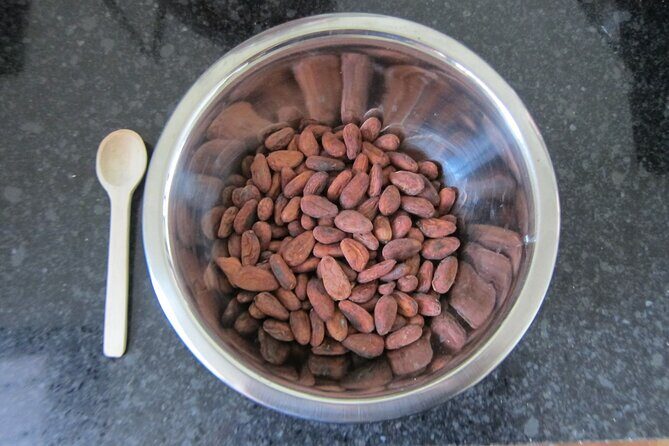
You’ll get snacks and a chocolate tasting as part of the experience. There’s also an emphasis on identifying what makes real artisanal bean-to-bar chocolate.
Even without a lab, tasting can teach you a lot. You can compare textures and flavors—how the chocolate smells at first, how it changes as it melts, and whether it tastes balanced or overly sweet. That’s why tasting belongs in a workshop like this. It reinforces what your hands are doing.
The chef also shares how to identify artisanal bean-to-bar chocolate. In practice, this helps you make better choices later. Once you understand that bean-to-bar involves a process chain (not just marketing terms), you’ll be less likely to be fooled by generic claims when you shop.
Who this workshop is for (and who might not love it)
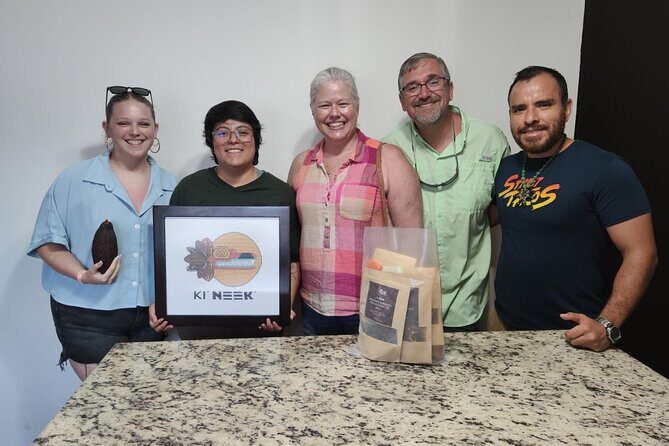
This class fits well if you’re:
- A chocolate lover who wants craft, not just samples
- Visiting Cancún and want something different from beach-and-mall routines
- Going as a couple or a small family group that enjoys hands-on activities
- Interested in cacao origins and how people in the region used chocolate historically
It might be less ideal if you want a long, relaxed experience. This one is tightly timed: about 2 hours with a clear start time at 4:00 pm. You’ll be working, tasting, and learning, not stretching it into an all-day affair.
It’s also worth noting the experience includes ingredients and materials, bottled purified water, and tasting snacks. That’s great for value, but it also means you’ll be around chocolate. If you have allergies, plan to communicate your needs ahead of time.
Price and value: is $116.99 worth it?
At $116.99 per person, this isn’t an impulse activity. But price gets easier to judge when you look at what’s included and what you’re learning.
You’re paying for:
- A chef-led workshop (not a DIY kit)
- Hands-on instruction on tempering and molding
- Ingredients and materials to make bars
- A tasting component, plus chocolate tasting snacks
- 3 take-home chocolate bars
- Bottled purified water
For a short 2-hour session, the biggest value driver is the skill practice. Chocolate workshops that are only tasting tend to feel expensive fast. This one is built around doing. Plus, the small group cap of 10 travelers supports that learning experience—your attention isn’t diluted across a crowd.
Another point: the workshop is commonly booked about 50 days in advance. That’s usually a sign of steady demand, and it can also help you avoid last-minute disappointment if your dates are fixed.
If you’re choosing between a pricey tour and something cheap, I’d steer you toward this if chocolate craft is your thing. If you mainly want a casual snack and photos, you might be happier with a lighter food experience.
Logistics that actually matter for your day
- Start time: 4:00 pm. This is good for a late afternoon slot when the heat often eases up.
- Duration: about 2 hours, ending where you start. Easy to plan after.
- Group size: maximum 10 travelers, so you’ll get more interaction than in large group tours.
- Ticket type: mobile ticket. You won’t need heavy paperwork.
- Confirmation: received within 48 hours of booking, subject to availability.
One practical tip: wear clothes you’re okay with getting a little messy. Chocolate work isn’t usually dramatic, but it’s still cooking. Also, arrive a bit early so you can settle in before the class moves.
Should you book this bean-to-bar workshop?
If you like chocolate and you want to understand how quality is made, I’d say yes. The workshop’s strength is that it mixes tempering and molding technique with a sensory tasting approach and local cacao context. It’s not just entertainment; it teaches you enough to change how you pick chocolate later.
Also, the value is clearer than many food tours because you leave with 3 bars you made yourself. That’s a real payoff for the time and money.
I’d skip it only if you’re looking for something purely passive, or if you have allergies and you’re not confident the organizers can accommodate your needs with the specific ingredients used in the class.
If you can handle a short, chef-guided cooking session in Cancún, this is a memorable way to spend an afternoon that ends with something delicious in your bag.
FAQ
How long is the Artisanal Chocolate Bean to Bar Workshop in Cancún?
The class is about 2 hours.
What is the price per person?
It costs $116.99 per person.
How many people are in the group?
The workshop has a maximum of 10 travelers, so it stays small.
What’s included in the experience?
It includes ingredients and materials to make your own chocolate bars, snacks and a chocolate tasting, a presentation of the chocolate making process, bottled purified water, and 3 chocolate bars to take home.
Do I get to make and take chocolate home?
Yes. You’ll make your own chocolate bars during the class and you can take 3 chocolate bars home.
Where do I meet for the tour?
You start at Carl’s Jr. on Av. Tikal, Supermanzana 40, 77500 Cancún, Q.R., Mexico. The activity ends back at the same meeting point.
What is the cancellation policy?
You can cancel for a full refund up to 24 hours before the experience’s start time. If you cancel less than 24 hours before, the amount paid is not refunded.