REVIEW · CANCUN
Cancún: Chocolate Making Class and Tasting with Chef
Book on GetYourGuide →Operated by Jaguar Journey · Bookable on GetYourGuide
Cacao turns Cancun into a classroom. This bean-to-bar style class puts you close to the real story of Mayan chocolate, from cacao to finished bars, in a small group setting with a local chef. You use all your senses while you learn how the ingredients change from raw fruit to a chocolate bar you can actually taste.
I love the hands-on work, where the steps aren’t just explained but done. With guides like Axel Flores and the chocolate expert Christy, the session blends culture and technique, and you get to smell, touch, and taste ingredients as you go. I also like the tasting lineup: you sample a pre-Colombian cocoa-based drink plus a cocoa drink and a chocolate dessert, not just plain chocolate.
One thing to plan for is transport. The class meets at the parking lot of the Carl’s Junior Plaza Outlet mall in Cancún city, and transport is only arranged for an extra cost, so build time for the trip.
In This Review
- Key highlights at a glance
- Mayan chocolate: more than a sweet souvenir
- Where to meet in Cancún (and why that matters)
- The kitchen steps: from cacao beans to craft bars
- The tasting portion: cocoa drinks, dessert, and chocolate bars
- The cultural story: Mayan nobility and pre-Colombian drinking culture
- What you actually get: included food and what you take home
- Price and value: is $109 worth it in Cancún?
- Practical tips for your best afternoon
- Should you book this Cancun chocolate class?
- FAQ
- How long is the chocolate making class?
- Where does the class meet in Cancún?
- What’s included in the price?
- Is transportation included?
- What language is the instruction?
- Can I get a refund if plans change?
Key highlights at a glance
- Bean-to-bar, done in a real kitchen: You learn production steps and make chocolate yourself, not just watch.
- Mayan chocolate history with named guides: Expect explanations tied to how Mayan nobility used cacao.
- Spicy and savory tasting moments: You’ll try cocoa drinks and chocolate flavors in multiple forms.
- Small group of up to 6: More time for questions and actual hands-on work.
- You leave with your own bars: You can take home the chocolate you helped create.
- Chef-led, safety-minded session: The process is taught step by step with attention to quality and safety.
Mayan chocolate: more than a sweet souvenir
This class is aimed at one clear goal: showing you Mayan chocolate as a food system, not just a candy bar. You start with the idea that cacao was prized long before modern chocolate factories. In this session, you learn why the Mayans treated cacao as something special and how they prepared it in different ways—especially as drinks that could be spiced and served as part of daily life and ceremony.
What I like is that the course doesn’t treat chocolate as a single finished product. You see it as a chain of decisions: how the beans are handled, how ingredients are combined, and how flavors shift as you move from raw to roasted to mixed to molded. That means when you taste later, you understand what you’re tasting and why it works.
You also get a guided focus on using your senses. That sounds simple, but it changes the experience. Smell the cocoa ingredients, notice texture when you touch them, taste the cocoa drink, then taste the dessert. By the end, it feels less like a tasting flight and more like a hands-on food education.
And yes, it’s fun. The hosts bring energy, and the small group size helps. In past sessions, people have praised the air-conditioned studio and the personal vibe—helpful in Cancún afternoons when it’s hot outside.
You can also read our reviews of more food & drink experiences in Cancun
Where to meet in Cancún (and why that matters)
Your meeting point is the parking lot of the Carl’s Junior Plaza Outlet mall in Cancún city. That location is practical because it’s easy to recognize, and it’s not buried in a maze of hotels. Still, it does mean you need to get yourself there.
If you’re staying far from downtown, or you hate coordinating rides between hotel zones and local spots, consider arranging round transportation for an extra cost. Not because it’s required, but because it can turn a 2-hour class into a smoother afternoon instead of a logistics puzzle.
Since the class is usually offered in the afternoon, you’ll want to plan around heat and timing. Wear comfortable clothes you don’t mind getting a little cocoa on. Bring water so you’re comfortable during the tasting and mixing parts.
The kitchen steps: from cacao beans to craft bars
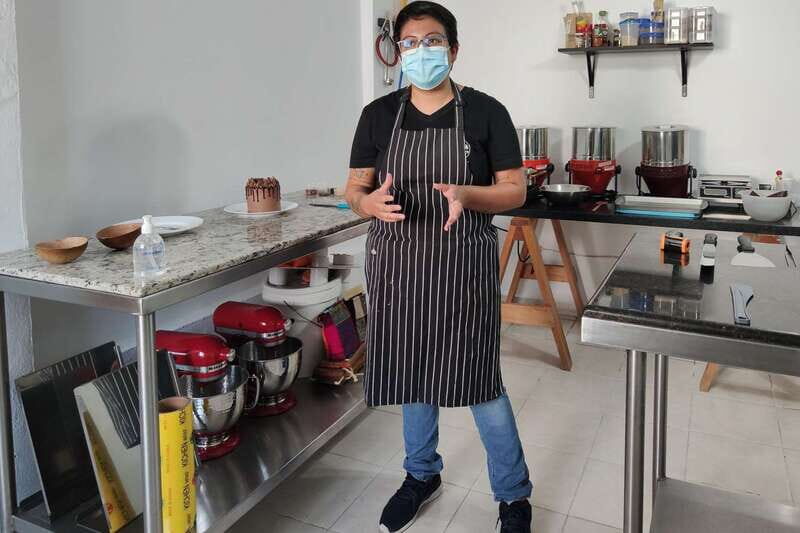
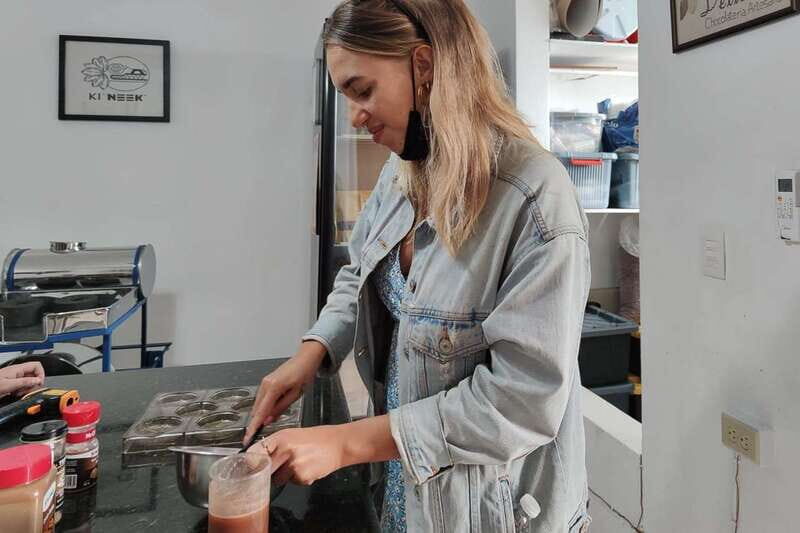
The heart of the experience is the process. This isn’t a “stand back and watch” situation. You learn how cacao is handled and transformed, guided by the chef instructor step by delicious step.
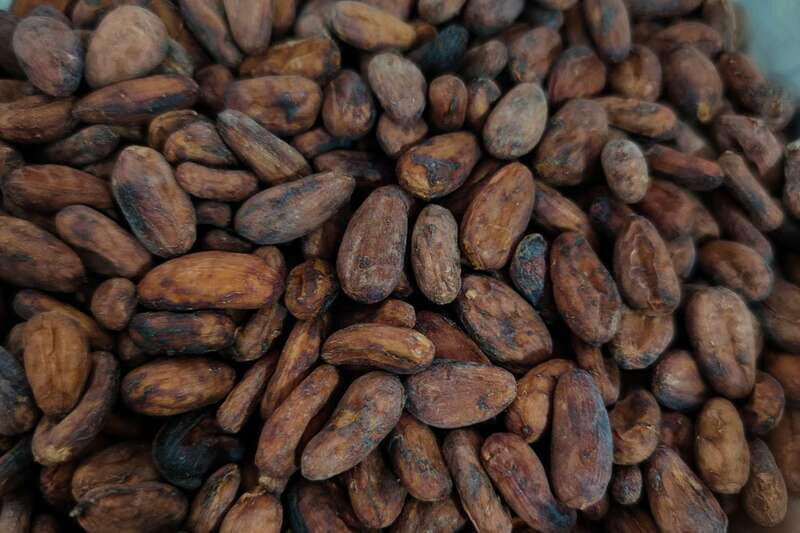
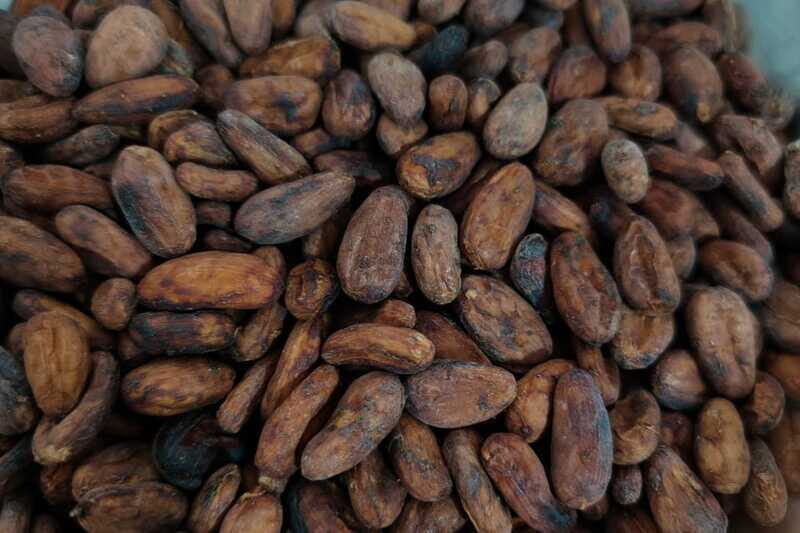
A key moment is tasting and handling ingredients along the way. You’re encouraged to use your senses—touching, smelling, and tasting—so you understand how the flavor develops. You’ll also learn about chocolate production and you’ll be able to taste the cacao fruit itself, which is a detail many food experiences skip.
In the hands-on part, you work toward making your own craft chocolate. Based on how the class has been described, you’ll go through steps that can include roasting beans and then turning that into chocolate you shape into bars. That’s a big difference from many “chocolate classes” that only cover theory or basic mixing.
Because the group is limited to 6, you’re less likely to get stuck waiting. You should expect some back-and-forth with questions, especially if you’re curious about why certain steps matter. People who enjoyed the experience have also highlighted that the hosts were flexible and made it feel personal, which is a good sign when you’re working with food at arm’s length.
The tasting portion: cocoa drinks, dessert, and chocolate bars
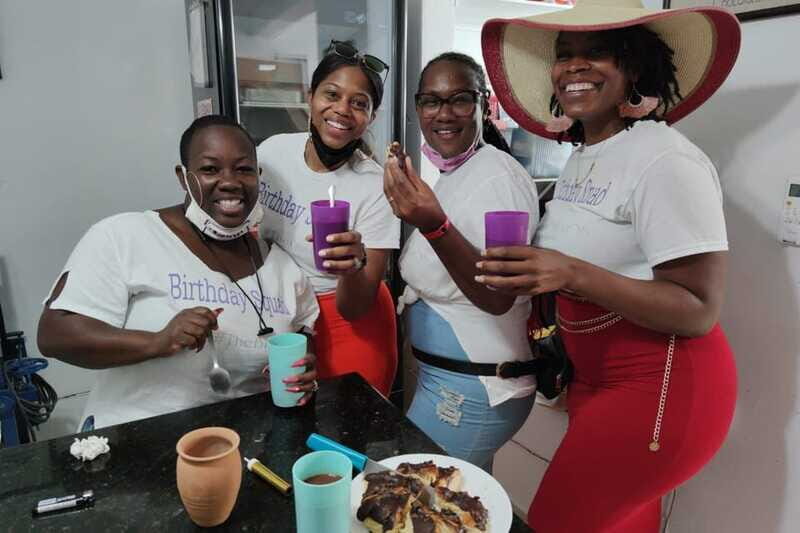
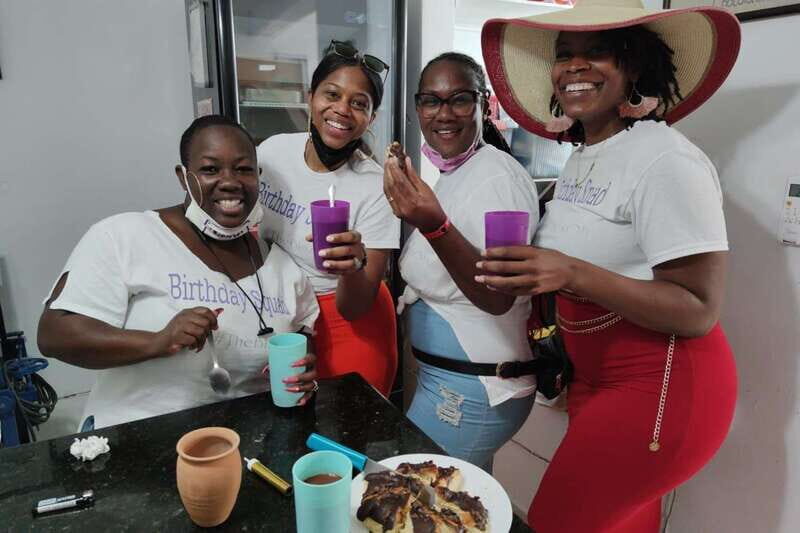
If you love food, the tasting part is where you start making sense of the whole chain. The class includes a few different things to try, including:
- A pre-Colombian cocoa-based drink
- A chocolate welcoming drink
- A cocoa drink you pause for during the process
- Chocolate dessert
- 3 craft chocolate bars
- Homemade chocolate snacks
This variety matters. You’re not just tasting chocolate in one form. You’re tasting cacao as a drink first, then tasting a sweet application in dessert form, and finally tasting the structured result in bar form. It’s a simple way to show you how cacao flavor can shift based on preparation.
One other detail I found useful: the cocoa drink and dessert are paired with local ingredients and made to fit quality and safety standards. Even if you don’t become a chocolate scientist by the end, you’ll likely leave with a clearer sense of which flavors you like and what you prefer in chocolate—spice vs. sweetness, drink vs. bar, and different intensities.
And yes, the smells do most of the persuasion early. Multiple people have described being hit with chocolate aroma the moment they entered the kitchen. That alone can make a hot Cancún afternoon feel like a calm, focused food workshop.
The cultural story: Mayan nobility and pre-Colombian drinking culture
The course starts with context, not just technique. You learn about the history of chocolate and Mayan practices—especially how the Mayan nobility drank cacao more than 3,000 years ago. You also learn about how cacao was cultivated and prepared, and how that differs from the chocolate most people expect.
This is where the class becomes more than a cooking activity. When you hear the reasons behind certain steps, you taste with better instincts. For example, learning that cacao was prepared as a beverage helps you understand why drinks show up so prominently in this class. It’s not random. It connects to how cacao was used historically.
People have also singled out specific guides for their cultural knowledge and taste skills. Axel Flores is one name that comes up, praised for explaining Mayan culture and even pointing out where locals tend to hang out. That kind of added context makes a food class feel like a short cultural conversation instead of a scripted demonstration.


What you actually get: included food and what you take home
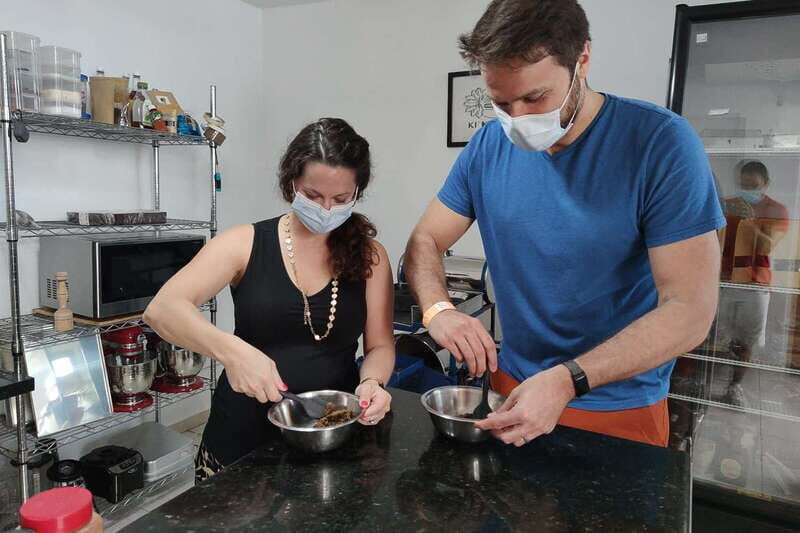
This is where the value becomes easier to judge. At $109 per person, you’re paying for a structured, chef-led experience plus multiple tastings and the ingredients/steps that lead to real chocolate.
Included in the experience:
- 1 chocolate welcoming drink
- 3 craft chocolate bars
- Chocolate homemade snacks
- 1 chocolate dessert
- 1 pre-Colombian cocoa-based drink
- Translator
- Small-group instruction with a chef instructor
At the end, you can take your own bars home. That’s a big deal for two reasons. First, it gives you a tangible result beyond photos. Second, it lets you share what you made. If you’ve ever returned from a food tour with a vague memory, this is the opposite. You’ll have something in your hand.
Also, note the session is designed with safety measures and quality standards. You’re working in a kitchen setting and tasting multiple preparations, so it’s reassuring when the class emphasizes food handling and safe procedures.
Price and value: is $109 worth it in Cancún?
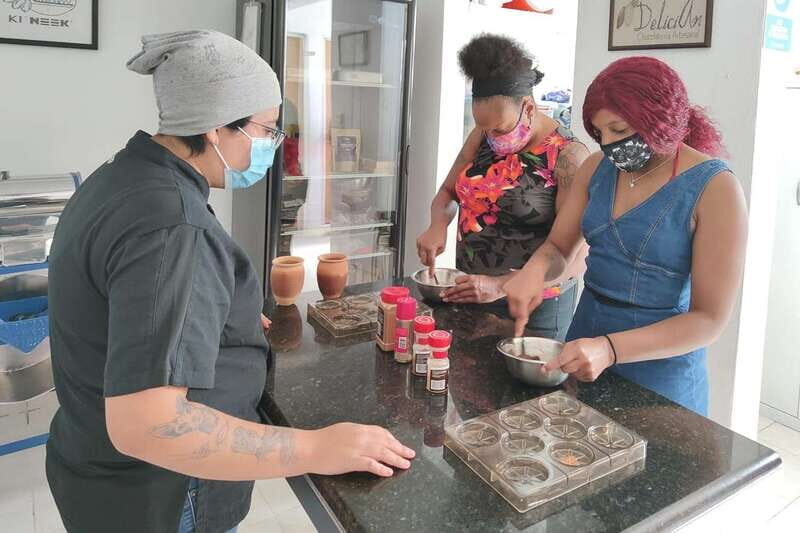
Let’s talk value in plain terms. $109 isn’t a bargain-candy purchase. You’re paying for:
- chef-led instruction
- a small group (limited to 6)
- guided hands-on production
- multiple tastings and drinks
- homemade snacks and dessert
- chocolate bars to take away
If you compare this to what you might spend on an average Cancún activity that’s mainly a show, the difference is hands-on time and edible output. Here, you’re not just watching cacao become chocolate. You’re learning the sequence and leaving with crafted bars.
I also think the $109 makes more sense when you consider the included drinks and desserts. Chocolate classes that only give a bite or two end up feeling thin once you’re paying premium resort pricing. This one is built around several tasting moments, which makes the experience feel complete.
One watch-out: transport is not included. If you rely on taxi or ride-hail to reach the meeting point, factor that cost into your total plan. If you’d rather avoid that, arranging round transportation for an extra cost can keep the experience smooth.
Practical tips for your best afternoon
A few small choices make a real difference with a hands-on food class.
- Wear comfortable shoes and clothes you don’t worry about getting messy. Cocoa dust and chocolate smudges are part of the process.
- Bring water. Tastings and cooking steps can add up, especially in Cancún afternoons.
- Bring a camera for the process and the final bars, but don’t let filming take over your focus. Smell and taste first.
- Bring cash if that’s useful for small purchases or any day-of needs the organizers request.
- Bring a face mask or protective covering, since it’s listed as something to take along.
- If you’re sensitive to heat, this is a positive note: people have mentioned the studio is well air conditioned, which helps you stay comfortable.
Also, if you want to ask questions, you’ll get more mileage with the small group setup. Come with a couple of curiosity topics, like how spice changes cacao drink flavor or what step matters most for the final bar taste.
Should you book this Cancun chocolate class?
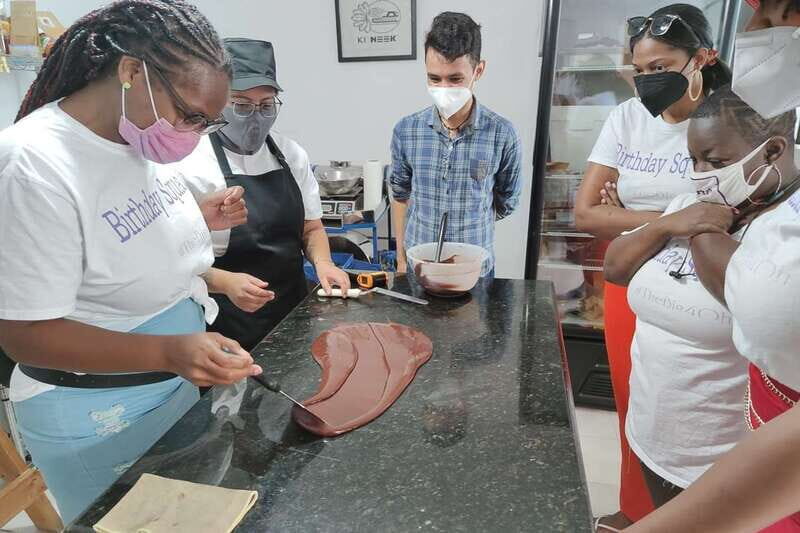
Book it if you want a real chocolate experience—hands-on, small-group, and grounded in Mayan context. It’s ideal if you love food that has a story, and if you like learning by doing. The chance to work through production steps and then take home your own bars is the big reason it’s worth your time.
Skip it if you’re only looking for a quick sweet snack or you don’t want to participate in food prep steps. This class is built around making and tasting in a kitchen setting, not just a drive-by sampling.
For most people visiting Cancún who are tired of only beach-plus-a-tourist-museum days, this chocolate-making class is a smart break. You’ll leave with chocolate in your suitcase and a better understanding of why Mayan chocolate wasn’t just dessert.
FAQ
How long is the chocolate making class?
The experience is listed as 2 hours, and it’s also described as a 2.5-hour course.
Where does the class meet in Cancún?
You meet at the parking lot of the Carl’s Junior Plaza Outlet mall in Cancún city.
What’s included in the price?
Included items are a chocolate welcoming drink, 3 craft chocolate bars, chocolate homemade snacks, a chocolate dessert, a pre-Colombian cocoa-based drink, and a translator.
Is transportation included?
Transport is not included. You can arrange round transportation for an extra cost.
What language is the instruction?
The instructor is English, and a translator is included.
Can I get a refund if plans change?
Free cancellation is available up to 24 hours in advance for a full refund.