REVIEW · TULUM
Yoga and Meditation DEtox Retreat
Book on Viator →Operated by TAA NAAY YOGA METHOD · Bookable on Viator
Want a reset that starts at dawn?
This Tulum retreat blends yogic and Ayurvedic-style meditation with breathing work, aiming for a calmer mind and a clearer way of sensing your body and emotions. I like that it is not just theory: you practice techniques designed to bring mind, body, and spirit into the same room, so your stress has less space to run the show. A huge standout is the guiding style of Elizabeth (Liz), described as energetic, professional, and able to adapt so you never feel pushed past your limits.
What I also love is the mix of body-based practices and sensory ceremonies: breathwork and meditation get paired with things like sound healing, cacao, and a temazcal experience. One consideration: the program includes fasting and a temazcal ritual, so if you have health concerns with food restriction, heat, or intense breath practices, you’ll want to plan carefully and check whether the pace fits you.
In This Review
- Key highlights at a glance
- Detox in Tulum: what this retreat really tries to change
- Your guide: Elizabeth (Liz) and the coaching style that earns trust
- Day one starts early: breath, yoga, and the rhythm of getting out of your head
- Cenote Aktun-Ha (Cuzama): why a cenote stop fits a detox retreat
- Temazcal, sound healing, and cacao: the ceremonies you’ll remember
- Fasting, massage, aquagym: the body support that keeps the mind work honest
- What the 3 days feel like: mind-body-spirit, but with real-world takeaways
- Price and value: is $2,000 per person worth it?
- Who this retreat suits best (and who should think twice)
- Should you book this detox retreat in Tulum?
- FAQ
- What time does the retreat start and where?
- How long is the detox retreat?
- Is the retreat offered in English?
- What’s included in the program?
- Is this a private experience?
- What fitness level do I need?
- What happens if the weather is bad or the minimum number of travelers isn’t met?
Key highlights at a glance
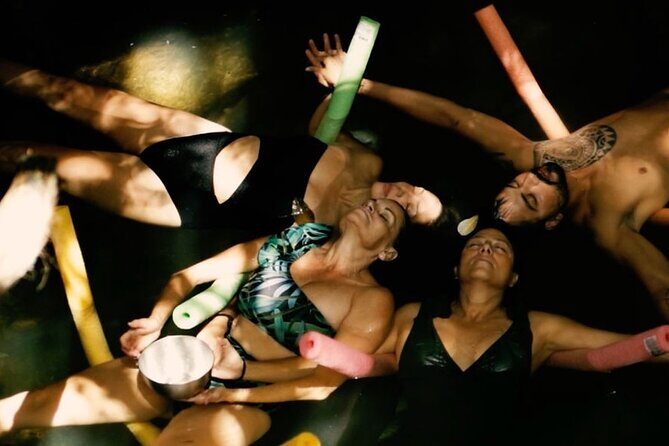
- Sunrise yoga flow that starts your day grounded, not groggy
- Breathwork + meditation coaching focused on getting out of your head
- Liz’s hands-on adjustments for injuries and different bodies
- Cenote Aktun-Ha (Cuzama) for a memorable early-nature stop
- Temazcal, sound healing, and cacao as part of the detox process
- Body care elements like aquagym and massage to balance the mind work
Detox in Tulum: what this retreat really tries to change
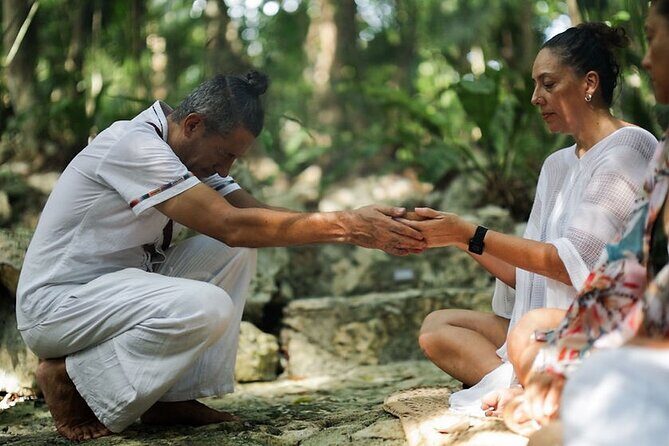
This retreat is built around a specific idea: your nervous system follows your awareness. When you slow down breathing, focus attention, and move through yoga and meditation, your relationship with stress changes. It is a practical approach to living more fully, even if your real life is messy.
In plain terms, the retreat targets three areas at once. You work on the body through yoga, aquagym, and massage. You work on the mind through meditation and breath techniques. You work on the emotional layer through sensory rituals like sound healing and cacao, plus reflective sessions that encourage acceptance of who you are and what you want.
And yes, it is called a detox retreat—but it feels less like a “cleanse your body and move on” program. It is more of a reset for how you perceive yourself and the world.
You can also read our reviews of more tours and experiences in Tulum.



Your guide: Elizabeth (Liz) and the coaching style that earns trust
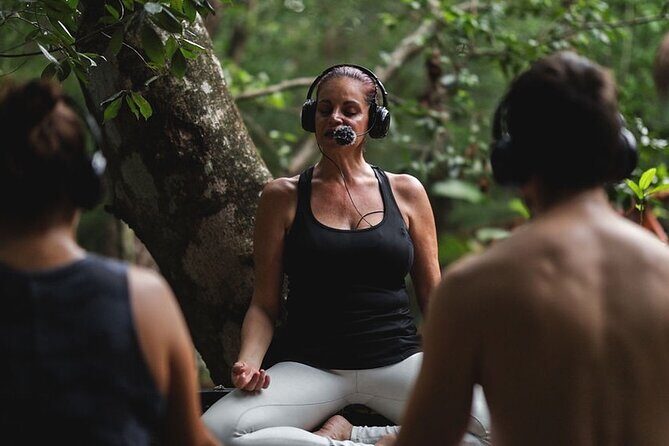
A retreat lives and dies by its instructor, and Liz is the kind of guide people describe as both steady and motivating. What stands out is her ability to keep it supportive without making you feel judged. Many participants highlight that you do not feel intimidated, which matters because breathwork and meditation can be vulnerable spaces.
Liz also reportedly adapts practices to injuries or personal circumstances. That is a big deal if you want the benefits of movement and breath training but you’re not trying to prove toughness. You’re there to feel better, not to break down.
The other thing I appreciate from the feedback is how much people connect with her meditation guidance. Several mentions point to meditation that helps them get out of their head, which usually means the instructor is good at leading attention back to the body and the moment—exactly what this style of retreat promises.
Day one starts early: breath, yoga, and the rhythm of getting out of your head
The retreat begins at 6:00 am at Monte Cibeles 6, Santa Fe del Carmen, 77712 Playa del Carmen. You get moving fast, which sounds intense until you realize the whole schedule is designed around morning calm. Early sessions tend to be quieter and cooler, and your mind is less likely to be hijacked by the day’s noise.
The core of each day follows a pattern: yoga first, then breathwork and meditation. You’re learning techniques meant to expand your energy field and clarify the connection between psyche, body, and soul. That wording is spiritual, but the practical outcome is usually the same: you feel more regulated, more present, and more aware of what your body is telling you.
From a value standpoint, this rhythm matters. When breath, posture, and attention training happen together, you’re not collecting random wellness tips. You’re building one system you can carry home—especially if you continue the breathing or a short meditation practice after you return.
Cenote Aktun-Ha (Cuzama): why a cenote stop fits a detox retreat
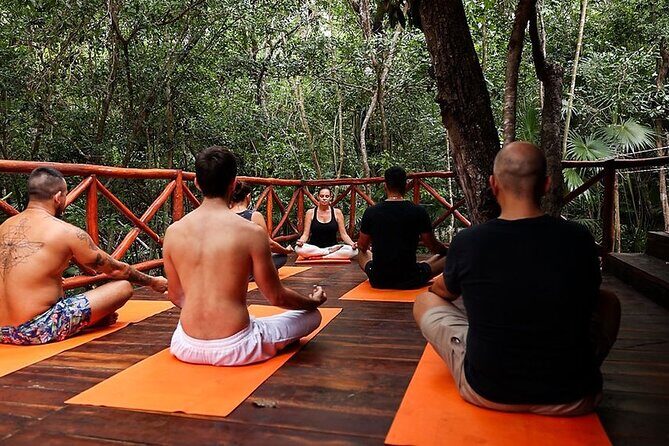
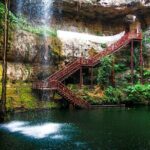
Your program includes a first stop at Cenote Aktun-Ha (Cuzama). Cenotes are not just pretty water holes. In a retreat context, they work because they force a shift in attention: cool air, natural acoustics, and the kind of quiet you don’t get in a city.
An early cenote visit also supports the retreat theme of sensory awareness. You’re encouraged to hear, taste, and perceive the world—and yourself—differently. That kind of attention is a detox tool in disguise. When you stop running mental commentary, you start noticing sensations without labeling them as good or bad.
A practical note: cenotes can involve uneven ground and humidity. You should plan for a morning that mixes calm focus with real outdoor conditions. If you’re coming from sedentary habits, wear grippy shoes and move slowly. Your body will thank you later.
Temazcal, sound healing, and cacao: the ceremonies you’ll remember
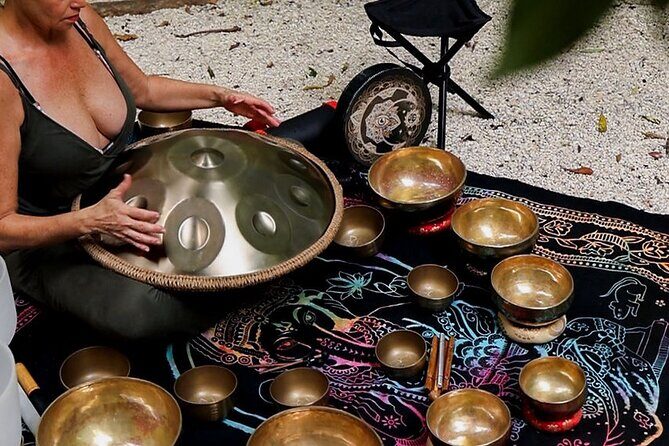
One of the strongest reasons people recommend this retreat is the sensory and ceremonial sequence. You’ll experience temazcal, plus sound healing, and a cacao ritual. These aren’t just add-ons. They fit the retreat’s goal of transforming a tense, anxious vision into a brighter, calmer one.
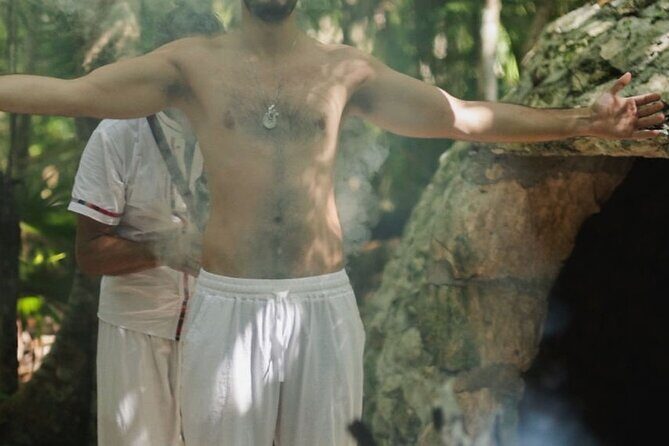
Temazcal is particularly tied to the idea of release. Heat and breath together often make it easier to let go of mental resistance, even when you start out skeptical. Just remember it is included as part of the detox process, so your comfort and health considerations matter.
Then you shift into sound healing. Sound-based practices can help the body settle, and they give your attention something gentle to follow. If you’re the type who struggles with silence during meditation, sound can be a bridge. It creates a structure for staying present.
Cacao brings another layer: it is a grounding ritual that pairs well with reflection and community. You get a moment to slow down and be receptive—something most of us don’t build into normal life.
- Selva Maya Eco Adventure Park: Ziplining, Hanging Bridges, Rappelling and Cenote
★ 5.0 · 1,057 reviews



Fasting, massage, aquagym: the body support that keeps the mind work honest
The retreat includes fasting, aquagym, and massage, which is smart. If a detox is only breath and meditation, some people feel floaty but not supported. Here, your schedule balances mental work with physical care.
Fasting can make some people more sensitive to food cravings, emotions, and energy fluctuations. If you’ve never fasted before, this is the part where it helps to be honest with yourself about your experience level. The upside is that fasting can make you feel your internal signals more clearly—when you’re no longer distracted by constant eating.
Aquagym adds gentle movement with less impact than land exercise. It also gives your body a chance to loosen up after yoga and breathing sessions. Massage rounds out the physical side, helping you feel better in your skin, not just better in your head.
That combination is part of why this retreat is described as a “reset.” It supports your nervous system without forcing you to handle everything through willpower.
What the 3 days feel like: mind-body-spirit, but with real-world takeaways

The retreat aims to expand consciousness using physical, mental, and spiritual tools. You learn yogic and Ayurvedic meditation and breathing techniques, then you practice them in a structured environment. The goal is inner harmony and a deeper acceptance of who you are and what you want—plus letting go of frustrations and negative emotions tied to your present.
Here’s what that means in real life. You’re likely to notice two things by day two or three:
First, your thoughts can feel less sticky. With breathwork and meditation, you start catching the moment you get pulled into the mental loop. That makes it easier to switch gears.
Second, your emotions become more readable. Instead of reacting automatically, you recognize sensations earlier—tightness, heat, heaviness, restlessness—and you respond with steadier choices.
Also, the retreat includes conscious farewell, which matters more than it sounds. It gives you a clean ending, so you can carry the tools home instead of feeling abruptly dropped back into your usual pace.
Price and value: is $2,000 per person worth it?

At $2,000 per person for about 3 days, this is not a budget-only experience. So the value question becomes: what exactly are you paying for?
You’re paying for a guided program that stacks multiple components in one place: sunrise yoga, breathing, meditation, temazcal, sound healing, cacao, massage, aquagym, plus a cenote visit. That’s a lot of guided time and specialized instruction, not just a class or two.
You’re also paying for the human factor. Feedback emphasizes Liz’s professionalism and the way she adapts sessions to injuries and circumstances. Good adaptation is worth money because it prevents the most common retreat problem: “I came for healing, but I left in pain.”
Finally, it’s a private tour/activity, meaning you do not have to share the experience with strangers. Even if the group size is small, a private format usually makes it easier to feel comfortable during vulnerable practices like meditation and breathwork.
If you’re looking for a simple beach break, this won’t match. If you want structured transformation with real support, the price starts to make sense.
Who this retreat suits best (and who should think twice)
This retreat asks for moderate physical fitness, and it includes yoga, outdoor nature time, and a heat-based temazcal ritual. You’ll also want to be comfortable with fasting as part of the detox theme.
It is adults only and does not include children. If you want a quiet, focused experience without family interruptions, that’s a plus.
It is offered in English, so it’s geared to English-speaking participants.
If you have injuries or limitations, the good news is that Liz reportedly adapts practices to injuries and circumstances. That said, adaptation has limits. Bring your needs up early and be clear about what you can and can’t do.
Service animals are allowed, which helps make the retreat more accessible for some needs—though you’ll still want to consider the physical demands of outdoor activities and heat.
Should you book this detox retreat in Tulum?
I’d book it if you want a guided reset, not a DIY wellness plan. This retreat is strong for people who know they need help calming down but also want actual techniques to do it. The combination of sunrise yoga, breathwork, meditation, and sensory ceremonies is designed to produce emotional and mental clarity you can practice again later.
I’d pause before booking if you cannot do fasting, have medical concerns with heat and breath-intensive practices, or you prefer relaxed schedules over early mornings. Since the start time is 6:00 am, this is not a sleep-in kind of trip.
If you’re ready to trade noise for structure—and you want a teacher who is both caring and capable—this looks like a very good match.
FAQ
What time does the retreat start and where?
It starts at 6:00 am. The meeting point is Monte Cibeles 6, Santa Fe del Carmen, 77712 Playa del Carmen, Q.R., Mexico. It ends back at the meeting point.
How long is the detox retreat?
It lasts 3 days (approx.).
Is the retreat offered in English?
Yes, it is offered in English.
What’s included in the program?
Expect yoga at dawn, rituals, fasting, temazcal, sound healing, breathing, meditation, aquagym, massage, cocoa, and a conscious farewell. You also visit Cenote Aktun-Ha (Cuzama).
Is this a private experience?
Yes. It is listed as a private tour/activity, so only your group participates.
What fitness level do I need?
You should have moderate physical fitness. The program also appears to be adaptable to injuries or circumstances.
What happens if the weather is bad or the minimum number of travelers isn’t met?
The experience requires good weather. If it’s canceled due to poor weather, you’ll be offered a different date or a full refund. If it’s canceled because the minimum number of travelers isn’t met, you’ll be offered a different date/experience or a full refund.




More Tour Reviews in Tulum
- Selva Maya Eco Adventure Park: Ziplining, Hanging Bridges, Rappelling and Cenote
★ 5.0 · 1,057 reviews