REVIEW · TULUM
Tulum : Dos Ojos cenote 2 scuba dives (certified divers)
Book on GetYourGuide →Operated by La Calypso Dive Center · Bookable on GetYourGuide
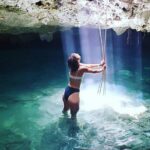
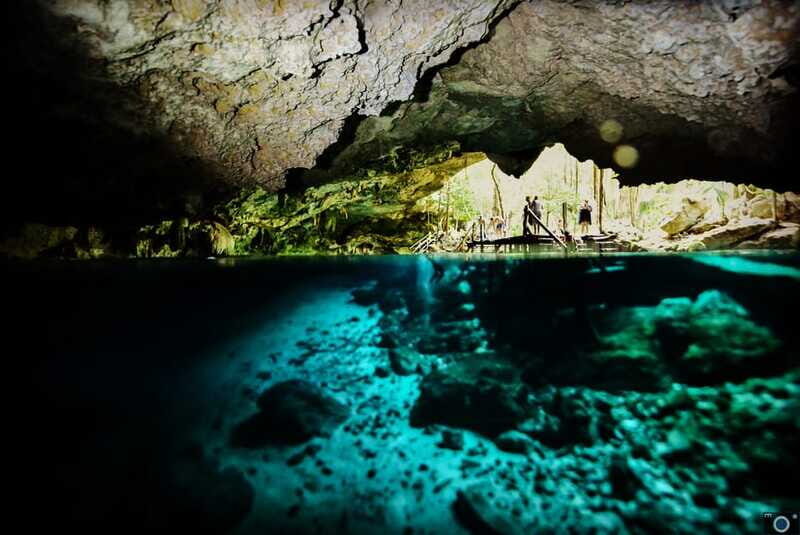
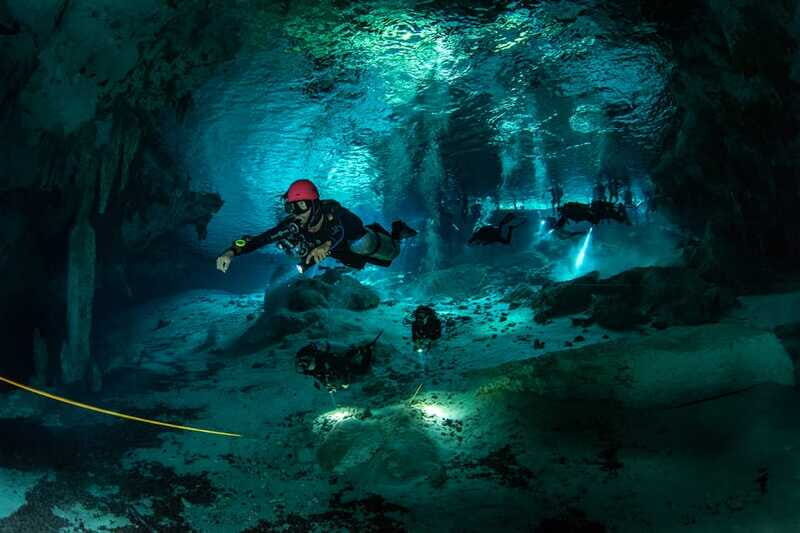
A cenote feels like stepping through a door. In Dos Ojos, you get that cathedral-style view of stalactites and stalagmites hanging over clear water, plus the thrill of seeing the water shift as you move through the cavern. I especially like the small group size (limited to 4) and the fact that you do two different underwater sessions in the same famous system.
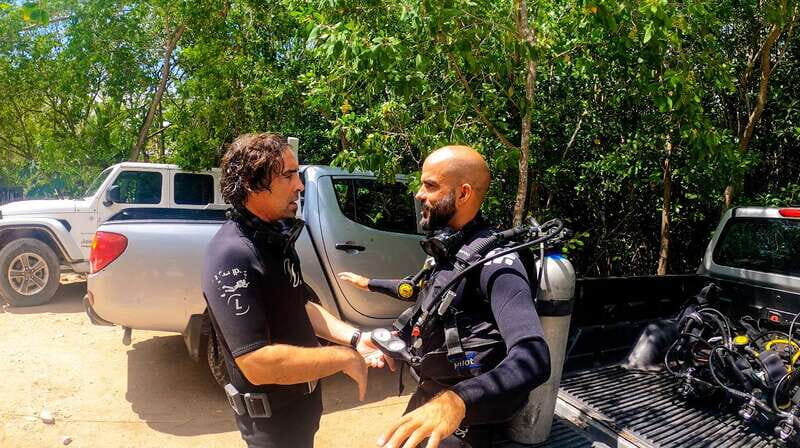
The one thing to plan for: you carry your tanks down about 15 stairs. It’s short, but it’s real effort, and it’s best to wear grippy footwear and move carefully before you’re even in the water.
In This Review
- Key highlights you’ll actually feel
- Dos Ojos Cenote: What makes it special in real life
- Your 5.5-hour plan: two 40-minute sessions in one system
- Gear and safety in the cavern: what you’re really paying for
- What each Dos Ojos moment feels like (and what to watch for)
- The entry: that color shift is the first real wow
- The formations: stalactites and stalagmites up close
- The halocline: spotting the water layer change
- Round two after the 15-minute break
- Guides make the experience: Ruby and Marcos style
- Price check: is $199 worth it in Tulum?
- Meeting point and getting there without stress
- Who should book (and who should skip)
- Should you book Dos Ojos with La Calypso?
- FAQ
- How long is the whole experience?
- How long are the underwater sessions in Dos Ojos?
- Is there a break between the two sessions?
- Do I need scuba certification?
- What equipment is included?
- What should I bring?
- Is lunch included?
- Where do I meet for the tour?
Key highlights you’ll actually feel
- Two separate underwater sessions in Dos Ojos, each about 40 minutes, plus a short reset break
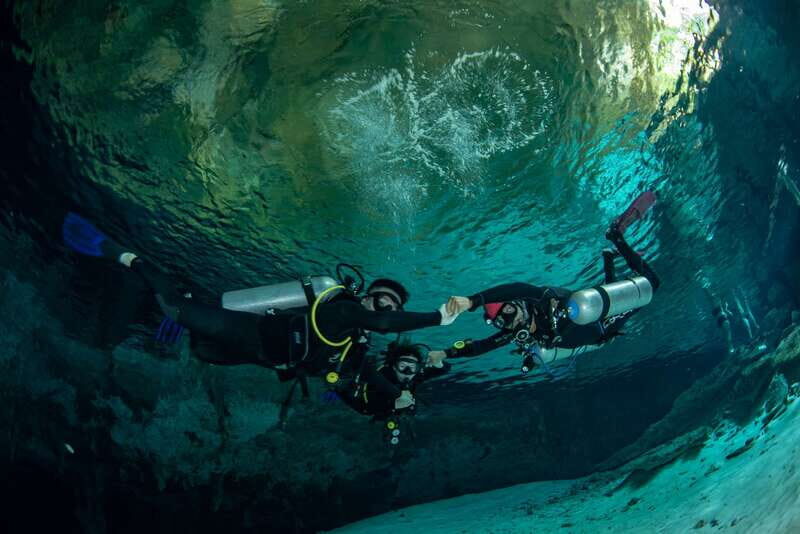
- Cavern scenery with natural light: you keep visual contact with daylight as you swim
- Equipment and lights provided, including a 5mm wetsuit so you’re comfortable in the water
- Safety design that makes sense: ample space, close exit points, and multiple air openings
- A guide who narrates the place: guides like Ruby and Marcos are known for clear explanations and good vibes
- A chance to spot the halocline and big limestone formations up close
Dos Ojos Cenote: What makes it special in real life
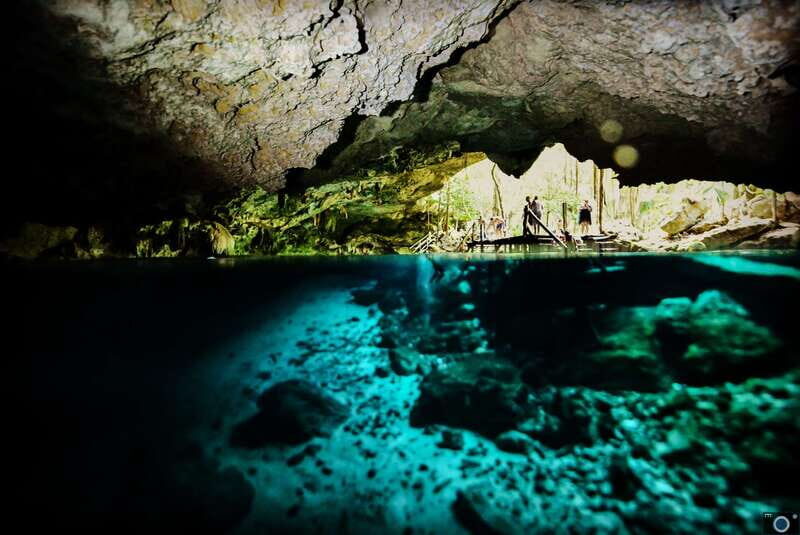
Dos Ojos is famous for a reason: the water color, the scale of the formations, and the way the cavern holds you in its rhythm. From the moment you enter, the view feels like you’re suspended inside a living geology museum. Not just pretty. You can actually see how the rock shapes the water and how the light behaves as you go.
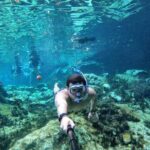
I also like that this isn’t a one-and-done photo stop. With two separate underwater sessions in the same system, you get time to settle in, adjust your buoyancy, and then go again with a calmer, more confident pace. That matters because cenote conditions can feel strange at first. The sound changes. The light changes. Your breathing becomes the main soundtrack.
You should also know what you’ll likely notice down there, even if you’ve done open-water scuba before. You can see huge numbers of limestone formations, plus things like fossils and even prehistoric bone formations may be visible depending on conditions and where you swim. And because Dos Ojos is known for a halocline, you may spot a noticeable change in the water layer—often it shows up as a shift in appearance as different water types meet.
You can also read our reviews of more scuba diving tours in Tulum

Your 5.5-hour plan: two 40-minute sessions in one system
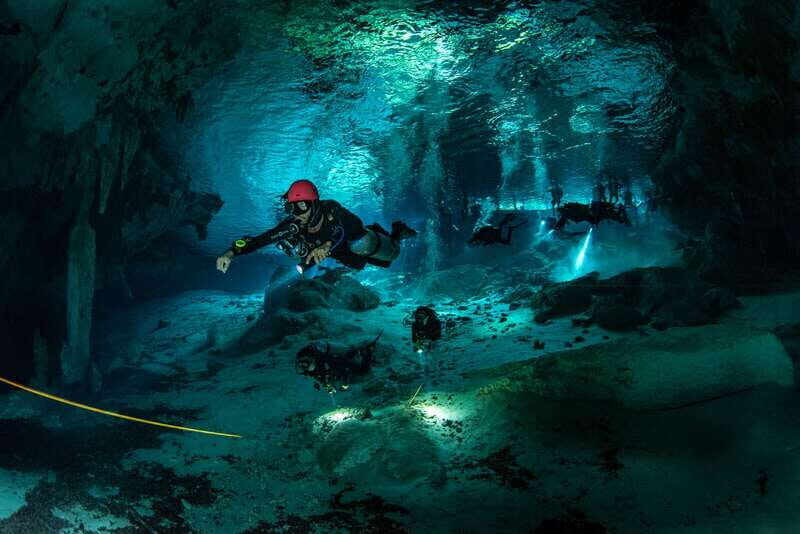
This experience is built around a half-day rhythm that doesn’t rush the underwater time. You’ll start at La Calypso, travel to Dos Ojos, and then get two sessions in the water back-to-back style, with a break in between.
Here’s how the flow typically feels:
- Start at La Calypso and get oriented with your instructor. This is where you confirm gear, review safety points, and get your buoyancy game ready.
- First underwater session: about 40 minutes. This is when you’ll likely have that wow moment: clear water, the cavern ceiling, and those stalactites and stalagmites framing your route.
- Break: about 15 minutes. You’ll regroup, catch your breath (the normal kind), and reset for round two.
- Second underwater session: about 40 minutes. This is often where you start moving with more confidence and start paying attention to details—formation shapes, lighting effects, and the water layers.
At 5.5 hours total, it’s a strong fit if you want a full experience without committing your whole day to a long itinerary. It’s also long enough that the instructor can help you feel stable and safe before you head deeper into the cavern environment.
Gear and safety in the cavern: what you’re really paying for
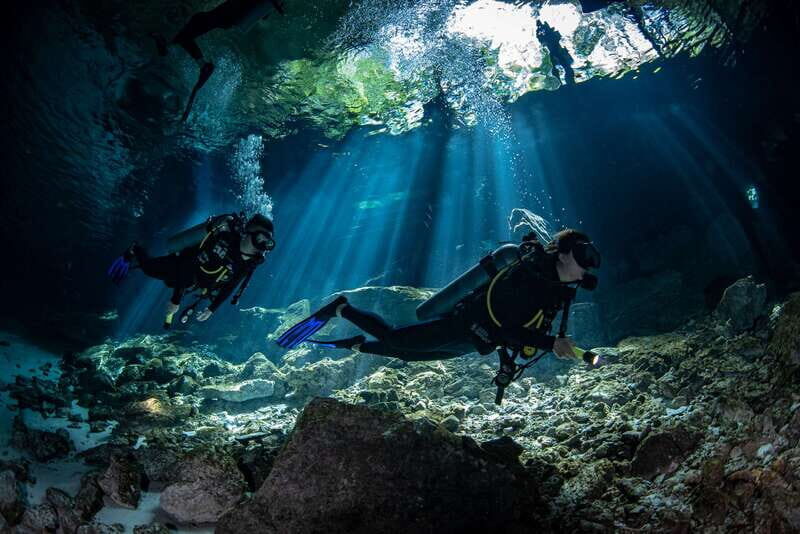
The value here is not just that Dos Ojos is famous. It’s how the tour supports you while you’re in a tight, light-filled cavern.
You get SCUBA equipment, plus lights and a 5mm wetsuit. Those aren’t tiny perks. In cenotes, temperatures and lighting can make your body tense up if you’re not prepared. The wetsuit helps you stay relaxed, and the lights let you see the rock texture and formations even where daylight fades.
Safety is handled with practical structure. You’ll have:
- ample space while you’re in the water
- numerous air holes
- a layout designed to keep you close to exits
- continuous visual contact with natural light
That last point is quietly huge. When you can still see daylight above or along the cavern, your brain treats the environment less like a sealed tunnel and more like a guided passage.
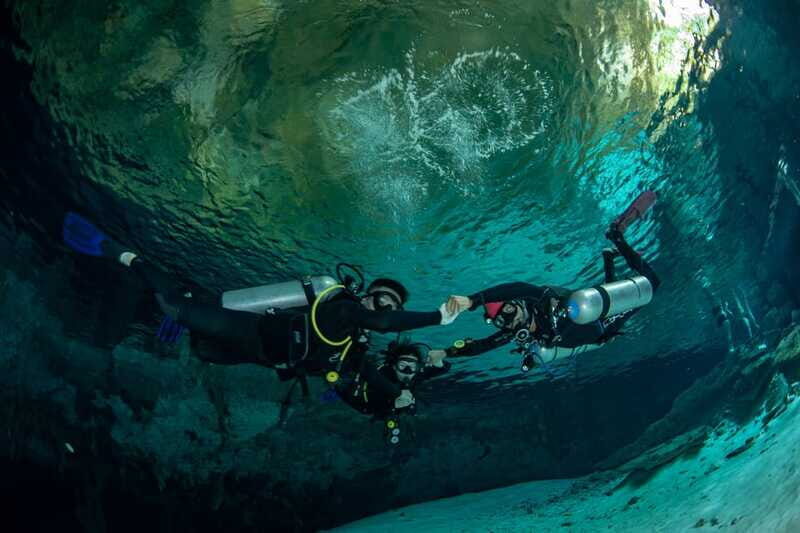
Also, you’re not wandering on your own. You’re with an instructor, and the whole plan is geared to be appropriate for certified scuba participants. If you’re certified, the pace makes sense. If you’re not, it simply isn’t the right setting.
What each Dos Ojos moment feels like (and what to watch for)
The entry: that color shift is the first real wow
The first part of the experience is all about arriving at that vivid, clear water and watching how the cavern frames everything. Even if you’ve seen cenote photos, the live version hits different because you can’t zoom or crop. You’re simply there, surrounded by rock and light.
Keep an eye on two things during your first minutes underwater:
- How your buoyancy feels in the cavern water
- How your breathing settles as the light and rock texture surround you
If you get nervous at first, that’s normal. Start slow. Let your instructor guide your pace.
- Selva Maya Eco Adventure Park: Ziplining, Hanging Bridges, Rappelling and Cenote
★ 5.0 · 1,057 reviews


The formations: stalactites and stalagmites up close
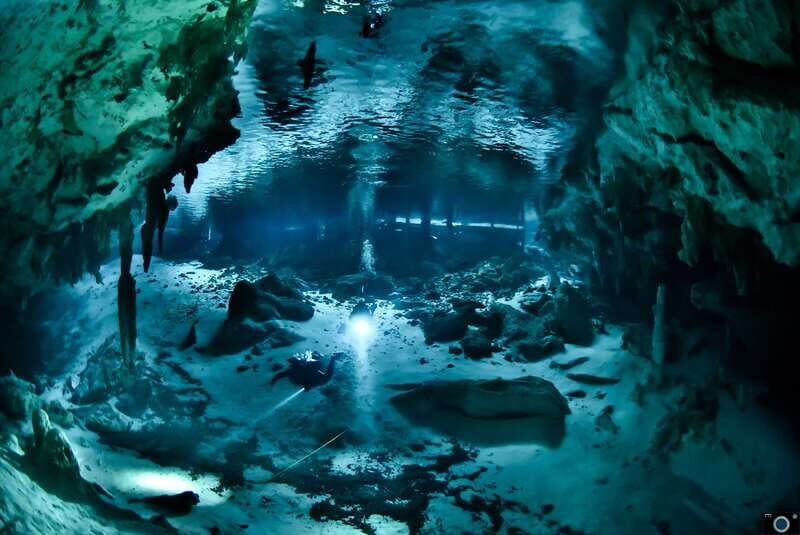
Dos Ojos is known for stalactites and stalagmites that look like natural architecture. The shapes are dramatic because you’re not looking at them from far away. You’ll see them in layers, with shadows that shift as you move. The cavern also makes the formations feel taller and closer than you’d expect from a boat view.
This is where having a light matters. Daylight is great, but cavern corners need help. And with the lighting included, you can actually study texture instead of just admiring a general glow.
The halocline: spotting the water layer change
The halocline is one of those things that makes cenotes feel uniquely scientific. You might notice a visual or sensory change as you move across layers. Sometimes it appears as a color or clarity shift, or a subtle difference in water feel.
Don’t chase it like a mission. Let it come to you while you follow your instructor’s route. The best part is that it’s not just theory—it’s something your eyes can catch.
Round two after the 15-minute break
The break is short, but it’s enough to stop your body from feeling like it’s “always on.” Round two tends to feel better because you know what gear feels like and you’ve already seen the main cavern layout.
I like second sessions for this reason: they’re where you stop thinking about the basics and start noticing details—formation patterns, fossils or bone formations if visible, and the way light filters through the cavern.
Guides make the experience: Ruby and Marcos style
Good cenote experience is partly physics, partly people. You’ll notice this with the instructors who run the show.
Guides such as Ruby are known for being accommodating and funny, with an upbeat, personable style that helps you loosen up. That’s not just personality. When you’re calm, you move better, and you get more out of the scene.
Another example is Marcos, described as informative and focused on explaining what you’re seeing. That kind of guidance makes the cavern feel less like a silent tunnel and more like a narrated journey through a real environment.
Also, the language options help if your Spanish or French isn’t perfect. The experience runs in French, Spanish, and English, so you can understand safety cues and descriptions without strain.
Price check: is $199 worth it in Tulum?
$199 per person for two 40-minute cavern sessions adds up quickly, so here’s how I’d think about the value.
You’re paying for four big categories:
- Two underwater sessions instead of one
- Instructor coaching throughout
- Equipment included, including lights and a 5mm wetsuit
- Round-trip transportation from the dive center area to the cenotes
What’s not included is also clear: lunch and breakfast aren’t part of the price. Hotel pickup and drop-off aren’t included either. So the real comparison isn’t just the $199 sticker. It’s whether you’re already set up to get to the meeting point on your own, and whether you’ll eat before or after.
If you’re a certified scuba participant who wants a top-tier cenote setting with strong safety structure and small-group attention, this price can feel fair. If you need hotel pickup, or you’re already spending time and money just to get to the start location, then you’ll want to factor that into your total day cost.
One more practical note: the experience is offered with free cancellation up to 24 hours in advance and a reserve now, pay later option. That’s useful if you’re planning around weather and ocean conditions that can change your schedule.
Meeting point and getting there without stress
You’ll meet at the La Calypso meeting spot in central Tulum area.
- GPS: 20.212396, -87.462935
- You’ll be on the main avenue. Turn right coming from north at the traffic light in front of Pollos El Pechugon and Kahlua bar.
- At the corner with 2nd street on your right, the center is a small cabin in a wide tropical garden with a stone wall.
You should plan to arrive a bit early so you can handle the basics: gear check, suit fitting, and getting organized before the tank-carry moment.
Also, transportation to and from the cenotes is included, so once you’re at the start point, the logistics are handled.
Who should book (and who should skip)
This is a certified-scuba experience in a cavern environment. That means it’s not for everyone, and that’s a good thing.
It’s not suitable for:
- Children under 15
- Pregnant women
- People over 70
- Non-swimmers
- People with respiratory issues
- People with pre-existing medical conditions
- Scuba participants without certification
If you are certified and comfortable, you’ll likely love it. The cavern setting is specific, and the experience is designed for a controlled route with clear exits and air openings.
If you’re a confident swimmer but still new to certification, double-check that your certification level matches what’s expected. If you’re unsure, ask before you go—this setting is not where you want to “try it out.”
Also, bring swimwear and be ready to wear your wetsuit. The 5mm wetsuit will do a lot for comfort, but you’ll still want to feel physically steady going into the water.
Should you book Dos Ojos with La Calypso?
If you want a Tulum cenote experience that feels intentional—small group, strong safety planning, and two separate underwater sessions in Dos Ojos—this is the kind of booking that makes sense.
Book it if:
- you’re certified scuba
- you like geology and want to see formations, not just scenery
- you want a guided experience with lights and clear cavern access points
- you prefer a smaller group (up to 4)
Think twice or ask questions first if:
- you’re worried about the 15 stairs and carrying tanks
- you have any medical concerns that relate to swimming or breathing
- you need hotel pickup, since it isn’t included
If your goal is a “once-in-a-lifetime” style cenote outing with real coaching and time to enjoy both sessions, $199 can be a good value—especially because your underwater time is split into two chances rather than one long push.
FAQ
How long is the whole experience?
The total duration is about 5.5 hours.
How long are the underwater sessions in Dos Ojos?
You’ll have two underwater sessions, each about 40 minutes.
Is there a break between the two sessions?
Yes. There’s about a 15-minute break between the first and second sessions.
Do I need scuba certification?
Yes. This experience isn’t suitable for scuba participants without certification.
What equipment is included?
You get SCUBA equipment, plus lights and a 5mm wetsuit.
What should I bring?
Bring your scuba certification and swimwear.
Is lunch included?
No. Lunch and breakfast are not included.
Where do I meet for the tour?
Meet at La Calypso’s meeting point in Tulum at GPS 20.212396, -87.462935, near the main avenue area by Pollos El Pechugon and Kahlua bar, by the small cabin in a tropical garden with a stone wall.
More Scuba Diving Tours in Tulum
More Tour Reviews in Tulum
- Selva Maya Eco Adventure Park: Ziplining, Hanging Bridges, Rappelling and Cenote
★ 5.0 · 1,057 reviews