REVIEW · VALLADOLID MEXICO
Xkopek, Mayan Bees Tour and Honey Tasting in Valladolid
Book on GetYourGuide →Operated by Xkopek Tours · Bookable on GetYourGuide
Bees in a dry cenote sounds weird. That is exactly why this tour works. You start with a short walk, then head down to a dry cenote to see stingless local bees in their wild setting. Along the way you’ll learn how certain plants matter to honey production, then finish at the Meliponario for hands-on hive views and tasting.
What I like most is the combination of nature and craft. You get a bilingual guide who keeps the story clear and practical, and you end with real honey tasting plus other hive products you can actually use later. One thing to plan for: the route includes stairs and stony areas, so it is not a laid-back stroll.
This is also a small-group outing capped at 10 people, which makes it easier to ask questions and get close to what matters. If you hate heat, you’ll still want a hat and water, because you’ll be outside during parts of the walk. The tour is not suitable for kids under 5.
In This Review
- Key Things You’ll Do and See
- Xkopek Parque Apícola: the short walk that sets the tone
- Descending into the dry cenote to see stingless bees in the wild
- Plant talk in the jungle: learning the honey ingredients behind the scenes
- Meliponario and opening a beehive: what you’re really looking at
- Honey tasting: translating the tour into real flavors
- Price and value for an 90-minute Valladolid honey experience
- Where to meet and how to get there without stress
- Who should book this tour (and who should skip it)
- Should you book the Xkopek Mayan Bees Tour and Honey Tasting?
- FAQ
- How long is the Xkopek Mayan Bees tour?
- What is included in the price?
- What languages is the guide available in?
- Is this tour suitable for children?
- What should I wear or bring?
- What’s not included?
Key Things You’ll Do and See
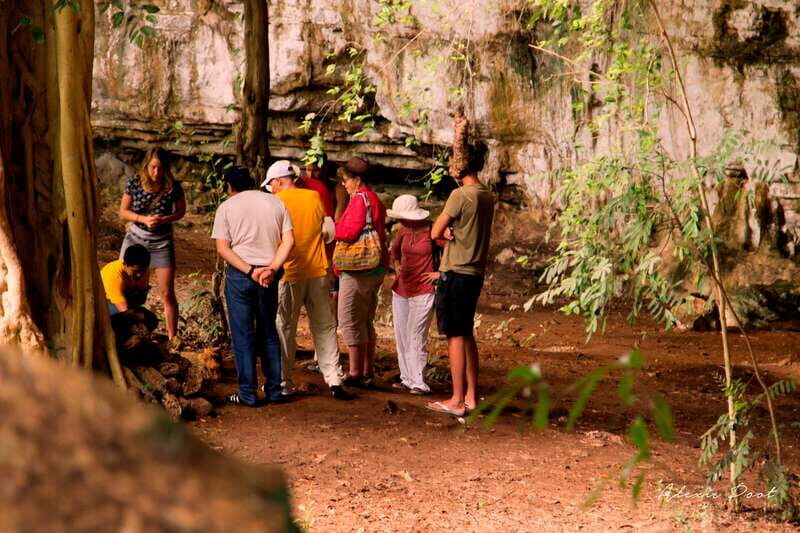
- Descend into a dry cenote and spot local bee varieties in their natural environment
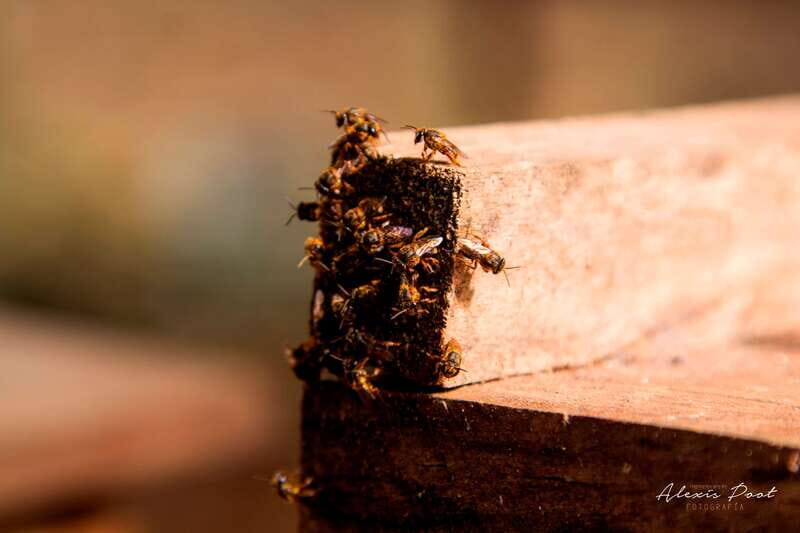
- Watch stingless bees at work in and around their hive setup
- Learn which plants feed honey production, and why those plants matter in Yucatán
- Visit the Meliponario and observe hive structure up close
- Taste multiple honey types and other hive products at the end of the tour
- Get a small souvenir photo and gift, so you leave with more than just memories
Xkopek Parque Apícola: the short walk that sets the tone
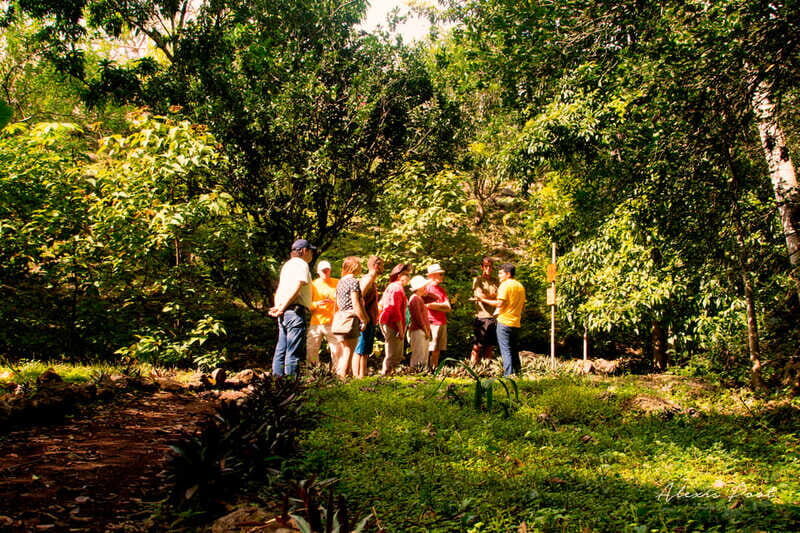
Most honey tours focus on tasting. This one starts earlier, with a guided walk through the area around Xkopek Parque Apícola in Valladolid. You’ll be led by a bilingual guide (English and Spanish), and the pace is meant to get you ready for what comes next: bees, plants, and a very specific type of cenote.
The park itself has a practical, lived-in feel. You aren’t just looking at a display behind glass. You’re moving through the environment that supports the bees. That matters, because the point of the tour is not only honey. It is the whole system: plants → bees → hive products.
Before you head downward, you’ll also get context on the local plants you’re about to see. You’ll learn how these plants are connected to the honey process. In real terms, that turns a simple nature walk into an education you can remember when you taste later.
You can also read our reviews of more food & drink experiences in Valladolid Mexico
Descending into the dry cenote to see stingless bees in the wild
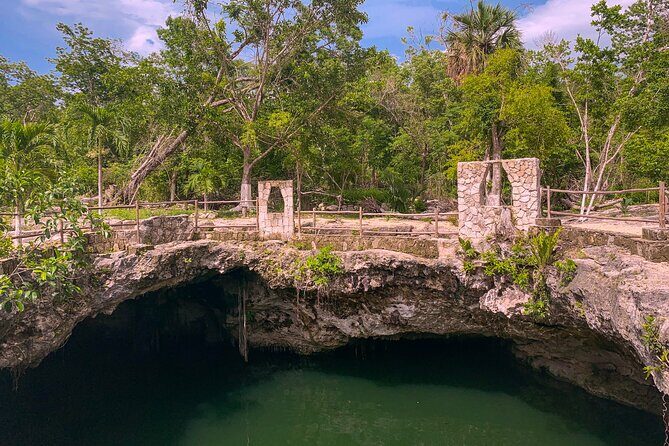
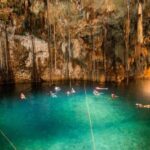
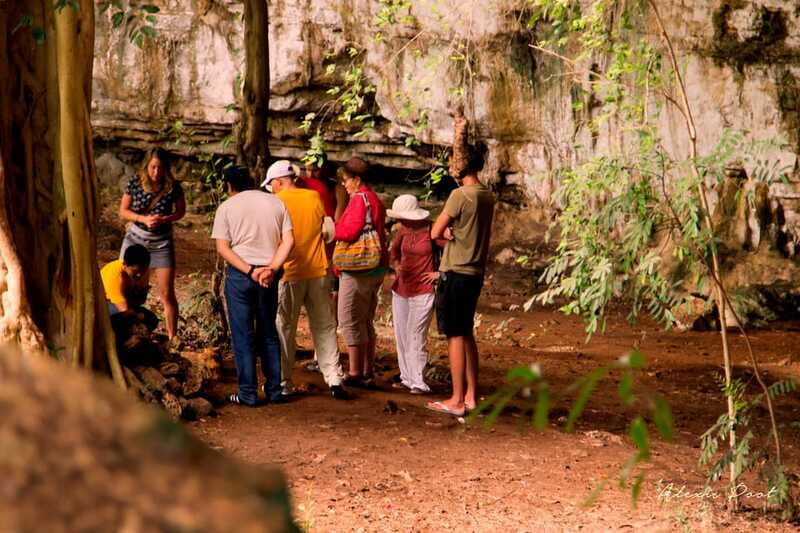
Then comes the signature moment: the descent down to a dry cenote. This is not a swimming cenote with water right under your feet. It’s a dry, vaulted space where you can still understand how cenote environments shape local life.
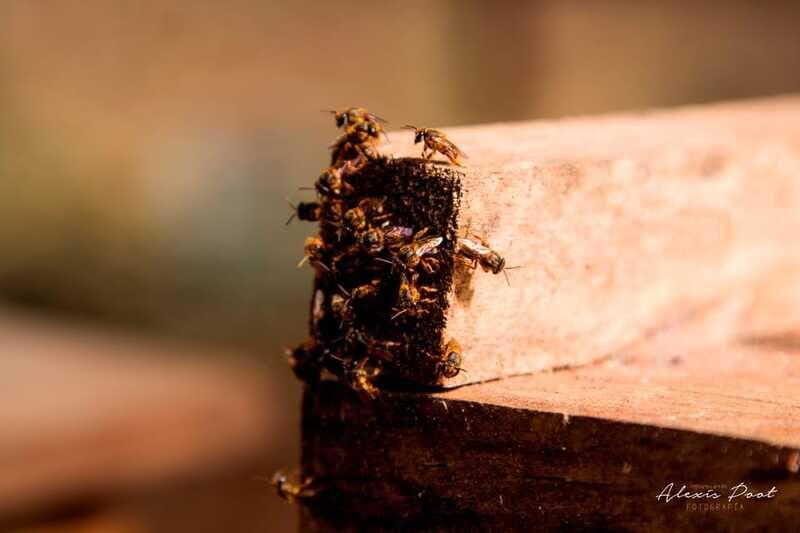
Inside, your guide points out local plant varieties, and then you’ll see bee activity in their natural, wild state. The key detail: these bees don’t sting. That makes a huge difference for comfort. You can focus on observing behavior—where they move, how they interact, and what their environment looks like—without the stress that some people feel around bees.
You’ll also appreciate the contrast. Cenotes are often imagined as wet and cool. Here, the dry setting changes how you interpret the landscape. The tour uses that difference to make the bees feel grounded in place, not imported for a tourist show.
What to watch for: photography can be tricky with uneven ground and shaded areas. Keep your camera strap short, and expect some steps down before you get that clear view.
Plant talk in the jungle: learning the honey ingredients behind the scenes
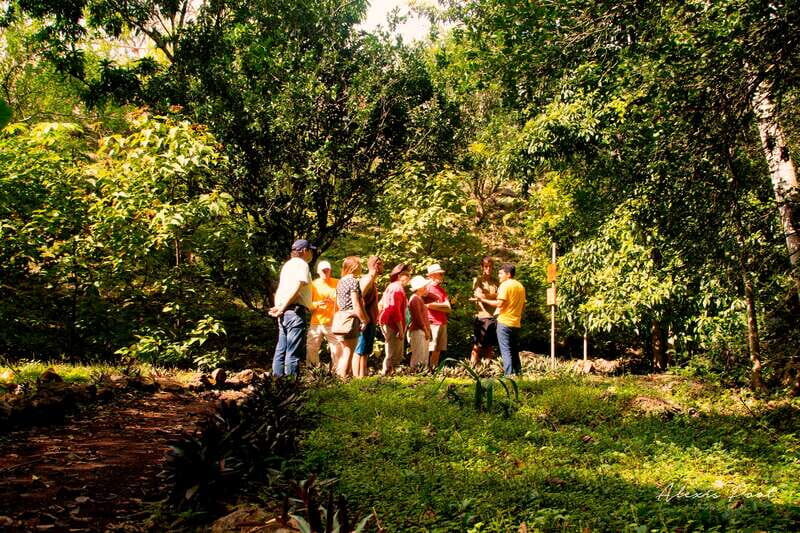
After the cenote stop, you’ll walk along a jungle path. This section might sound like a standard nature segment, but the goal is very specific: identifying key plants used in honey production.
This is where you start linking the dots. Honey isn’t just honey. It reflects what local bees can gather from their surroundings. By learning plant names and purposes during the walk, you’ll later understand why the tasting isn’t just random flavors. You’re tasting the local environment translated into hive products.
Another benefit: the plant stop adds a gentle rhythm to the tour. You’re not only going from one bee moment to the next. You get a chance to look around and let the information settle. It also helps explain why a beekeeping operation often includes conservation and habitat awareness. If you pay attention here, the Meliponario visit will make even more sense.
Meliponario and opening a beehive: what you’re really looking at
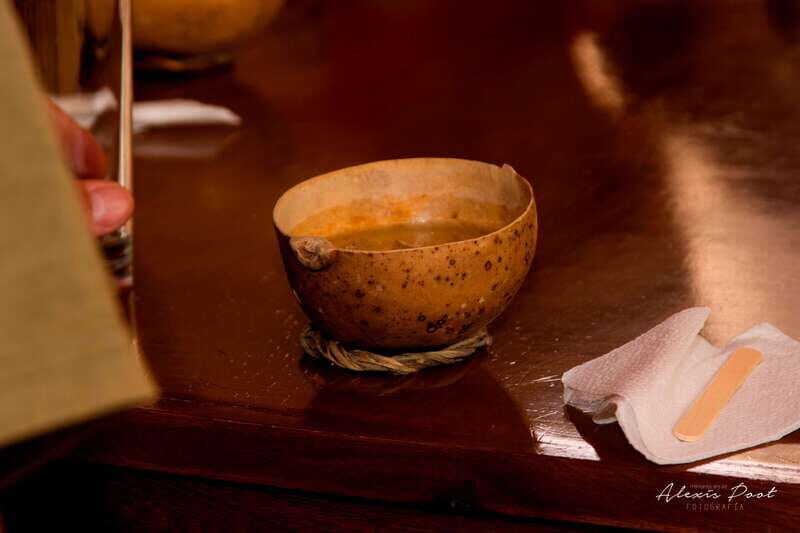
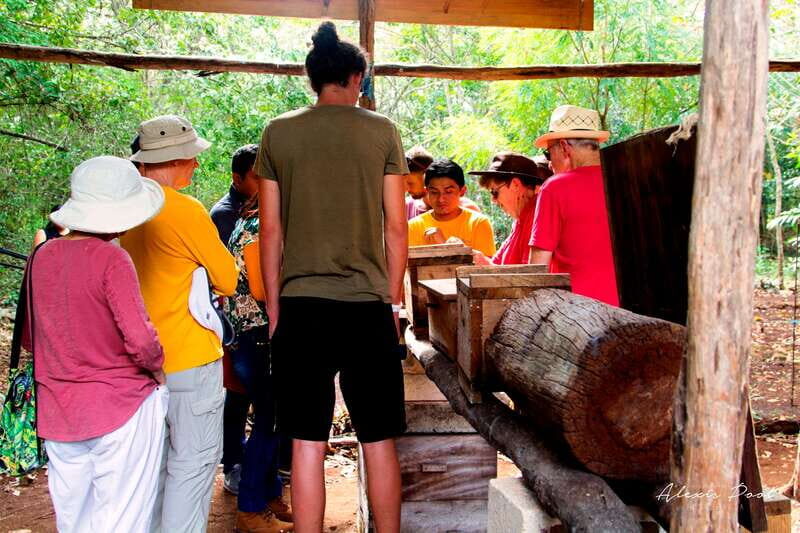
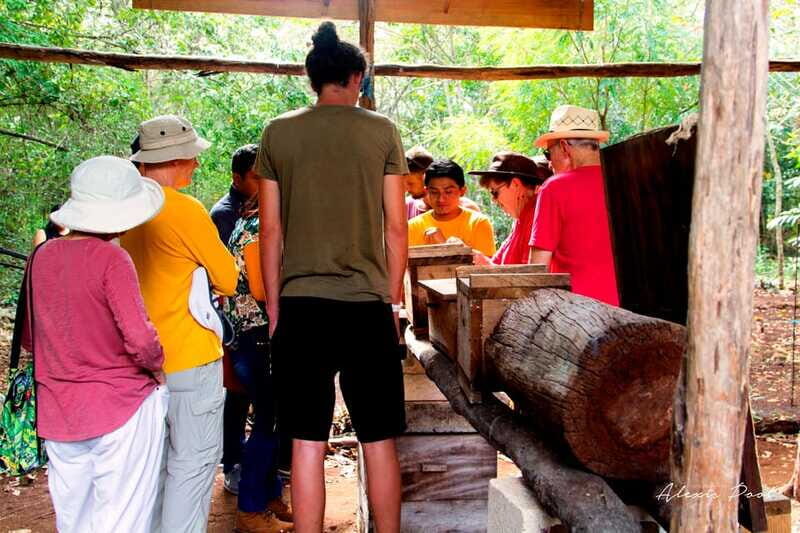
Next you reach the Meliponario, the heart of the learning. You’ll hear about the honey process and also other products made by the colony. The tour highlights the health properties of these hive products, so your guide is not only focused on what honey tastes like, but what it’s used for.
One of the most impressive parts is the chance to open a beehive to observe the architecture. In plain terms, you get a view of how structured the colony is—how the hive is organized, how the colony operates, and why people treat this craft like serious knowledge, not a hobby.
This is where the small-group size really pays off. When you’re capped at 10 participants, it’s easier to keep a clear line of sight and ask questions without turning the moment into a traffic jam. You also get a better chance to see details that you might miss in a larger crowd.
Tip from me: listen with your eyes. Even if you don’t catch every plant or product detail, watch how the guide positions you, where they point, and what they emphasize during hive viewing. The most memorable moments are often the small ones: how things are arranged, how bees move, and how the guide connects those observations to honey and colony products.
Honey tasting: translating the tour into real flavors
After all the observing and learning, you finally reach the tasting portion—one of the big reasons people book this tour in the first place. You’ll taste honey and other products from the hive, plus you’ll drink a delicious drink sweetened with honey.
The tasting is not just a single sample. You get a chance to compare. That’s important because different honey types and hive products can taste different in texture and flavor. If you care about value, this is where the tour justifies the price: you’re not paying for a long lecture. You’re paying for learning plus food-style sampling that you can actually appreciate.
You’ll also be able to taste items that tie back to what you learned earlier—plant sources, colony process, and the way the hive produces products. The tasting becomes your checklist. If something you learned in the jungle felt abstract, the honey flavors help make it click.
Then, you get a final stop at a small store for honey and souvenirs. There’s also a souvenir photo opportunity. It’s a nice ending because you leave with the option to bring something back that matches the story you just heard.
One practical note: the tour includes fresh water, but if you’re sensitive to heat, bring a bit more patience. You’ll be outside on paths and down steps, and tasting can make you feel like you want to linger.

Price and value for an 90-minute Valladolid honey experience
At $18 per person for about 90 minutes, this is strong value for a few reasons.
First, it includes more than entry. You get a bilingual guide, honey tasting, a drink sweetened with honey, fresh water, and a gift. Second, the group is limited to 10 participants, so you’re not stuck in a big herd. Third, the experience includes a dry cenote descent and a beehive viewing moment. Those are not things you typically find in a basic honey shop visit.
Also, the tour is positioned well for a mid-morning or afternoon activity in Valladolid. It doesn’t eat an entire day, which keeps your options open for cenotes, food, or a second tour. If you’re staying in town and want a meaningful, local experience without a long commute, this format fits.
About costs: transportation and food are not included. You’ll likely want to eat before or after, and you can plan to grab something nearby. One plus is that the meeting area is described as a safe part of town, and there may be a small café nearby for eats, depending on what’s open when you finish.
Where to meet and how to get there without stress
Meet at Xkopek Parque Apícola, Calle 57 x 38 Colonia San Juan, next to the Sindicato de Taxistas Los Frailes, Por Villas del Sol. If you don’t want to figure out routes, a taxi is the simplest option.
If you drive, use Google Maps to reach the exact address. When you’re dealing with a garden-style park entrance, it’s worth using an app rather than relying on vague street landmarks.
Plan to arrive a few minutes early. With stairs and stony sections on the trails, getting settled before you start moving helps everyone enjoy the experience.
Who should book this tour (and who should skip it)
This is a great fit if you:
- want a hands-on, local take on beekeeping and honey
- like nature walks that still teach you something useful
- enjoy small-group tours where you can ask questions
- want a honey tasting with real context, not just a sample tray
Skip it if you:
- have small kids under 5 (it is not suitable)
- have limited comfort with stairs and uneven or stony areas
- dislike spending time outdoors during a walk segment
It also has clear guidance for personal comfort:
- wear comfortable clothes and closed shoes
- use only organic repellent
- expect stairs and uneven ground
If you love animals but don’t want risk or sting anxiety, the stingless-bee focus is a major reason to choose this tour.
Should you book the Xkopek Mayan Bees Tour and Honey Tasting?
I’d book it if you want one compact experience that covers nature, local plants, and beekeeping in a way that connects to what you taste. The dry cenote moment and the hive-opening observation are the kind of details you don’t get from a standard honey stop. Add in the small group size and the fact that the tasting is included, and the value looks solid for $18.
If you’re very sensitive to stairs or rougher ground, you might want to choose a different activity with flatter paths. And if your main goal is a long meal or a full-day itinerary, this is not that kind of tour.
FAQ
How long is the Xkopek Mayan Bees tour?
It lasts about 90 minutes.
What is included in the price?
The ticket includes admission, a bilingual guide, a honey and hive products tasting, fresh water, and a gift.
What languages is the guide available in?
The tour is offered with Spanish and English live guide support.
Is this tour suitable for children?
It is not suitable for children under 5 years old.
What should I wear or bring?
Wear comfortable clothes and closed shoes. The trails include stairs and stony areas, and you’re asked to use only organic repellent.
What’s not included?
Transportation, food, and lodging are not included.