REVIEW · TULUM
Tulum : Scuba in 2 cenotes including a deep one Pit Dos Ojos
Book on GetYourGuide →Operated by La Calypso Dive Center · Bookable on GetYourGuide
Cenote scuba in Tulum is pure sci-fi. This 5-hour small-group trip hits two of the best-known cenotes, starting with El Pit for the famous deep features, then moving to Dos Ojos for the big limestone scenery and bat-cave vibes. I like that the route is designed around visibility and control, with natural light always in your field of view.
Two things I really appreciate: the focus on safety with a cave instructor and lots of planning space (exits and air holes are kept close), and the way the tour turns physics into wow-factor with the halocline and the sulfur cloud you cross around 25 meters down. One consideration: you must have the right advanced certification, and the tour is not for kids under 16, pregnant people, or seniors over 70.
In This Review
- Key points I’d circle before booking
- Why Pit and Dos Ojos Matter in Tulum’s Cenote World
- Meeting at La Calypso: Gear, Light, and Safety First
- Cenote El Pit: Halocline, Sulfur Cloud, and Cathedral Walls
- The halocline effect
- The sulfur cloud at depth
- Time underwater: short, intentional, and focused
- Cenote Dos Ojos: Bats, Limestone Plays of Light, and Underground Theater
- What to watch for (without overthinking it)
- The “underwater surprises” factor
- Timing, Group Size, and What the 5 Hours Feels Like
- Certification Rules: Why Advanced Caves Training Is Mandatory
- What’s Included in the Price (and Why $230 Can Make Sense)
- The Human Touch: Friendly Instructors You’ll Actually Understand
- Who This Tour Fits Best in Tulum, and Who Should Skip It
- Should You Book the Pit Dos Ojos Cenote Scuba Tour?
- FAQ
- What is the duration of the tour?
- Where do I meet for the experience?
- Which cenotes are included?
- How much does it cost?
- Is advanced certification required?
- What scuba gear is included?
- Is transportation included?
- What snacks or food are provided?
- Who is this tour not suitable for?
Key points I’d circle before booking
- El Pit: a standout deep cavern experience with halocline behavior and a sulfur cloud at 25 m
- Dos Ojos: famous cavern visuals, including a bat cave area
- Safety design: close exits, air-hole planning, and constant natural-light contact
- Small group feel: quick attention from staff and instructors underwater
- Everything provided: full gear, lights, and even snacks plus water
- Languages available: English, Spanish, Italian, and French
Why Pit and Dos Ojos Matter in Tulum’s Cenote World
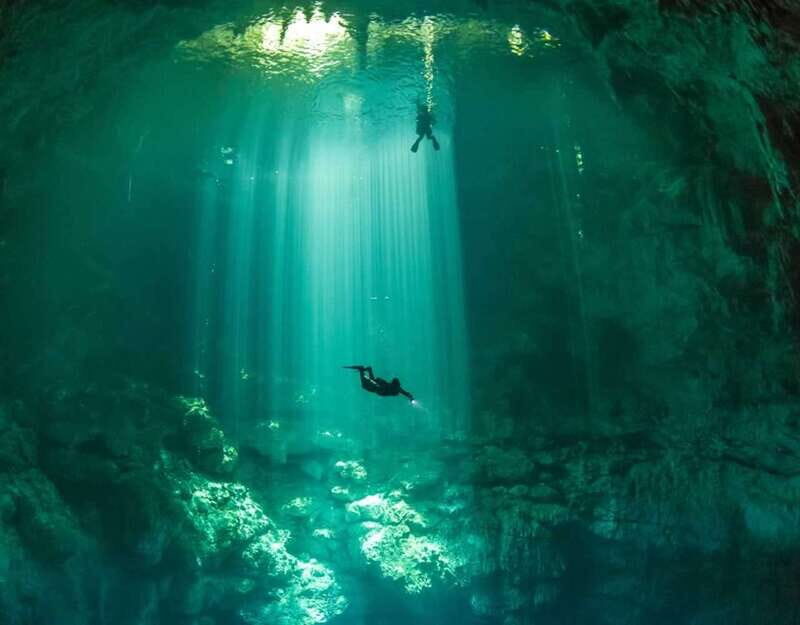
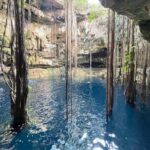
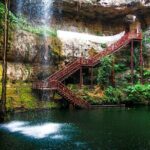
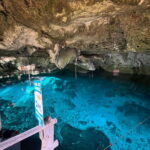
If you’re chasing the classic Tulum cenote look, you’ll see it in two different ways on this tour. El Pit is the science-and-structure stop, where the water layers and depth effects are part of the show. Dos Ojos is the storytelling stop, where the canyon-like caverns and limestone formations feel like they were built for underwater photography and awe.
This matters because not all cenote “experiences” feel the same. Some tours mostly focus on a surface swim and a few quick checkpoints. Here, the whole point is getting you into cavern systems with lighting, route control, and enough time to actually appreciate what’s happening around you.
Also, you’re not just passing through water. You’re moving through a place with sacred-sounding geology: stalactites and stalagmites, limestone formations, and even reports of fossils and prehistoric bone formations you can observe depending on conditions.
You can also read our reviews of more scuba diving tours in Tulum

Meeting at La Calypso: Gear, Light, and Safety First
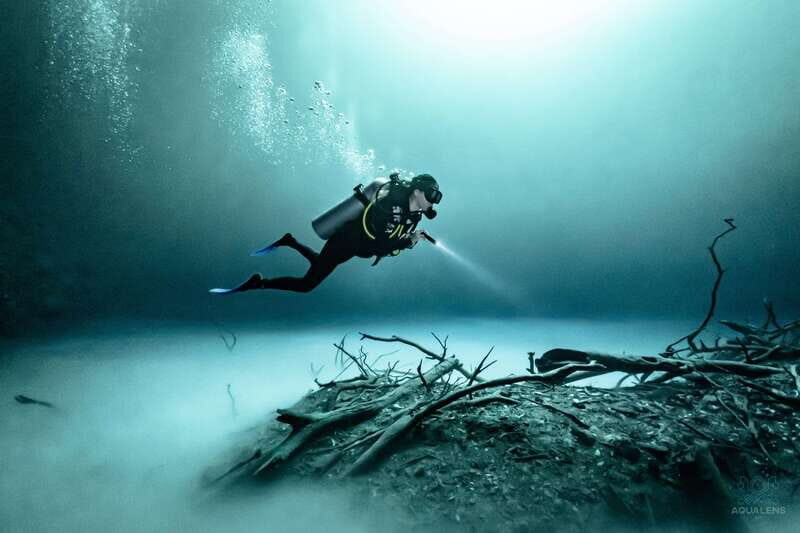
You start at La Calypso Dive Center, get fully equipped on-site, then head out by vehicle to the cenotes. You’ll be in the water with the specific gear provided, including lights and a 5 mm wetsuit. That’s a practical detail that often gets overlooked: cenote water can feel cold fast, and gear choices matter for comfort and control.
What I like about how this is set up is the “you’re never alone” feeling. The tour describes a cavern setup that keeps you close to exits and planned air holes, plus permanent visual contact with natural light. In plain terms, you’re not trying to find your way in the dark. You’re navigating by design, with the environment working with you.
Language support is also real-world helpful here: instructors are listed in English, Spanish, Italian, and French. That helps if you want clear, quick explanations before you drop in.
Cenote El Pit: Halocline, Sulfur Cloud, and Cathedral Walls
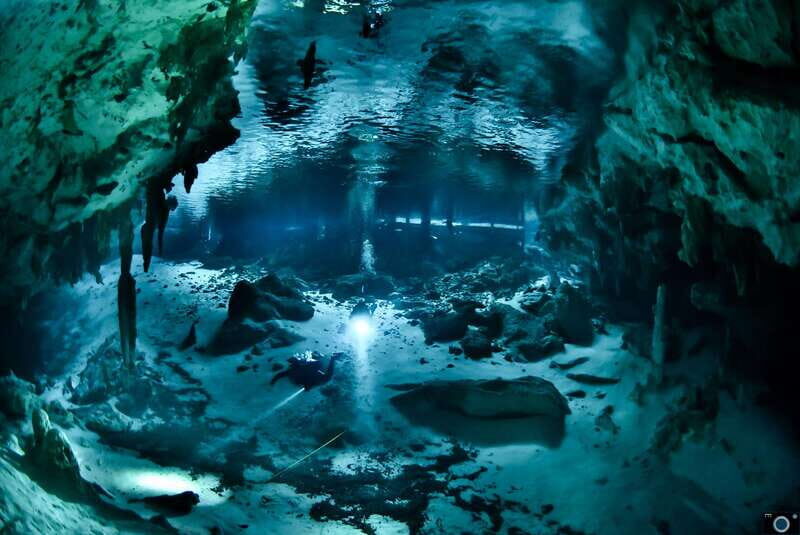
El Pit is where this tour starts to feel like the headliner. It’s listed as a top 10 dive in the world, but more important than the label are the specific natural features you’re there to experience: the halocline and a sulfur cloud at 25 meters.
The halocline effect
A halocline is a natural boundary between fresh and salted water. In a cenote, that boundary can create a weird, dramatic “layer” feeling in the water, like two different worlds meeting. The tour includes this as a key highlight, so you’re not just hearing the term—you’re being taken to the part of the system where it matters.
For you, that means better odds of seeing the visual difference and experiencing how it changes what you feel around your buoyancy and movement. Even if you’re not a science nerd, it’s the kind of natural phenomenon that turns the water into an event.
The sulfur cloud at depth
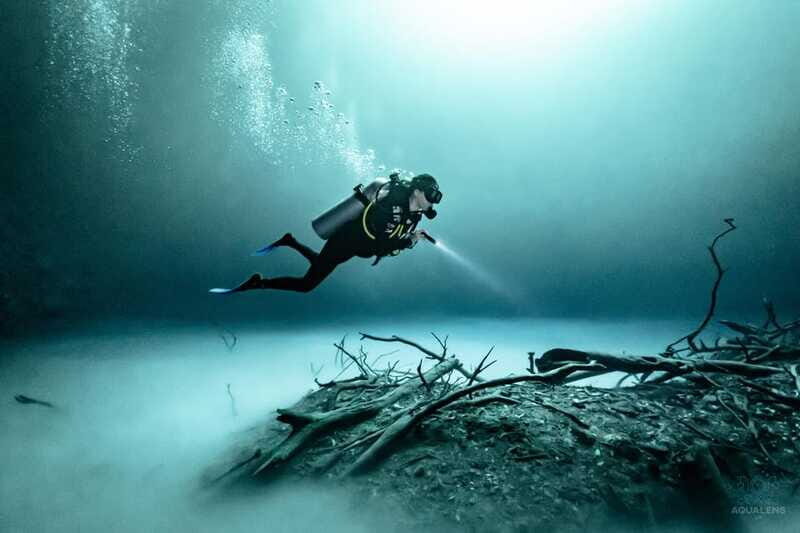
Then there’s the sulfur cloud you cross at around 25 meters deep. That’s not the kind of thing you invent on your own. It’s also the reason this tour is positioned as an advanced, cave-instruction style experience rather than a casual try-it.
In practical terms: expect your depth awareness to be a big part of the experience. The tour’s safety emphasis—close exits, planned air areas, and controlled route design—supports that.
- Selva Maya Eco Adventure Park: Ziplining, Hanging Bridges, Rappelling and Cenote
★ 5.0 · 1,057 reviews


Time underwater: short, intentional, and focused
Your El Pit scuba session is scheduled for about 40 minutes. That’s long enough to feel settled and see the main highlights, without dragging you through an all-day technical slog. The result is a “main event first” pacing: you get the dramatic feature while your energy is fresh.
Cenote Dos Ojos: Bats, Limestone Plays of Light, and Underground Theater
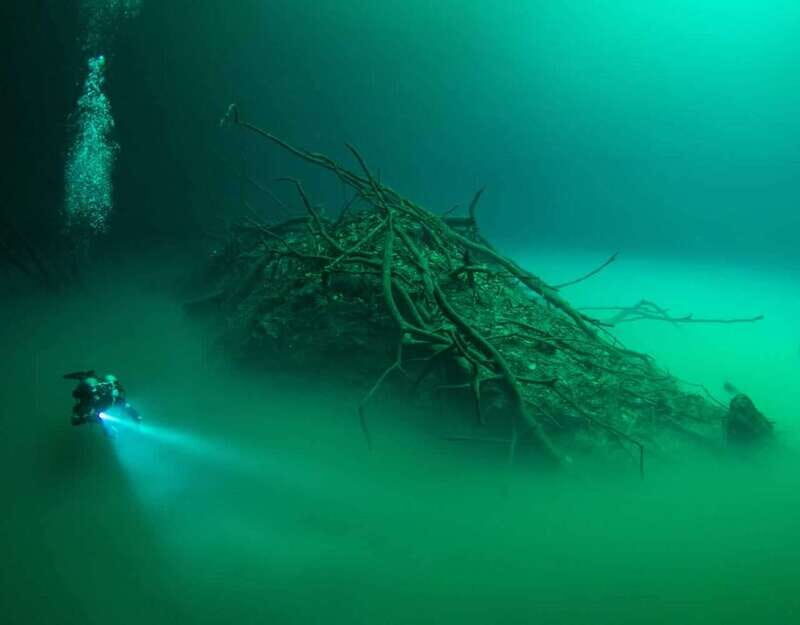
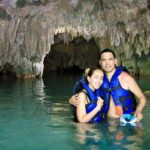
After El Pit, you head to Dos Ojos for about 45 minutes in the water. Dos Ojos is famous for a reason: the tour highlights millions of limestone formations, plus a bat cave area and striking lighting effects.
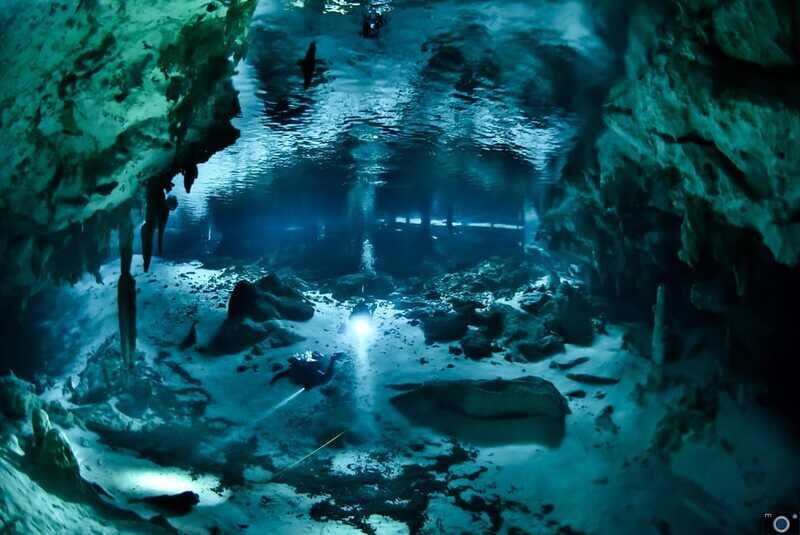
This is the stop where the cenote turns into architecture. You’re described as moving through caverns with cathedral-like stalactites and stalagmites, and seeing huge amounts of limestone structure that look different depending on your angle and your light. Since the tour also mentions natural light stays in view, it tends to create that extra layer of depth perception—your brain reads the cave shape more clearly than in fully dark systems.
What to watch for (without overthinking it)
You can also observe limestone formations plus fossils and prehistoric bone formations depending on conditions. That kind of detail is exactly why cavern route time matters. If you go too fast, you miss the “small movie” happening on the rock walls.
The bat cave mention is also a big deal. Bats aren’t just a cute add-on; they’re part of why Dos Ojos feels like a living system. Even if the activity level changes day to day, you’ll want to be ready to look up, watch your spacing, and stay aware of your surroundings.
The “underwater surprises” factor
The tour description promises underwater surprises. I treat that as a reminder not to plan your expectations too rigidly. In cenotes, what stands out can shift with visibility and conditions. The upside is that Dos Ojos gives you multiple ways to enjoy the place: geology, lighting, and the creature feature.
Timing, Group Size, and What the 5 Hours Feels Like
This is a 5-hour tour overall, with two main underwater sessions in the 40-minute and 45-minute ranges. That pacing works well because you’re not spending the entire day traveling and waiting around. You start at La Calypso, get ready, then the schedule moves.
The tour also notes small group availability. In my experience with activities like this, a smaller group tends to mean calmer control underwater and more individual attention during briefings and checks. It also helps you feel less like a number when you’re dealing with advanced certification and cavern navigation.
You’ll also want to think about energy management. Eat something before you arrive if you can (breakfast or lunch is not included). Then plan on light snacks only after, because the water time and gear time can be tiring even when everything goes smoothly.
Certification Rules: Why Advanced Caves Training Is Mandatory
Here’s the big reality check. This tour requires advanced diver certification, and it explicitly says advanced cave instructor support is part of the experience. If you don’t have the right level, you shouldn’t try to bargain with it. The tour is set up for an advanced cavern-style route, not a basic orientation.
The description also states it’s not suitable for:
- children under 16
- pregnant women
- people over 70
- divers without certification
That’s not just legal wording. It lines up with why the route includes deep features like a sulfur cloud and halocline behavior at depth. This is a controlled environment, and controls are there for a reason.
If you’re certified and comfortable with cavern-style navigation, this tour can feel like a very well-structured step up. If you’re not at that level yet, your safest move is to do a lower-stakes training option first.
What’s Included in the Price (and Why $230 Can Make Sense)
The price is $230 per person for a 5-hour outing. For cenote experiences, that’s not “cheap,” but it isn’t random either. Here’s what you’re paying for based on what’s included:
- roundtrip transportation from the dive center to the cenotes
- entrance fees to the cenotes
- all diving gear, including lights and exposure protection (like a 5 mm wetsuit)
- full cave instructor support
- Wi‑Fi in the shop
- snack and drinkable water
When I evaluate value, I look at the “hidden costs” travelers usually hit. Cenote entrance fees, proper equipment, and instructor staffing add up fast. If you’re comparing this to cobbling together a private setup, paying for a guided, safety-first package often ends up making more sense than chasing multiple bookings.
Also, the small group setup matters for value. You get time with the instructor and a more controlled experience. That’s worth money when you’re doing something that depends on good buoyancy, calm spacing, and clear communication.
The Human Touch: Friendly Instructors You’ll Actually Understand
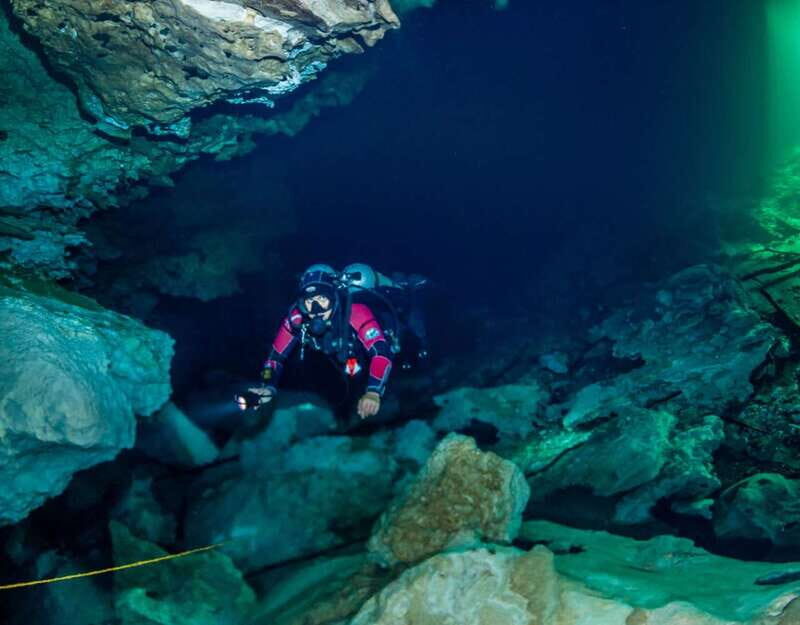
The best part of this tour, beyond the water features, is the people running it. Guides are named in the experience feedback: Alex is called out for being friendly and giving strong explanations, and Bebe is mentioned as a guide who made both water sessions cool and memorable.
There’s also a note about last-minute help: Mariano was able to accommodate someone who booked shortly before, and staff took good care of them underwater. For you, that’s reassuring if your plans are still flexible or your schedule gets tight when you’re in Tulum.
A recurring theme is comfort and safety. Multiple accounts highlight feeling safe and well cared for, even when group sizes are small and personal attention is higher. That aligns with the tour’s safety language about exits, air-hole planning, and instructors guiding you through a controlled route.
Who This Tour Fits Best in Tulum, and Who Should Skip It
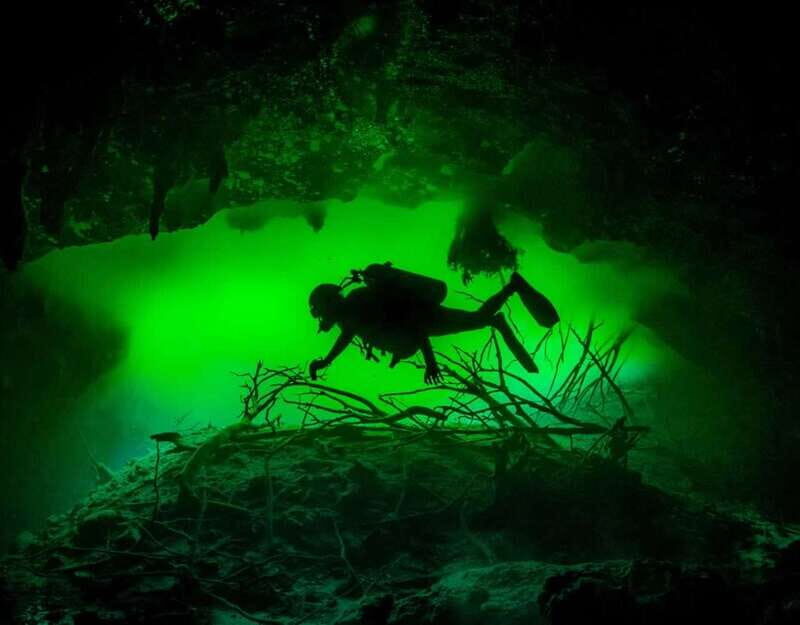
This tour is a great fit if you:
- have advanced scuba training and feel comfortable in cavern environments
- want to see the halocline and experience the sulfur-cloud feature at depth
- like guided structure, lighting, and planned routes
- enjoy geology and want a big “rock architecture” show at Dos Ojos
You should skip it if you’re:
- not eligible under the stated limits (under 16, pregnant, over 70)
- without the required certification
- looking for a casual, beginner-friendly water activity
If you’re already trained and you want a Tulum experience that feels more like exploring a natural system than just visiting a site, this tour is right in its lane.
Should You Book the Pit Dos Ojos Cenote Scuba Tour?
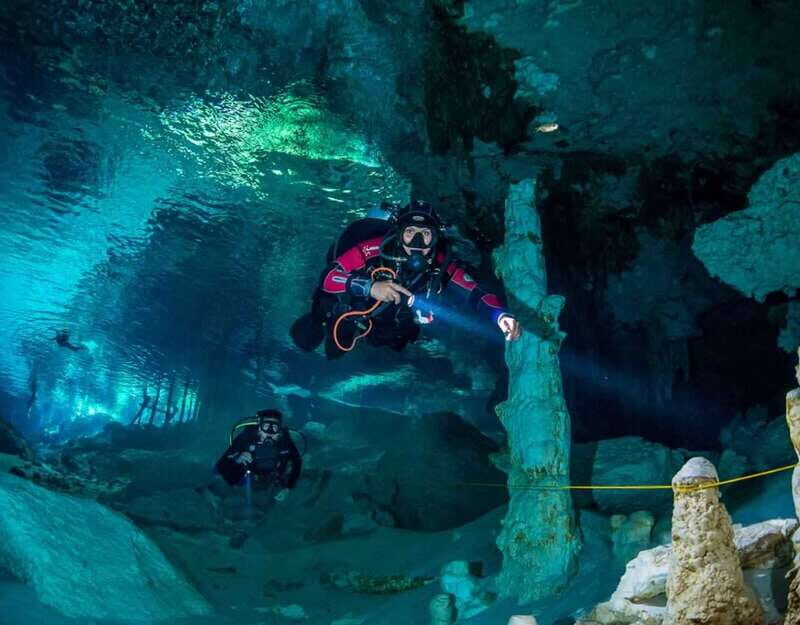
Book it if you want a top-tier cenote program with advanced-level structure, a real instructor presence, and two different kinds of wow: El Pit’s physics (halocline) and depth features (sulfur cloud), then Dos Ojos’ big cavern visuals (limestone, bat cave area, lighting effects).
Don’t book it if you’re still working toward advanced certification, or if any of the stated restrictions apply to you. And be honest with yourself about comfort at depth—this experience includes a feature at 25 meters, so your planning should match that reality.
If you meet the certification requirements and you want a small-group route that prioritizes safety and good visibility, this is one of the more compelling ways to spend a half-day in Tulum.
FAQ
What is the duration of the tour?
The tour lasts 5 hours from meeting at the dive center to returning back afterward.
Where do I meet for the experience?
You meet at La Calypso Dive Center.
Which cenotes are included?
You visit Cenote El Pit (about 40 minutes) and Cenote Dos Ojos (about 45 minutes).
How much does it cost?
The price is $230 per person.
Is advanced certification required?
Yes. Advanced diver certification is mandatory.
What scuba gear is included?
The tour includes all diving gear, including lights and a 5 mm wetsuit.
Is transportation included?
Yes. It includes roundtrip transportation from the dive center to the cenote spots.
What snacks or food are provided?
A snack and drinkable water are included. Breakfast or lunch is not included.
Who is this tour not suitable for?
It is not suitable for children under 16, pregnant women, people over 70, and divers without certification.

More Scuba Diving Tours in Tulum
More Tour Reviews in Tulum
- Selva Maya Eco Adventure Park: Ziplining, Hanging Bridges, Rappelling and Cenote
★ 5.0 · 1,057 reviews