REVIEW · QUINTANA ROO
Tulum: Chocolate & Honey Sanctuary Experience with Lunch
Book on GetYourGuide →Operated by Chococacaomaya · Bookable on GetYourGuide
This is Tulum, minus the party vibe. In about 3 hours, you’ll get a real chocolate and honey sanctuary experience in Quintana Roo, with Mayan cocoa history, hands-on food work, and a cool-off cenote swim. I love how slow-paced it feels and how you’re taught the story behind what you’re making, not just handed a product to try. One thing to consider: depending on the moment and group setup, a couple steps can be more listening than full hands-on, so go with the mindset of learning as much as making.
You’ll meet your guide at Chococacao Maya and check in at the Shamans’ Palapa. After a shaman blessing, you’ll move through the jungle sanctuary, learn about the Mayan role of cacao, and then work with cacao and honey in a way that feels personal and calm. The day ends with a meal built around honey and chocolate, followed by the cenote waters for that restorative reset.
In This Review
- Key highlights you’ll actually remember
- Entering the Chococacao Maya sanctuary near Aldea Coba
- The shaman blessing and the Mayan cocoa backstory
- Making chocolate the traditional way: roast, peel, metate grind
- Honey, stingless bees, and your honey soap workshop
- Cenote swim in sacred water: what it feels like and how to prep
- The honey-and-chocolate lunch: what you should expect
- Price, timing, and value of a 3-hour cacao-and-honey day
- Who should book this tour in Tulum
- Should you book the Chocolate & Honey Sanctuary with Lunch?
- FAQ
- Is the Chocolate & Honey Sanctuary Experience in Tulum only 3 hours?
- How much does it cost?
- Where do I meet the guide?
- What’s included in the price?
- Are drinks included?
- Is a life jacket included for the cenote swim?
- What languages is the live guide?
- What should I bring?
- Can I cancel and get a refund?
- Is it wheelchair accessible?
Key highlights you’ll actually remember
- Shaman blessing to start your walk into the jungle sanctuary
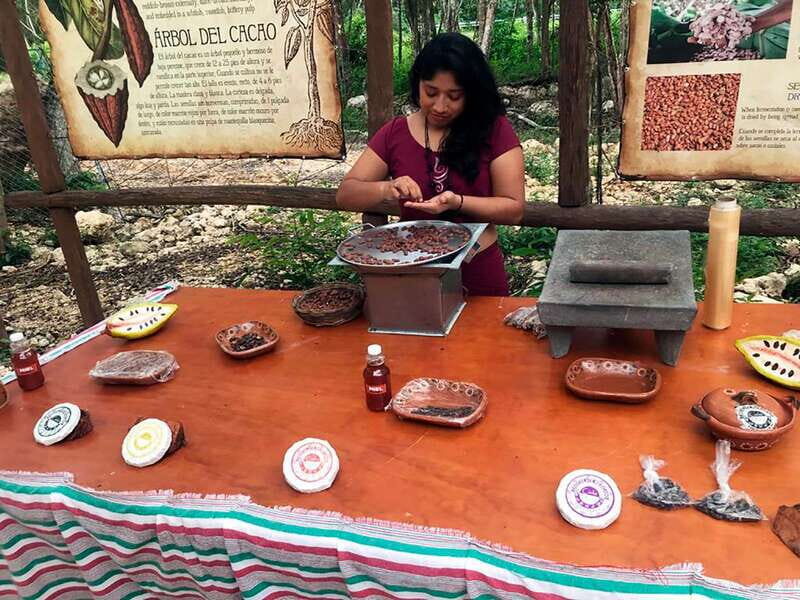
- Mayan cocoa workshop: roasting, peeling, and grinding cacao on a metate
- Organic chocolate creation with optional mix-in ideas like vanilla, amaranth, coffee, or habanero
- Mayan stingless bee conservation and a honey-focused soap-making session
- Cenote swimming with clear, sacred-feeling water after lunch
Entering the Chococacao Maya sanctuary near Aldea Coba
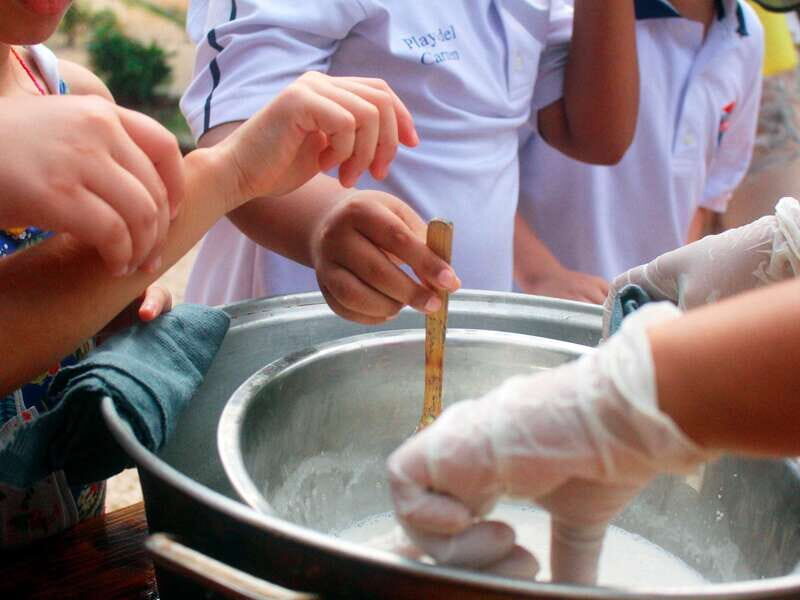
Start by making your life easy with the meeting point. You’ll go to the Chococacao Maya entrance, located in front of the Starbucks at Hotel Aldea Coba. When you arrive, check in at the Shamans’ Palapa so you’re in the right spot before the group starts.
This matters because the experience is designed around moving together through a jungle setting. If you show up late or confused, you’ll feel it right away since the flow is part of the magic—blessing, then history, then workshops, then lunch, then swim. Plan to wear clothes you’re comfortable getting a little sweaty in. You’ll be guided through both explanation and hands-on moments, and the day moves at a relaxed pace rather than a sprint.
Good to know: the tour is offered in English and Spanish, and it’s listed as wheelchair accessible. If you’re traveling with mixed language comfort, you can still have a good time—just expect the guide to work to keep everyone with them.
You can also read our reviews of more tours and experiences in Quintana Roo

The shaman blessing and the Mayan cocoa backstory
Before you get anywhere near cacao tools, you start with a shaman blessing. It’s meant to set the tone—thanking the ancient spirits of chocolate and honey and inviting you to experience the day with the right attitude.
Then local experts walk you through Mayan cocoa history and how cacao seeds were used as a bargaining chip. That part is quietly powerful because it reframes cacao from a modern treat into something with social meaning. Instead of tasting chocolate and moving on, you start understanding why it mattered.
You’ll also hear practical context about the cacao process. The group isn’t just doing theater. You learn the physical steps—roasting, peeling, and grinding—so when you smell cacao roasting and see the seeds transform, it clicks. This is the kind of tour where the “why” makes the “what” more interesting.
Making chocolate the traditional way: roast, peel, metate grind
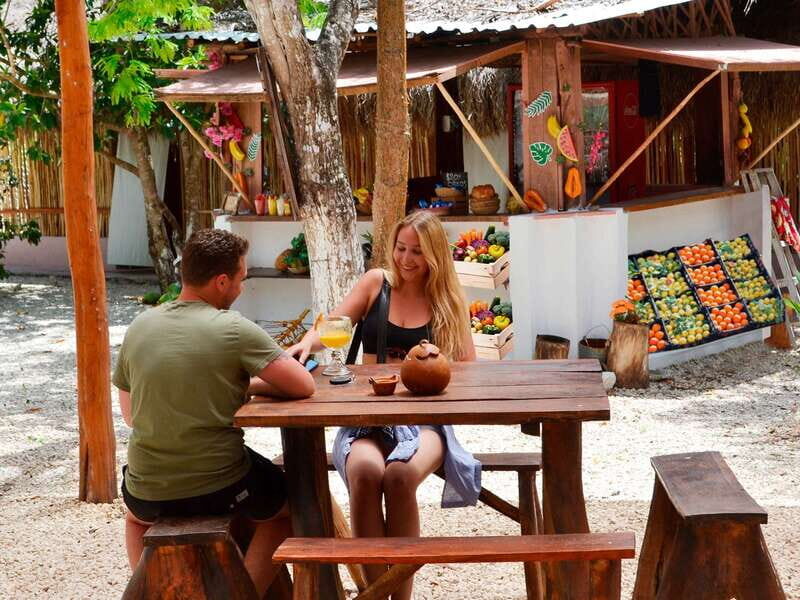
This is where the tour earns its name. The chocolate experience is built around the process, not a quick tasting flight.
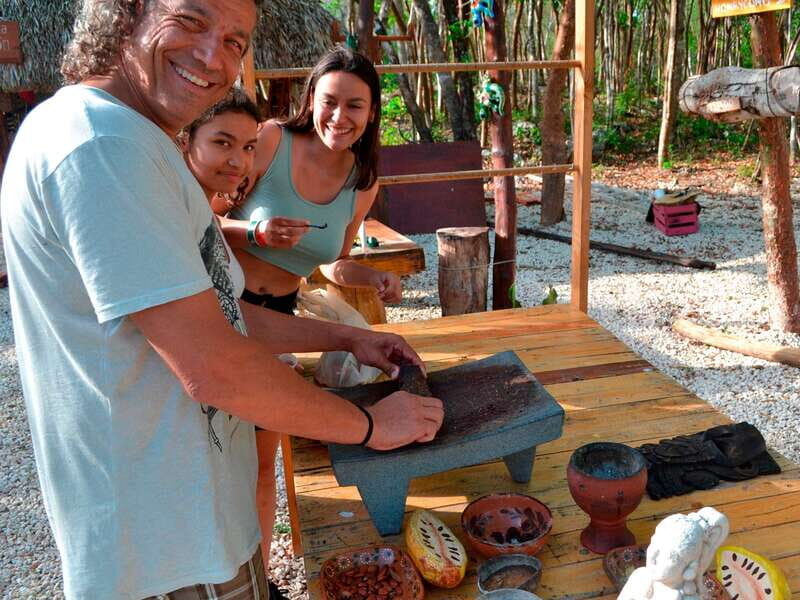
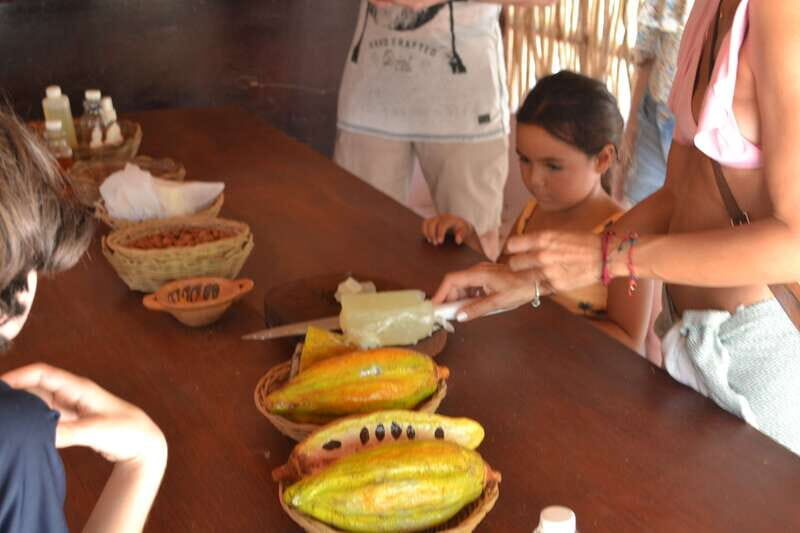
You learn how cacao beans are roasted, then peeled, and then ground on a metate. That metate part is the moment most people remember because it’s tactile and slower than modern machinery. It also helps you understand why handmade chocolate has a different character—texture and aroma come from the grinding and patience.
You’ll also create an organic chocolate blend with different flavor choices. The options can include things like vanilla, amaranth, coffee, and habanero. Even if you don’t pick every option yourself (some groups may have more guided choices), you still get the idea: you’re customizing a chocolate profile instead of just eating what’s already made.
One useful mindset tip: smell everything. When the cacao is roasting and when it’s being worked, your nose is basically taking notes. If you go in expecting only a flavor lesson, you’ll miss how much sensory detail you’re being shown.
Honey, stingless bees, and your honey soap workshop
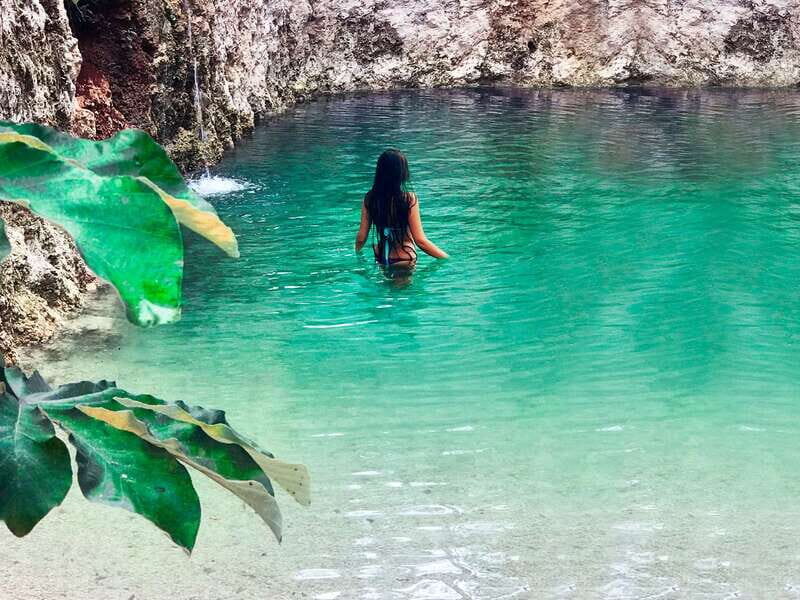
After the cocoa portion, the focus shifts to honey and bees. A big part of the sanctuary experience is conservation of the Mayan bee, described as the only bee in the world without a stinger. Because of that, the sanctuary approach is protective: preserving the bee and the honey it produces.
You’ll learn what makes this honey unique in flavor and how it’s considered medicinal, along with its uses. Whether you’re the type who leans into health claims or the type who just likes good ingredients, the bee conservation angle gives the day real grounding. You’re not just consuming honey; you’re hearing why the sanctuary treats it as something worth safeguarding.
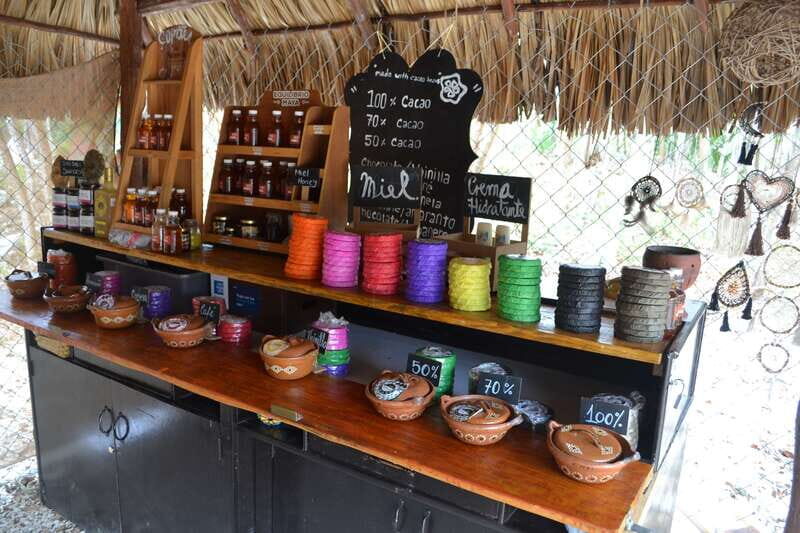
Then comes the hands-on part: you make honey natural soap. The goal is simple—learn the process, make the product with your hands, and take something home. In the general flow, you’re meant to leave with soap or related products made during the experience.
One caution based on real timing: soap-making can vary slightly depending on what’s happening that day. On most runs, the workshop is part of the included experience, but if you’re the type who needs every step guaranteed, keep flexibility in your expectations and treat it as part of an educational workshop.
Cenote swim in sacred water: what it feels like and how to prep
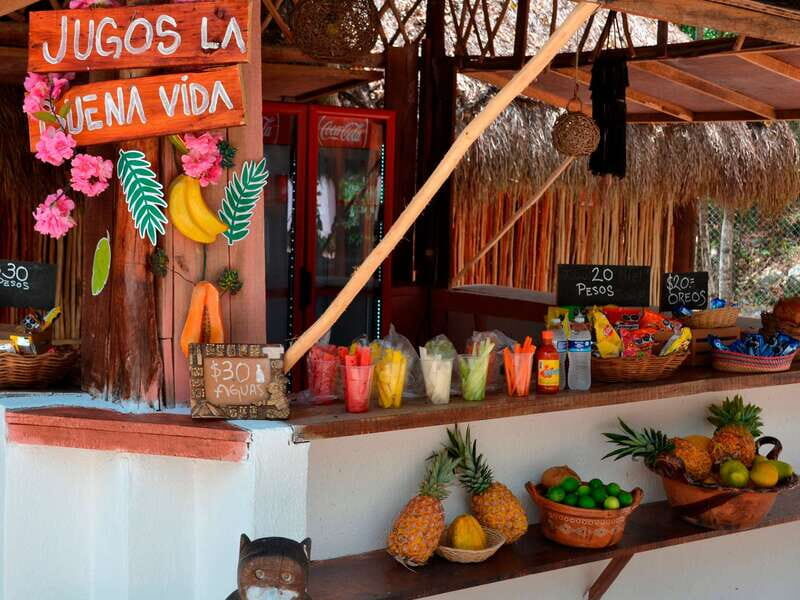
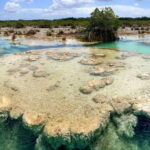
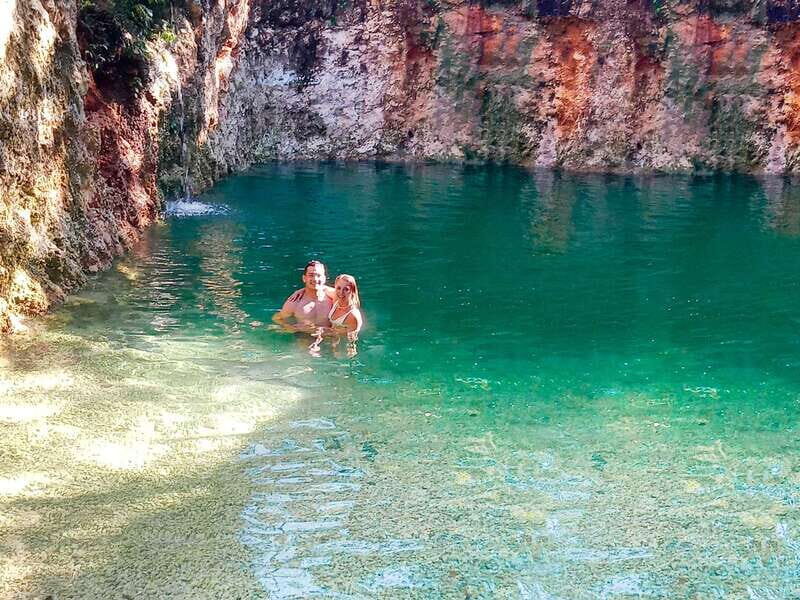
After your meal, you head to the cenote for a swim. This is one of the best “reset” moments in the whole day. The water is described as crystal clear, and the cenote setting gives you that quiet, post-workshop decompression.
There’s also a legend connected to the cenote experience: each swim is said to add one or two years to your life. Take it as story and ritual more than math, but it adds to the atmosphere.
What to bring makes a real difference here because you’re moving from workshops to water:
- Swimwear and a change of clothes
- A towel
- Water shoes (strongly recommended for footing)
- Biodegradable insect repellent and sunscreen
Also note: drinks are not included, and a life jacket is not included. If you’re not a confident swimmer or you need extra comfort, plan accordingly. In many cenotes, conditions vary, and you don’t want to end up deciding mid-day.
Timing-wise, you’re not spending the afternoon at the water. This is still a 3-hour experience, so the cenote stop is best treated as a refreshing swim and a chance to breathe, not a full day beach replacement.
You can also read our reviews of more tours and experiences in Quintana Roo
The honey-and-chocolate lunch: what you should expect
Lunch is included, and it’s designed to tie the day together with food you can connect to the workshops you just did.
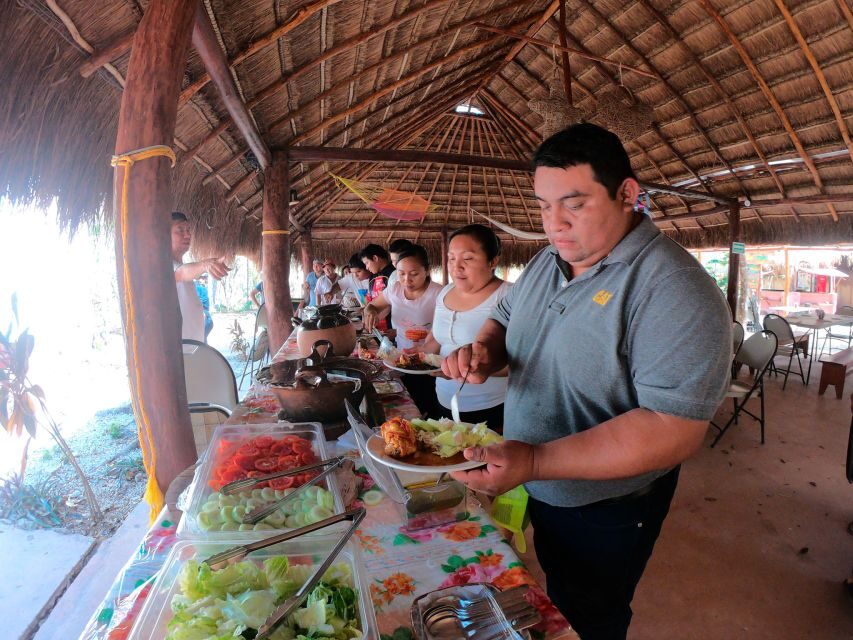
Expect an organic meal built around honey and chocolate. The tour description frames it as gourmet, and the examples from the day can include combinations like chicken with chocolate sauce. You might also taste honey in different ways—like honey paired with cacao or honey-flavored cocoa drinks—depending on what’s being served that day.
A practical point: this is not an unlimited buffet experience. It’s a planned meal connected to the sanctuary theme. So if you’re hungry-hungry, you’ll still be okay because you’re given a full organic meal included in the tour price. Just don’t expect you can snack your way through without water or extra drinks, since drinks aren’t included.
I like that this part respects your senses. After cacao processing and soap work, you’re not switching gears to a random restaurant meal. You’re eating the same ingredients you were learning about, and your palate gets to connect the dots.
Price, timing, and value of a 3-hour cacao-and-honey day
At $59 per person for about 3 hours, this tour sits in the “worth it if you want meaning” category. You’re not paying only for taste—you’re paying for:
- Sanctuary entrance and guided explanations
- Cocoa workshop work (roast/peel/metate grind)
- Chocolate creation with flavor mix-ins
- Honey soap workshop
- Organic meal
- Cenote swim
That’s a lot bundled into a short timeframe. It also tends to feel calmer than the typical grab-and-go Tulum itinerary. People often like it because it’s different from the beach-strip routine and feels family-run and personal—especially when guides like Antonio (and the family team around him) are leading the day with patience.
Now, here’s the balanced truth: if you’re the type who wants a strictly guaranteed, super hands-on production line where you do every step with full control, this might not match your exact expectations. The structure is educational, and some activities can be more guided than DIY. Still, you’ll taste, learn, and take part in key process moments.
It also helps to think about location. The sanctuary is not right on the beach. Depending on where you start from, plan for a drive—people have mentioned around 45 minutes from the beach area, so build that buffer into your day.
Who should book this tour in Tulum
This is a great fit if you want:
- A break from nightlife and crowded attractions
- A hands-on Tulum chocolate tour that includes cenote time
- A meaningful food experience based on Mayan cocoa and stingless bee honey
- A calmer pace where you can ask questions in English or Spanish
It’s also a good option for couples and small groups who want a shared activity that doesn’t feel like another checklist item. Families can do it too, especially if kids enjoy sensory experiences like grinding and tasting.
If you’re short on time but want more than a tastings-only stop, this format is efficient. Three hours can sound quick, but the mix of workshops, meal, and swim makes it feel complete.
Should you book the Chocolate & Honey Sanctuary with Lunch?
If you want a Tulum day that feels thoughtful, edible, and grounded in place, I’d say yes. The cacao-to-chocolate work, the honey and stingless bee conservation focus, and the cenote swim together make this one of those tours where the value is in the whole sequence, not just one moment.
Book it if:
- You like learning while you eat
- You want a peaceful, slower-feeling experience
- You’re okay with a small amount of variability in how hands-on each step feels that day
Skip or adjust expectations if:
- You need a life jacket provided (it’s not included)
- You hate any possibility that parts might be more observation than full DIY
- You’re hoping for drinks included in the price
FAQ
Is the Chocolate & Honey Sanctuary Experience in Tulum only 3 hours?
Yes. The tour duration is listed as 3 hours, and you can check available starting times.
How much does it cost?
The price is $59 per person.
Where do I meet the guide?
Meet at the Chococacao Maya entrance, located in front of the Starbucks at Hotel Aldea Coba. Check in at the Shamans’ Palapa.
What’s included in the price?
Included: host explanation, sanctuary entrance, chocolate experience, honey soap experience, organic meal, and swimming in the cenote.
Are drinks included?
No. Drinks are not included.
Is a life jacket included for the cenote swim?
No. Life jacket is not included.
What languages is the live guide?
The live tour guide is listed as available in Spanish and English.
What should I bring?
You should bring comfortable shoes, swimwear, a change of clothes, a towel, biodegradable sunscreen, comfortable clothes, water shoes, and biodegradable insect repellent.
Can I cancel and get a refund?
Yes. The experience offers free cancellation up to 24 hours in advance for a full refund.
Is it wheelchair accessible?
Yes, it is listed as wheelchair accessible.