REVIEW · TULUM
Tulum cenote diving. The ultimate experience in scuba
Book on Viator →Operated by Tulum Diving and Travel · Bookable on Viator
Underwater caves feel like a real-life map.
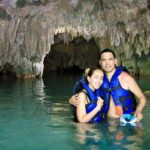
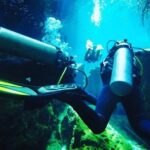
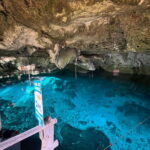
This Tulum cenote experience takes you into the 2 Ojos cave system for two underwater sessions, then guides you through the Bat Cave area so you can stare at stalactites and stalagmites up close. I love that it’s not just scenery time—you also learn why cenotes mattered to Mayan culture and how these underground river systems fit into the idea of a Mayan underworld. I also love the overall “easy on you” setup: hotel pickup, park fees, scuba gear, and lunch are all handled. One consideration: you’ll need moderate physical fitness and you must complete a health questionnaire, and some medical conditions can keep you out of the water.
There’s a lot of value packed into a 3 to 5 hour window. You get a private setup for your group, English-speaking guidance, and national park fees included, so you’re not stuck doing admin mid-trip. The main drawback is that certified participation depends on proof of certification, so confirm what you need before you go, especially if you’re not fully current or you’re unsure how certification is handled.
In This Review
- Key highlights
- Two Sessions in the 2 Ojos System: Why This Cenote Setup Works
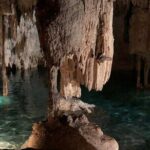
- Bat Cave: The Ceiling Full of Formations
- The Mayan Underworld Story You Should Ask Your Guide About
- Timing That Gives You a Full Morning Block
- Scuba Gear, Health Questionnaire, and Certification Proof
- A Calm Guide Makes Cave Water Feel Possible
- What’s Included (and Why It’s Good Value)
- Roads, Clothes, and Comfort Tips That Actually Help
- Price and Value: You’re Buying Access plus Expertise
- Should You Book? The Right Person, the Right Questions
- FAQ
- FAQ
- How long is the Tulum 2 Ojos cenote scuba experience?
- Where does this experience take place?
- Is hotel pickup included?
- What time does the experience start?
- How many underwater sessions are included?
- What cenote areas are part of the experience?
- Is lunch included?
- Do I need scuba certification proof?
- Will I need to fill out a health questionnaire?
- What’s included besides the scuba gear?
- Is the tour private?
Key highlights
- Two underwater sessions in the connected 2 Ojos cenote cave system
- Bat Cave exploration in a fully decorated cavern environment
- Stalactites and stalagmites up close, with guided pointing so you notice details
- Mayan underworld context, including the significance of cenotes as underground river systems
- Private tour feel, with your own group and personal pacing
- Free photo help is sometimes mentioned, with some guides using a GoPro
Two Sessions in the 2 Ojos System: Why This Cenote Setup Works
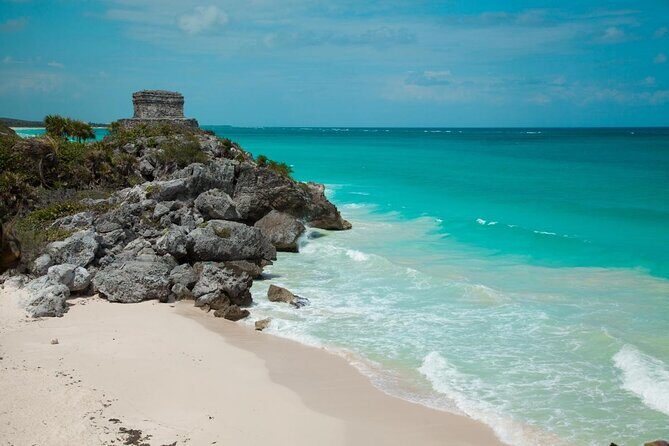
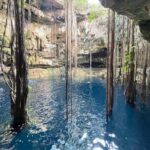
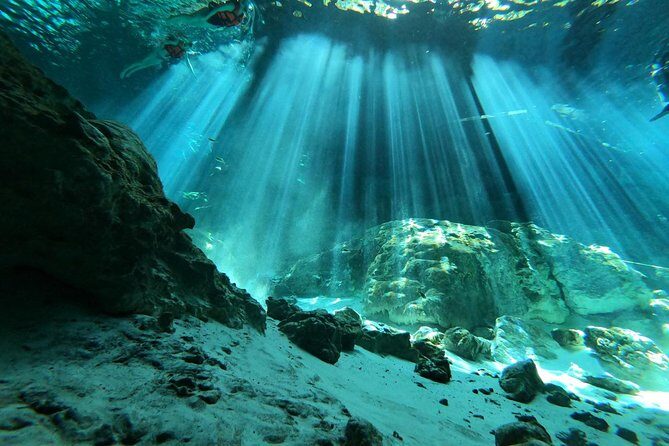
The big draw here is the structure: you’re not doing one quick water stop. You spend time in the 2 Ojos cenote cave system for two underwater sessions, which matters because cenotes don’t feel like normal “pretty pools.” They’re enclosed spaces with their own rhythm—slow, guided, and designed around how you move through a cave environment.
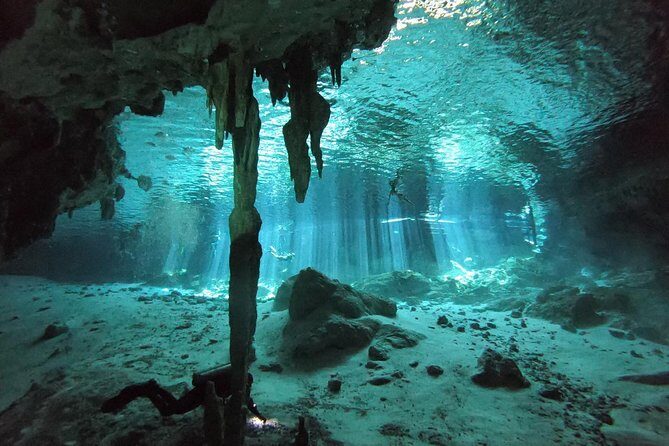
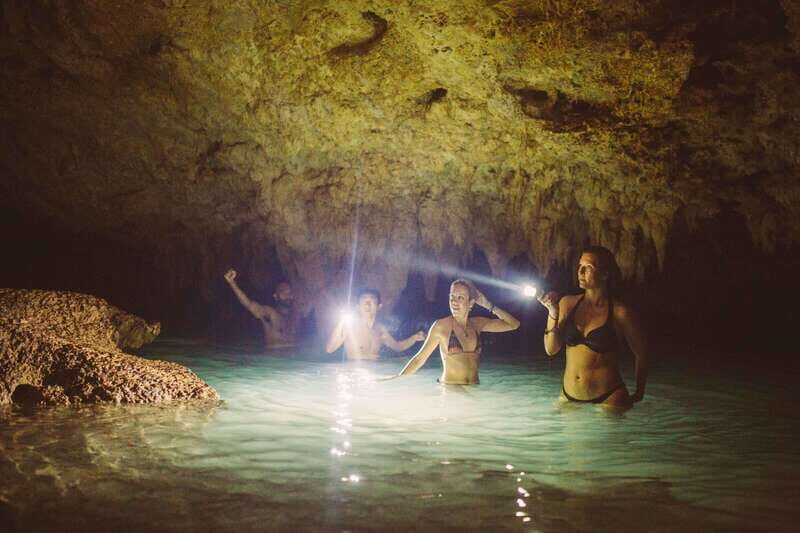
What you’ll notice first is the change from sunlight to cave light. Even without claiming anything fancy about technology, the experience is built around you being guided inside decorated caverns, where stalactites and stalagmites become real landmarks instead of distant rocks. That’s why this setup feels more complete than a single entry-and-exit plan.
Also, the connected-system idea helps you feel like you’re seeing more than one “slice” of the same place. Instead of rushing for photos, you get more time for context and comfort while your guide keeps you on track.
You can also read our reviews of more scuba diving tours in Tulum
Bat Cave: The Ceiling Full of Formations
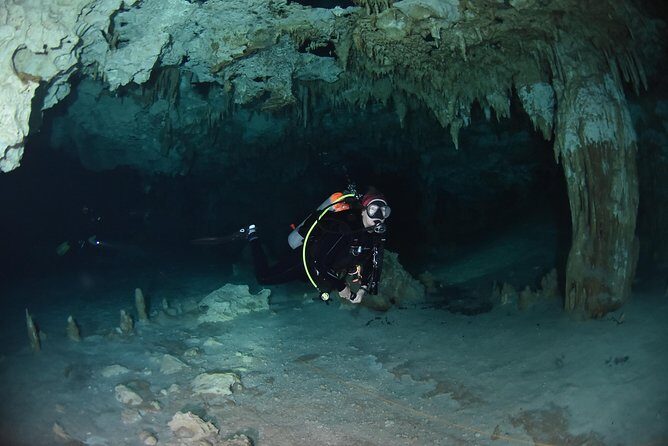
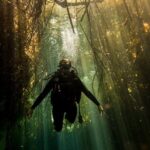
The Bat Cave section is specifically called out, which is a good sign. It means this experience isn’t only about entering a cenote; it includes a named area with enough character to get your attention.
In practical terms, a cave like this is all about reference points. You’ll likely look at ceiling formations and wall textures that you can’t fully appreciate from the surface. The experience is designed to get you noticing the stalactites/stalagmites patterns while you’re moving slowly through the cavern environment.
If you’re the type who worries you’ll be too focused on breathing to enjoy the surroundings, you’ll still get value here. A recurring theme from guide feedback is patience—people often feel calmer once they realize the instructor stays close, explains what you’re looking at, and keeps the plan moving at your pace.
The Mayan Underworld Story You Should Ask Your Guide About
This tour is built around more than “where to swim.” You learn about the significance of cenotes in Mayan culture, including how these underground river systems connect to the Mayan underworld idea.
That history piece matters because it changes how you look at the space. A cenote is easy to treat like scenery. With the cultural context, it becomes a place with meaning—natural entrances to a world underneath, framed by Mayan belief and ritual imagination. You’re not just watching water and rock; you’re getting the story of why Mayans cared about these underground spaces.
If you want to get the most out of this part, ask your guide to explain the Mayan significance in simple terms before you gear up. Then, after you get underwater, you’ll remember the explanations when you see the formations and sense the underground setting.
Timing That Gives You a Full Morning Block
The experience starts at 8:00 am, with pickup at the lobby of your hotel. The total time is listed as 3 to 5 hours, which is a realistic length for two underwater sessions plus changing time, entry procedures, and getting you back to your hotel.
One practical detail: the cenote access route can involve rough roads, so pickup is a genuine comfort upgrade, not just a convenience. The plan is also private, which usually means you spend less time waiting around in a crowd and more time on your own pacing.
From guide feedback, there’s also a “gear management” style that can reduce stress. Shoes and personal items may be taken and secured for you during the session, and you may get help with wetsuit options if the water feels cool. That kind of small support matters, because it keeps you from turning a relaxing plan into a fiddly one.
Scuba Gear, Health Questionnaire, and Certification Proof
You get scuba equipment included, plus bottled water and beverages. That’s important for value, since rental and basic admin costs can sneak up on you if you try to DIY.
But the real gating items are the safety requirements. Evidence of dive certification is required from all divers wishing to participate in a certified dive. On top of that, all participants complete a health questionnaire before diving, and certain pre-existing conditions (like asthma or heart conditions) may prevent you from diving. If you’re in that category, plan to speak with your doctor before you travel.
Also note the fitness note: you should have moderate physical fitness. That doesn’t mean you need to be an athlete. It does mean you should be comfortable with the physical demands of getting in and out, using gear, and staying calm in an enclosed water setting.
If you’re unsure whether your certification level matches what’s offered, ask before you go. The last thing you want is a day where your paperwork doesn’t align with what the operator needs.
- Selva Maya Eco Adventure Park: Ziplining, Hanging Bridges, Rappelling and Cenote
★ 5.0 · 1,057 reviews


A Calm Guide Makes Cave Water Feel Possible
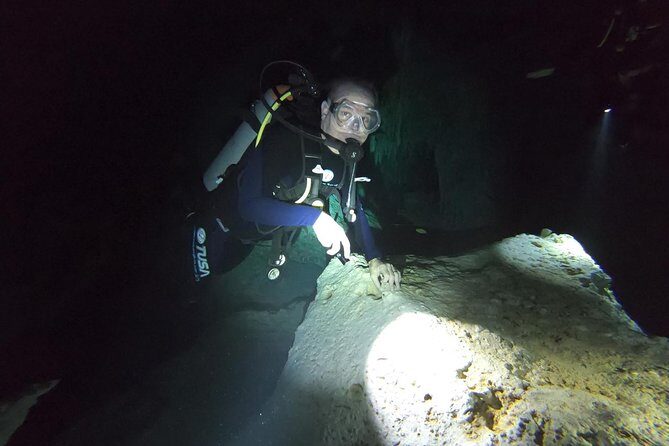
In this type of environment, the guide’s style is part of the product. You’ll be guided through the journey, including swimming through the caverns, and you should expect active instruction and safety checks throughout.
One reason people get genuinely excited about this experience is the way guides are described: patient, friendly, and willing to explain things clearly—especially for first-timers or people who feel nervous. If you see names mentioned like Alvaro Cruz Chigo and Manuel, it’s because they’re repeatedly associated with calm guidance and English explanations that make the plan feel understandable.
You’ll also get practical support that’s easy to overlook in a brochure. For example, one piece of feedback highlights wetsuit help during the wait period if the water is cool. Another mentions guides taking photos with a GoPro without pushing a paid upsell.
Even if you’ve done scuba before, caves are a different headspace. A guide who stays close, checks your pace, and helps you notice what’s around you is how you turn the experience into something you remember fondly instead of “something you survived.”
What’s Included (and Why It’s Good Value)
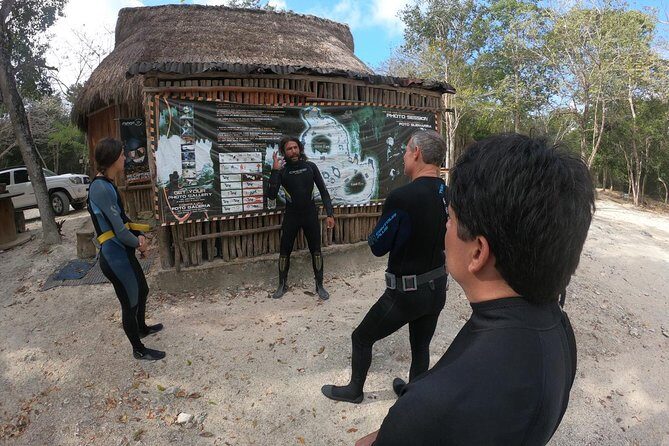
Here’s what you should feel good about being included:
- National Park fees
- Hotel pickup
- Driver/guide
- Scuba equipment
- Beverages plus bottled water
- Lunch
- Mobile ticket
That combo is often where value hides. Park fees can be annoying to line up, rentals take time, and pickup coordination can become a time sink in Tulum traffic and hotel zones. This format removes most of that friction so your day stays focused on the water time and the story.
Lunch is also included, and the plan includes eating at a taco place described as legendary in Tulum. Even if you’re not picky, this matters: you’re less likely to burn time searching for food between the cenote sessions and the return to your hotel.
Roads, Clothes, and Comfort Tips That Actually Help
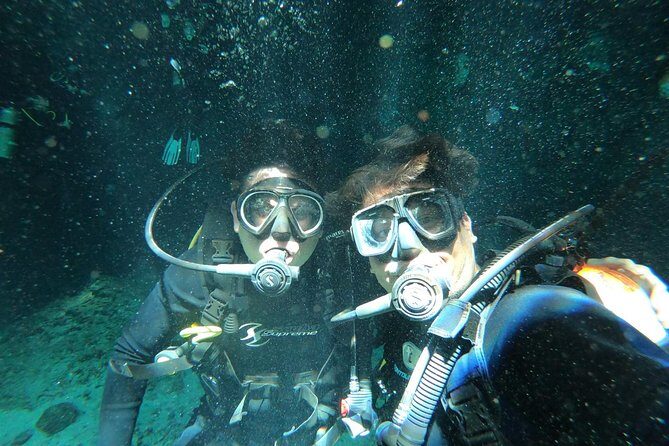
Cenote trips have a few comfort variables. The first is timing: 8:00 am means you start early while it’s still pleasant outside. The second is water temperature. You may be offered wetsuits because the water can feel cool for some people.
The third variable is what you pack. You’ll need swim-ready gear, and you’ll want to plan for wet clothing management. Based on guide feedback, there’s also interest in options for people who don’t want to bring a wet swimsuit home, with some operators arranging clothing-optional style tours if asked in advance. If that’s important to you, ask before booking so they can plan the right setup.
One more small note: in a cave environment, you want to keep things simple. Avoid bringing lots of loose items that you don’t want to deal with once you’re geared up. If you prefer hands-free comfort, use the secured storage approach your guide offers for your belongings.
Price and Value: You’re Buying Access plus Expertise
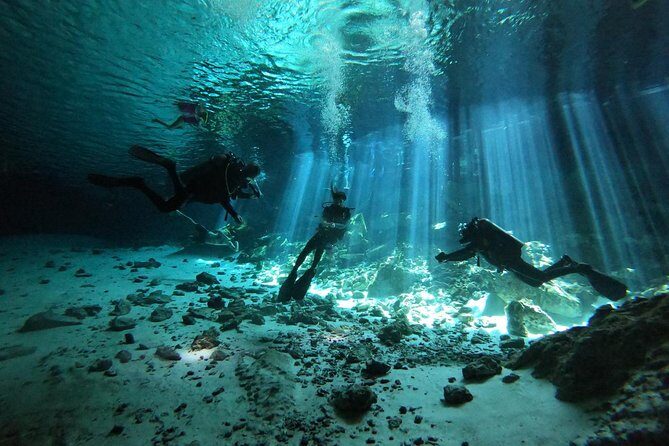
There’s no price listed in your info, so I’ll judge value by what you get. This tour packages the essentials that usually cost money or time when arranged separately: national park access, pickup, scuba equipment, and guidance that keeps you safe in a cave environment.
You’re also getting a structured experience: two underwater sessions, an identified area (Bat Cave), and guided cultural context. If you were to do this independently, you’d likely spend more time coordinating multiple parts—getting permits, arranging equipment, hiring a guide, and figuring out a schedule that works.
So the question isn’t only what it costs. The real value question is whether the guide’s role makes your experience smoother and safer. Given the way guides are described—patient, calm, and detailed—that’s often the difference between a stressful trip and a memorable one.
Should You Book? The Right Person, the Right Questions
This is a great fit if you want more than a quick cenote photo stop. You’ll probably enjoy it if you like guided experiences, you want Mayan underworld context, and you’re comfortable with the idea of two structured underwater sessions in a cave system.
It may not be the right fit if you have medical conditions that could affect diving eligibility, or if you’re not ready to handle the health questionnaire and certification proof requirements. Also, if you’re easily thrown off by early starts and a longer morning block, plan your day so you’re not rushing afterward.
One extra “do your homework” note: a small number of past customers raised concerns about professional affiliation and refund handling when something was canceled, including claims about PADI membership and delayed refunds. That doesn’t mean your trip will have issues, but it does mean you should confirm how certification and cancellations are handled, and keep your documentation organized.
FAQ
FAQ
How long is the Tulum 2 Ojos cenote scuba experience?
It’s listed as about 3 to 5 hours.
Where does this experience take place?
It takes place in Tulum, Mexico.
Is hotel pickup included?
Yes. Pickup is offered from the lobby of your hotel.
What time does the experience start?
The start time is 8:00 am.
How many underwater sessions are included?
You’ll enjoy two dives in the 2 Ojos cenote cave system.
What cenote areas are part of the experience?
The experience focuses on the 2 Ojos cenote cave system and includes exploring the Bat Cave within the cenote.
Is lunch included?
Yes. Lunch is included, with an invite to eat at a legendary taco place of Tulum.
Do I need scuba certification proof?
Evidence of dive certification is required from all divers wishing to participate in a certified dive.
Will I need to fill out a health questionnaire?
Yes. All participants are required to complete a health questionnaire before diving, and some medical conditions may prevent you from diving.
What’s included besides the scuba gear?
National park fees, beverages, driver/guide, hotel pickup, bottled water, lunch, and use of scuba equipment are included. You also receive a mobile ticket.
Is the tour private?
Yes. It’s listed as a private tour/activity, with only your group participating.

More Scuba Diving Tours in Tulum
More Tour Reviews in Tulum
- Selva Maya Eco Adventure Park: Ziplining, Hanging Bridges, Rappelling and Cenote
★ 5.0 · 1,057 reviews