Cenotes can look familiar, until you swim them. This snorkeling cenote expedition in Tulum mixes open-water stops with a cave section, then connects it all with an underground river route that’s famous for being extremely long. You also get stories about how cenotes formed, plus local context for what you’re seeing.
I really like the way the tour is built around variety. You don’t just see one type of water scene; you move from open cenote wildlife to cave features like stalactites and stalagmites, all in roughly four hours. I also like having Luis as your guide, since he brings a playful energy and shares clear history and culture, not just facts.
One consideration: you’ll be snorkeling where it can feel dim and enclosed, and there may be a crocodile hanging around at the open cenote. Your guide handles the safety vibe well, but if you’re already nervous about wildlife, come with a calm mindset.
In This Review
- Key things that make this cenote snorkeling stand out
- Three Cenotes, One Long Underground River Feel
- Casa Cenote: Open Water, Wildlife, and the Calm Before the Cave
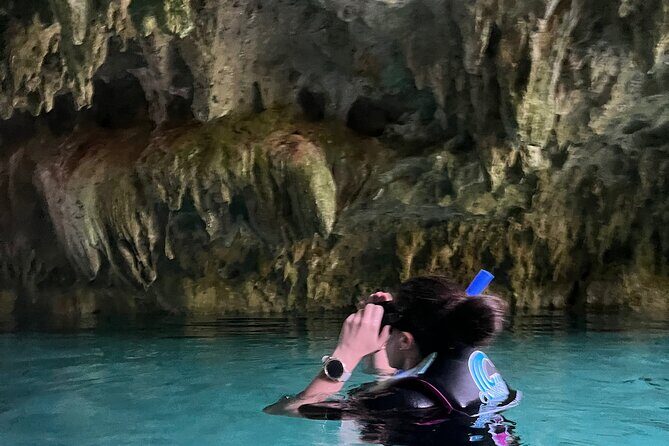
- Sac Actun: Open-Cave Snorkeling and the Cave Detail You’ll Actually Notice
- Snorkeling Through the Cave System: What the Long Underground River Route Feels Like
- Luis as Your Guide: Stories, Safety Signals, and Practical Help
- Gear, Timing, and How to Feel Comfortable in Different Water Worlds
- Price and Value: When $148.87 Makes Sense for a Private Cenote Day
- Should You Book This Cenote Snorkeling Expedition?
- FAQ
- What is the duration of the snorkeling cenote expedition?
- Do they pick you up in Tulum?
- Is this tour private?
- What cenotes are included?
- What language is the experience in?
- What is the cancellation policy for a full refund?
Key things that make this cenote snorkeling stand out
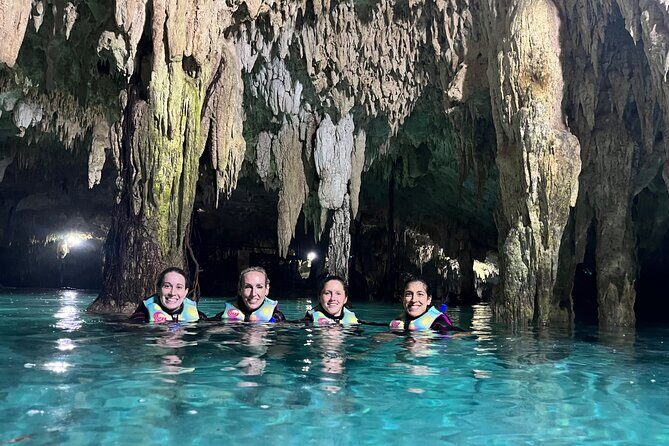
- Three cenote types in one outing: open, open+ cave, and cave.
- Luis guides you through the big cave system route with natural-history context along the way.
- Fresh, clean water and major cave formations show up in the cave-focused stops.
- You can explore at your own pace since it’s a private setup for your group.
- Wildlife is part of the experience at the open cenote, including a resident crocodile.
Three Cenotes, One Long Underground River Feel
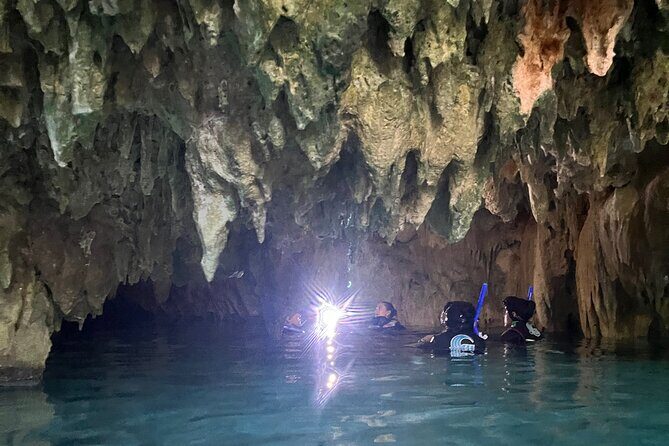
If you’ve only seen cenotes from the rim, this tour changes the whole picture. Here, you’re not just looking down. You’re in the water, moving through different kinds of cenote environments across the Yucatán Peninsula. The day starts with more open, sunlit water and gradually shifts into the cave world.
What makes the route especially interesting is the way the second stop links to the third. From the second cenote, you snorkel to the final cave stop through a long underground river route. The experience is framed as a world-famous long underground passage, and it’s also described as the biggest cave area in the American continent. Even if you don’t memorize every cave fact, the effect is real: you’ll feel the change from open water to a darker, more enclosed space where the cave shapes lead your attention.
You’ll also get the “why” behind what you’re seeing. The tour explains how cenotes formed and when they formed, tying geology to the landscapes you’re swimming through. That matters because cenotes can feel mysterious but also random, like a natural surprise. With the story in your head, the shapes make more sense, and your photos look better too.
The private format helps here. You’re not constantly being managed around a big crowd. You can ask questions without waiting your turn, and you can slow down when something catches your attention—bubbles rising in still water, a cave column, or the quick flash of fish.
You can also read our reviews of more snorkeling tours in Tulum
Casa Cenote: Open Water, Wildlife, and the Calm Before the Cave
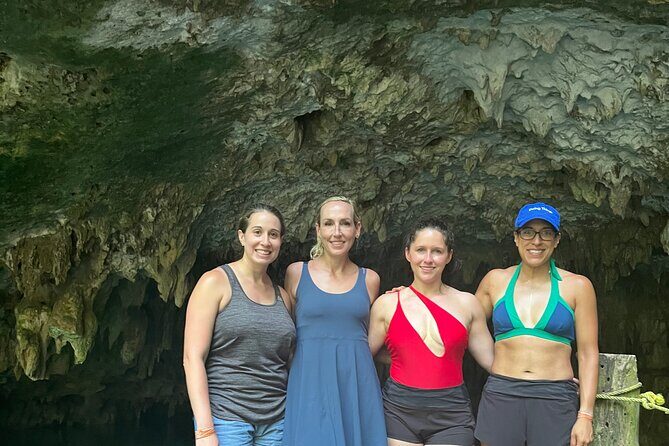
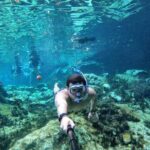
Casa Cenote is the first stop, and it sets the tone with an open-water feel. In the open cenote water you might see fish, blue crabs, and birds nearby. The best part is that it doesn’t feel like a zoo. It feels like you’ve arrived quietly at a place the wildlife already uses.
The other big detail: there may be a resident crocodile sunning on the rocks while you float past. That sounds scary, but the practical takeaway is this—your guide can tell you what to expect and how to behave. The guidance you’ll get is essentially about giving space and staying calm. One key point you’ll hear is that crocodiles eat fish and are nocturnal, so the goal is quiet, respectful behavior rather than panic.
If you’re nervous, treat the moment like you would wildlife on land: keep distance, don’t chase a photo, and don’t splash in a way that draws attention. Snorkeling gear makes it harder to move fast anyway, so your best move is slow body language. You’ll likely find you can watch, float, and then continue without the day turning into a dramatic incident.
This open start also helps you mentally prepare for the cave portion later. It’s easier to get comfortable with the snorkel setup and floating rhythm in sunlit water first. Then, when you move into the darker systems, you’re not worrying about basic gear skills at the same time.
Sac Actun: Open-Cave Snorkeling and the Cave Detail You’ll Actually Notice
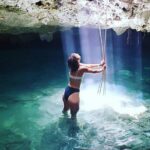
The second cenote is Sac Actun, and it’s where the experience turns from open-water scenery into something more cinematic. Here, you get a mix of open cave zones and underwater sights that feel more “architectural” than “natural pond.”
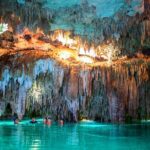
In the water you can encounter fish, and you may also see bats in the cave environment. One detail that stands out is the presence of tree islands with a hole at the top—yes, a hole in the middle of the island’s canopy/structure—plus caves with stalagmites and stalactites. The cave also features columns in fresh, clean water, so the underwater experience isn’t just about swimming. It’s about noticing how water and rock shapes interact.
This stop is also the one that makes people understand why guides emphasize cenote formation and cave history. When you see stalactites hanging down and stalagmites rising up, the story stops being abstract. You can connect it to time, mineral deposits, and how water carving creates the space you’re floating through.
Practical note: this is where your photo opportunities happen. You’ll likely want a clear idea of where you can look—left, right, and up—without kicking into the bottom. If you don’t have an underwater camera, Luis has taken pictures for at least some guests, which can be a huge relief. You can also ask him where to stand in the water so you don’t end up blocking the best view for yourself.
Snorkeling Through the Cave System: What the Long Underground River Route Feels Like
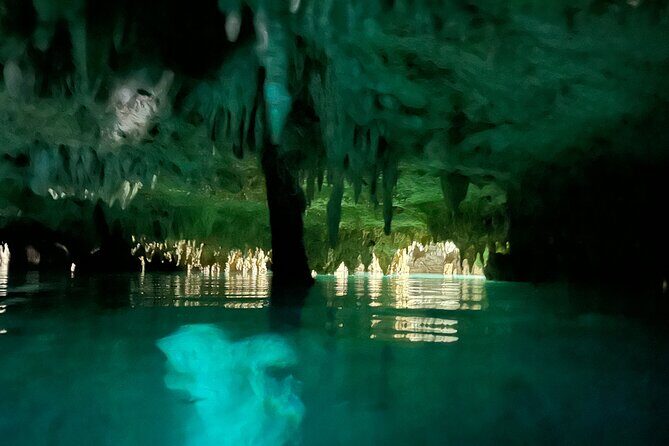
The signature moment comes as you snorkel from the second cenote to the third via the longest underground river route described for this area. The day’s rhythm matters: by the time you reach this connection, you’ve already gotten comfortable floating in the water and you’ve already seen the cave shapes in the previous stop.
So what does it feel like? Think less like swimming in a bright pool and more like traveling through a rock corridor where your breathing and pace set the rhythm. In enclosed cave systems, you’ll notice light changes fast. Your focus naturally shifts to shapes, shadows, and the way the water surface behaves above you.
The third stop is described as a cave environment, and it ties directly to the bigger cave system concept. You’ll get the payoff of all that cave visual work in one connected route rather than scattering the experience across multiple tours. The value here is time-efficiency: you see open, transitional, and fully cave sections in one structured day.
Because the route is long enough to be memorable, the tour approach matters. A private setup usually means you’re not trying to keep up with a moving herd. Your guide can adjust pace based on your comfort level, and you get space to ask questions mid-route instead of only at the end.
Luis as Your Guide: Stories, Safety Signals, and Practical Help
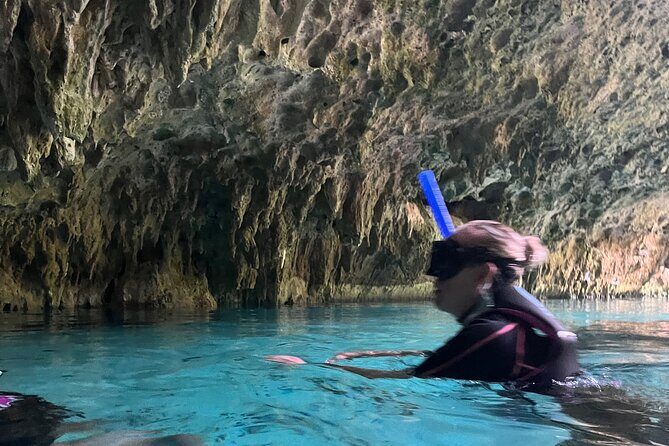
Luis is the guide name you’ll hear again and again. The reviews and the tour description point to a guide who mixes information with fun, and who explains what you’re seeing in a way that makes sense while you’re still underwater.
What I’d call the “best of both worlds” is this: Luis covers Mayan culture, Mexican history, and nature context, but he also handles the practical stuff like snorkeling equipment and safety pacing. That combo matters in cenotes because the experience is both scenic and physical. You need someone to keep you oriented and calm, especially near wildlife or in darker water.
A standout example is the crocodile situation at the open cenote. Instead of just warning you, Luis gives you an explanation about behavior—like how crocodiles feed and when they’re active—so you’re not guessing. That turns a potentially stressful moment into a respectful observation.
He also helps with small but meaningful needs. If you don’t have an underwater camera, you can ask for photo help. And if you want local food recommendations, Luis can point you toward what’s worth trying after your snorkel day. That kind of guidance is useful because cenote tours end fast, and hungry travel moments are real.
- Selva Maya Eco Adventure Park: Ziplining, Hanging Bridges, Rappelling and Cenote
★ 5.0 · 1,057 reviews

Gear, Timing, and How to Feel Comfortable in Different Water Worlds
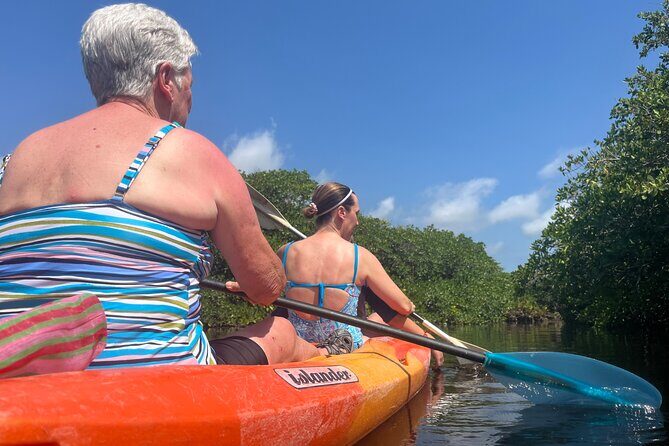
This tour runs for about four hours and includes pickup from your location agreed in advance. That pickup piece is more important than it sounds. Cenotes are spread out, and you don’t want your day chopped up by transport hassles.
You’ll also get snorkeling equipment. That’s a big value point because good gear matters in water environments where footing can change. It also keeps the day smoother: no last-minute rental scramble.
On the water, your best comfort strategy is simple:
- wear your snorkel gear properly (snug, not tight)
- keep movements slow around wildlife or cave edges
- stay relaxed even if light changes quickly in the cave
Since you’re dealing with cave conditions, bring the mindset that you’ll do better if you focus on breathing and buoyancy instead of “performance swimming.” Most people can participate, and it’s set up for guests to enjoy at a steady pace, not to race.
If you’re prone to worry, plan for a few moments of uncertainty—especially at the open cenote if you spot the crocodile, or in cave zones if you feel your brain reacting to dim light. A good guide helps you translate that feeling into something manageable.
Price and Value: When $148.87 Makes Sense for a Private Cenote Day
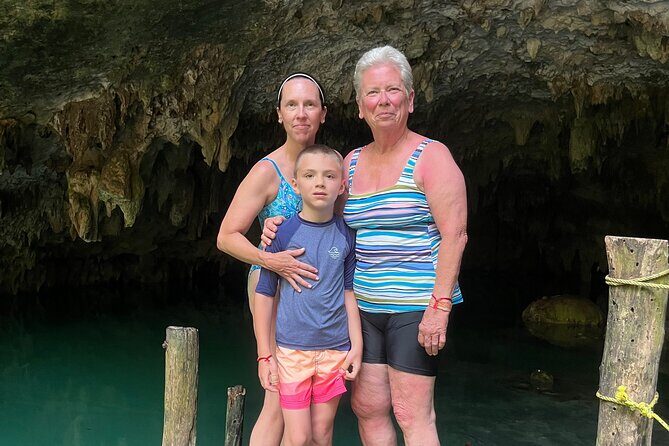
At $148.87 per person for an about-four-hour private cenote expedition, the price can feel steep if you’re only thinking about “snorkeling in one place.” But this tour is trying to earn that cost with three things you can feel while you’re on it: variety, routing, and guidance.
Variety: You’re not stuck in one cenote mood. You get open, open-plus-cave, and cave environments in one day, which is hard to replicate if you’re self-planning.
Routing: The connection between the second and third stops through the long underground river route is a big part of what makes the experience special. It turns the day into a single continuous story rather than separate excursions.
Guidance: Luis isn’t just showing you water. He’s explaining the formation of cenotes, Mayan culture context, and local nature details, plus he’s managing safe pacing. That reduces stress for first-timers and makes the cave parts feel less random.
There’s also a practical value angle for solo travelers. One person specifically appreciated that it works out well for a solo option at a fair price compared with private-style outings. Even if you come as a couple or with friends, the private group factor generally helps you move at your speed and ask questions when you want.
Should You Book This Cenote Snorkeling Expedition?
Book it if you want an organized day that actually covers the full cenote spectrum—open water wildlife, cave formations, and that famous long underground river connection—without you having to plan the switching, the timing, and the routes yourself.
I would skip or rethink if you’re strongly uncomfortable with enclosed spaces or you know you get alarmed by wildlife even when you’re told it’s safe to observe from a distance. In that case, you might still enjoy it, but you’d want to be honest with yourself about stress levels in dim cave water and near a resident crocodile.
If you do book, send a message to Luis with your interests. Ask about the cave system details you most want to understand, and ask for help with what to do after. This tour isn’t just about the snorkel hour. It’s about leaving with a clearer sense of what cenotes are—and where to go next in Tulum.
FAQ
What is the duration of the snorkeling cenote expedition?
It lasts about 4 hours.
Do they pick you up in Tulum?
Yes. Pickup is offered, and they pick you up at your location agreed in advance.
Is this tour private?
Yes. It’s private, so only your group participates.
What cenotes are included?
You visit three types of cenotes: one open, one open and cave, and one cave. The second cenote is Sac Actun, and from there you snorkel to the third through the long underground river route described for the area.
What language is the experience in?
The tour is offered in English.
What is the cancellation policy for a full refund?
You can cancel up to 24 hours in advance for a full refund. If you cancel less than 24 hours before the start time, the amount paid is not refunded.
More Snorkeling Tours in Tulum
More Tour Reviews in Tulum
- Selva Maya Eco Adventure Park: Ziplining, Hanging Bridges, Rappelling and Cenote
★ 5.0 · 1,057 reviews