REVIEW · MERIDA
Private Tour: Chichen Itza, Cenote & Izamal Magic Town by Yucatan Concierge
Book on Viator →Operated by Yucatan Concierge · Bookable on Viator
Chichén Itzá feels unreal in the morning. This private tour strings together three big Yucatán icons in one day, with an early start that helps you see the Maya sites with less hassle. I really like how the schedule is tight but not rushed, with set time blocks at each stop.
My other favorite is the human touch: you get a bilingual, INAH-certified guide plus a professional driver, so you’re not translating signs or guessing your way through. The one thing to think about is the cost for a private format, plus you’ll do real walking in sun—so plan for heat and comfortable shoes.
In This Review
- Key highlights you’ll feel on the day
- Chichén Itzá at the right hour, with a guide who keeps it moving
- A note on walking and heat at Chichén Itzá
- Cenote Ik kil: a cool break with birds and rainforest vibes
- What you should plan for at the cenote
- Convento de San Antonio de Padua and the Kinich Kak Mo perspective
- Private pickup and guiding: what makes the day feel easy
- The guide is part of the value, not just decoration
- Price and value: what $515 per person buys you
- Who should consider this price
- What to pack (and what to skip) for a long day
- How long is the day, and what’s a realistic pace?
- Who this private tour is best for
- Should you book this private Chichén Itzá, Ik kil, and Izamal-style magic day?
- FAQ
- What time does the tour start?
- Is this a private tour?
- What’s included in the ticket price?
- Do I need to buy tickets separately?
- How long is the tour?
- What language options are available for the guide?
- What should I bring?
- FAQ
- What’s the cancellation policy?
Key highlights you’ll feel on the day
- Early departure from Mérida (recommended 7–9 am window, meeting at 8:00 am) to reduce stress at the main sites
- INAH-certified bilingual guide in English or Spanish to connect the dots between monuments
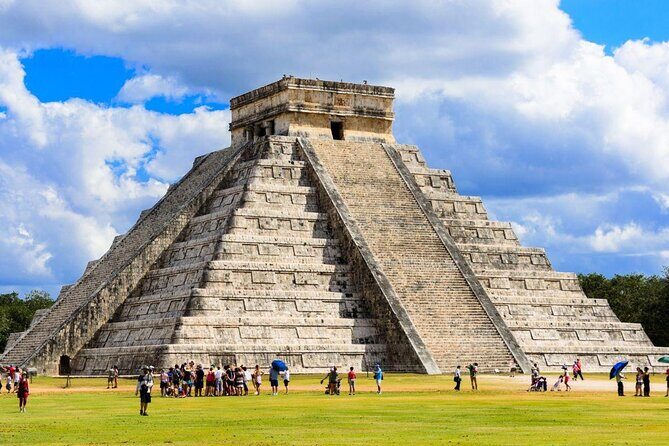
- Chichén Itzá admission included, with focus points like the Kukulcán pyramid and the Sacred Cenote area
- Cenote Ik kil park time (about 2 hours) in a nature setting with lots of birds
- Convento de San Antonio de Padua visit with carriage-tour views of nearby archaeological features
- Private vehicle sized to your group (max 5 people), with bottled water and easy pickup
Chichén Itzá at the right hour, with a guide who keeps it moving
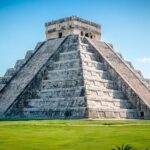
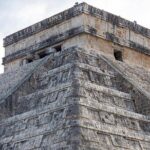
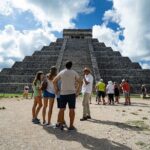
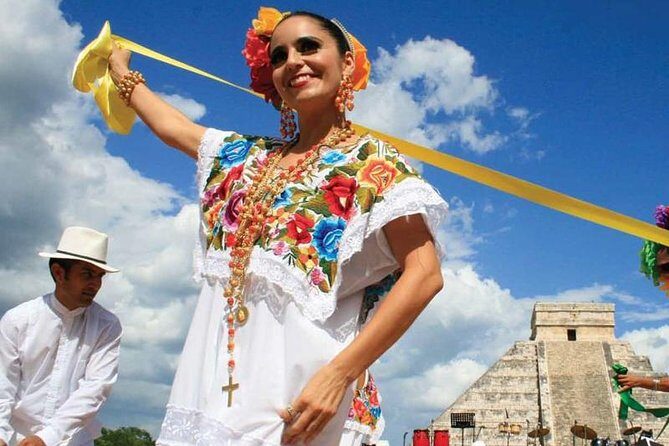
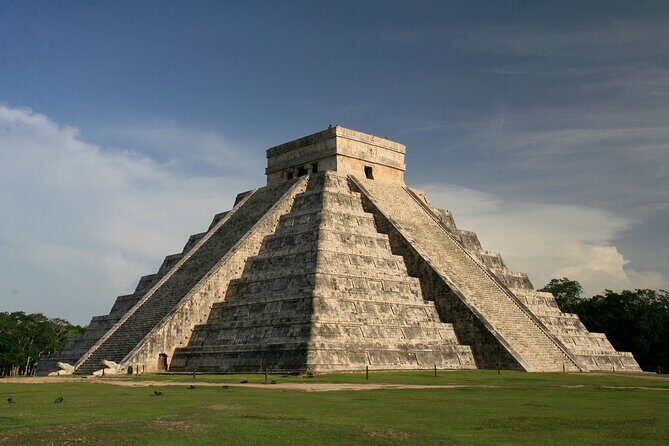
Chichén Itzá is the headline, and this tour treats it like one. You’ll start with the Pyramid of Kukulcán, often called the Castle, then work outward to key sights tied to Maya astronomy, ritual, and everyday city life. The best part is that you’re not just standing around waiting for a group to catch up—you’re set up with an organized route and a guide who can explain what you’re looking at while you’re still there.
Expect about 4 hours on site, and admission is included. That time matters because Chichén Itzá rewards you for seeing the main structures in a logical sequence. It’s the kind of place where one view leads to the next: the pyramid, the carvings and motifs connected to the Feathered Serpent theme, and then the larger city-culture landmarks that people often miss when they only chase photos.
Here are the specific highlights built into the visit:
- Kukulcán pyramid (the Castle): you’ll visit this central icon first, so your bearings lock in early.
- Feathered Serpent details: the site ties sculpture to Maya symbolism in a way that’s easier to understand when you’re standing close.
- The largest ball court in Mesoamerica: it’s huge, and it helps to know what sport-and-ceremony spaces meant to the Maya.
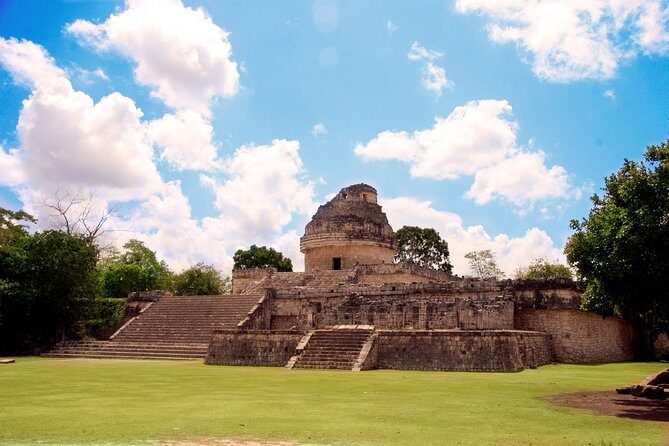
- Observatory of the Snail: this is where astronomy comes in, and the guide can point out how the Maya made careful calculations.
- Sacred Cenote area: you’ll pass through the area known for ceremonies tied to the rain god. It’s intense, and a good guide keeps the context respectful and clear.
- Temple of the Thousand Columns: this heritage landmark is part of why Chichén Itzá feels so cinematic—count the columns in your mind and you’ll understand why people talk about it.
One practical benefit: the early planning and private setup help you manage crowds. In one case, the guide handled getting around heavier visitor areas quickly, letting the group stay in a calmer viewing rhythm. You still should expect other visitors—but you’re less stuck in random lines and more in an actual walking route.
You can also read our reviews of more private tours in Merida

A note on walking and heat at Chichén Itzá
This is not a sit-down tour. Even if you’re only visiting the highlights, you’re out in open air. Wear walking shoes (not just sandals), bring sunscreen, and plan to drink water steadily. The tour includes bottled water, which is a nice baseline, but you’ll still feel the sun.
Cenote Ik kil: a cool break with birds and rainforest vibes
After Chichén Itzá, you get a different kind of Yucatán magic: Cenote Ik kil. This stop is about 2 hours, with admission included, and it works as a reset for your body and your senses after all that sun and stone.
The cenote park is set up like a nature venue, surrounded by trees and exotic plants. The guide helps you appreciate what you’re looking at, but the setting does most of the work: you’ll be in a space where the greenery and the water create a natural contrast to the archaeological monuments earlier in the day.
One detail I really like in the description is the birdlife. Ik kil is presented as a habitat for birds such as toucans, parrots, fly catchers, and cardinals. You might not see every species, but this is exactly the kind of place where you’ll notice movement overhead and around pathways. It turns the visit into more than a quick photo stop.
What you should plan for at the cenote
The tour data doesn’t spell out whether you’ll go down into the water area or how that’s timed, so treat Ik kil as a walk-and-view experience first. You’ll still want mosquito repellent, because this is a plant-filled outdoor environment.
Also, since lunch isn’t included, it’s smart to think about timing here. A cenote visit can make you want to linger, then suddenly you’re hungry while the day still has one more major stop.
Convento de San Antonio de Padua and the Kinich Kak Mo perspective
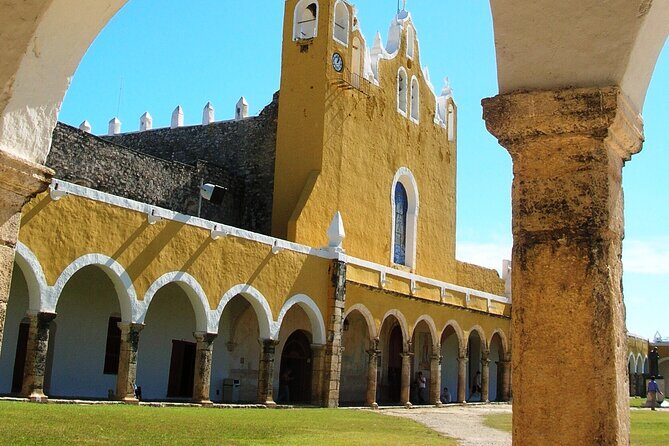
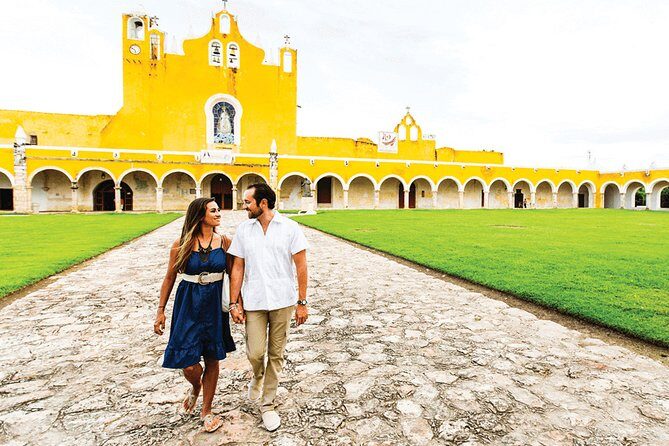
The final stop is the Franciscan Convent of San Antonio de Padua, and it adds a totally different layer to the day. Chichén Itzá is Maya architecture and Maya symbolism; the convent brings Spanish-era religious history into the same region. That contrast is exactly why this itinerary works.
You’ll spend about 2 hours here. Admission is listed as free for the convent, and the tour includes key context: the convent is described as a major reminder of the Spanish conquest and domination in the New World, and it’s tied to how the Maya were introduced to Catholicism. If you care about how cultures intersect, this stop gives you that conversation in stone and layout.
The convent is built over an ancient Mayan pyramid, and that physical overlap is the kind of detail you can’t fully understand unless you’re guided. Another highlight is the largest atrium in Latin America, which gives the space a scale that feels bigger than people expect from a convent building.
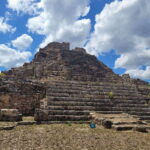
You’ll also see other archaeological structures during a carriage tour. One feature called out is the pyramid of Kinich Kak Mo, noted for its height and the view it gives over the city. Even if the carriage segment is brief, it’s valuable because it changes your perspective—literally. Instead of only looking at flat ruins, you get a “what does this city layout mean?” view.


Private pickup and guiding: what makes the day feel easy
The tour is designed as private, with pickup from your accommodation. Start time is 8:00 am, and the recommended departure window is between 7–9 am, which lines up with the usual logic of getting to hot sites early. If you want a different pickup time, you can request it ahead of time.
You’ll travel in a private vehicle with a professional driver, sized to your group. The tour also specifies a maximum of 5 people, which matters because it keeps the day from turning into a group-splitting logistics headache. In at least one real trip experience, even a small party still got a comfortable Mercedes van and a smooth ride, with the driver helping find an early coffee stop—those small extras help on a long travel day.
The guide is part of the value, not just decoration
The included guide is INAH certified and bilingual (English or Spanish). That’s a big deal in these kinds of sites. At Chichén Itzá, you’re surrounded by symbolism and math disguised as architecture. When the guide can connect the Feathered Serpent themes, the observatory idea, and the ritual-cenote context while you’re standing there, the ruins start making sense fast.
In one example, the guide was David Bacab, and the overall experience was described as smooth, with the guide handling navigation through crowds quickly. Another trip highlighted the coordinator Daniela as responsive during planning, plus drivers named Martin Morales and Edgar who helped the day feel cared for. That’s the kind of reliability that matters when you’re spending real money on a single-day itinerary.
Price and value: what $515 per person buys you
Yes, $515.00 per person is expensive on paper. But this isn’t just transport to a ticketed site. You’re paying for:
- personalized pickup in Mérida
- a private vehicle with a professional driver
- an INAH-certified bilingual guide
- entry fees included for Chichén Itzá, Ik kil, and the convent (listed as free)
- bottled water
That combination is where the value shows up. If you’ve ever tried to DIY Chichén Itzá from Mérida and ended up juggling transit, timing, and ticket chaos, you already understand the hidden cost of stress.
The tour also asks you to have moderate physical fitness, which usually means walking and heat exposure. You’re not paying for a luxury lounge day; you’re paying for an organized, guided route through major sites without wasting your attention on logistics.
Who should consider this price
This tour tends to make more sense if you:
- care about getting meaning out of what you see
- want a private schedule rather than being stuck with timing decisions of others
- value a guide who can interpret Maya and colonial layers in context
- prefer hotel pickup and a driver so you can focus on the sites
If you’re traveling solo or on a strict budget, it may feel like a lot. If you’re a small group and you’re done with uncertain DIY planning, the cost becomes easier to justify.
What to pack (and what to skip) for a long day
The tour gives practical packing advice, and it’s spot-on. Bring:
- comfortable clothes and walking shoes
- hat, sunglasses
- mosquito repellent and sunscreen
- camera
- cash for meals and drinks
Bottled water is included, but lunch and beverages are not. That’s the part many people forget until they’re at the mid-day point feeling snacky and overheated. Plan to eat before or during the day with enough flexibility.
Also note that the tour mentions advising about any special meal plan when booking. If you have dietary needs, get that message in early so everyone can align expectations.
How long is the day, and what’s a realistic pace?
The duration is listed as 8 to 9 hours. That includes the travel time between Mérida, Chichén Itzá, the cenote park, and the convent. Most people underestimate how tiring sun and walking can be even when the schedule looks structured.
The smart move is to treat the day as a full-on sightseeing workout with breaks built into stops. Wear breathable layers, drink water often, and don’t plan any big dinner plans immediately afterward unless you’re confident you can keep your energy up.
Who this private tour is best for
I’d point this one toward people who want big-ticket Yucatán sights in a single day but also want interpretation, not just photos. It’s especially good for:
- couples and small groups up to 5 who want private vehicle comfort
- visitors who want English or Spanish guidance without guessing
- travelers who like a planned route through major sites with time blocks
- people interested in both Maya monuments and Spanish-era colonial change
It may be less ideal if you hate walking in heat or if you need a slow, flexible day with long lounge breaks.
Should you book this private Chichén Itzá, Ik kil, and Izamal-style magic day?
Book it if you want your day to run cleanly: pickup from your hotel, a private driver, and an INAH-certified bilingual guide to make the monuments understandable. You’re also getting real admissions coverage for the main stops, which helps the math.
Skip or reconsider if:
- your budget is tight for a private guided itinerary
- you want a DIY-style schedule with lots of free wandering
- you dislike walking and sun and don’t want a moderate-fitness level day
If you do book, set yourself up for success: wear good shoes, bring repellent and sunscreen, and plan meals since lunch isn’t included.
FAQ
What time does the tour start?
Pickup is set for 8:00 am from your accommodation in Mérida. The recommended departure time is between 7 and 9 am.
Is this a private tour?
Yes. It’s a private tour/activity, and only your group participates. The maximum group size is 5 people.
What’s included in the ticket price?
Entry fees are included for Chichén Itzá, Cenote Ik kil, and the Convento de San Antonio de Padua (listed as free for the convent). Bottled water is also included.
Do I need to buy tickets separately?
No for these stops. The tour includes entry fees for Chichén Itzá and Cenote Ik kil, and admission to the convent is listed as free.
How long is the tour?
It runs about 8 to 9 hours.
What language options are available for the guide?
The guide is bilingual in English or Spanish.
What should I bring?
Bring comfortable clothes and walking shoes, plus a hat, sunglasses, mosquito repellent, sunscreen, a camera, and some cash for meals and drinks.
FAQ
What’s the cancellation policy?
You can cancel for a full refund if you do it at least 24 hours before the experience starts. If you cancel less than 24 hours before, the amount paid isn’t refunded.