REVIEW · MERIDA
Mérida: La Quinta Montes Molina Museum Entrance
Book on GetYourGuide →Operated by QUINTA MONTES MOLINA · Bookable on GetYourGuide
A grand house with quiet details. At La Quinta Montes Molina you get a self-paced look at preserved 20th-century rooms packed with furniture, clocks, paintings, sculptures, vases, lamps, and miniatures, plus three Baccarat crystal chandeliers. I especially like how the house is readable: the floor, the portraits, even chair styles tie back to daily life.
The catch is simple: it’s not a guided tour, so if you want someone narrating every object, you may feel a bit on your own.
If you like walking through interiors slowly—taking in materials, not just photos—you’re in the right place. The visit is wheelchair accessible, the mansion is mostly walked through on foot, and comfortable shoes help because you’ll spend time inside moving room to room.
In This Review
- Key points to know before you go
- Why La Quinta Montes Molina feels like more than a ticket in Mérida
- Price and visit length: how to judge the $8 value
- Entering the mansion: main entrance vs. garden sliding door
- The main hall: where the house tells its story
- Baccarat chandeliers and mirrored history from downtown Mérida
- Paintings and portraits: the names behind La Quinta Montes Molina
- The 20th-century furniture, clocks, vases, lamps, and miniatures
- Piano room, library, and dining room: what to pay attention to
- The café add-on: a modern landing after the mansion
- Who this is best for (and who might want a different stop)
- Planning tips that help you get more out of the visit
- Should you book La Quinta Montes Molina entrance?
- FAQ
- How much does the La Quinta Montes Molina entrance cost?
- How long is the experience?
- Is there a guided tour included?
- What areas of the mansion can I access?
- What special items can I see during the visit?
- What languages are available?
- Is the mansion wheelchair accessible?
- Are food and drinks included?
- Is photography allowed?
- Is it suitable for visually impaired people?
- What’s the cancellation policy?
- Can I reserve and pay later?
Key points to know before you go
- Baccarat crystal chandeliers you can actually view up close, including a central one tied to downtown Mérida
- Carrara marble and Spanish tile floors that add context to how the mansion was designed and used
- Family portraits with named figures (Don Avelino Montes Linaje and Doña María Molina Figueroa, plus Saturnino and Luciana)
- Seasonal chair styles in the hall, showing how comfort changed between winter and summer
- Tiffany stained-glass windows are often a highlight as you move through the house
- You can add a stop at the café after your visit, where the vibe is modern and cozy
Why La Quinta Montes Molina feels like more than a ticket in Mérida
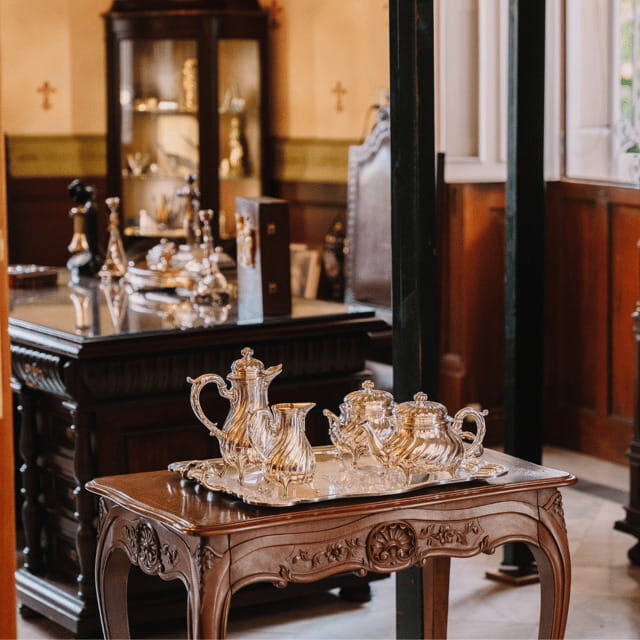
This isn’t a museum that screams at you. It’s a mansion where the objects feel chosen and kept, not thrown into a display case. For about a day, you can move at your pace and focus on what interests you most: décor, craftsmanship, family connections, or the physical structure of the rooms.
The value is hard to ignore. At $8 per person for access to multiple rooms, you’re paying less than many city attractions and getting a lot of “look-and-learn” time. You also get a special focus on the era tied to Mérida’s green-gold period, which is where the mansion’s story gains traction.
And the house itself gives you cues. The entrance isn’t just a door; you enter from the main entrance or through a sliding glass door from the garden, and that changes the first impression. Inside, a hall of 20th-century furnishings sets the rhythm before you branch into the piano room, library, and dining room.
You can also read our reviews of more museum experiences in Merida


Price and visit length: how to judge the $8 value
A lot of low-cost tickets fail when the experience is short. This one doesn’t. The ticket is for 1 day, and you have enough time to actually slow down and take in the details in the rooms that are open to you.
For $8, you get far more than a quick photo stop. You’ll be able to see:
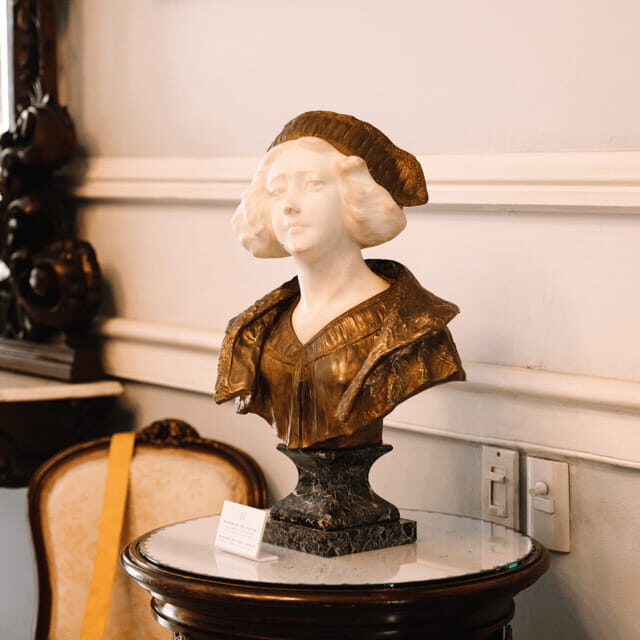
- 20th-century furniture, clocks, paintings, sculptures, vases, lamps, and miniatures
- the main hall plus the piano room, library, and dining room
- three Baccarat crystal chandeliers and large wall mirrors tied to the house’s connections
That matters because mansions can be tricky: sometimes you get empty rooms or generic explanations. Here, the rooms are set up in a way that lets you look. If you enjoy interiors and design, the price is a strong deal.
If you don’t care about decorative arts or family portraits, $8 still buys access to a calm break from the heat and noise of the street—but you may have fewer things to hold your attention.
Entering the mansion: main entrance vs. garden sliding door
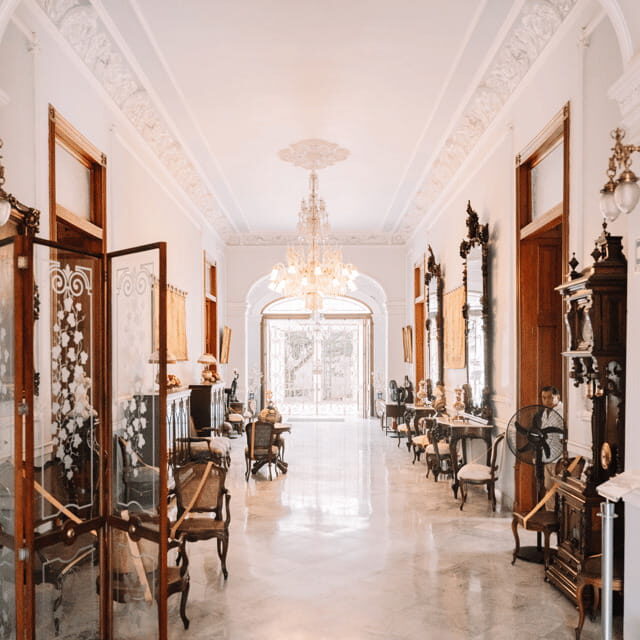
Your visit starts with a choice of entry points. You can go in through the main entrance, or you can enter from the garden via a sliding glass door. That garden route matters because it changes the mood right away. You step in feeling like you’ve reached a private home, not a public building.
Once you’re inside, the hall becomes your anchor. Expect a mix of 20th-century pieces—furniture, clocks, paintings, sculptures, vases, lamps, and miniatures—so your eyes have a lot to do. There’s also a note of modernity near the entrance with a folding glass screen, which gives you contrast as you orient yourself.
Practical tip: because the house is meant to be explored on foot, plan to walk steadily. I recommend comfortable shoes even if you’re not a big walker, because the time disappears into small movements between rooms.
The main hall: where the house tells its story
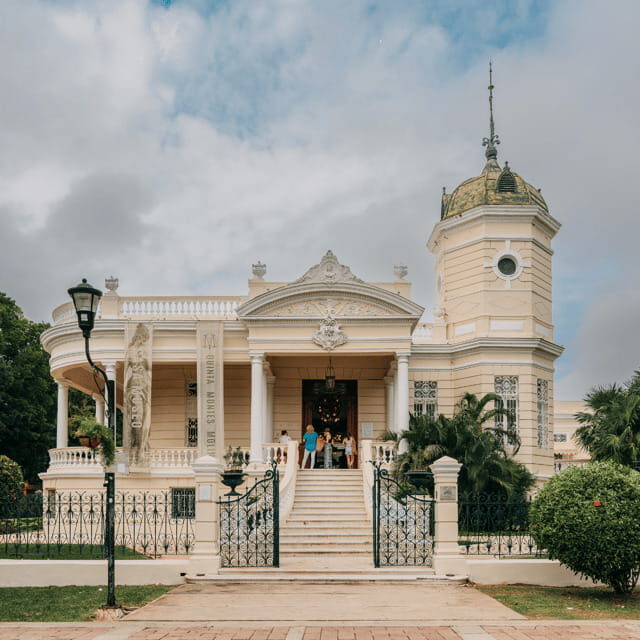
The main hall is the place to start looking with intention. This is where you’ll see much of the house’s personality built from materials and arrangement, not just individual objects.
A few standout elements make the hall more interesting than a generic foyer:
- Three Baccarat crystal chandeliers, including one with a documented purchase history tied to the 1950s
- large wall mirrors that also connect to a downtown Mérida mansion
- chair styles that reflect seasonal comfort
The chandeliers aren’t just decoration. The central one was purchased in the 50s from a downtown Mérida mansion, and the two large wall mirrors came from that same source. That detail helps you understand the house as part of a wider local world, not isolated luxury.
Chair placement is another quiet clue. You’ll see two chair styles in the hall: upholstered chairs associated with winter, and wicker chairs used during summer. It’s a small detail, but it gives you a more human read on the space—someone planned for weather, not just aesthetics.
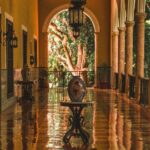
Also watch your step and your gaze. The mansion uses Carrara marble and Spanish tile on the floors, and those surfaces reinforce the idea that the house was designed for both beauty and daily use. The floor isn’t just background; it’s part of the story of how the mansion worked.
Baccarat chandeliers and mirrored history from downtown Mérida
If you like design history, make time for the chandeliers and mirrors. This is one of the strongest “value per minute” sections of the visit because the main hall keeps pulling your attention back to them.
Here’s what to focus on:
- The central Baccarat chandelier: purchased in the 1950s from a mansion in downtown Mérida
- Two large wall mirrors: also from the same downtown source
- how those elements reflect a period taste for bright light and polished surfaces
These items add credibility to the mansion’s story. They connect the house to Mérida’s earlier wealthy networks, which is especially relevant when the mansion’s role in the green-gold era comes up. In other words, you’re not only admiring luxury; you’re seeing how luxury traveled and got re-homed.
Practical note: lighting inside older mansions can be tricky for photos, and photography may be restricted in some areas. If you want pictures, ask staff where you’re allowed to shoot rather than risking a “no” after you’ve already started.





Paintings and portraits: the names behind La Quinta Montes Molina
After the chandelier-and-floor first impression, the next layer is the paintings. This is where you start learning names—actual people connected to the mansion, not vague labels.
Near the main entrance, you’ll find paintings of Don Avelino Montes Linaje and Doña María Molina Figueroa. They anchor the house’s identity, and they’re placed where you can keep returning to them as you move through the hall.
At the end of the hall, you’ll see paintings of Don Avelino’s parents: Saturnino and Luciana. That shift from the couple to the parents adds a timeline feeling. You’re not only looking at decoration; you’re seeing how the family wanted to be remembered inside their own rooms.
The hall also includes information that connects specific features, like the history of the marble floor and the hall paintings. That’s the point where the visit moves from “pretty objects” into “this place has documentation and meaning.”
The 20th-century furniture, clocks, vases, lamps, and miniatures
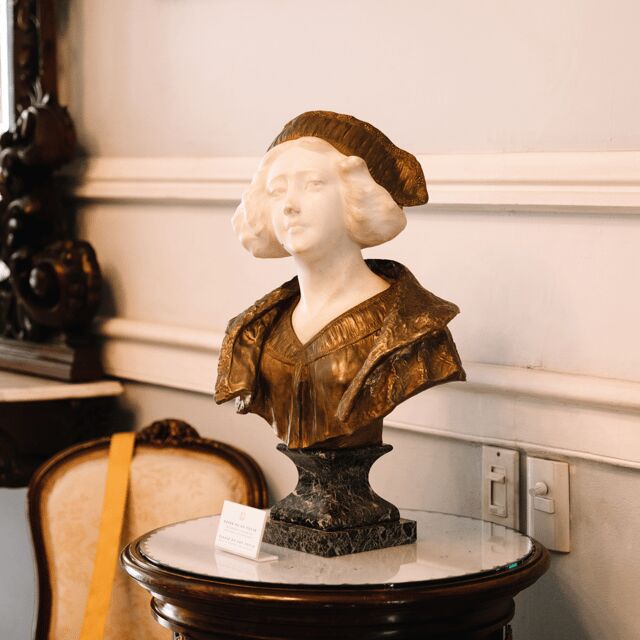
One reason this mansion works is that it isn’t trying to be everything at once. It’s focused on a 20th-century interior language: furniture proportions, decor choices, and the way daily life looks when everything is kept.
As you walk, keep an eye out for:
- Clocks that signal the era’s devotion to domestic order
- Vases and lamps that fill spaces with both color and reflective surfaces
- sculptures and miniatures that reward slow looking
You don’t have to love design to appreciate the craftsmanship. Even if your taste runs more practical, these details help you picture how the family used the rooms—especially when you compare winter and summer seating in the hall.
A good strategy: pick three object categories and stick with them for a room. For example, in the hall focus on clocks, then chandeliers, then lamps. You’ll remember the visit more because your brain isn’t chasing everything at once.
Piano room, library, and dining room: what to pay attention to
Beyond the hall, you have access to the piano room, library, and dining room. You won’t get a theatrical guided script, but you’ll still see a progression that makes sense for a home: music and leisure spaces, then study and dining.
In the piano room, look for details that suggest music and private evenings. A highlight that many people mention is Tiffany stained-glass windows, which can add a glow effect when the light hits. Even if stained glass isn’t your thing, it’s still a useful visual marker of how this mansion blends luxury with atmosphere.
In the library, focus on the idea of a room that supports quiet time and reading. Libraries are rarely “just books” in historic homes; they’re about the furniture, the placement, and the way the room frames the person using it.
In the dining room, check how the space supports hosting. Dining spaces tend to show you what the family valued at the table: display, setting, and comfort. Even with no guide talking you through the scene, the arrangement can do a surprising amount of storytelling.
The café add-on: a modern landing after the mansion
If you want a natural end to the day, you can finish at the café, which has a modern, cozy vibe with the feel of a small bookstore. It’s the kind of spot that turns a museum-like visit into a real pause, not just another “walk-through and leave.”
I’d treat it as optional, not required. If you’re hungry, it’s a practical stop. If you’re not, even a quick drink can help you slow down after the indoor walking.
Who this is best for (and who might want a different stop)
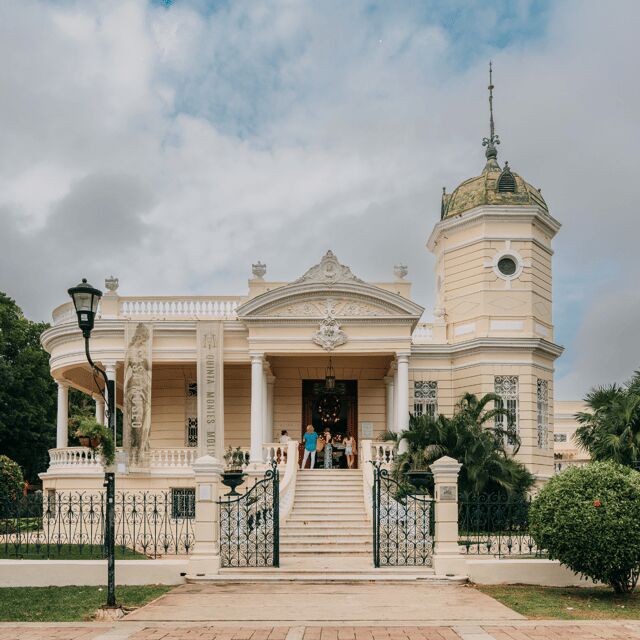
This experience is best for people who enjoy interiors and want to see how a wealthy home looked and functioned. If you care about design details—furniture styles, chandeliers, floors, mirrors, framed portraits—this is a strong fit.
You’ll also like it if you want a short day activity in Mérida that feels calmer than typical city sightseeing. The house is wheelchair accessible, and it’s mostly an on-foot exploration, which makes it manageable for many visitors who can walk inside.
Who might not love it:
- If you want a narrated tour with a guide leading you room to room, this isn’t designed that way. No guided tour is included.
- If you need visual accommodation, it isn’t suitable for visually impaired people, so plan an alternative.
If your taste runs toward outdoor views or big-scale architecture, this mansion can feel more “crafted and intimate” than “grand and dramatic.” That’s not a flaw—it’s just a mismatch of expectations.
Planning tips that help you get more out of the visit
You’ll get the best experience by using the house like a puzzle. Don’t try to absorb every object. Instead, connect themes:
- start with lighting and surfaces (chandeliers and marble)
- then move to portraits and family connections (Don Avelino, Doña María, Saturnino, Luciana)
- then compare seasonal comfort (winter upholstery vs summer wicker)
Bring water if you need it, especially if your visit comes after time in the sun. The tour itself doesn’t include food or beverages, so keep that in mind.
Finally, plan your photography expectations. Some areas may restrict photos, and the best move is to check with staff rather than guess.
Should you book La Quinta Montes Molina entrance?
Book it if you want a focused, low-cost way to see a preserved mansion interior in Mérida, with Baccarat chandeliers, notable floors, named portraits, and plenty of 20th-century objects to look at for a full day.
Skip it or consider alternatives if you’re mainly looking for a guided storytelling experience. Since no guided tour is included, the visit works best when you enjoy reading the rooms at your own speed.
If you like design, craftsmanship, and family-story details tied to Mérida’s green-gold era, this is the kind of place where a ticket turns into an hour-by-hour experience.
FAQ
How much does the La Quinta Montes Molina entrance cost?
The price is $8 per person.
How long is the experience?
It’s valid for 1 day. You can check availability to see starting times.
Is there a guided tour included?
No. A guided tour is not included.
What areas of the mansion can I access?
You can access the main hall plus the piano room, library, and dining room.
What special items can I see during the visit?
You can view three Baccarat crystal chandeliers and large wall mirrors, along with 20th-century furniture, clocks, paintings, sculptures, vases, lamps, and miniatures.
What languages are available?
The host or greeter is available in English and Spanish.
Is the mansion wheelchair accessible?
Yes, it is wheelchair accessible.
Are food and drinks included?
No. Food and beverages are not included.
Is photography allowed?
Photography may be restricted in certain areas, so check with the staff.
Is it suitable for visually impaired people?
No, it is not suitable for visually impaired people.
What’s the cancellation policy?
You can cancel up to 24 hours in advance for a full refund.
Can I reserve and pay later?
Yes, you can reserve now and pay later.