REVIEW · CANCUN
Cobá Tour Cultural Experience
Book on Viator →Operated by Cancun Vacation Experts · Bookable on Viator
Jungle ruins, bike power, and a cenote swim. The Coba Tour Cultural Experience strings together real Mayan learning with hands-on village time and a guided visit to one of the most photogenic Mayan sites in the area, surrounded by dense jungle. I like the guided storytelling at Coba (including the ball game and how they built the pyramids). I also like the option to choose your own mix of culture vs. adventure, then end with a Popol Vuh show and included lunch. One thing to watch: site rules can change, and some departures may not allow the same climbing you see in older photos.
This is the kind of day that works best when you keep expectations practical. You get a local guide, a small group size (max 15), bottled water, and a schedule that keeps moving. I also like that the cenote stop includes a life jacket, so you’re not guessing how that part of the day should work.
Timing matters. The start time is listed as 7:00 am, and depending on where you’re picked up, the drive to Coba can run long, with stops for other passengers along the way. If your priority is maximizing time inside the ruins, plan for the road to take a bite out of your day.
In This Review
- Key things to know before you go
- Price and Logistics: what $139.99 buys you (and where time can slip)
- Getting to Coba: hotel pickup, small-group feel, and the ride comfort factor
- Coba archaeological zone: the ball game, pyramid engineering, and the timing at the first stop
- The jungle bike ride (and a trike option if you can’t pedal)
- Mayan village time: pottery, medicinal plants, and tortilla-making basics
- Cenote Multun-Ha: swim in a closed cavern and what to bring mentally
- Popol Vuh show and lunch: buffet, lobster upgrade, and timing you should watch
- Tips that make the day smoother (especially if you want maximum enjoyment)
- Who should book this Coba cultural experience?
- Should you book the Coba Tour Cultural Experience?
- FAQ
- What is the duration of the Cobá Tour Cultural Experience?
- How much does the tour cost per person?
- What’s included in the tour?
- Do I get a ticket for Coba and the cenote?
- What time does the tour start?
- Is the tour offered in English?
- What is the cancellation window?
Key things to know before you go
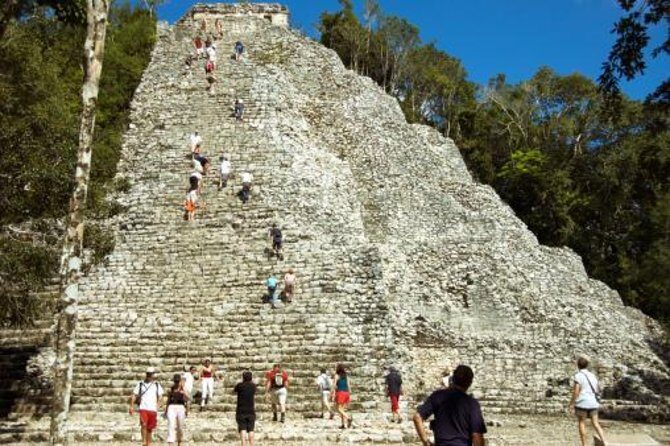
- Coba + guided ruins: learn what the ball game meant and how the pyramids were built high.
- Bike time in the jungle: you’ll pedal past lagoons and temple areas, with a trike option if biking is hard.
- Mayan village activities: pottery and classic tortilla-making show daily life, but the hands-on portion can be short.
- Multun-Ha cenote swim: a sacred, closed-in cavern-style cenote with swim gear included.
- Popol Vuh show: a cultural performance with live music as the day’s finish-line.
Price and Logistics: what $139.99 buys you (and where time can slip)
At $139.99 per person for an 8-hour outing, you’re paying for a bundled day: hotel pickup and drop-off, a local guide, lunch, bottled water, and the cenote swim setup. That’s the value piece. If you tried to match this mix yourself with a guide, tickets, transport, and the cenote stop, it usually turns into a bigger planning project than it sounds.
Here’s the part you’ll feel most: transit time. The tour description frames the ride as short and scenic, but the day can involve pickup rounds and longer driving depending on whether you’re coming from the Cancun side versus more local hotels. I’d treat Coba as a full-day commitment, not a quick half-day stop.
Also note a scheduling oddity you should plan around. The listing says the start time is 7:00 am, while the overall description talks about an afternoon pickup. Don’t try to reconcile it the night before with guesswork. Instead, confirm your exact pickup time in your confirmation message so you’re not standing outside early wondering if the van already left.
You can also read our reviews of more tours and experiences in Cancun.
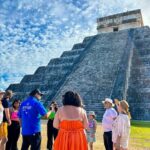
Getting to Coba: hotel pickup, small-group feel, and the ride comfort factor
This tour includes hotel pickup and drop-off, and the tour runs with a maximum of 15 people. That small cap matters. With a group that size, the guide can actually pace the day and keep an eye on everyone without the feel of a cattle call.
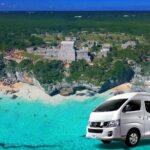
Most of the time you’ll be traveling in a van or bus setup, and the plan is to get you to Coba in time for the archaeological visit, then flow into the culture and water stops. You’ll also have bottled water on board.
Practical tip: if your schedule is tight or you’re sensitive to early starts, you’ll want to treat this like a morning tour even if your hotel schedule has you thinking you’re doing something later. The day is built around that early start time, plus the time it takes to reach the ruins.
Coba archaeological zone: the ball game, pyramid engineering, and the timing at the first stop
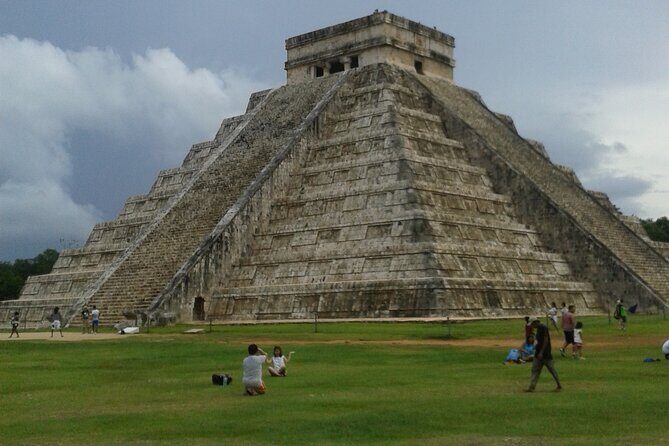
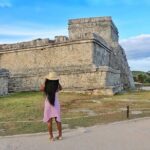
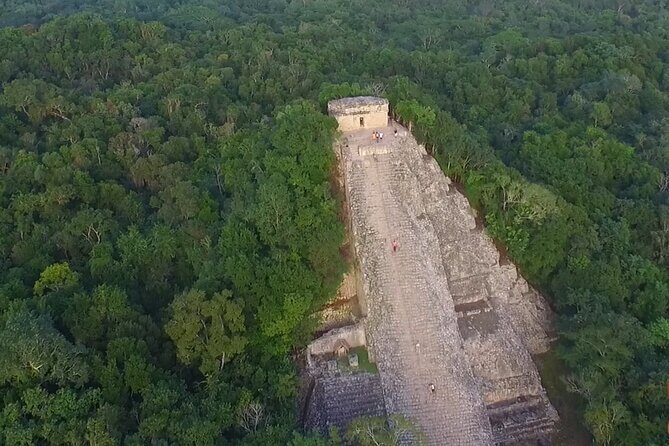
Your day begins with the Zona Arqueológica de Coba stop. This is your orientation. You’ll spend about 30 minutes here, learning why the Mayans played the ball game and what it represented in their beliefs. You’ll also hear how they constructed pyramids so tall without pack animals—basically, it’s the kind of context that makes the stones feel less random once you’re standing among them.
Even better: you’re not just handed a quick overview and rushed along. The pacing gives you a chance to understand why Coba was built how it was before you go deeper into the site experience.
One consideration: current access rules can affect what you’re able to do once you’re at the ruins. Some versions of the experience include climbing temple areas, while other departures may run into restrictions. If climbing is a big reason you booked, ask ahead of time whether your date includes that access.
The jungle bike ride (and a trike option if you can’t pedal)
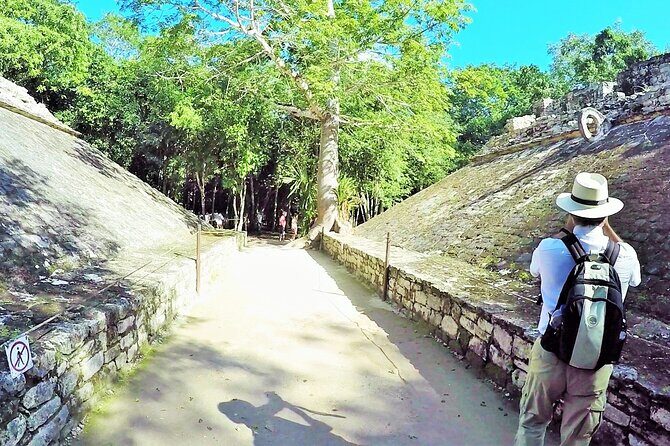
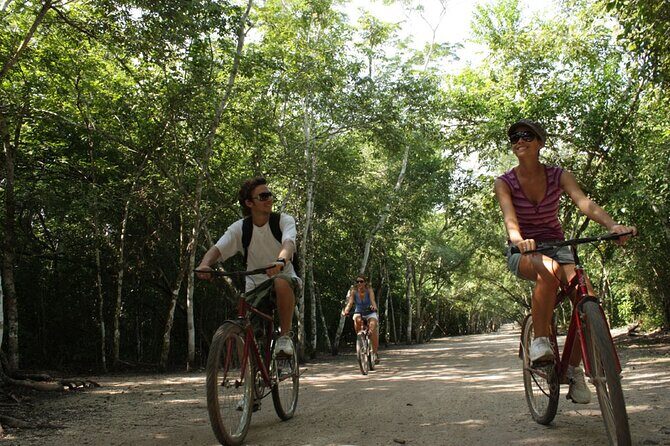
After the guided ruins introduction, you’ll get on a bike and cycle through the Coba area. The idea is smart: instead of walking every section, you can move across temple areas and lagoons efficiently, while still feeling like you’re moving through real jungle.
And yes, this is where you’ll either love the day or feel mildly stressed, depending on your biking comfort. If you can ride a bike, you’ll probably find it energizing. If you can’t, there’s an option to switch to a trike that’s pedaled for you. One trike arrangement can even seat two people in the front, which is ideal if you’re traveling with a child or someone who wants the experience without the struggle.
What I’d do: wear comfortable shoes and keep the idea of bike logistics simple. You’re moving through uneven ground and jungle shade, so try not to plan on holding your phone like a professional photographer for long stretches. Stop when you need to. You’ll get plenty of chances to look up at the temples and down at the paths.
Mayan village time: pottery, medicinal plants, and tortilla-making basics
Next comes the cultural stop: a Mayan village visit to learn how people lived in pre-Columbian times. Expect about 45 minutes. You’ll likely see demonstrations tied to everyday life, plus small hands-on moments.
The pottery experience can be fun, but it’s also one of the parts that can feel short. You may get only a small amount of clay and be guided through a quick make-and-shape experience, with a sense that another group is moving in after you. If you’re hoping for a long, slow craft session, adjust your expectations and treat it as a taste of the tradition rather than a full workshop.
Still, the best village moments are often the everyday details. You might hear about plants used for medicinal purposes, and you may also be shown Mayan bee hives at a family home, depending on how your visit is set up. The tortilla part tends to land well because it’s practical and delicious: you’ll watch (or participate in) the process, and you may try tortillas with a spread that can include pumpkin seeds.
If you care about respectful interactions, this is also where you should be ready with a calm, curious attitude and a willingness to ask questions. You’re learning how people describe their own daily rhythms.

Cenote Multun-Ha: swim in a closed cavern and what to bring mentally
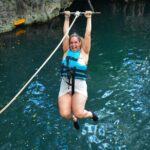
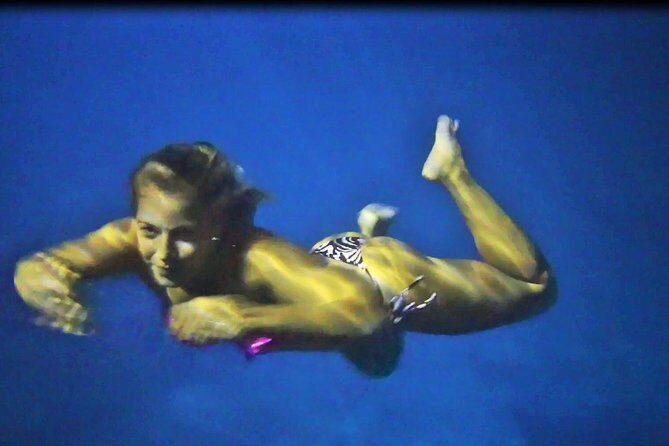
Then you’ll cool off at Cenote Multun-Ha. This is described as a sacred, vault-type cenote and—most important for your expectations—a completely closed cavern environment. You’ll have about 45 minutes here, and life jackets are included, which helps a lot with comfort and safety.
A cenote swim is one of those activities that feels simpler than it is. Water in a closed cavern means you’ll pay attention to where you step, how you enter, and how you move when the footing changes. I’d mentally treat it like a short, guided water break rather than a “float around forever” experience.
What to plan for: you’ll likely want to keep your valuables secure (bring a simple way to protect your phone or camera if you have one). Also, expect that getting changed and dried off takes time, even if the cenote portion itself is short.
Popol Vuh show and lunch: buffet, lobster upgrade, and timing you should watch
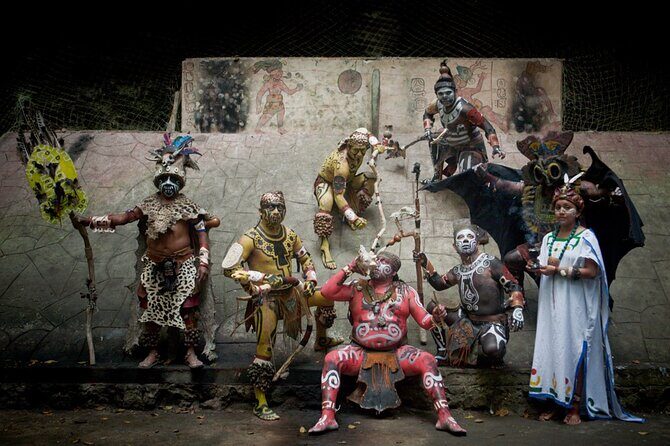
Your day closes with a cultural performance. The show is a representation of a passage from the Mayan codex Popol Vuh, performed with live music by authentic Mayan artists. You’ll have about 1 hour for this final stop.
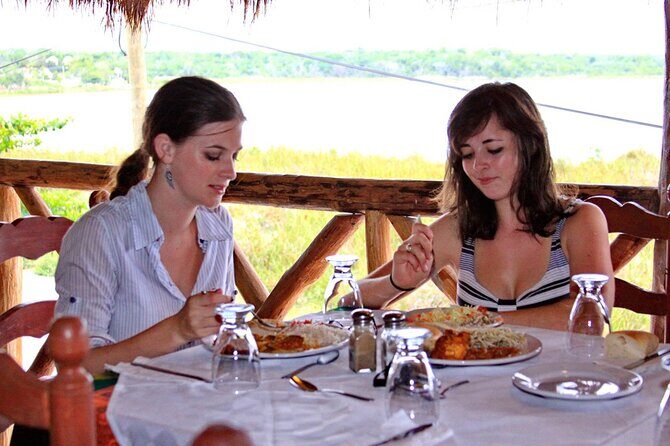
Before or alongside the show, you’ll have lunch. Lunch is included and described as a buffet inspired by Mexican specialties. If you upgrade, you’ll get fresh lobster and accompaniments while you watch the Mayan show.
Here’s the practical caution. Some people have run into mismatch issues where the show or dinner didn’t feel like it matched what they expected from their specific purchase, and timing can affect how much you actually enjoy each component. If the upgrade and show timing are part of what convinced you to book, keep an eye on the day’s flow and be ready to ask staff what’s happening next.
Also, photos or souvenirs aren’t included. If you care about keepsakes, decide early whether you want to bring cash for shopping or photos.
Tips that make the day smoother (especially if you want maximum enjoyment)
These are the small things that often decide whether Coba feels magical or just busy:
- Bring small bills for tipping. There are multiple points in the day where tips come up: your drivers, your guide, the people hosting cultural moments, and performers.
- Don’t overpack your day with extra plans afterward. The tour ends with drop-off at your hotel in Playa del Carmen, and by the time you get back, you’ll likely be ready to eat and rest.
- If you’re traveling with kids or non-riders, plan for the bike/trike reality. The trike option can save the day.
Who should book this Coba cultural experience?
Book this if you want a guided day that covers three major hits without turning it into a separate logistics project: Coba ruins, a Mayan village interaction, and a cenote swim, with the Popol Vuh show as the finish.
You’ll probably enjoy it most if:
- You like historical context delivered in a way that connects to daily life.
- You don’t mind a longish day and you can handle early timing.
- You’re okay with hands-on culture being shorter rather than a slow, deep workshop.
I’d think twice if:
- You’re specifically booking for temple climbing and access is a must-have, since site rules can restrict it.
- You’re expecting the schedule to hit a very specific sunset-style storyline. Some days can feel different depending on timing and how everything lands.
Should you book the Coba Tour Cultural Experience?
If you want a well-paced, guided cultural day with real activity built in, this is a good value at $139.99—especially because lunch, water, guide help, and cenote swim gear are included. The biggest risks aren’t the ruins themselves; they’re the day’s timing and access details that can vary.
My advice: book it if you’re flexible, curious, and ready to trade a bit of convenience for the payoff of seeing Coba and swimming at Multun-Ha. If you’re very specific about climbing, show timing, or the exact mix of activities, confirm those details before you go so your day matches what you pictured.
FAQ
What is the duration of the Cobá Tour Cultural Experience?
The tour runs about 8 hours (approx.).
How much does the tour cost per person?
The price is $139.99 per person.
What’s included in the tour?
It includes hotel pickup and drop-off, a local guide, lunch, bottled water, a life jacket, and cenote swimming.
Do I get a ticket for Coba and the cenote?
Admission ticket details are listed as free at the stops for Coba (archaeological zone) and cenote time is included in the tour experience.
What time does the tour start?
The start time is listed as 7:00 am.
Is the tour offered in English?
Yes, it’s offered in English.
What is the cancellation window?
You can cancel for a full refund up to 24 hours in advance of the experience start time.