REVIEW · CANCUN
Birds of the Mayan World 2 / Route of the cenotes
Book on Viator →Operated by Gills Bioexperiences · Bookable on Viator
Toucan sightings can be loud. On this private birding outing in the Riviera Maya, you walk low-impact trails tied to the cenotes route area, scanning for endemic birds while learning how plants and birds share the same stage.
I especially like how the guide turns the walk into a real bird list, not just a nature stroll. José Gil Paz Gutiérrez (and his team) uses real-time eBird tracking so you can see your sightings build, then you get the checklist after.
The main thing to plan around: the tour depends on good weather, and rain can affect what you spot and how comfortable the trail time feels.
In This Review
- Key things to know before you go
- Birds of the Mayan World 2 on the cenotes route: a bird walk with a brain
- Where you meet and how the tour starts in Puerto Morelos
- The 4-hour format: what you actually do on the trails
- Birding in thick brush: the guide technique that helps you see more
- Real-time eBird checklists: why this detail matters
- José Gil Paz Gutiérrez: the guide style you’ll feel right away
- Mayan plant stories paired with bird watching
- Light food and a realistic pace during the 4 hours
- Evening birding vs early-morning birding: what to expect
- Who this tour suits best (and who should double-check first)
- Price and value: what you’re really paying for
- Should you book Birds of the Mayan World 2 / Route of the cenotes?
- FAQ
- Where is the meeting point for the tour?
- How long is the Birds of the Mayan World 2 tour?
- Is hotel pickup available?
- Is this a private tour?
- What language is the tour offered in?
- What fitness level do I need?
- Do I use a mobile ticket?
- What happens if the weather is poor?
- What is the cancellation policy?
Key things to know before you go

- Private group only: You’re not packed into a big herd of strangers.
- Low-impact trail style: You’ll move in a way meant to protect wildlife and habitat.
- Real-time eBird checklists: Your sightings get logged as you go, then sent to you afterward.
- Laser pointer used carefully: It’s aimed to help you see birds in thick brush without bothering them.
- Mayan plant + botany stories: Bird time comes with practical context about local plants.
- Local food included: A light breakfast and tacos for lunch show up on the schedule depending on timing.
Birds of the Mayan World 2 on the cenotes route: a bird walk with a brain
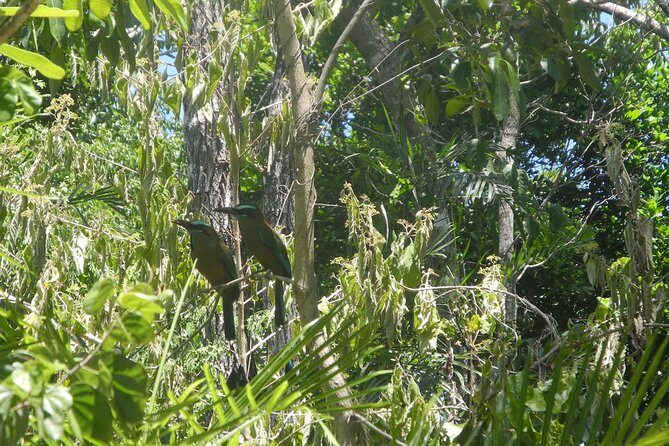
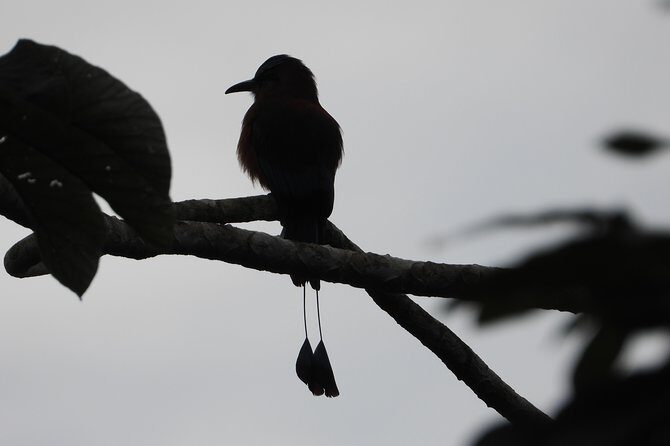
If you love birds, this tour hits a sweet spot. You’re in the Riviera Maya where jungle edge, shade, and water patterns pull in different species. And instead of treating birding like a checklist-only sport, the guide connects what you see to the habitat around it.
This is also a smart break from the Cancun hotel-zone rhythm. You get outside, moving slowly enough to notice details, but not stuck in one view. The result is bird time that feels active, not rushed.
You can also read our reviews of more tours and experiences in Cancun.
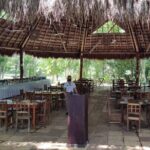


Where you meet and how the tour starts in Puerto Morelos
The pickup plan is simple. Pickup is offered, and the activity ends back at the meeting point. Your start point is Flamboyán, SMZ 18, 77580 Puerto Morelos, Q.R., Mexico.
It’s a good idea to plan to arrive early enough to settle in before the first walk. The tour runs in set time windows (for example, Monday has a late-day slot listed), so you’ll want to be ready to go when the guide is.
You’ll also use a mobile ticket. That’s one less thing to manage in a place where you’d rather be focused on binoculars, not paperwork.
The 4-hour format: what you actually do on the trails
The tour is about 4 hours. That’s long enough to settle into birding mode, but short enough that it doesn’t turn into a giant endurance event.
You can expect walking on jungle trails and also roads that cut through the greenery. The pace works best if you have moderate physical fitness. If you know you’re sensitive to wet ground or steep, muddy patches, bring the right shoes and take it easy on footing.
The core activity is bird watching along trails rich in biodiversity. Because it’s tied to the cenotes route theme, the habitat you move through often matters as much as the birds themselves. Shade lines, openings, and places where insects concentrate tend to pull birds in.
Birding in thick brush: the guide technique that helps you see more
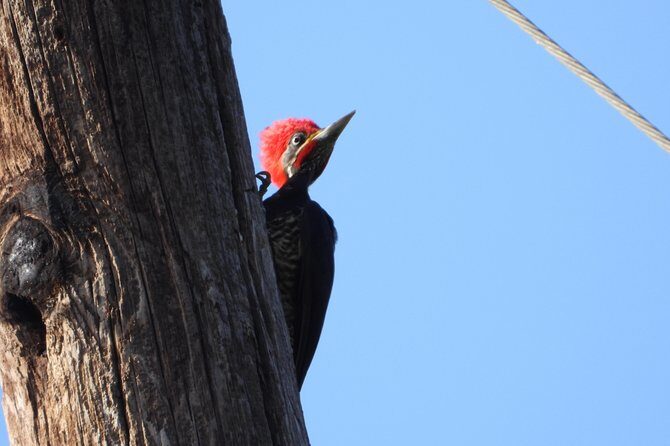
Here’s what makes this tour feel effective: the guide helps your eyes catch what your brain might miss.
One standout approach is laser-pointer use. The point isn’t to shine light wildly. It’s described as aiming carefully at a lower connecting branch to help you track a bird that’s partially hidden in thick foliage—without poking the animal or blasting it with attention.
You’ll also get help from binocular-focused scanning. The goal is to keep your viewing smooth: spot movement, focus, then confirm. It’s not just about spotting anything. It’s about learning what you’re seeing and logging it correctly.
And yes, the species lists can get impressive. Recent outings include long checklists like 30 species, 43 species, and even a tally of 68 birds on one tour. The takeaway for you: this guide isn’t just guessing. The sightings are actively worked.
Real-time eBird checklists: why this detail matters
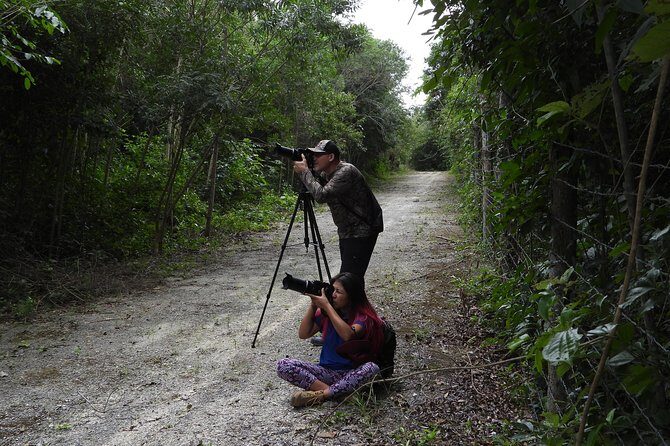
Some tours treat bird lists like an afterthought. This one treats them as part of the hunt.
Your guide handles the eBird checklist in real time. That means you’re not waiting around while someone remembers what they saw later. You’ll be building the list while you’re still looking at the bird, which improves accuracy and makes the experience more fun.
At the end, you get the checklist emailed to you. For people who like to track lifers and compare notes later, this is a big deal. It turns the walk into something you can actually keep.
If you’re a casual bird fan, it still helps. Watching your list grow makes it easier to stay focused, even when you’re tired or the birds are acting shy.





José Gil Paz Gutiérrez: the guide style you’ll feel right away
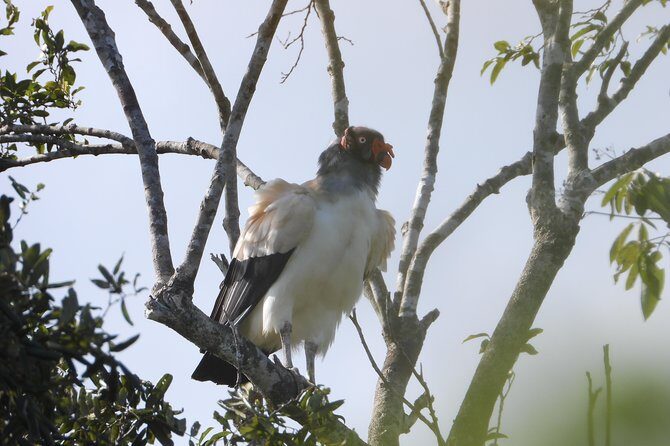
José Gil Paz Gutiérrez comes through in the way he guides: calm, attentive, and practical. You’ll get the feeling quickly that he’s local and deeply tied into the natural side of the area.
One repeated theme is patience. If you’re a beginner or you don’t have birding down yet, the pace and guidance help you learn. Another repeat theme is safety and comfort for solo travelers. For a solo female traveler, the experience was described as feeling safe and comfortable throughout.
You’ll also likely notice the guide’s background in endemic botany. That matters because it changes how you look at a place. Birds don’t just appear out of nowhere. They show up where food, cover, nesting spots, and microclimate line up—often explained through the plants nearby.
In a rainy outing, the guide still helped someone log 43 species. That’s a sign of skill under imperfect conditions, not just good weather luck.
Mayan plant stories paired with bird watching
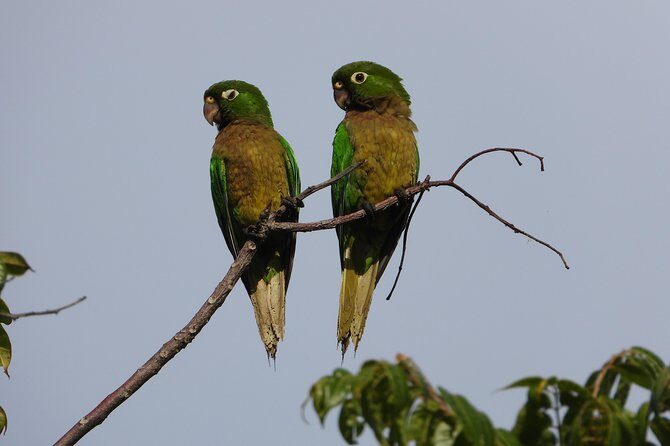
Birding can turn into tunnel vision. This tour avoids that.
On the walk, the guide shares information about Mayan plants and their historical significance—linked to rituals, medicine, and cooking. It gives you a deeper reason to pay attention to what’s around you, not just what’s flying above you.
The interesting part is how it connects. You start seeing the jungle as a system: plants support insects, insects support birds, birds react to shade and flowering, and the whole web shows up on your binoculars.
If you like travel that mixes nature and culture without making it feel like a lecture, this works well. It’s not just facts. It’s explanations you can use to understand why the habitat matters.
Light food and a realistic pace during the 4 hours
You’ll want to plan for food during the tour window. One detail that keeps coming up: a light breakfast and tacos for lunch can be included.
That’s not just about eating. It helps you stay steady for the full time. Birding often runs in cycles: stop, scan, wait, move, repeat. Having food handled lets you keep energy up instead of searching for snacks mid-walk.
The pacing is described as relaxed by one guest. That can be perfect if you want to enjoy the jungle and not feel like you’re sprinting to rack up numbers. If you’re a hardcore lister trying to maximize every last species, you might find the pace a touch slower than you expect—but it still supports learning and real sightings.
Evening birding vs early-morning birding: what to expect
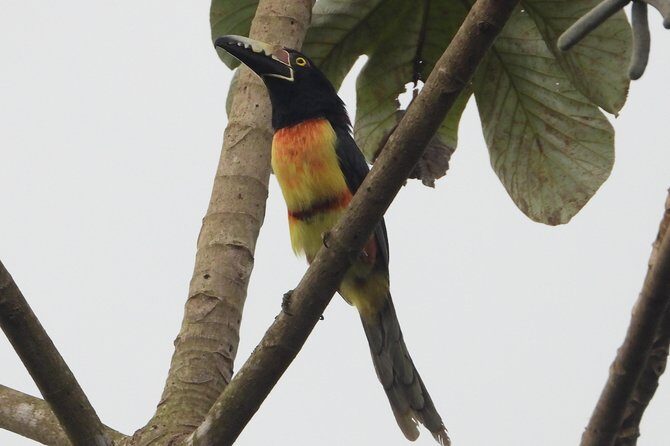
A key consideration is time of day. In one example, a guest missed an early-morning departure and did an evening private tour instead. Bird activity was expected to be lower, yet the sightings were described as stunning—especially a toucan moment that felt like the main event.
So here’s how to think about it: evening can mean fewer birds, but not fewer wow moments. Light changes, animals shift their routines, and sometimes you get showy appearances when you least expect them.
If you’re choosing between times, pick what fits your energy and your patience for lower-volume bird action. You’ll still be in the habitat, and the guide will still work to find birds.
Who this tour suits best (and who should double-check first)
This is a great match if you:
- love birds and want help spotting them in thick habitat
- like guides who can explain habitat and plants, not just point
- want a private experience with pickup options
- travel solo and value a calm, reassuring guide style
It’s also a solid first bird tour for “baby birders.” Patience and tools like the careful laser-pointer technique can make a huge difference.
The one group I’d flag: people who want extreme hiking fitness. The tour asks for moderate physical fitness and includes walking on roads and trails. It’s not described as a rugged trek, but you are moving.
Price and value: what you’re really paying for
No price is listed here, but the value story is clear. You’re paying for:
- a private guide setup (so you’re not sharing attention with a crowd)
- expert help finding birds in dense brush
- real-time eBird logging and a follow-up checklist by email
- careful bird-friendly pointing technique
- local botany and Mayan plant context
- transportation and local food during the tour window
That combo matters. A lot of tours show you a few birds and call it a day. This one is structured so you can actually track what you saw and learn why it’s there.
If your goal is “more birds, better spotting, and a list you can use later,” this is the kind of tour that earns its keep.
Should you book Birds of the Mayan World 2 / Route of the cenotes?
I’d book it if you want birding with real guidance, not just binoculars handed to you. The standout elements—José Gil Paz Gutiérrez’s bird skill, the careful way the laser pointer is used, and the real-time eBird checklist—turn the whole outing into a richer experience you can remember and actually document.
I’d hesitate only if weather is unpredictable for your dates and you hate walking on wet or muddy trails. Since the tour requires good weather, you’ll want flexibility.
If you can handle moderate walking and you’re excited about birds plus Mayan plant context, this one is a strong choice.
FAQ
Where is the meeting point for the tour?
The meeting point is Flamboyán, SMZ 18, 77580 Puerto Morelos, Q.R., Mexico.
How long is the Birds of the Mayan World 2 tour?
The duration is about 4 hours.
Is hotel pickup available?
Pickup is offered, and the tour ends back at the meeting point.
Is this a private tour?
Yes. It’s private, so only your group participates.
What language is the tour offered in?
English is offered.
What fitness level do I need?
You should have a moderate physical fitness level.
Do I use a mobile ticket?
Yes, you’ll have a mobile ticket.
What happens if the weather is poor?
The tour requires good weather. If it’s canceled due to poor weather, you’ll be offered a different date or a full refund.
What is the cancellation policy?
Cancellation is free up to 24 hours in advance for a full refund. If you cancel less than 24 hours before the start time, the amount paid won’t be refunded.