REVIEW · PLAYA DEL CARMEN
Chichén Itzá, Cenote and Valladolid with Lunch and transportation
Book on Viator →Operated by 13 Baktun Tours · Bookable on Viator
Maya ruins at sunrise speed. This full-day trip strings together three major Yucatán experiences: Chichén Itzá, a cenote swim at Cenote Saamal, and a quick taste of Valladolid. What makes it interesting is the mix of guided interpretation (certified archaeology specialists) plus time to wander key places on your own.
I especially like the way the day is structured for comfort: air-conditioned panoramic round-trip transport and a Mexican buffet lunch that keeps you fueled between long stretches. I also like that you’re not just dropped at the sites; you get meaningful context from guides named in the group, including Eduardo, Hugo, Lalo, Josue, Ruth, and Santiago.
One real consideration: the headline price isn’t the full out-of-pocket cost. You have a mandatory boarding fee and Chichén Itzá admission is not included, so budget for those before you go.
In This Review
- Key takeaways before you go
- A long day in Yucatán: what the 6:00 am start really means
- Transport and timing: getting to Chichén Itzá without the headache
- Chichén Itzá with a real archaeology guide: what to focus on
- Sacred cenote swim at Cenote Saamal: rules, timing, and comfort
- Valladolid in 20 minutes: make a quick stop count
- Lunch and the reality of included food
- The shopping stop near Xocenpich: support versus upsell
- Guides, language, and group flow (Eduardo, Hugo, Lalo, and more)
- Budgeting the real cost: $33 plus the mandatory add-ons
- Who this tour fits best (and who should consider a different plan)
- Should you book this Chichén Itzá, cenote, and Valladolid tour?
- FAQ
- What time does this tour start from Playa del Carmen?
- Is lunch included, and what kind is it?
- Do I need to pay for Chichén Itzá entrance?
- Is entry included for the cenote?
- Do I need a vest to swim in the cenote?
- What’s the main language of the tour?
Key takeaways before you go
- Certified archaeology guides explain what you’re looking at, not just where to stand for photos
- Cenote Saamal is included (and swimming may require a vest)
- Valladolid time is short, so plan for quick browsing more than a slow wander
- Lunch is a true included stop via a Mexican buffet
- Shopping stops can cost real money, so decide in advance what you will and won’t buy
- The bus ride is long, so think about offline entertainment and water
A long day in Yucatán: what the 6:00 am start really means
This is a 13-hour day built around early departure. A 6:00 am pickup means you’ll beat a lot of the worst heat and crowd pressure at Chichén Itzá, which is exactly what you want for ruins. The flip side is obvious: you’ll need an early wake-up plan and a little patience while the group gathers.
The ride is round-trip only, using air-conditioned panoramic buses. That helps when the schedule is tight, especially between the archaeological zone, the cenote, and Valladolid. Group size caps at 50 travelers, which is large enough to feel lively but small enough that you’re not swallowed by chaos.
If you get travel-wired easily, pack for the rhythm of a day like this: sunscreen, a hat, water, and a light layer. Even if the day is hot, air-conditioning on the bus can feel chilly, especially after you’ve been in sun.
You can also read our reviews of more tours and experiences in Playa del Carmen

Transport and timing: getting to Chichén Itzá without the headache
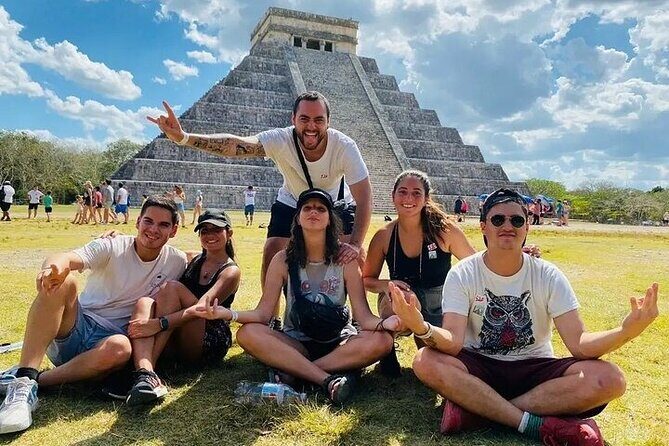
The tour is designed as a convenience play: you get transportation from Playa del Carmen, then a guided visit inside Chichén Itzá with your own time to explore. That’s a smart way to do the site if you’d rather not wrestle with separate tickets, confusing meeting points, or unreliable local logistics.
Inside Chichén Itzá, you’ll buy your entrance ticket at the site. In other words, the tour handles transportation and interpretation, while the main gate fee is on you. Once you’re in, your experience splits: you’ll hear from the guide, then you’ll have freedom to walk at your own pace.
This matters because Chichén Itzá isn’t a “one viewpoint” place. There’s a lot to see: Maya carvings, major buildings, and symbolic structures. Having time that isn’t micromanaged is useful because you can linger where your curiosity lands—whether that’s the grand temple area or the surrounding groups of structures.
Chichén Itzá with a real archaeology guide: what to focus on
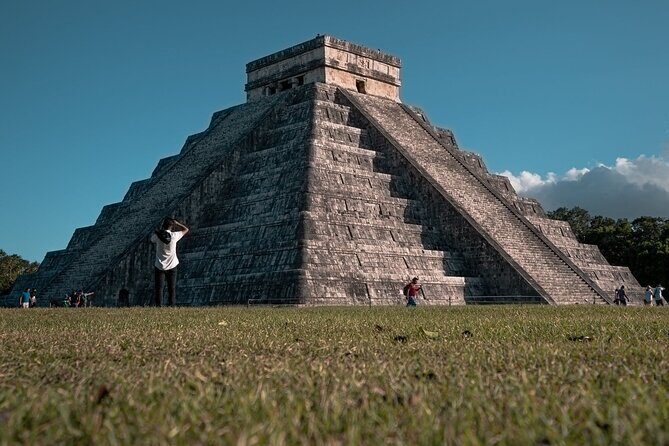
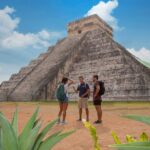
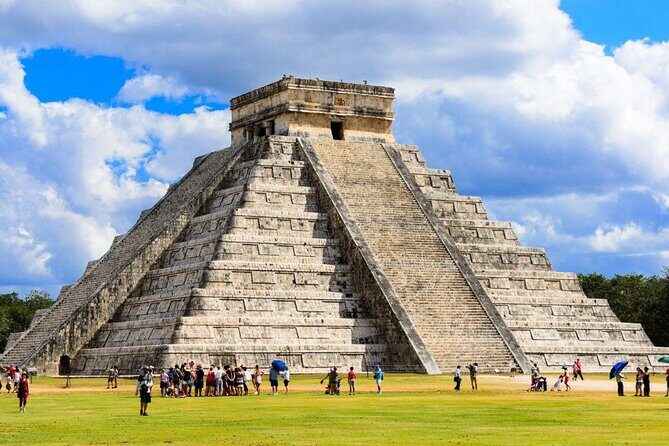
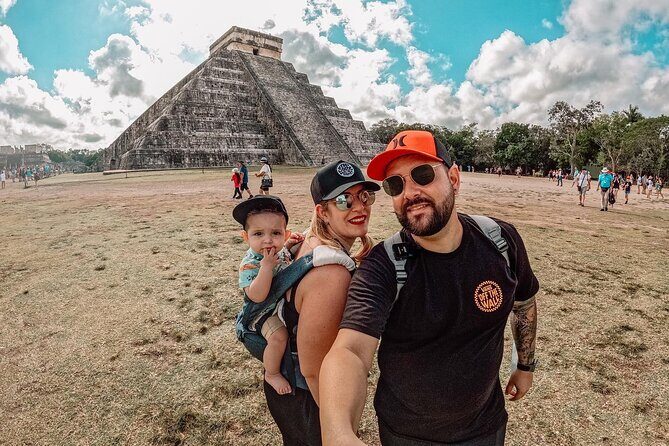
Chichén Itzá is the star attraction for a reason. The guide-led portion centers on major landmarks tied to Maya beliefs and engineering, including the Temple of Kukulcán (the famous feathered serpent), plus the Temple of the Warriors, the Great Ball Court, the Temple of the Jaguar, and areas like the Thousand Columns Market. You’ll also hear about the Chacmool statue.
The best value here is not the names—it’s the meaning. The tour format is built so you understand why these structures were important to the Mayas, including connections to astronomy, mathematics, and architecture. Even if you already know the “big famous temple” story, a guide-led explanation tends to make the rest of the site click.
A practical strategy: in your free time, use the guide’s framing to choose your path. Instead of trying to see everything at once, aim for a small set of must-sees and let the rest be a bonus. With only a limited time window, this approach keeps the day from feeling like a blur of standing and snapping photos.
One more thing: because entrance is not included, be ready with cash or card for the ticket when you arrive at the gate area. If you’re counting on a smooth, fast start, that ticket step is the one part you control least.
Sacred cenote swim at Cenote Saamal: rules, timing, and comfort
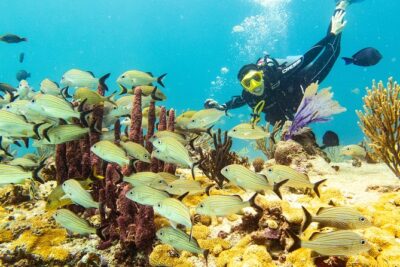
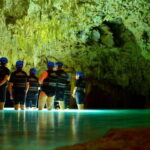
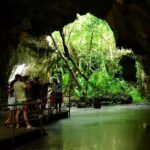
After the ruins, you’ll head to Cenote Saamal. This is where the tone shifts from ancient stone to cool, clear water. The cenote stop is about an hour, which is usually just enough time to change into swimwear, walk around a bit, then actually enjoy a swim.
The cenote visit includes entry/admission. But swimming has a catch: a vest is mandatory if you want to swim. That means you should plan either to rent/buy what’s required on site or to have the right gear ready through the tour’s process.
The practical payoff is real. Cenotes are not a theme-park splash. You’re in a natural sinkhole setting, and the water feels different from a pool—cooler, quieter in pockets, and more physical on the skin when you first get in. Since it’s a shared experience, it can get busy, so you’ll enjoy it more if you go with a flexible mindset: swim first if you want the calm, then take your time afterward.
What to bring for a smoother cenote moment:
- A small dry bag or waterproof phone pouch
- Quick-dry towel or a plan for damp clothes afterward
- Water shoes if you’re the type who hates slippery footing
- A change of top and socks for the bus ride home
Valladolid in 20 minutes: make a quick stop count
Valladolid is a colonial-town contrast to the Maya sites and water. The stop is short—around 20 minutes—so treat it like a taste, not a full day.
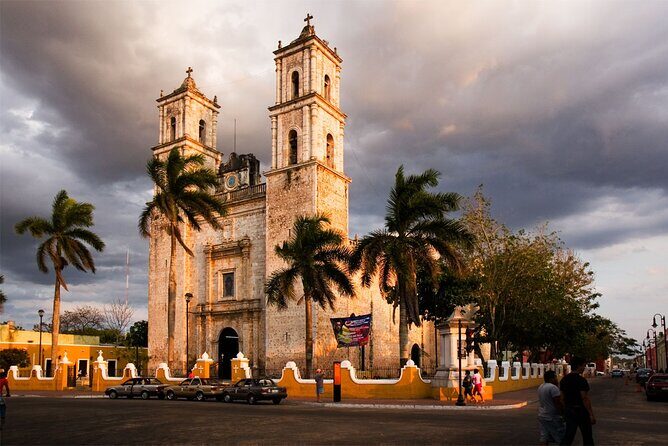
During that brief window, you’ll get the basics: a look at the church area, chances to see dancers (when scheduled), and the chance to stroll stalls where you can try local snacks like marquesitas or buy small crafts.
Here’s how to make the most of it without rushing yourself into annoyance:
- Decide your goal in advance: snack, photos, or a quick browse for handcrafts
- Keep your feet moving but not frantic
- If you see a snack line, order fast—this is the kind of stop where time evaporates
Also, if you love wandering neighborhoods, you may feel the short duration. That’s not a flaw; it’s just the math of cramming ruins + cenote + town into one day.


Lunch and the reality of included food
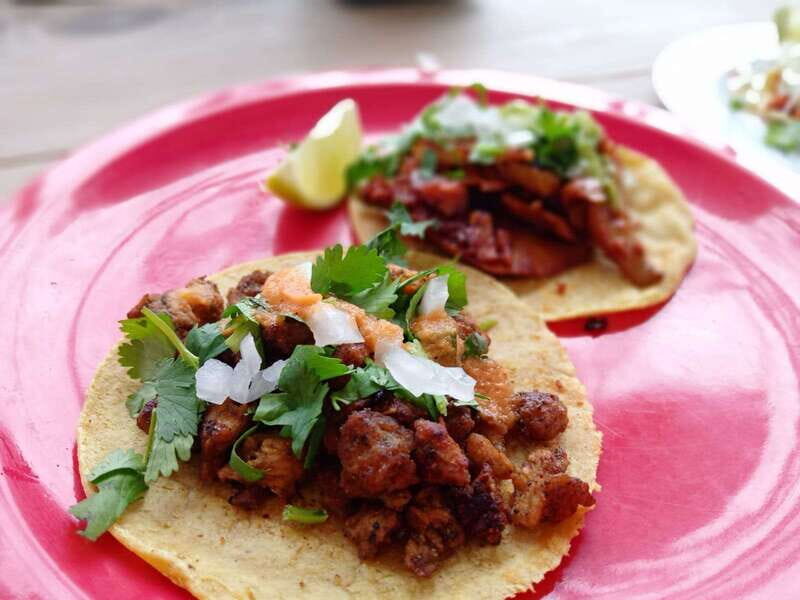
A big reason this tour gets recommended is the inclusion of a Mexican buffet lunch. Between Chichén Itzá and the cenote, hunger can turn a great day sour fast, and a proper lunch stop helps keep energy steady.
Buffet meals in tours usually mean you can find something you like quickly, and that’s the point. If you eat simply, this is easy. Some people have noted pasta and salad for vegetarian-friendly options, which suggests the buffet tends to offer at least basic variety plus dessert.
My practical advice: eat, then plan a little buffer time after your meal. If you’re the type who forgets water until you’re thirsty, that’s also the moment to fill up.
The shopping stop near Xocenpich: support versus upsell
One part of the day that deserves your attention is the Mayan Store stop and related shopping experience near an outlet called Xocenpich. This is where the tour’s good intentions can blur into overpriced sales.
Here’s what you should take seriously: you may be encouraged to buy higher-priced items in the name of supporting the local Maya community, and some purchases can feel less like unique souvenirs and more like tourist-marked-up products. One detail that stood out is that you might receive a receipt tied to a claim process described as a federal incentive (including a 16% refund/claim at the airport). Even with that kind of policy, it still leaves you with the upfront risk of paying too much.
So what do you do if you want to support artisans without getting steamrolled?
- Set a souvenir budget before you arrive
- Buy one small item you truly want, not a stack of impulse buys
- If you’re unsure, pass and just enjoy the day’s main sights
- Avoid buying something because a staff member says it’s the only option
This is also why I like that the rest of the day has such strong anchors. Even if the shopping stop isn’t your favorite, you’re still getting the heavy hitters: Chichén Itzá and the cenote.
Guides, language, and group flow (Eduardo, Hugo, Lalo, and more)
A big part of why this tour rates highly is guidance quality. Guides named in the experience include Eduardo and Hugo, Lalo, and others such as Josue and Ruth, plus Santiago and Roberto. The pattern is consistent: guides aim to explain stories behind structures and keep the group moving smoothly.
Language can be a factor. The tour is offered in English, but some days run bilingual flow. If you only understand English and the guide speeds up, you might miss some details. That doesn’t stop you from enjoying the major sites—it just affects how much you take in.
Group flow matters too. A few comments point to occasional pickup hiccups, including switching buses. That’s not unusual with big group logistics early in the morning, but it means you should arrive ready, keep your phone for updates (if it works), and stay calm if you get rerouted.
One more comfort note: people have wished for functioning wifi on the bus. Since that’s not guaranteed, don’t rely on it for the long ride. Bring offline music, downloaded maps, or just plan to rest.
Budgeting the real cost: $33 plus the mandatory add-ons
This is where you should do a quick reality check before you book. The listed price is $33.00 per person, but you should factor in these additions:
- A mandatory boarding fee of 820.00 MXN per person when you board the bus
- Chichén Itzá admission is not included, so you’ll buy the ticket at the site
- A vest is mandatory if you want to swim in the cenote
Meanwhile, the tour does include:
- Round-trip air-conditioned transportation
- Mexican buffet lunch
- Cenote Saamal admission
- Valladolid stop
- A visit connected to the Mayan Store
- Certified archaeology-focused guides
So is it good value? Usually yes, because you’re paying for guided interpretation, a full-day routing plan, and included lunch. But the money can feel confusing if you only look at the headline price. If you budget for the boarding fee and the entrance ticket up front, the rest reads like a pretty efficient way to cover a lot of Yucatán in one day.
Who this tour fits best (and who should consider a different plan)
This is a strong fit if you:
- Want Chichén Itzá plus cenote plus Valladolid without planning every step
- Like learning as you go, with guides who explain Maya connections to astronomy and engineering
- Prefer group logistics with comfort (AC bus, lunch stop)
This might be less ideal if you:
- Hate shopping stops tied to tourist pricing
- Want lots of free time in Valladolid (you only get around 20 minutes)
- Need lots of downtime between stops
If you’re a first-time visitor to the Yucatán region, this tour makes sense because it gives you big, iconic experiences in one schedule. If you already have deep museum-level knowledge of Maya history, you may still appreciate the guide, but you might focus more on the ruins and less on the explanation segments.
Should you book this Chichén Itzá, cenote, and Valladolid tour?
I’d book it if you’re ready for a full day with a clear focus: major sites, guided context, included lunch, and easy transportation. The guides named in the experience seem to drive the quality, and the structure works well for most people who want a do-it-all day without hassle.
I’d think twice if you dislike shopping pressure or want maximum time in town. Valladolid is quick, and the shopping portion can be where some days lose people’s patience. If you do book, go in with a plan: budget your optional purchases, bring what you need for the cenote vest rules, and treat the whole day as a well-run sprint rather than a slow travel day.
FAQ
What time does this tour start from Playa del Carmen?
The tour starts at 6:00 am, with pickup time or meeting point confirmed after booking.
Is lunch included, and what kind is it?
Yes. The tour includes a Mexican buffet lunch.
Do I need to pay for Chichén Itzá entrance?
Yes. Entry/Admission – Chichén Itzá is not included, and you purchase your entrance ticket at the archaeological zone.
Is entry included for the cenote?
Yes. Entry/Admission – Sacred Cenote is included, and the stop is at Cenote Saamal.
Do I need a vest to swim in the cenote?
Yes, a vest is mandatory if you want to swim.
What’s the main language of the tour?
The tour is offered in English, and you may experience a mix of English and Spanish during the day.