REVIEW · MERIDA
Casa Cacao – Journey From Cacao Bean to Chocolate
Book on Viator →Operated by Josh Nisenfeld · Bookable on Viator
Chocolate starts with a bean. In Casa Cacao, you learn how cacao moves from plantation life to the cup and then to the chocolate bar. You’ll taste Mexican-style chocolate, grind roasted beans with traditional ingredients, and make your own chocolate bar to go.
I especially like the hands-on pace: you’re not just watching, you’re doing. And the vibe is personal because the class caps at 7 travelers, so Josh Nisenfeld can answer questions without rushing you.
One possible drawback: with an approx. 2-hour format, the process runs fairly quickly. If you want a long, slow deep study or a full-day excursion, this may feel a bit fast.
In This Review
- Key things to know before you go
- From cacao beans to chocolate in Mérida’s Centro
- What actually happens during the workshop
- 1) Cacao bean “cast” and what each type teaches you
- 2) Roasting and the grind: the workshop moves from theory to texture
- 3) Traditional chocolate drink tasting
- 4) The modern side: turning the craft into a bar
- Tasting dark, milk, and white without losing the plot
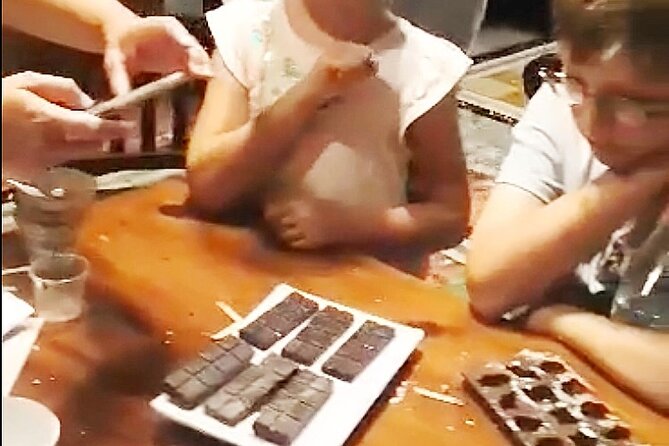
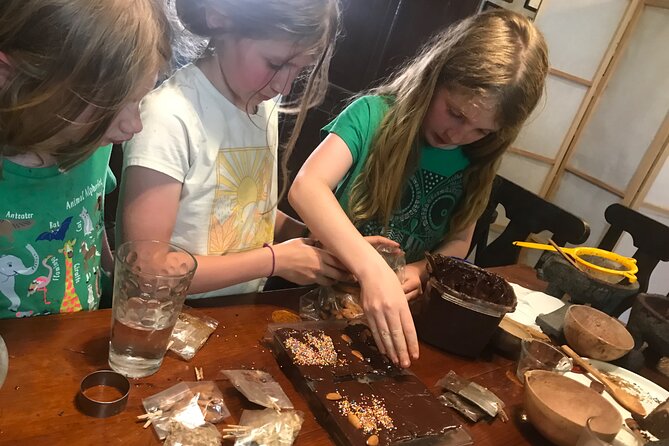
- Making your own chocolate bar to take home
- Why this class in Mérida’s Centro feels so personal
- Meeting point: where to start around Parque Santa Ana
- Who this chocolate class is best for (and who should skip it)
- Price and value: what you’re really paying for
- Should you book Casa Cacao in Mérida?
- FAQ
- How long is the Casa Cacao chocolate tour?
- Where does the experience start and end?
- What will I do during the workshop?
- Is the tour offered in English?
- How many people are in a group?
- What chocolate items are included for tasting?
- Are mobile tickets used?
- Is free cancellation available?
- Is a service animal allowed?
Key things to know before you go
- Small group size (max 7): more time asking questions, less waiting around.
- Bean-to-bar focus: you’ll examine cacao types and connect the dots from bean to chocolate.
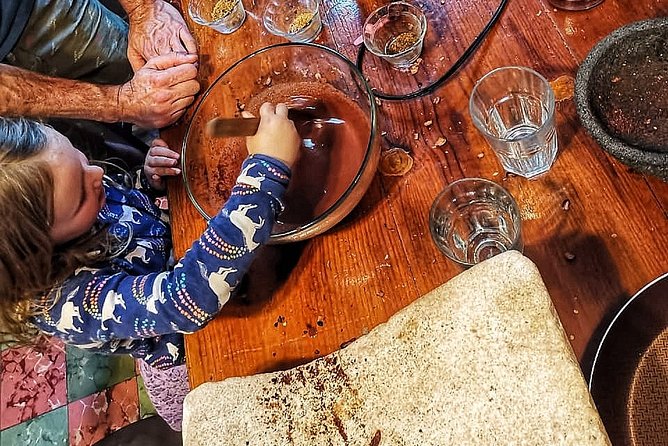
- Grind + mix session: you’ll work through the roasted-bean grind and traditional ingredients.
- Tasting the Mexican chocolate drink: you’ll sample a beverage style enjoyed in Mexico for generations.
- Make-and-take bar: you’ll leave with your own molded chocolate bar.
From cacao beans to chocolate in Mérida’s Centro
If you’re in Mérida and you like food experiences that actually teach you something, Casa Cacao is a strong pick. It’s called Journey From Cacao Bean to Chocolate, and that’s the point: you connect the sensory story (smell, texture, taste) with the craft story (how chocolate is made).
The workshop also has that rare mix of old and new. You’ll spend time on the traditional Mexican side—especially the chocolate drink—then you’ll shift to modern chocolate techniques when you make your own bar. The result is a class that feels practical, not just pretty.
And yes, it’s a real small-group format. With a maximum of 7 travelers, you’re more likely to get your questions answered in the moment. That matters here, because chocolate making is the kind of topic where people usually have a hundred small questions: Why this bean type? What’s the texture supposed to be? How do you know it’s ready?
You can also read our reviews of more tours and experiences in Merida.
What actually happens during the workshop
Your time starts at C. 49 499b, Parque Santa Ana, Centro, and it ends back where you began. Plan for about two hours total, and come ready to taste things and get your hands involved.
Here’s the flow you can expect:
1) Cacao bean “cast” and what each type teaches you
You’ll examine different types of cacao beans and learn about what’s different between them. This part matters more than you might think. Most chocolate tasting in stores is about branding. This class shifts the focus to the ingredient itself—so later, when you taste the chocolate, you’re not just guessing. You’ll have a framework.
This is also where the class earns trust. Josh Nisenfeld has a warm, patient way of explaining the process and the cultural context, and he’s willing to answer questions rather than just deliver a script. That’s a big reason people give the experience such high marks.
2) Roasting and the grind: the workshop moves from theory to texture
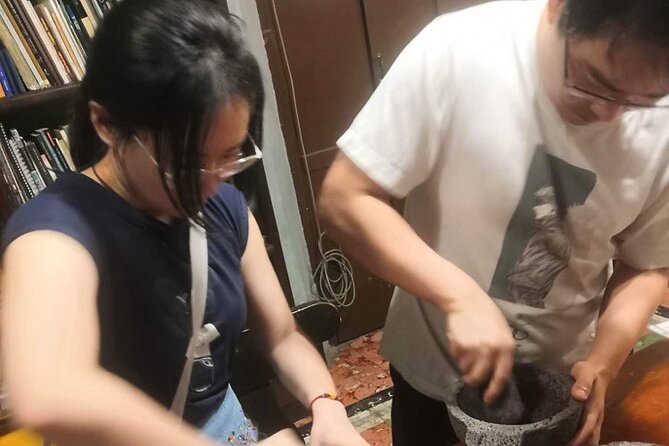
Next comes the practical work. You’ll grind roasted beans and mix them with traditional ingredients. This is the moment where chocolate stops being a concept and becomes something you can feel.
Grinding changes everything: the aroma deepens, the texture shifts, and you start to understand why chocolate has that thick, almost cocoa-dust character. When you do the grind yourself, you also better understand why chocolate-making isn’t just sweetness. It’s processing.
If you’re the type who learns best by doing, you’ll like this stage a lot.
3) Traditional chocolate drink tasting
After the grind and mixture, you’ll taste the beverage that has been consumed in Mexico for millennia. I like that the class doesn’t only focus on modern bars. It connects chocolate to how it’s historically been enjoyed—as a drink, not just candy.
The tasting also gives you a chance to compare notes. You’ll be learning while your senses are working, which makes the explanations stick.
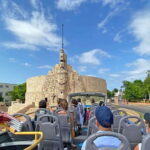

4) The modern side: turning the craft into a bar
Once you’ve tasted and understood the older-style chocolate experience, the class moves into modern production. You’ll discover how the process changes when chocolate becomes a bar you can mold and take home.
This transition is helpful if you’re the kind of traveler who wants both context and a souvenir. You don’t just learn how chocolate used to be made. You learn how it becomes what you buy today.
Tasting dark, milk, and white without losing the plot
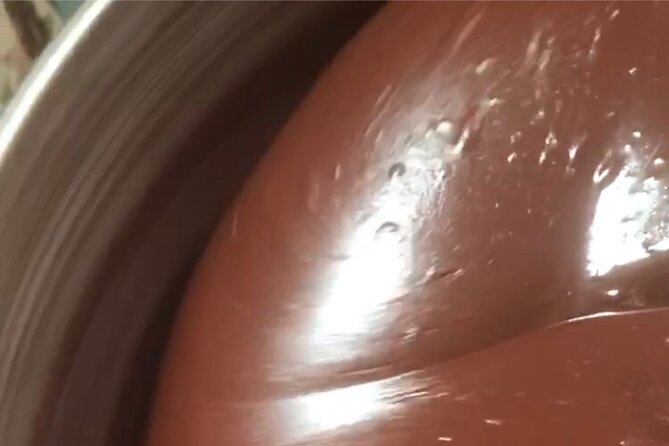
The sample lineup includes dark chocolate, milk chocolate, and white chocolate. Instead of treating these as random tastes, I’d use them as checkpoints.
Here’s a simple way to get more value out of the tasting:
- Start by noticing aroma first, then texture.
- Compare how sweet each sample feels, since sweetness is where people get most surprised.
- Pay attention to how each one behaves in your mouth: dark can feel drier or more bitter; milk often feels smoother; white is usually the sweetest and most cocoa-butter-forward.
If you go in thinking it will just be a snack stop, you’ll miss the teaching part. But if you treat it like a guided flavor comparison, you’ll come away with a better sense of why chocolate varieties taste the way they do.
Making your own chocolate bar to take home
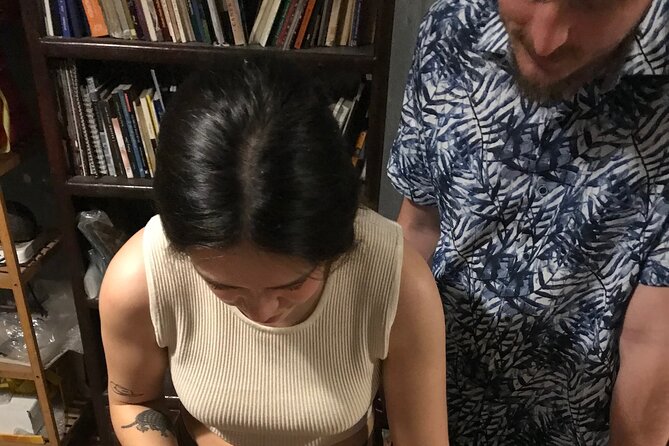
This class doesn’t end with tasting. You’ll make a chocolate bar and take it with you, which is one of the best reasons to book.
A take-home bar is more than a souvenir. It’s a memory tool. When you make the bar yourself—especially after tasting chocolate drink—you anchor the concept in something tangible you can eat later.
Also, the “make” part keeps the energy up. With only about two hours total, you need activities that keep you engaged. Making the bar does that, and it gives you a sense of accomplishment before you walk back into Mérida.
Why this class in Mérida’s Centro feels so personal
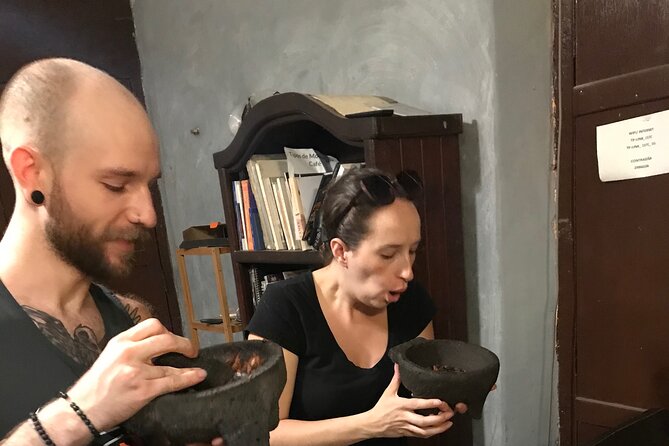
Casa Cacao takes place in a building in a famous neighborhood area of Centro, near Parque Santa Ana. That’s convenient because you can pair it with an evening stroll or dinner without needing a long commute.
But the biggest reason this experience lands well is the host approach. Josh Nisenfeld comes across as calm and attentive, and he guides patiently through each step. People also call out his warm, welcoming style and his ability to explain the history and process clearly.
Two practical advantages of that personality type:
- When you miss a concept, you can ask and reframe quickly.
- You’re more likely to learn something useful, like what to look for when you buy chocolate later.
One fun tip: ask Josh about honey bees. If he brings it up in conversation, it’s a good example of how the class connects cacao to the wider ecology and food system.
And if you want local guidance, Josh can also share suggestions for places to eat and things to do around Mérida—handy when your schedule is tight and you want to avoid guesswork.
Meeting point: where to start around Parque Santa Ana
The meeting point is:
C. 49 499b, Parque Santa Ana, Centro, 97000 Mérida, Yuc., Mexico.
It’s the same place where the activity ends, so you don’t have to worry about complicated logistics. The location is also near public transportation, which is useful if you’re planning your day around other sights.
If you’re using a mobile ticket, make sure you have it ready before you arrive. In workshops like this, being on time helps you start tasting and making without feeling behind.
Who this chocolate class is best for (and who should skip it)
You’ll probably love Casa Cacao if you want:
- A food experience that teaches you processes, not just flavors
- Hands-on making, including grinding and assembling a bar
- A small-group class where you can ask questions in English
- Traditional Mexican chocolate context plus modern chocolate technique
You might want to skip it if:
- You hate guided instruction and prefer self-guided tours only
- You’re expecting an all-day cacao plantation trip rather than a compact workshop format
- You’re only interested in buying chocolate and not learning the craft
For families: it’s a short class and has a friendly vibe. Just note that it’s still a workshop with active making, tasting, and listening.
Price and value: what you’re really paying for
No specific cost is provided here, but you can still judge value by what you get in the 2-hour window:
- You’re tasting multiple styles of chocolate
- You’re learning how cacao types connect to chocolate outcomes
- You’re doing real work (grinding and mixing with traditional ingredients)
- You’re making a molded chocolate bar to take home
That combination is why this feels like more than a quick tasting. A lot of chocolate experiences stop at sampling. Here, you leave with understanding plus something edible you created.
Also, the cap of 7 travelers is part of the value. It reduces waiting time and increases interaction, especially during the hands-on parts.
Should you book Casa Cacao in Mérida?
Book it if you want a compact, rewarding chocolate workshop with a high teacher-to-student feel. The format fits well into a travel schedule, and the biggest win is that you both taste and make, led by Josh Nisenfeld in English.
Don’t book it if you need a slow, long, farm-style excursion. This is a workshop experience—smart, practical, and hands-on—rather than a multi-day, behind-the-scenes plantation journey.
If you’re deciding between a casual chocolate stop and a class with real craft, Casa Cacao is the choice that pays back quickly.
FAQ
How long is the Casa Cacao chocolate tour?
It lasts about 2 hours (approximately).
Where does the experience start and end?
You meet at C. 49 499b, Parque Santa Ana, Centro, 97000 Mérida, Yuc., Mexico, and the activity ends back at the same meeting point.
What will I do during the workshop?
You’ll examine different types of cacao beans, learn about the process before chocolate is made, grind roasted beans with traditional ingredients, taste the traditional Mexican chocolate beverage, and make your own chocolate bar to take with you.
Is the tour offered in English?
Yes, it’s offered in English.
How many people are in a group?
The experience has a maximum of 7 travelers.
What chocolate items are included for tasting?
The sample menu includes dark chocolate, milk chocolate, and white chocolate.
Are mobile tickets used?
Yes, the tour includes a mobile ticket.
Is free cancellation available?
Free cancellation is available. You can cancel up to 24 hours in advance of the experience for a full refund.
Is a service animal allowed?
Yes, service animals are allowed.