REVIEW · CANCUN
5 Days Mayan Heritage History Tour
Book on Viator →Operated by Special Mayan Tours Cancun · Bookable on Viator
Mayan ruins can feel overwhelming. This 5-day route keeps you moving while staying focused on the story behind each site. I like the small group size (max 10) because it’s easier to ask questions and actually hear the guide over the crowd noise. I also appreciate that the plan includes entrance fees and four nights of lodging, so you’re not constantly doing on-the-fly ticket math. One drawback to weigh: it’s a lot of driving and site time, so if you want a slow, leisurely pace, this may feel tight.
What I find smart is the mix of famous stops plus lesser-visited places where the details matter. You get big hitters like Tulum and Palenque, then you move through sites like Becan and Chicanná that help you understand how the Maya built, ruled, and wrote. Still, you should be ready for a day that can run long, especially when the itinerary stacks multiple ruins on the same day.
This tour also has a real “guide quality” factor. The best days hinge on whether your guide keeps a steady pace and answers questions well. You’ll want to bring patience and a few practical expectations—then you can get a whole lot out of the ruins.
In This Review
- Key takeaways before you go
- Why this 5-day Mayan Heritage route works for your time
- Price and value: what you’re really paying for
- Pickup, group size, and the start time reality
- Where you sleep: what to expect from the included hotels
- Day 1: Tulum and Kohunlich—coastal drama, then sun-god detail
- Stop 1: Tulum (2 hours)
- Stop 2: Kohunlich (1 hour 30 minutes)
- How Day 1 sets you up
- Day 2: Becan, Chicanná, then Misol-Ha for a reset
- Stop 1: Becan Archaeological Zone (1 hour)
- Stop 2: Chicanná (1 hour 30 minutes)
- Stop 3: Cascadas de Misol-Ha (1 hour)
- Day 3: Palenque’s Pakal + an 8-hour colonial break in Campeche
- Stop 1: Palenque (2 hours)
- Stop 2: Centro Histórico de San Francisco de Campeche (8 hours)
- Day 4: Edzná and Uxmal, then overnight in Mérida
- Stop 1: Edzná (1 hour 30 minutes)
- Stop 2: Uxmal (2 hours)
- Stop 3: Cathedral de Mérida (8 hours) + overnight
- Day 5: Chichén Itzá—your finale with the New Seven Wonders angle
- Chichén Itzá (2 hours 30 minutes)
- The guide factor: how to maximize your learning (and avoid a rushed day)
- Meals and downtime: plan your food budget and your breaks
- Who this tour suits best
- Should you book this 5-day Mayan Heritage History Tour?
- FAQ
- What time does the tour start?
- Where can the pickup happen?
- How big is the group?
- What’s included in the price?
- Are meals included?
- Are entrance tickets included?
- What hotels are included for the four nights?
- Is there a mobile ticket?
- What language is the tour offered in?
- What’s the cancellation deadline for a full refund?
Key takeaways before you go
- Small group, max 10 travelers means more conversation time and less waiting around.
- Entrance fees included helps you avoid the scramble and keeps the schedule cleaner.
- Hotel pickup from Cancun or Playa del Carmen reduces friction on travel days.
- Four nights included lets you focus on the sites instead of booking nightly stays.
- Multiple “write-up” sites like Chicanná give you more than postcard views.
- A packed route trades rest time for variety, especially around Palenque, Campeche, Mérida, and Chichén Itzá.
Why this 5-day Mayan Heritage route works for your time
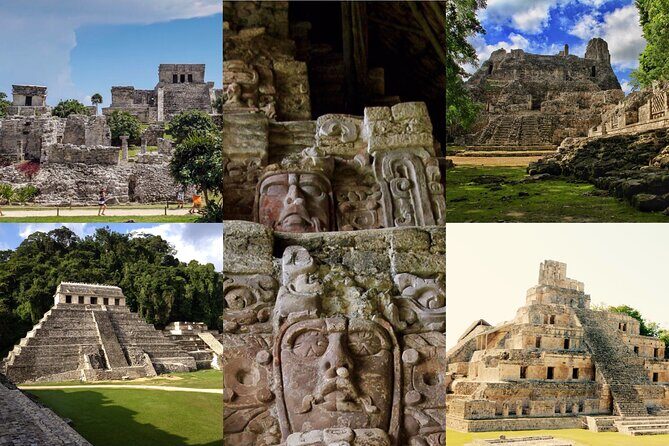
This trip is built for you if you want Mayan history in a single, logical arc—coastal viewpoints, then inland dynasties, then the big ceremonial centers. Instead of doing one region and going home, you connect the dots across different styles of architecture, city planning, and cultural clues.
The value isn’t just that you see famous ruins. It’s that you see how the Maya expressed power and meaning through building design. Sites like Palenque and Edzná center on rulers and monumental craft. Other stops lean more into daily city life and the “reading” of stone—writing marks, decorative programs, and symbolism you can spot if your guide points it out.
Also, the small group cap matters. With up to 10 people, you’re less likely to get stuck behind a long line while the group shuffles. The better your guide, the more time you’ll spend learning instead of waiting.
You can also read our reviews of more historical tours in Cancun

Price and value: what you’re really paying for
At $1,195 per person, the headline number looks steep until you break down what’s included.
You’re paying for:
- Four nights of accommodation (not just a hotel voucher)
- All admissions to the archaeological sites
- A driver/guide and the transport between sites
- Planned activities across multiple regions
- Pickup from hotels in Cancun or Playa del Carmen
- A mobile ticket for the experience
What’s not included is meals and drinks. That’s normal for this style of tour, but it does mean your personal food budget matters. The good news: the guide staff can recommend places to eat, and you’ll have stops where you can grab real food when the schedule allows.
If you hate juggling tickets, converting currency at each entrance, and coordinating rentals between far-flung sites, this price starts to make sense. You’re paying for reduced stress and a guided route that’s hard to DIY cleanly in the same 5 days.
Pickup, group size, and the start time reality
The tour starts at 7:30 am, with pickup available from any hotel in Cancun or Playa del Carmen. The exact meeting point isn’t your job here; you just use your hotel name when you book if it’s not listed.
With a max of 10 travelers, you should expect smoother logistics than big bus tours. Still, remember: you’re on a fixed itinerary. You’ll trade flexibility for a schedule that hits key sites efficiently.
One practical tip: plan on wearing comfortable shoes and bringing a light layer. This is a morning-heavy start, and you’ll be outside for most of your ruin time.
Where you sleep: what to expect from the included hotels
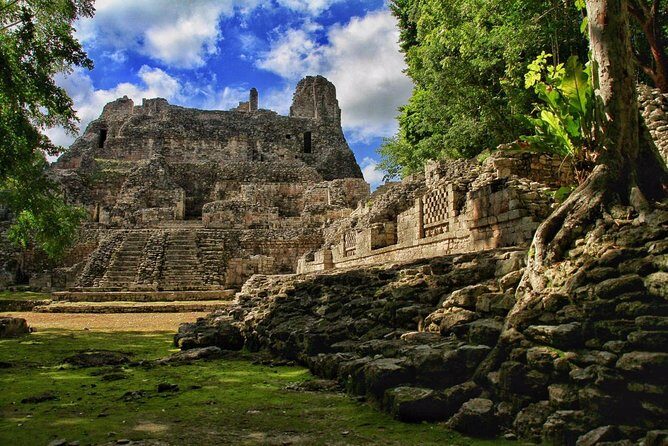
The tour includes four nights across four different properties:
- Night 1: Calakmul Xpujil
- Night 2: Nutuntun Hotel
- Night 3: H177 Hotel
- Night 4: Gran Real Yucatan or Los Aluxes Hotel
That spread is a big part of the value. You’re not commuting back to one base every night. You’ll wake up closer to the next set of ruins, and that’s how the itinerary stays feasible.
From the feedback I’d pay attention to, the accommodations include real comfort basics like air conditioning and often have swimming pools, which helps when you have a long road day and want an easy reset.
Day 1: Tulum and Kohunlich—coastal drama, then sun-god detail



Stop 1: Tulum (2 hours)
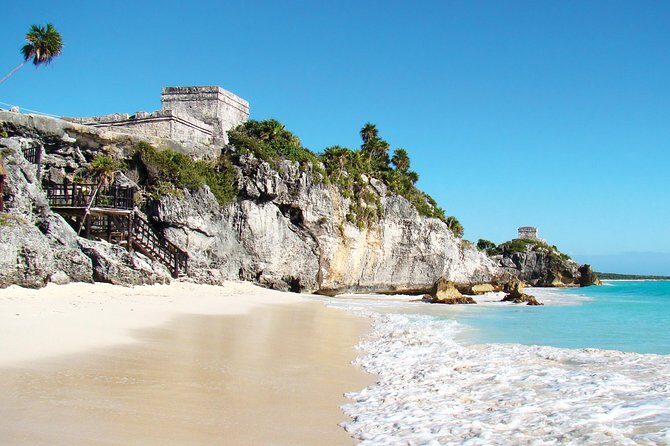
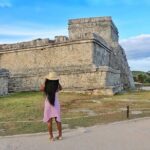
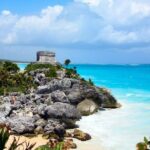
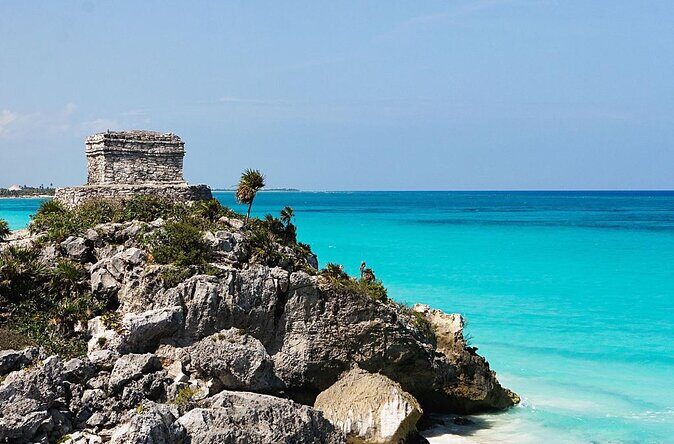
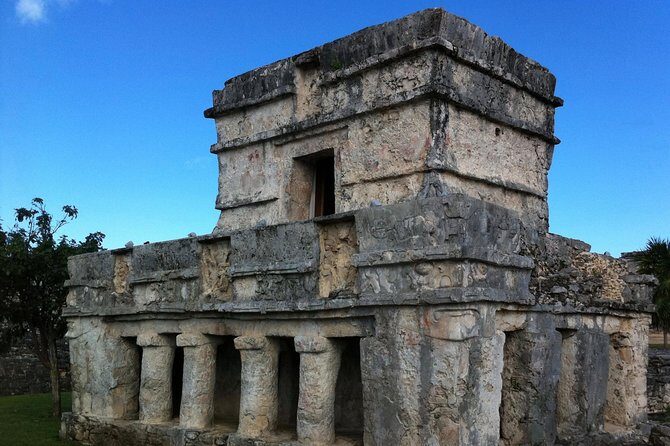
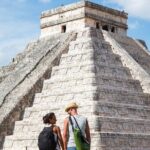
Tulum is one of those places that feels different right away. It sits with a strong sense of place—ruins above the landscape, with the ocean and sky shaping what you see. Expect a classic first-day foundation: the guide usually frames what you’re looking at and why it matters.
Why it’s worth your time on this tour: it gives you an immediate mental map of how Maya structures relate to their surroundings. Even if you’ve seen photos, walking the site on foot with explanations changes how you interpret it.
Possible drawback: since it’s popular, you may want to arrive ready to focus even if the area is busy.
Stop 2: Kohunlich (1 hour 30 minutes)
Then you shift to Kohunlich, known for the impressive masks of the Mayan Sun God. This is a great contrast to Tulum. If Tulum is about location and monumental views, Kohunlich is about imagery, religious themes, and how the Maya used sculpture to project meaning.
How Day 1 sets you up
By the time you reach your first hotel night, you’ve seen a coastal presence and then moved into a more symbol-heavy stop. That combo makes your later “ruler and writing” sites easier to understand.
Day 2: Becan, Chicanná, then Misol-Ha for a reset
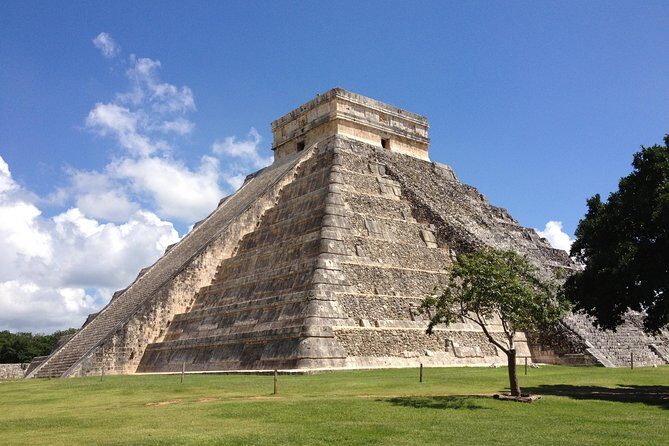
Stop 1: Becan Archaeological Zone (1 hour)
Becan is surrounded by a defensive setup, built like an ancient city with walls and a moat. This is the kind of place where you start noticing city planning more than single buildings.
What you’ll get out of it: context. The Maya didn’t build randomly; they organized space, managed access, and made their cities legible in the landscape.
Stop 2: Chicanná (1 hour 30 minutes)
Chicanná is a highlight if you care about the Maya writing system. The stop is designed around the idea that you can still see evidence of writing on the walls.
This is one of those moments where a good guide really pays off. If your guide points out what you’re looking at—rather than just naming structures—you’ll leave with a stronger sense of how communication and power intersected.
Possible drawback: you’ll likely move at a guided pace, and there’s only so much time to absorb writing details. If you’re the type who loves to study stone closely, plan to ask smart questions early.
Stop 3: Cascadas de Misol-Ha (1 hour)
After ruins, you get Misol-Ha waterfalls near Palenque, with time for quick pictures and even a swim if conditions allow. It’s a needed break in a schedule that otherwise is all walking and heat.
Practical note: bring swim gear if you think you’ll use it. If not, at least pack something you’re comfortable getting wet in for the photo spots.
Day 3: Palenque’s Pakal + an 8-hour colonial break in Campeche
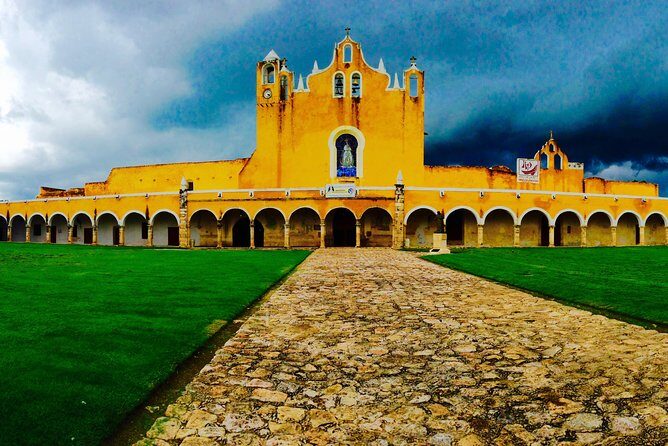
Stop 1: Palenque (2 hours)
Palenque is where the story gets personal and dramatic. It’s home to Pakal the Great, and the tour centers on his tomb—discovered in 1952—with one of the most famous Mayan art pieces: Pakal’s funerary jade mask.
This stop is ideal if you like history tied to specific rulers and discoveries. Even during a shorter visit window, Palenque tends to deliver big payoffs because the site has strong visual anchors for the guide to explain.
Stop 2: Centro Histórico de San Francisco de Campeche (8 hours)
Then comes a long, slow(er) day compared to earlier stops. Campeche’s historic center is a colonial town by the ocean, tied to Spanish history and the pirate-era tension that shaped coastal defenses.
Why this matters: you’re not only learning ancient Maya culture. You’re also seeing how later history reused and transformed regional importance. The guide usually helps connect those eras in a way you can actually follow.
Day 4: Edzná and Uxmal, then overnight in Mérida
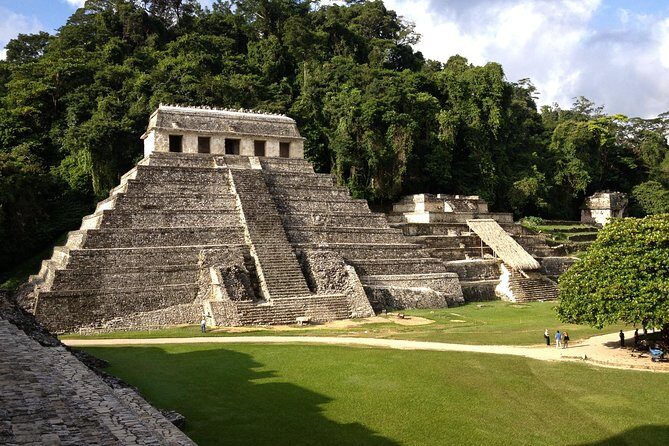
Stop 1: Edzná (1 hour 30 minutes)
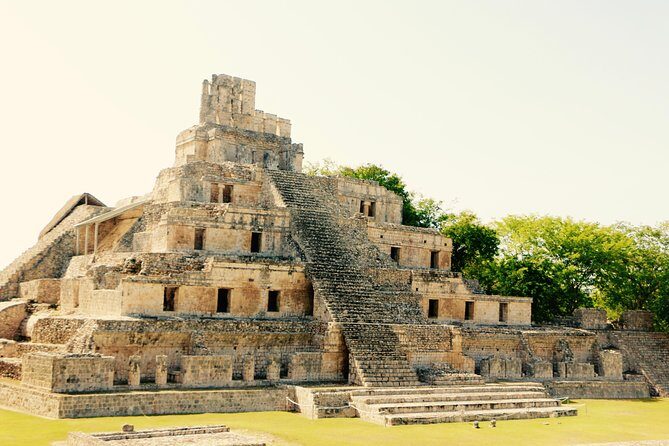
Edzná is described as the birthplace of a major Maya dynasty of kings linked to the Itzá. The highlight is the temple of the 5 stories, which is often the kind of structure that makes you pause and rethink scale.
Even if you’re not a “stair counter,” this is one of the stops where the guide’s explanation can turn what seems like an ordinary ruin into something more meaningful.
Stop 2: Uxmal (2 hours)
Uxmal is known as a “three times built” city and for its decorated style. The point of this stop is to show you the Maya approach to decoration and city aesthetics—things that surprised travelers since the 19th century.
If you’re a detail person, Uxmal can reward you. If you’re more of a big-picture visitor, you can still enjoy it—just make sure your guide points out the patterns worth noticing.
Stop 3: Cathedral de Mérida (8 hours) + overnight
You’ll spend a long block in Mérida and visit the cathedral. Then you stay overnight in Gran Real Yucatan or Los Aluxes Hotel.
This long time window works in your favor if you want a breather. After days of stacked ruins, having a more town-focused day helps you decompress and get a feel for modern Yucatán city life.
Day 5: Chichén Itzá—your finale with the New Seven Wonders angle
Chichén Itzá (2 hours 30 minutes)
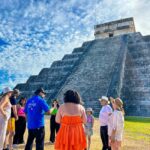
On the final day, the itinerary lands on Chichén Itzá, one of the best-known Maya sites in Mexico and listed among the New Seven Wonders.
This timing is smart because it closes with maximum recognition. It also gives your brain a running start: by this point, you’ve already seen multiple sites with different styles, so you’re more likely to notice what’s consistent—and what’s unique—here.
Practical expectation: it’s a major draw. Go with a focus on what your guide emphasizes, not just photos. If you get a guide who can connect symbolism, architecture, and Maya astronomy, you’ll get more than a checkbox visit.
The guide factor: how to maximize your learning (and avoid a rushed day)
This tour’s success story depends heavily on the guide.
On the plus side, there are examples of guides and drivers who made the day feel smooth and safe, like Max with driver Moises. There are also mentions of guides such as Abraham and Jose who went above and beyond with help and local recommendations, including restaurant choices and extra historical context.
On the watch-out side, there’s at least one unhappy account of a guide who moved too fast, answered questions poorly, and kept the group from slowing down for photos and food. That kind of experience is not what you want on a history-focused itinerary.
So here’s my practical advice: if your guide starts talking in a way that doesn’t match your pace, speak up early. Ask clear questions. And if food timing is tight, ask the guide to recommend a place for a real meal rather than quick snacks. You’ll get a better tour simply by being proactive.
Meals and downtime: plan your food budget and your breaks
Meals and drinks are not included. The tour includes stops where you can eat, and the guide can recommend local spots along the way. Still, don’t assume every day will give you a long, sit-down lunch.
Bring this mindset: treat meals as part of the day’s logistics. If you’re prone to getting hangry (or just want steady energy for walking ruins), plan to carry water and small snacks when appropriate.
Who this tour suits best
You’ll likely love this tour if:
- you want a guided route through top Maya sites without planning stress
- you care about history tied to specific rulers and discoveries (Pakal, dynasties, tomb finds)
- you enjoy a mix of famous ruins and lesser-known stops like Becan and Chicanná
- you’re comfortable with long driving days in exchange for variety
You might think twice if:
- you strongly prefer a slow pace with extra free time in each location
- you need lots of control over meal timing
- you get frustrated if the day runs tightly to keep the schedule
Should you book this 5-day Mayan Heritage History Tour?
Yes, book it if you want a structured, small-group way to connect Maya sites across regions—Tulum to Kohunlich, then Palenque and the colonial pause in Campeche, ending with Edzná, Uxmal, Mérida, and Chichén Itzá. The included admissions, lodging, and pickup reduce the friction that often makes Maya route planning a headache.
I’d book with extra confidence if you’re drawn to history explanations and you’re open to a packed itinerary. Just go in with realistic expectations about pace, bring your own energy strategy for meals, and don’t hesitate to ask questions early if you want the experience to stay history-forward.
FAQ
What time does the tour start?
The start time is 7:30 am.
Where can the pickup happen?
Pickup is available at any hotel in Cancun or Playa del Carmen.
How big is the group?
The tour has a maximum of 10 travelers.
What’s included in the price?
The price includes four nights of accommodation, all admissions to archaeological sites, all activities, and a driver/guide.
Are meals included?
No. Food and drinks are not included. The staff can recommend places to eat along the way.
Are entrance tickets included?
Yes, admissions to the archaeological sites are included.
What hotels are included for the four nights?
The listed hotels are Calakmul Xpujil (Night 1), Nutuntun Hotel (Night 2), H177 Hotel (Night 3), and Gran Real Yucatan or Los Aluxes Hotel (Night 4).
Is there a mobile ticket?
Yes, the tour includes a mobile ticket.
What language is the tour offered in?
It’s offered in English, and the tour may be operated by a multi-lingual guide.
What’s the cancellation deadline for a full refund?
You can cancel up to 6 days in advance of the experience for a full refund.