REVIEW · COZUMEL
Starfish, Stingrays and the Turtle Sanctuary Snorkel Tour
Book on Viator →Operated by Cozumel Tours and Excursions · Bookable on Viator
Unexpectedly close-up marine life is the point. This tour stacks three top snorkeling hits—the El Cielo sandbar for sea stars, stingray time in shallow water, and a turtle-focused stretch—served with an easygoing small-boat feel. I also like that snorkeling gear and even drinks plus a snack are built into the price, so you’re not doing extra errands mid-day.
Your best bet for a smooth day is the group size: this maxes out around 16 people, which helps the guides keep everyone moving. If you’re with guides like Felipe, Jose Carlos (Pepe), Ricardo, or Gustavo, the vibe tends to be patient and practical, with lots of hands-on help for figuring out where to look underwater. The main thing to consider is that turtle sanctuary expectations can be a little tricky—some people find the time spent on turtle-focused viewing doesn’t match what the title makes you picture.
In This Review
- Key things to know before you go
- Cozumel’s Reef Circuit, Done at Human Scale
- The Itinerary Stops: What Each Place Is For
- Playa El Cielo (the sandbar starfish stop)
- Columbia Reef (reef life and coral texture)
- Cozumel stop (a transit/area segment)
- Balones of Chankanaab (another strong marine area)
- Dzul-Ha Reef and Parque Nacional Arrecifes de Cozumel (protected waters)
- Columbia Reef again (a second shot at the highlights)
- Palancar Reef (classic reef wow-factor)
- Chankanaab Adventure Beach Park and Chankanaab Reef
- Paradise (Paraiso) Reef (final reef viewing)
- Starfish, Stingrays, and Sea Turtles: How the Sightings Usually Work
- Guides and Captains: The Difference Between Fun and Frustration
- Boat Comfort, Ladder Access, and Timing Reality
- Price and Value: $59 Plus the Marine Park Fee
- Getting There: Marina Asipona and the Meeting Point Game
- Who Should Book This Cozumel Tour
- Should You Book the Starfish, Stingrays, and Turtle Sanctuary Snorkel Tour?
- FAQ
- How long is the Starfish, Stingrays and the Turtle Sanctuary Snorkel Tour?
- What does the tour cost?
- What snorkeling gear is included?
- Are drinks and snacks included?
- Is the boat shaded?
- What is the group size limit?
- Where does the tour start and end?
- What language is the tour offered in?
- Do I need to pay a marine park fee?
- What happens if the weather is poor?
Key things to know before you go
- Small group, calmer boat time: With a limit of 16, it feels more controlled than the big party-boat scene.
- El Cielo starfish sandbar: A sandbar setting where you can see sea stars clearly and close to the surface.
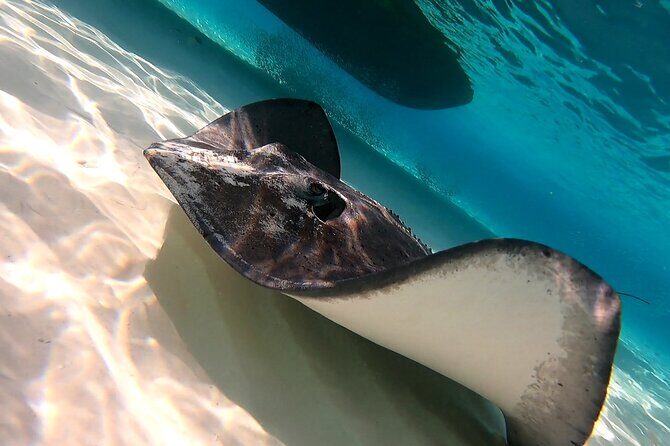
- Shallow stingray stop: You’ll spend time in very reachable water where rays often come by you.
- Gear and drinks are included: Mask, tube, and vest plus beers/water/sodas and a snack.
- A turtle stop, but not always what you expect: The tour name includes turtles, yet the exact turtle experience can vary.
Cozumel’s Reef Circuit, Done at Human Scale
Cozumel snorkeling can go two ways: chaotic, or actually manageable. This tour leans toward manageable. You’re not shepherded around a huge vessel with dozens of strangers. Instead, you’re on a shaded boat with a small ladder for easier water access, and trained guides keep the group together.
That matters because snorkeling is mostly timing and attention. If you get tossed off in the wrong place, or you spend more energy fighting logistics than watching fish, the reef starts feeling like a chore. Here, the schedule is built around multiple stops, so you get repeats of the best areas—reef, shallows, and a sandbar—rather than one long water hop.
You also get a practical “day package.” The tour includes snorkel gear (vest, mask, tube), plus drinks and a snack, so you can focus on the water. With a 4-hour window, that small comfort makes a difference.
You can also read our reviews of more tours and experiences in Cozumel.
The Itinerary Stops: What Each Place Is For
The route is designed as a progression: start with a classic Cozumel reef/sandbar moment, then work through shallower viewing for the animals you came for, then finish with more reef time.
Here’s how the stops fit together and what to watch for.
Playa El Cielo (the sandbar starfish stop)
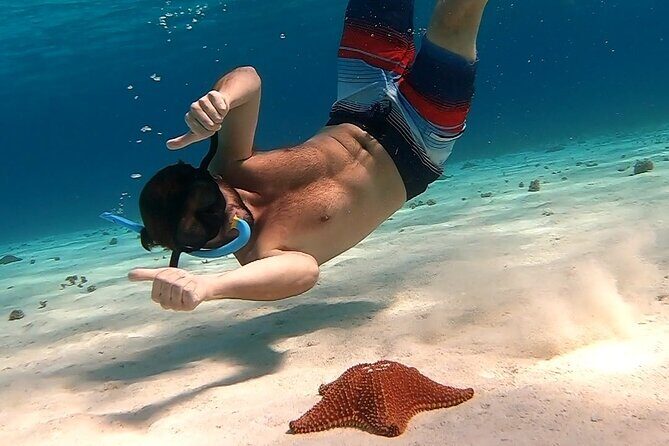
This is the reason many people book. El Cielo is known for its shallow sandbar feel and sea stars that you can often spot with less effort than you’d need on a deeper reef. Plan to move slowly in the water and keep your eyes low to find the motion and shapes on the sand.
What’s great about a sandbar stop is that it tends to work for a wide range of comfort levels. Even if you’re not a strong swimmer, shallow water lets you practice floating and breathing with less stress.
If you’re prone to motion sickness, this is also a good reminder: you’ll want to keep your focus on stable points (like your guide) during the boat transition and then settle into the water once you’re there.
Columbia Reef (reef life and coral texture)
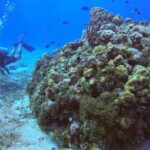
After the sandbar, the tour shifts to reef terrain. Columbia Reef is where you typically get more fish activity, coral formations, and that satisfying “oh wow, there’s a lot happening under me” effect.
This is also where the guide’s skill shows. A good guide helps you scan efficiently. Instead of chasing one fish, you learn to look for clusters: schooling fish, grazing fish, and the occasional larger guest.
Cozumel stop (a transit/area segment)
The itinerary lists a Cozumel stop in between reef segments. In real life, think of this as the connective tissue of the day—time to regroup, get back oriented, and get you positioned for the next snorkeling section. These transitions are normal on reef circuits, but it’s smart to treat them as part of the “snorkel day” rhythm. Hydrate and pay attention when the captain calls the next spot.
Balones of Chankanaab (another strong marine area)
Next up is Balones of Chankanaab. The word you should associate with this stop is variety—often more marine life movement and clear viewing conditions when the water cooperates.
This is where I like to slow my pace. When there’s a mix of fish and underwater structure, you can get tempted to swim farther than you should. Staying close to your group and letting the guide set the pace helps you see more without feeling rushed.
Dzul-Ha Reef and Parque Nacional Arrecifes de Cozumel (protected waters)
You’ll spend time at Dzul-Ha Reef and then in the Parque Nacional Arrecifes de Cozumel area. These protected-water stops are where the reef structure tends to be the most rewarding, especially for people who want more than just animal spotting.
What to focus on here:
- coral shapes and edges (fish love edges)
- consistent “search lines” across the reef so you don’t miss things
- watching how fish react to you—often they’re closer than you think
Columbia Reef again (a second shot at the highlights)
The schedule returns to Columbia Reef. That sounds repetitive until you realize why tours do it: conditions change, and a second pass can mean better visibility, better currents, or just a more focused session for your group.
If you’re hoping for a specific creature, a return stop is a chance to catch it when the water “feels right.”
Palancar Reef (classic reef wow-factor)
Palancar is one of Cozumel’s best-known reef names for a reason. This is where you tend to get the broad reef view—more structure, more fish, and more moments where you can look around instead of only searching.
It’s also a good stop to practice good buoyancy. The more stable you are, the more you can look without kicking sand or drifting off.
Chankanaab Adventure Beach Park and Chankanaab Reef
These two Chankanaab stops often mean a blend of underwater and near-water relaxation. You might find the pace shifts here—less “hunt mode,” more “hang out and look” mode.
Chankanaab Reef is the part that matters for snorkeling. You’ll usually see more active fish and the kind of coral variety that makes Cozumel reefs feel special.
Paradise (Paraiso) Reef (final reef viewing)
You’ll end the circuit at Paraiso Reef. This final stop is when you’ll likely feel the day’s momentum—your snorkel skills are better now, your eyes are trained, and the guide’s directions make more sense the second time around.
If you’re bringing an underwater phone or camera, keep it simple. This is not the time to fight with complicated gear. Clear fins, steady breath, and good positioning usually beats technology every time.
Starfish, Stingrays, and Sea Turtles: How the Sightings Usually Work
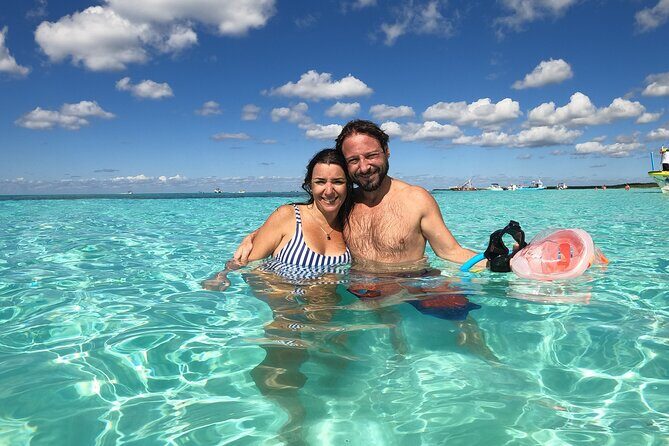
This tour is built around three headline animals: starfish, stingrays, and sea turtles. The best part isn’t just seeing them—it’s seeing them in the right setting.
- Starfish: The sandbar environment at El Cielo is ideal for spotting them because shallow sand makes them harder to miss. You’ll want to avoid hovering too much with your fins. Keep it calm and still.
- Stingrays: The shallow-water stop is the big one. Multiple guides and captains steer the group to areas where rays often come close. In some sessions, stingrays act almost casual—swimming near you rather than staying hidden.
- Sea turtles: The tour name includes turtles and the day includes a turtle sanctuary element. Still, the exact level of turtle-focused time can vary. I’d treat turtle viewing as very possible, not guaranteed.
One practical tip: bring your attention to where the water gets shallow and clearer. Rays and turtles tend to show themselves where conditions make it easy for them to move and for you to spot them.
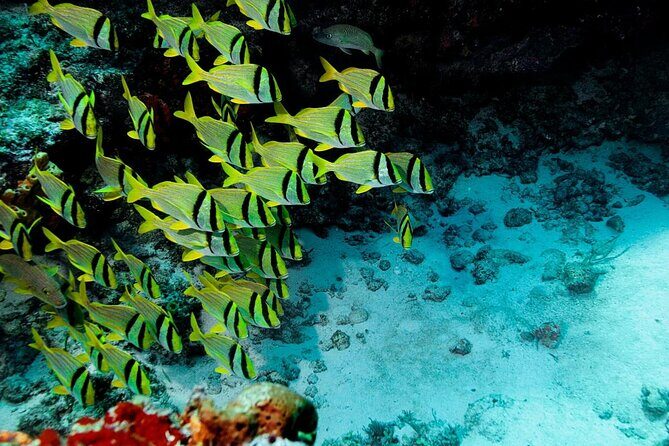
Also, it’s not only those three. Many snorkeling highlights include nurse sharks (often described as docile), barracuda, eagle rays, and a long list of tropical fish. If you’re flexible and curious, the day can surprise you in the best way.
Guides and Captains: The Difference Between Fun and Frustration
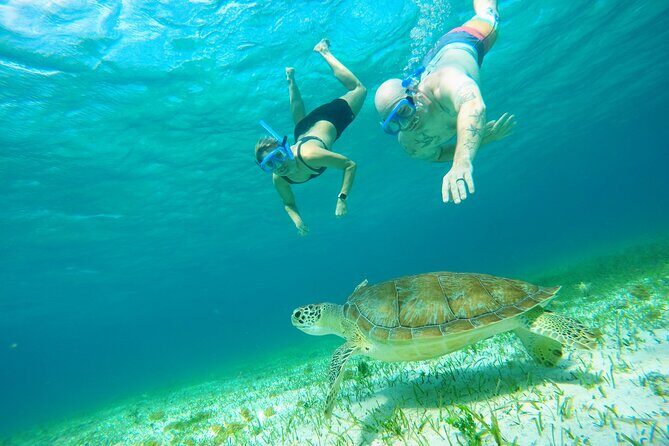
In a snorkel tour, the guide’s job is twofold: keep you safe, and keep you interested. This tour tends to score well on both.
You’ll likely hear names like Simon, Ricardo, Gustavo, Felipe, Jose Carlos (Pepe), and captains including Miguel or Capi. What I like about how these teams usually run the day is that they point out what you’re looking for—without turning it into a lecture. They also handle different comfort levels. If you’re new to snorkeling, guides can help you adjust quickly, and that alone can turn a “maybe this isn’t for me” moment into a strong first-time experience.
There’s also the “crew vibe” element. Several captains add little touches on the sandbar/shallow sections—snacks and food served while you float. That makes the day feel more like a Cozumel boat outing than a checklist.
Boat Comfort, Ladder Access, and Timing Reality
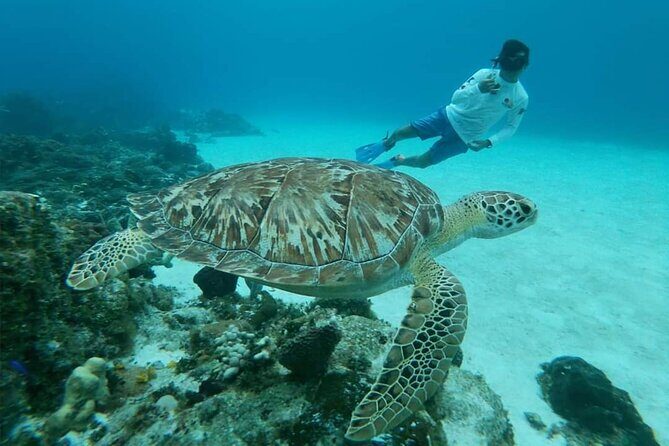
This is where you should calibrate your expectations. You’re on a small boat, not a big catamaran. A small boat is great for group control, but it can feel tighter and more bumpy depending on conditions.
The good news: the boat has a small ladder for easier entry and exit. Some people say getting in and out is still a challenge, especially if you have mobility limits. If that’s you, take it slow, use the handholds, and ask for help early.
About timing: the tour is about 4 hours, with multiple stops. That usually means plenty of short transitions and a few active snorkeling sections. One downside that comes up is that boat time can sometimes feel long compared to time in the water. When the day is running on schedule, it’s fine. When you’re delayed at the start, it can start to feel like you’re “riding” more than “snorkeling.”
So your best strategy is simple:
- arrive ready (even if you’re early)
- keep water and snacks in mind
- don’t schedule something tight immediately after
Price and Value: $59 Plus the Marine Park Fee
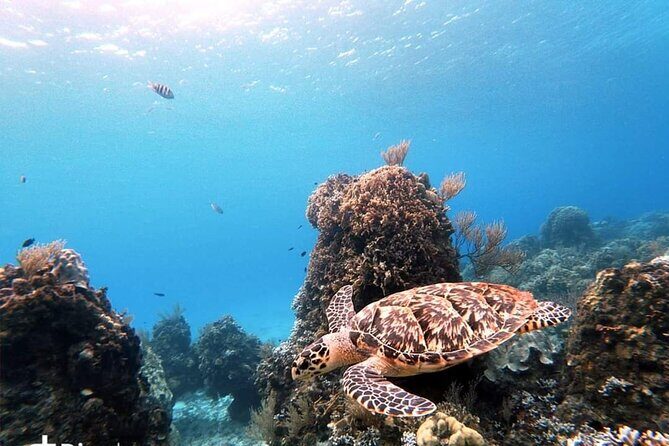
The advertised price is $59 per person for a 4-hour snorkel tour with gear, a shaded boat, drinks (beers, water, sodas), and one snack.
Then there’s a catch: a marine park fee of $11 USD per person isn’t included. That fee can matter in the math, especially if you’re booking a family.
Even with that extra cost, the value story usually holds because you’re not paying separately for basic snorkel gear or scrambling for lunch. You also get multiple reef/sandbar stops, which is the part that typically drives cost on Cozumel days.
If you’re comparing options, do it like this:
- total price all-in (tour + marine park fee)
- number of snorkeling stops and the mix of depths
- small-group boat vs big-boat cattle call
- whether drinks/food are included
This tour lines up well on all four.
Getting There: Marina Asipona and the Meeting Point Game
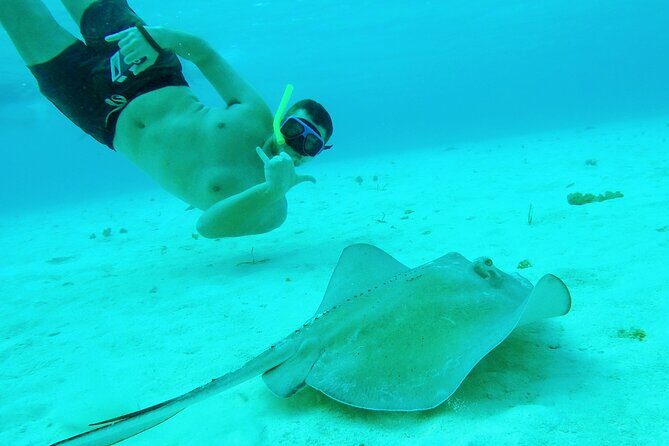
The meeting point is at Marina Cozumel ASIPONACarr. Costera Sur Km 6.5, Zona Hotelera Sur, 77675 Cozumel. The end point returns you to the same place.
From cruise ports, you’ll usually need a short ride or a walk to the marina area. Some cruise visitors report taxi rides around $10 to Marina Asipona, but your exact cost will depend on where your ship docks and traffic. If you want a stress-free morning, aim to be at the meeting area early and double-check you’ve got the right office at the marina.
Here’s a practical move: when you arrive, scan for the team signage and ask immediately. Several people have found the meeting point can be confusing if it’s only described as the marina.
Who Should Book This Cozumel Tour
This is a great fit if you want:
- starfish and stingray-focused snorkeling in shallow water
- a small-group feel with a shaded boat
- included drinks and a snack so you can stay out in the sun without planning lunch
- guides who help you spot animals fast
It may not be the best choice if:
- you mainly want a big boat party vibe
- you’re very sensitive to boat transitions and you need maximum time in the water
- sea turtle viewing is your make-or-break goal, since the turtle sanctuary portion may not always line up with the exact image you have from the title
Should You Book the Starfish, Stingrays, and Turtle Sanctuary Snorkel Tour?
If you want a solid Cozumel snorkeling day built around the animals in the title, I think this tour makes sense—especially if you appreciate smaller groups and you like a clear, guided plan across multiple marine sites.
Book it if you can handle short boat-to-water transitions and you’re excited about the sandbar + shallow stingray experience. Consider a different option if turtle viewing is your only priority or if you strongly prefer lots of continuous time in the water over a multi-stop circuit.
In short: for many people, this tour hits the sweet spot of variety, comfort, and value—just go in with realistic expectations about the turtle portion, and you’ll be in good shape.
FAQ
How long is the Starfish, Stingrays and the Turtle Sanctuary Snorkel Tour?
It lasts about 4 hours.
What does the tour cost?
The tour price is $59.00 per person, and there is an additional marine park fee of $11 USD per person.
What snorkeling gear is included?
You get snorkel gear including a vest, mask, and tube.
Are drinks and snacks included?
Yes. The tour includes beers, water, sodas, and one snack.
Is the boat shaded?
Yes. The tour includes a shaded boat.
What is the group size limit?
The maximum group size is 16 travelers.
Where does the tour start and end?
It starts at Marina Cozumel ASIPONACarr. Costera Sur Km 6.5, Zona Hotelera Sur, and ends back at the same meeting point.
What language is the tour offered in?
It is offered in English.
Do I need to pay a marine park fee?
Yes. The marine park fee is $11 USD per person and is not included in the tour price.
What happens if the weather is poor?
The experience requires good weather. If canceled due to poor weather, you’ll be offered a different date or a full refund.