REVIEW · TULUM
Riviera Maya: Sian Ka’an Reserve Ancient Maya Canals Tour
Book on GetYourGuide →Operated by Community Tours Sian Ka'an · Bookable on GetYourGuide
A 1,000-year-old canal float sounds wild.
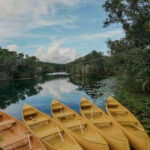
This tour takes you into Sian Ka’an and onto ancient Mayan canals that link several lagoon ecosystems, with long boat stretches, a guided wildlife search, and a calm floating section on crystal-clear water. I like that the experience is run by a Mayan cooperative and led by guides who get real excited about what you’re seeing—think names like Miguel, Jenny, Manuel, and Gilberto—so the history and nature feel practical, not lecture-y. You’ll get fresh Mayan breakfast and lunch made by local families, and you might get manatees, crocodiles, and tons of birds. One consideration: the water during the float can feel chilly, and changing out of wet swimwear isn’t set up like a full spa with separate changing rooms.
It’s also a small-group day that keeps you moving without feeling rushed.
With a maximum group size of 12 and boats that hold up to six people, you’re not packed in like sardines, and the boat route can be adjusted around wildlife. I also like the “pay attention to details” vibe—like how you’ll learn what habitats you’re crossing across (fresh, brackish, and salty channels) and why the birds are where they are. The drawback is simple: wildlife sightings aren’t guaranteed in a protected reserve, so you’re booking for the experience first, and the animals as a bonus.
In This Review
- Key highlights you’ll actually care about
- Why Sian Ka’an’s canals feel different from typical Tulum tours
- Small-group timing and the boat layout (max 12 people)
- Getting from your hotel to Muyil: van ride, breakfast, and first lagoon cues
- Laguna de Muyil to Chunyaxché: fast boat energy plus bird spotting
- Xlapak Maya Temple dock: swimming + the 950-meter float you came for
- Capelchén and the wildlife hunt: where manatees and crocs can show up
- Boca Paila: lagoon meets the Caribbean at Pez Maya
- The Mayan meal breaks that make the day feel complete
- Price, the reserve fee, and whether it’s worth it
- What to bring so the day doesn’t feel annoying
- What’s not allowed (and why it matters)
- Who should book this tour (and who might skip it)
- Should you book Riviera Maya: Sian Ka’an Ancient Maya Canals Tour?
- FAQ
- How long is the tour?
- What time does pickup happen?
- Where is the pickup and drop-off?
- Is breakfast included?
- Do I have to pay an entry fee for the reserve?
- Is wildlife guaranteed?
- What languages are the guides?
- Is the tour wheelchair accessible?
- What shouldn’t I bring or do during the tour?
Key highlights you’ll actually care about
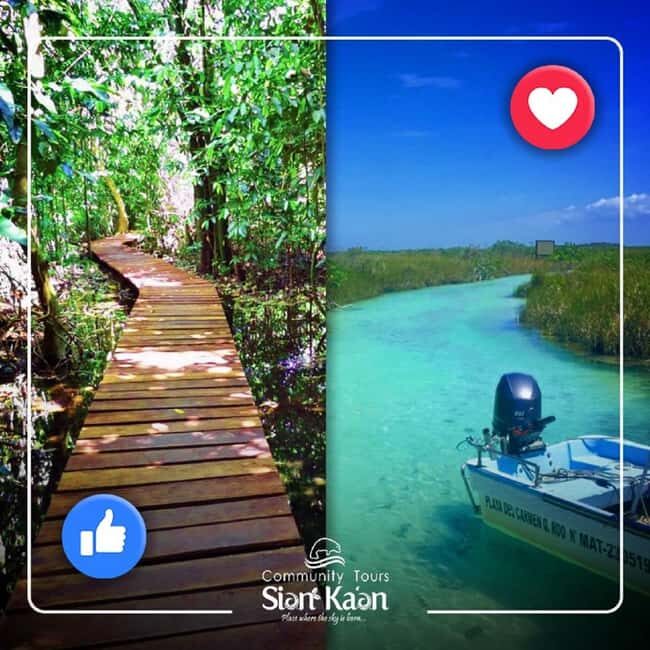
- Ancient canal route through four ecosystems in UNESCO Sian Ka’an
- A long 950-meter floating section on the Chunyaxché area, slow and peaceful
- Wildlife chances for manatees, crocodiles, and lots of aquatic birds
- Mayan meals that taste like food you’d want to eat again, not filler
- Virgin beach stop at Pez Maya with time to swim and take photos
- Small-group boat setup (up to six per boat) that feels personal
Why Sian Ka’an’s canals feel different from typical Tulum tours
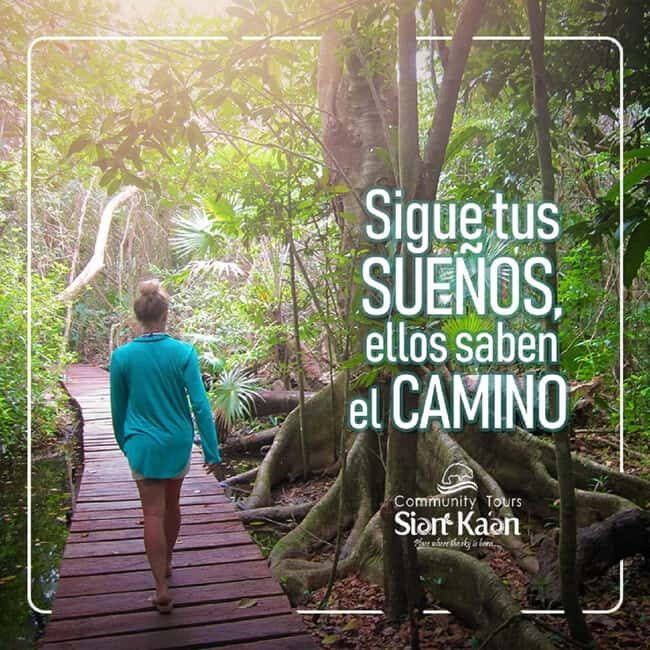
Tulum gets most of the attention, but Sian Ka’an is the reason this region keeps pulling people back. Here you’re not just looking at scenery from the shoreline. You’re traveling through waterways the ancient Maya used—an aquatic network that connects the Caribbean with inland lagoons through channels of different water types.
That matters because the whole day has a rhythm. You start with land-based hospitality (breakfast), move onto lagoons by boat, then slow down to floating and swimming. You’re constantly switching pace: engine sound to bird spotting, active boating to a quiet drift, sun-on-skin time to shaded boat breaks. It’s a nice change from tours that feel like nonstop driving with short photo stops.
I also like the cooperative angle. This isn’t a faceless day trip. You’re welcomed at a Mayan palapa that’s tied to community life and conservation education, and meals come from that same local base. It adds meaning to the day without turning it into a sales pitch.
You can also read our reviews of more tours and experiences in Tulum.
Small-group timing and the boat layout (max 12 people)
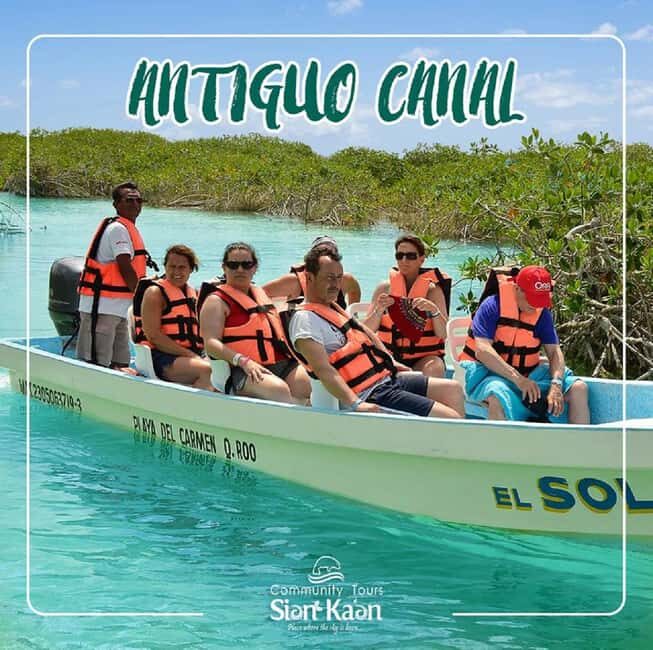
This tour is built for a tighter group. You’ll be placed on boats that keep your spacing comfortable, and the day is designed around an intimate feel—small enough that your guide can notice when someone spots a bird movement or asks a question, and big enough that the day still runs smoothly.
That setup also affects wildlife viewing. When you’re in smaller boats, your guide can reposition at just the right moment without crowding other boats. In a reserve with limited capacity, that’s not just nicer—it’s also how you stay respectful while still having fun.
The tour can start early (around 6:00 a.m.) or at midday (around 10:00 a.m.). If you’re choosing based on comfort and wildlife activity, the early start usually feels better because birds tend to be more active earlier in the day, and you’re less likely to fight peak sun on the boat decks.
Getting from your hotel to Muyil: van ride, breakfast, and first lagoon cues
Your day typically begins with pickup along the Riviera Maya corridor—options include places like Playa del Carmen, Tulum, Puerto Aventuras, Akumal, and Zona Hotelera Tulum. You’ll receive the exact pickup time and meeting point via WhatsApp the day before, and you’ll want to be ready about 10 minutes early.
From there, you’ll head toward the cooperative base near Tulum and then onward to Muyil, where the day starts with breakfast and regional food. The meal is traditional Mayan cuisine prepared by native Mayan people, and it’s more than a quick bite. Think fresh local ingredients, with breakfast designed to fuel a day that includes boating, swimming, and a long float.
After breakfast, you’ll roll to the water and begin with your first lagoon cruise. The first boat stretch is where you’ll start learning how to read the reserve. You’ll be pointed toward where birds feed, where mangroves shelter wildlife, and what different water conditions look like from the boat.
Laguna de Muyil to Chunyaxché: fast boat energy plus bird spotting
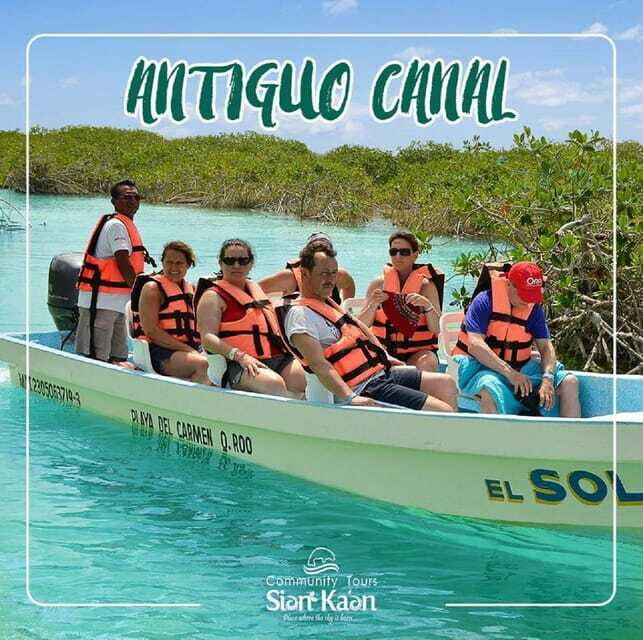
Once you’re in the first lagoon segments, the pace picks up. You’ll do boat cruising and long-tail boat rides, and your guide will help you scan the water and tree lines for birds.
This is a good part of the day for anyone who likes animals but isn’t trying to be a hardcore “twitcher.” The goal isn’t just seeing one crocodile. It’s learning why the reserve is a feeding and nesting zone, then practicing spotting from the water at different speeds and angles.
One practical tip: the boat can feel fast when you’re crossing open stretches. Wear sunglasses, and consider clothing that handles sun and spray without soaking you immediately. Also, if you’re worried about getting on and off boats, the boats used on this route are generally stable for the kind of narrow-channel navigation you’ll do.
Xlapak Maya Temple dock: swimming + the 950-meter float you came for
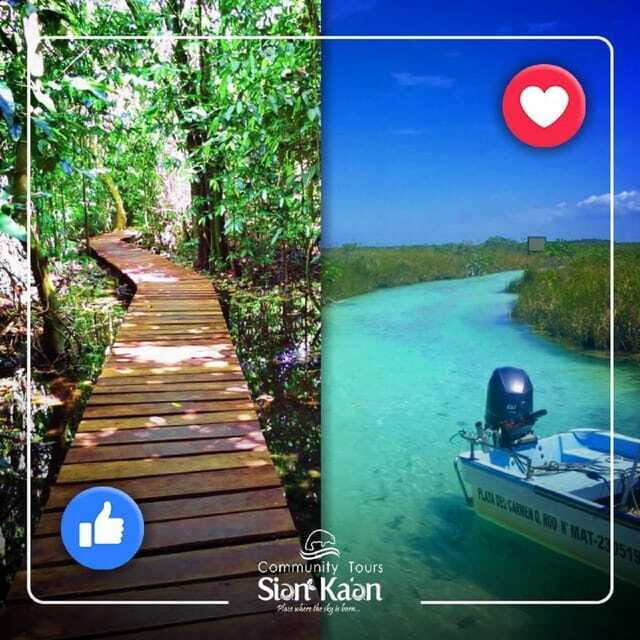
This is the heart of the “slow down” portion of the day. At Xlapak, you’ll have time around the Mayan temple customs area, and you’ll also get a chance to swim from the dock.
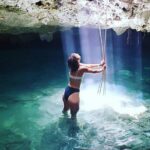
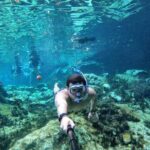
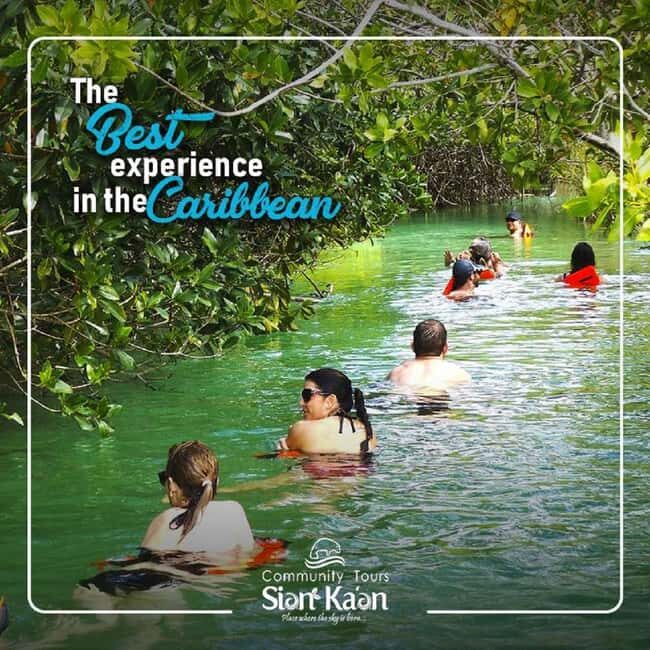
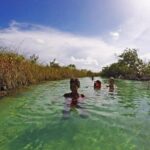
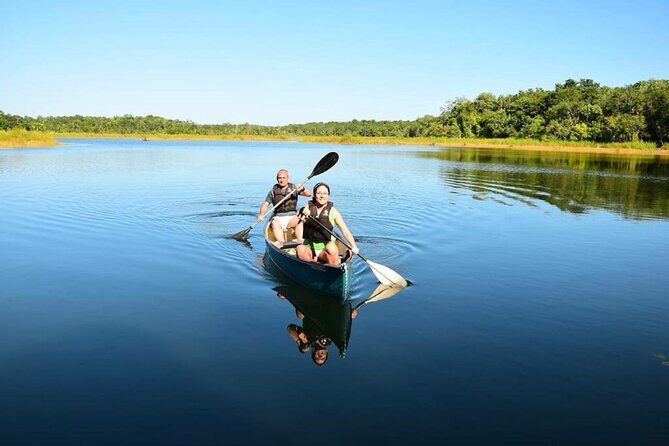
Then comes the standout section: a contemplative floating experience of about 30 to 45 minutes over a 950-meter journey. You’re not bouncing around on a wild ride here. You’re in a gentle float that lets you take in mangroves, orchids, and bromeliads along the waterway.
I love this part because it’s where the reserve feels quiet. Even if you’re not guaranteed to see a manatee, you still get a clear sense of scale—how the lagoon connects to forest, how the water changes, and how wildlife uses those edges.
Two considerations based on real-world experience in similar conditions:
- the float can feel cold at first, especially earlier in the day
- sun exposure can sneak up on you after you get wet, so bring coverage
A lot of people get it wrong by assuming sunscreen only matters before you swim. Reapply afterward.
- Selva Maya Eco Adventure Park: Ziplining, Hanging Bridges, Rappelling and Cenote
★ 5.0 · 1,057 reviews
Capelchén and the wildlife hunt: where manatees and crocs can show up
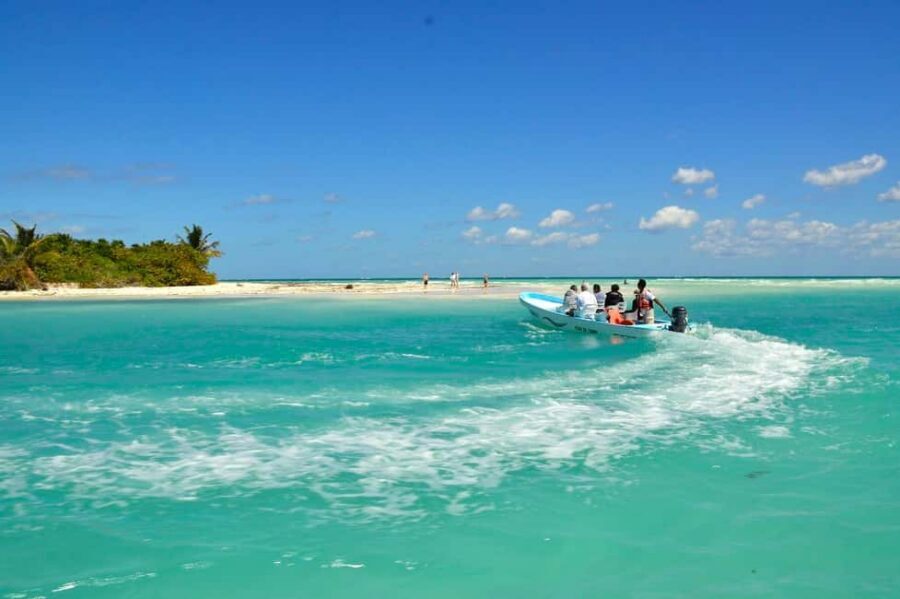
After the Xlapak portion, the route keeps stacking lagoon variety. You’ll head toward Capelchén and continue with boat cruising and long-tail riding, with wildlife viewing built into the timing.
This is the segment where chances for animals often become real. You may spot manatees (sea cows) surfacing, and you may see crocodiles—freshwater and saltwater crocodiles can both be part of the habitat system. Your captain and guide work together to position the boat for respectful viewing from the right distance.
A key note: the reserve is protected, so you’re watching from nature’s rules, not trying to force the sightings. If you don’t see a specific animal, it doesn’t mean the guide isn’t doing a good job—it often means timing and conditions didn’t align.
Also, remember that wildlife spotting is sometimes “motion first, then confirmation.” Birds clue you in. Crocodiles can look like driftwood until they twitch. If your guide points out small details, don’t just stare at the biggest animal you hope for. The small stuff is often what tells you what’s nearby.
Boca Paila: lagoon meets the Caribbean at Pez Maya
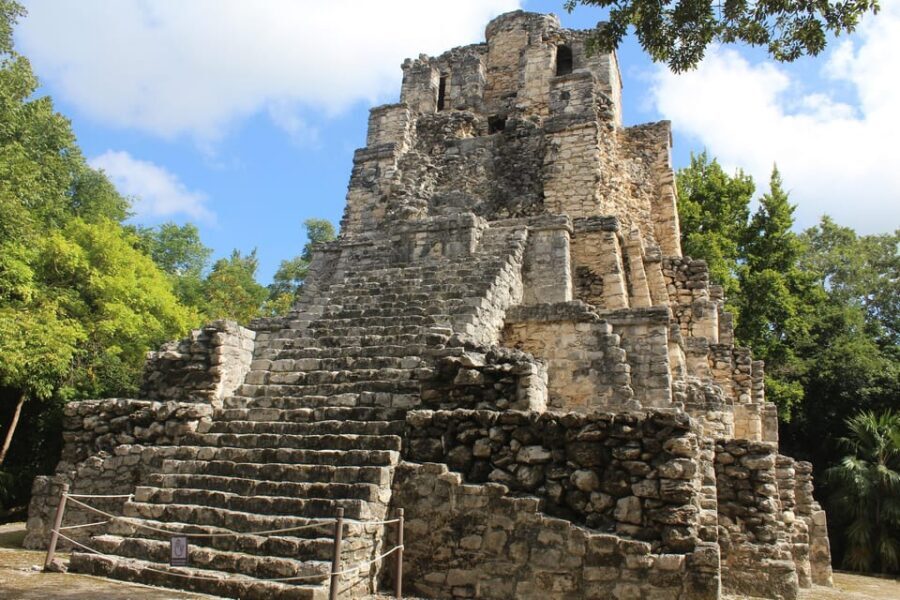
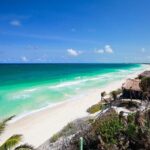
Your day eventually reaches Boca Paila, where you get an eye-opening view of the meeting point between lagoon water and the Caribbean. The water can look different over short distances, and that visual shift is part of why Sian Ka’an works as a living system rather than just a postcard.
There’s also a break and photo stop, plus time to swim at the virgin beach area known as Pez Maya. It’s a chance to reset—stretch your legs, cool off, and take photos without feeling like you’re doing it between hurried boat turns.
If you enjoy swimming, bring gear that helps with slippery steps and hot surfaces on the boat deck. Swim shoes can make the whole experience less stressful, especially when you’re getting in and out repeatedly during the day.
The Mayan meal breaks that make the day feel complete
Most lagoon tours treat food like logistics. This one treats it like part of the culture experience.
You’ll have breakfast at the cooperative restaurant (especially if you choose the early start), and you’ll also have a traditional Mayan lunch at the end of the activity. These meals are prepared with fresh, local ingredients, and the tour is set up with purified water refills at the palapa, so you can bring a reusable bottle and keep yourself hydrated without buying plastic.
The menus vary, but you can expect dishes that feel Mayan rather than generic tourist fare. Some past guests noted specific breakfast items like sikil pak (pumpkin seed dip), plus regional style egg and salsa combinations. Lunch often includes grilled fish or grilled chicken, plus options that can accommodate dietary needs.
Bottom line: if you only care about the wildlife, you might be tempted to skip or cut food time. Don’t. The meal helps you recover from sun and boat motion, and it grounds the day in the local community.
Price, the reserve fee, and whether it’s worth it
The listed price is $173 per person for an 8-hour day. That sounds steep until you break down what you’re getting: cooperative-hosted access, guided interpretation, small boats, a long float, multiple lagoon segments, swim breaks, and two Mayan-style meals.
There’s also an additional federal Biosphere Reserve entry fee (about $12 USD / 218 MXN per person) collected by CONANP. You’ll pay it upon arrival at the cooperative palapa by card or cash.
So what’s the real value equation? You’re not paying for a single photo. You’re paying for a full day in a protected environment with guide-led navigation through different lagoon types and an included floating experience that most “quick Tulum” trips don’t offer.
If you want the easiest value comparison, ask yourself: do you want a one-stop beach day, or do you want a guided day on the water where you can learn the system while you’re moving through it? For the second option, this price starts to make sense.
What to bring so the day doesn’t feel annoying
This tour is straightforward, but it’s outdoors and wet. Bring:
- sunglasses and a sun hat
- beachwear plus change of clothes
- biodegradable sunscreen and biodegradable insect repellent
- a reusable water bottle (refills are available)
- cash for the federal reserve entry fee
- a towel or extra fabric if you want something to sit on or wrap with after swimming
A small comfort upgrade: wear clothing that handles the sun after you’re wet. Even people who don’t think they burn easily can get surprised once they’re out on boat decks.
What’s not allowed (and why it matters)
The reserve rules are part of keeping the ecosystem safe. You won’t be allowed to bring things like:
- drones
- professional cameras
- alcohol and drugs
- plastic bottles and plastic bags
- weapons or sharp objects
- pets
- smoking and vaping
- feeding animals
If you’re the type who loves a fancy camera rig, plan on using a phone or a simple camera, and keep your kit easy to manage around water.
Who should book this tour (and who might skip it)
This is a strong match if you want:
- an active day that still includes quiet time (the float is the calmer moment)
- wildlife viewing with an emphasis on learning, not chasing
- Mayan culture through food and community connection
- a smaller-group experience on the water
It may be a poor fit if you:
- are pregnant (not suitable)
- have back problems (not suitable)
- weigh over 264 lbs / 120 kg
- are traveling with a baby under 1 year
Also, keep expectations honest. You can get lucky and see manatees and crocodiles, but wildlife sightings can’t be guaranteed in a protected reserve.
Should you book Riviera Maya: Sian Ka’an Ancient Maya Canals Tour?
If you’re choosing between another beach day and a guided day on the water, I’d book this if you want something that feels real—waterways, wildlife habitat, and community-run hospitality.
I’d especially book it if:
- you want the 950-meter canal float plus swimming breaks
- you care about small-group boat time rather than crowd-packed logistics
- you’ll enjoy a day where the guide helps you notice birds and water conditions, not just animals you hope to spot
Skip it if:
- you strongly dislike cold water moments or repeated getting in and out of boats
- you want guaranteed manatees and crocodiles (this is nature, not a theme park)
FAQ
How long is the tour?
The tour duration is 8 hours.
What time does pickup happen?
Tours can start early around 6:00 a.m. or midday around 10:00 a.m. Pickup times depend on where you’re staying and day-of logistics, and your exact pickup time is confirmed via WhatsApp.
Where is the pickup and drop-off?
Pickup and drop-off are offered in several areas along the Riviera Maya corridor, including Playa del Carmen, Tulum, Puerto Aventuras, Akumal, and Zona Hotelera Tulum. The early morning option notes pickup/drop-off connected to Tulum Center or Hotel Zone as well.
Is breakfast included?
Breakfast is included for the early morning tour. A traditional Mayan lunch is included at the end of the activity.
Do I have to pay an entry fee for the reserve?
Yes. A federal biosphere reserve entry fee (about $12 USD / 218 MXN per person) is mandatory and collected by CONANP at the cooperative’s palapa. It’s not included in the tour price.
Is wildlife guaranteed?
No. Wildlife sightings are not guaranteed in the reserve. You’ll have opportunities for viewing manatees, crocodiles, and many birds, but nature sets the final outcome.
What languages are the guides?
The tour guide is available in English, French, and Spanish.
Is the tour wheelchair accessible?
Yes, it’s listed as wheelchair accessible.
What shouldn’t I bring or do during the tour?
Drones, professional cameras, plastic bottles, smoking, vaping, alcohol/drugs, pets, and feeding animals are not allowed. You should also follow guide instructions and avoid littering.
More Tours in Tulum
More Tour Reviews in Tulum
- Selva Maya Eco Adventure Park: Ziplining, Hanging Bridges, Rappelling and Cenote
★ 5.0 · 1,057 reviews