REVIEW · PLAYA DEL CARMEN
Open Water Diver course PADI including underwater video
Book on Viator →Operated by Diversland Mexico · Bookable on Viator
Learning scuba feels big. This 3-day PADI Open Water Diver course in Playa del Carmen keeps it grounded with steady skill practice, clear instruction, and a smart pace you can actually follow. You get pool skills, then move through cenote and open-water sessions with the kind of hands-on coaching that helps first-timers stay calm.
What I like most is how the instruction is built around comfort and safety, not just checking boxes. The staff includes standout teachers like Andrii/Andrey, Julia, Patrick, and Demitre, and people consistently mention patience and close support. The main drawback: you’ll need to be medically cleared for scuba, and a health questionnaire is required, so if you have certain conditions you may be turned back.
In This Review
- Key Details You’ll Care About
- PADI Open Water Diver in Playa del Carmen: What Your Certification Really Means
- Getting There Smoothly: Pickup, Timing, and Small Groups at Diversland
- Day One: Knowledge Development and Confident Skill Practice in the Pool
- How Cenotes Change the Game (In a Good Way): Two Sessions Below Ground
- Open-Water Sessions: Using Skills for Real (and Staying Close)
- Underwater Video and the Digital Manual: Learning You Can Rewatch
- Equipment and Fees: Why the Price Feels More Like a Package Than a Lesson
- Weather Happens: How the Course Holds Up in Real Conditions
- Safety, Health Checks, and Who Should Confirm First
- Language, Instruction Style, and Names to Remember
- Who This Course Is Best For
- Should You Book This PADI Open Water Course at Diversland?
- FAQ
- What certification do I get?
- How long is the course?
- Is the course taught in English?
- What training sessions are included?
- Are equipment and course fees included in the price?
- Do I get underwater video?
- Is hotel pickup and drop-off included?
- What is the minimum age to participate?
- Is diving insurance included?
- How does cancellation work?
Key Details You’ll Care About
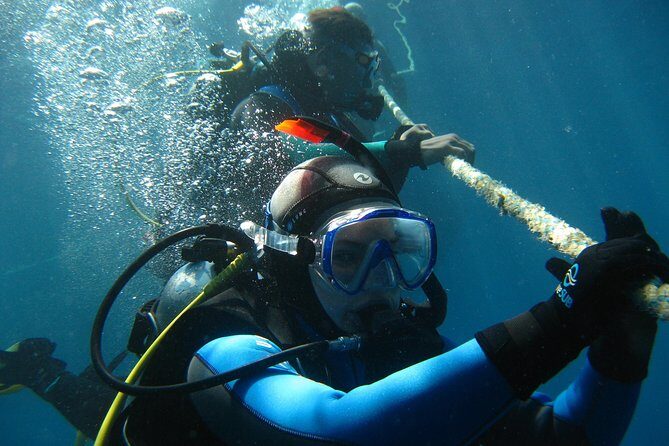
- 3 days to earn your PADI Open Water Diver certification (card allows scuba to 18 meters)
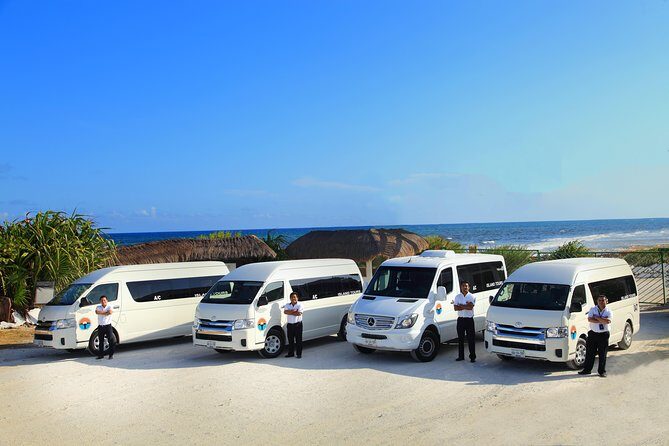
- Hotel pickup and drop-off every day in Playa del Carmen, Cancun, and Riviera Maya
- A small group size (maximum 15) makes it easier to get personal feedback
- Two pool sessions, two cenote sessions, and two open-water sessions for a full beginner arc
- Underwater video and a digital manual so you can review what you learned
- Full course inclusions (equipment, fees, PADI exam, and certification) in the $480 price
PADI Open Water Diver in Playa del Carmen: What Your Certification Really Means
This course is the classic first step for anyone who wants to become a certified scuba diver. With the PADI Open Water Diver card, you’re certified to scuba to 18 meters. That’s a useful limit for real vacations because it opens up most beginner-friendly sites without demanding advanced techniques.
The other thing that matters is how the course is structured. You’re not just thrown into water and hoped for the best. You work through theory, learn core control skills, then practice until you can do the basics reliably underwater.
You can also read our reviews of more tours and experiences in Playa del Carmen.
Getting There Smoothly: Pickup, Timing, and Small Groups at Diversland
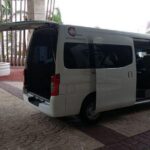
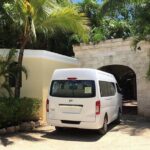
If logistics stress you out, this is the type of tour that helps. Pickup runs from hotels across Playa del Carmen, Cancun, and Riviera Maya, and the meeting point is Plaza Palmeiras, C. 11 Sur, Ejidal (77712). The start time is 8:30 am, so you’re in a training groove early rather than scrambling later.
The course caps at 15 travelers, which is a big deal for beginners. In smaller groups, you spend less time waiting and more time practicing. It also helps instructors like Julia and Patrick give the kind of close attention that keeps you from getting overwhelmed.
Day One: Knowledge Development and Confident Skill Practice in the Pool
Before you go anywhere near open water, you build the mental foundation. The course includes knowledge development, which you’ll do via online independent study or in a classroom setting (the exact delivery can vary by your class flow). You’re learning the basic principles and theory behind safe scuba.
Then comes the pool stage. You’ll do two pool sessions focused on the foundational skills: the kind of controlled practice where you learn how your gear behaves, how you move, and how to manage breathing and buoyancy while staying relaxed. This is where nerves usually calm down, especially with patient instructors who take their time, like Andrii/Andrey, who people specifically praise for teaching safe habits.
How Cenotes Change the Game (In a Good Way): Two Sessions Below Ground
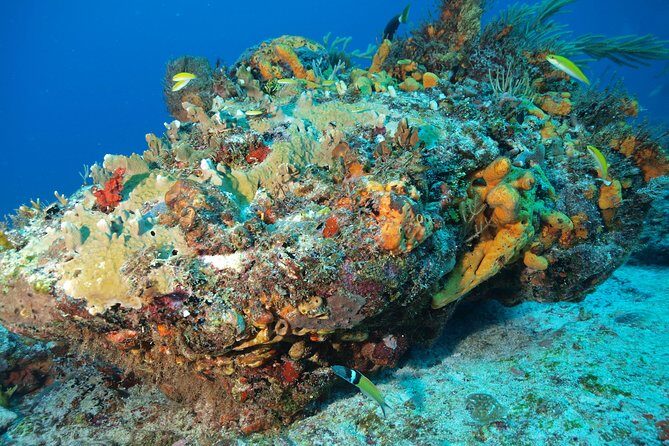
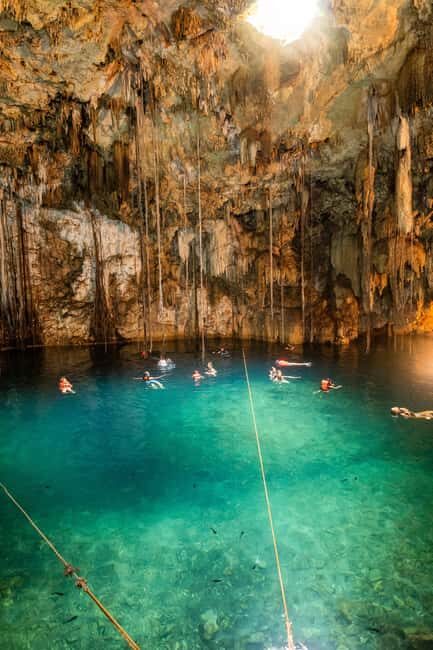
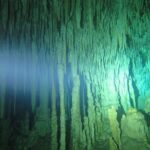
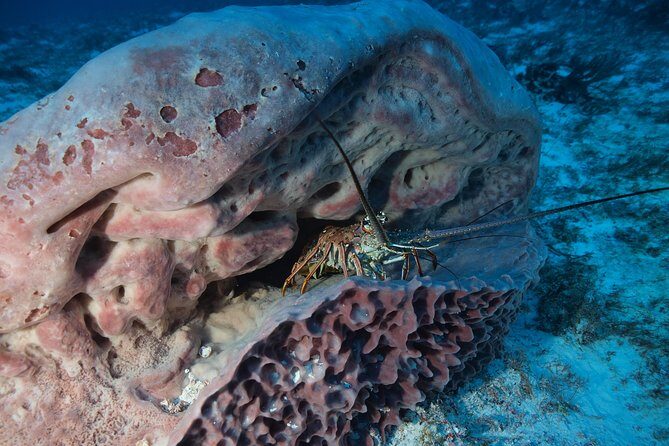
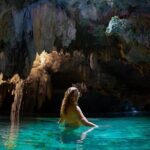
After the pool, you shift into cenote training with two cenote sessions. Cenotes can feel like a different sport mentally. The lighting, the visibility, and the way light moves underwater can make it easier to stay focused on the present moment. You’re still practicing core control skills, but the setting forces you to slow down and handle your buoyancy and breathing with care.
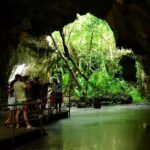
One name pops up in the experience: Pancho the crocodile. In at least one memorable training day, people mention experiencing the environment at Casa Cenote alongside that wildlife moment. Even if you’re not chasing animal sightings, that kind of detail is part of what makes cenote training special here: it’s not just practice, it’s practice with atmosphere.
Open-Water Sessions: Using Skills for Real (and Staying Close)
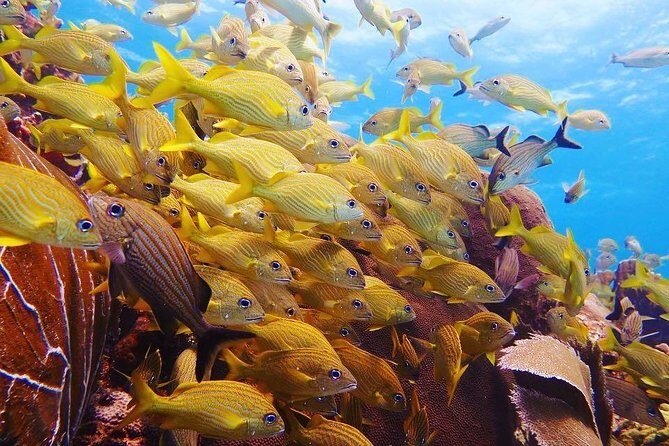
Your certification isn’t earned from pool comfort alone. You’ll complete two open-water sessions where you apply the same core skills in the kind of conditions you’ll meet on vacation dives.
This is also where instructor support matters most. People mention instructors staying close and helping when nerves show up. If you’re the type who gets anxious, that matters, because safety in scuba is as much about managing fear as it is about gear.
You might also see the region’s marine life on training days. One person specifically references the chance to spot crocodiles and bull sharks during a check-out swim. You can’t count on specific animals every time, but this is a reminder that the Caribbean setting can be surprisingly alive even during training.
Underwater Video and the Digital Manual: Learning You Can Rewatch
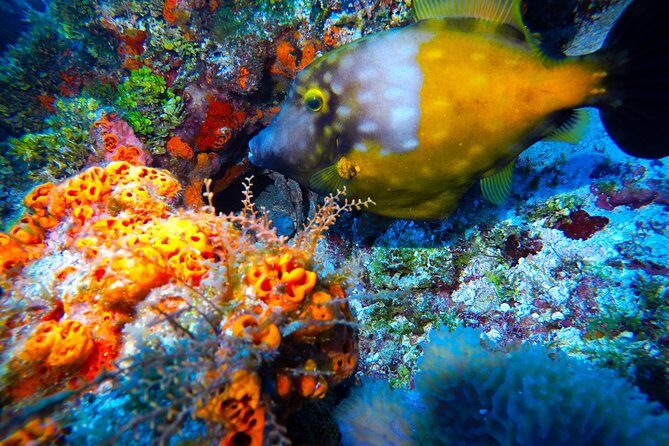
This course includes an underwater video. That’s not just a souvenir. When you’re learning buoyancy and technique, seeing your posture and timing later helps you connect the dots faster than memory alone.
You also get a digital manual. That matters because scuba concepts are easier to master when you can review them after you’ve felt them in the water. If you’re studying and training at the same time, a digital format can be easier to access during downtime.
Equipment and Fees: Why the Price Feels More Like a Package Than a Lesson
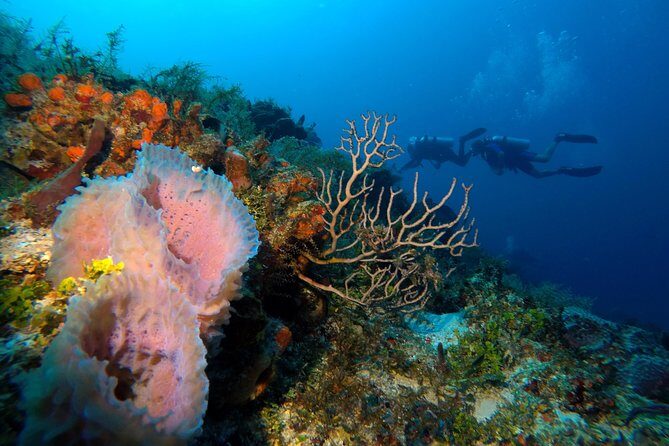
At $480 per person, the biggest value point is what’s included. You get all equipment, the PADI exam, and the PADI Open Water Diver certification, plus all fees and taxes. You also get two pool sessions, two cenote sessions, and two open-water sessions within the 3-day format, with hotel pickup and drop-off included each day.
That package approach matters because scuba costs can stack up fast when you’re piecing it together: gear rental, course fees, certification processing, and transportation. Here, many of those costs are bundled, which makes it easier to compare options fairly.
One review also points out pricing versus doing it through some hotel-based channels, with the course described as better value than pricier alternatives. I’d treat that as a strong hint that $480 can be competitive, but always compare what’s included—equipment and certification are the difference-makers.
Weather Happens: How the Course Holds Up in Real Conditions
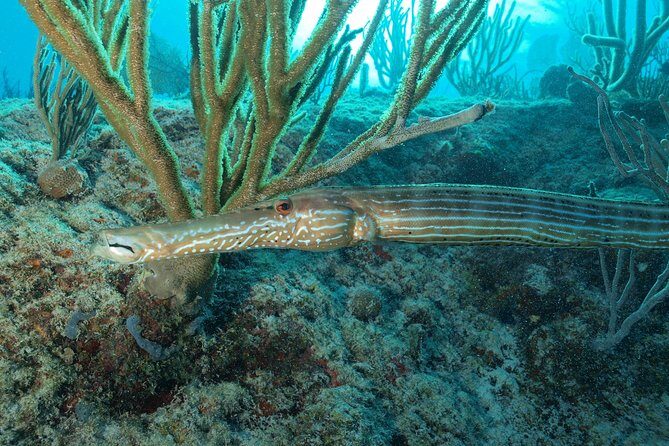
In Playa del Carmen, you’ll sometimes get rough weather or changing conditions. One person mentions that even with rough weather, the team still managed to run the course. The takeaway for you: plan to be flexible with schedules and remember that scuba training depends on conditions.
A small group and a full multi-day structure helps with this. If conditions shift, instructors can often adjust within the training flow so you still finish your certification requirements.
Safety, Health Checks, and Who Should Confirm First
Scuba is safe when you’re medically cleared and follow instructions. This experience includes a health questionnaire, and you’ll be required to complete it before participating. If you have certain conditions (the course flags examples like asthma and heart conditions), you should consult your doctor before you book.
Also, diving within 24 hours of flying is not recommended. If your itinerary includes a quick turnaround flight, consider building in time so your body can settle. That’s one of those small planning steps that can make training smoother and less stressful.
Language, Instruction Style, and Names to Remember
This course is offered in English, and that’s a real practical benefit if you’re learning scuba terms for the first time. You want instruction you can understand clearly when it’s not classroom time. People mention instructors explaining things patiently and repeating theory and quizzing during the process to make sure learning stuck.
A few names you’ll see connected with the course experience include Julia, Patrick, Andrii/Andrey, Demitre, and Alex. There’s also mention of Serge (with a sense of humor), which suggests the team keeps training friendly without letting safety slip.
Who This Course Is Best For
This is ideal if you’re:
- A first-timer who wants structured training and close coaching
- Traveling as a couple or family and want a group size that still feels personal
- Booking a short vacation add-on that still results in a real certification card
It’s less ideal if you want to skip theory and just get wet immediately, or if you’re dealing with medical concerns you haven’t cleared with a professional.
Should You Book This PADI Open Water Course at Diversland?
I’d book it if you want a 3-day path to a recognized PADI Open Water Diver certification with included equipment, fees, and certification, plus hotel pickup. The small group size and consistent praise for patient, safety-focused teaching are exactly what you want when you’re learning control skills for the first time.
I’d think twice (or confirm medical clearance early) if your health situation might complicate scuba participation, because the questionnaire is required and some conditions may prevent you from diving. Also, if your travel schedule includes flying right before training, plan breathing room so you don’t run into the 24-hour recommendation.
If you’re ready to turn vacation into a real skill, this is one of the cleaner-value ways to do it in Playa del Carmen.
FAQ
What certification do I get?
You complete the PADI Open Water Diver course, and the PADI Open Water Diver certification is included.
How long is the course?
It’s scheduled for 3 days (approx.).
Is the course taught in English?
Yes, the course is offered in English.
What training sessions are included?
You get practice in the pool, plus cenote sessions and open-water sessions as part of the course.
Are equipment and course fees included in the price?
Yes. Equipment and all fees and taxes are included, along with the PADI exam.
Do I get underwater video?
Yes. Underwater video is included.
Is hotel pickup and drop-off included?
Yes. Hotel pickup and drop-off is included daily, and pickup is offered for hotels in Playa del Carmen, Cancun, and Riviera Maya.
What is the minimum age to participate?
The minimum age is 10 years.
Is diving insurance included?
No. Diving insurance is optional and not included.
How does cancellation work?
Free cancellation is available if you cancel up to 24 hours in advance of the experience start time for a full refund. If you cancel less than 24 hours before start, the amount paid isn’t refunded.