REVIEW · COZUMEL
Discover Scuba Diving
Book on Viator →Operated by Dive Boutique Cozumel · Bookable on Viator
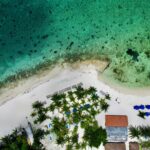
Scuba lessons should feel calm, not scary. This one is built for first-timers, with private instruction and a guided session right off Tikila Beach.
I love how much attention you get in the water—clear coaching and patient instructors like Gael, Ramon, Renata, and Guillermo show up in the details. I also like that your gear is included, so you can focus on learning instead of hunting rental sizes.
The one thing to keep in mind: if your schedule gets pushed (cruise timing can be messy) you might end up with less actual water time than planned, and proper weight/comfort is key for feeling good underwater.
In This Review
- Key highlights you’ll feel immediately
- Tikila Beach Reef: What You Learn and See on Your First Scuba Session
- Private Instructor Time: Gear Fit, Safety Skills, and Clear Teaching
- From Shallow Practice to Reef Time: Your 2.5-Hour Flow
- Where to Meet in Cozumel and How to Time It on a Cruise Day
- Price and Value for $95: What You Get (and What Can Cost More)
- Best Match for Beginners, Families, and Teens (Plus Medical Paperwork)
- Photos, Cameras, and That One Missing Picture
- Should You Book This Discover Scuba Program?
- FAQ
- Do I need scuba experience before I try this?
- How old do you have to be to participate?
- What’s included in the price?
- Is medical clearance required?
- How long is the experience?
- Where does it start and where does it end?
- What if weather is bad?
Key highlights you’ll feel immediately
- Private lesson style: your group gets dedicated instruction, not a cattle-car session
- Beginner-first: no experience needed, with step-by-step skills under direct supervision
- Tikila Beach reef area: see marine life just off shore, suited for learning
- Gear included + snorkeling after: you get what you need, then you can enjoy clear water afterward
- Photo reality check: a staff photographer may capture the best moments, and extras can cost more
Tikila Beach Reef: What You Learn and See on Your First Scuba Session
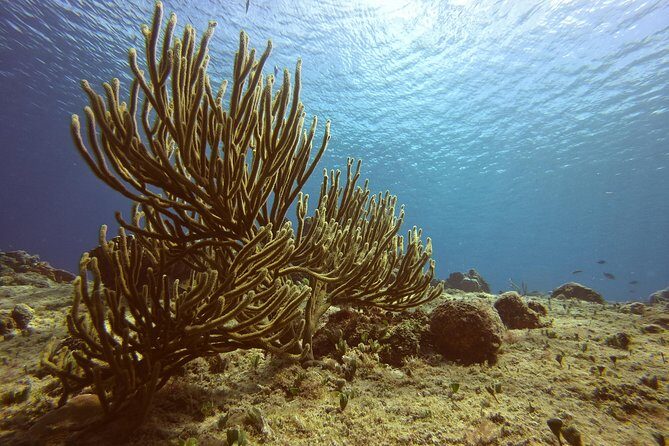
This experience is designed as a true “start here” scuba intro for people age 10 and up. You don’t need prior training, and you’ll stay under the supervision of PADI instructors throughout the process. In plain terms: you learn the basics on purpose, then you get to enjoy the reef with guidance instead of guessing.
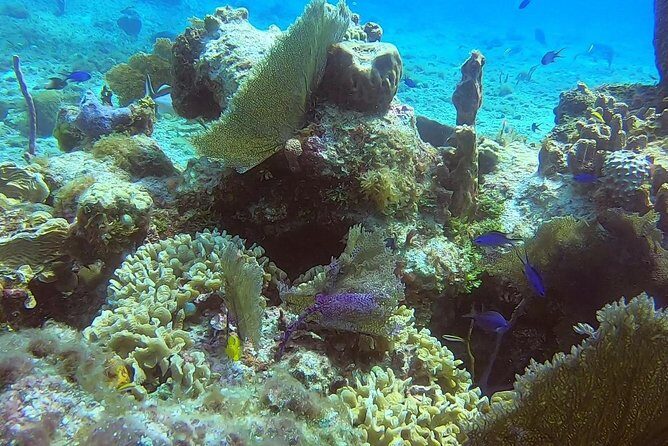
The water setting is part of the appeal. You practice near the shore area off Tikila Beach, which is typically friendlier for new skills than a big, open-water setup. Once you’re ready, you’ll move into the guided reef experience. Based on real first-timer stories from the shop, many groups spend around 40–45 minutes underwater (with common depths around 20–30 feet), long enough to stop thinking about the mechanics and start noticing fish and coral.
You should also know what you’re signing up for mentally. This is not just a boat ride with an easy swim. You’ll work on breathing through the regulator, handling mask issues, and basic communication. If you’re the type who wants structure, that’s a good fit.
You can also read our reviews of more scuba diving tours in Cozumel
Private Instructor Time: Gear Fit, Safety Skills, and Clear Teaching
The biggest strength here is the teaching style: patient, step-by-step, and focused on comfort. People consistently mention instructors who stay calm and don’t rush. Names that come up repeatedly include Gael, Ramon, Renata, Claudia, Marcello, Bruno, and Guillermo—and the pattern is the same. You get undivided attention, clear explanations, and safety-first pacing.
That pacing matters because first scuba skills can feel awkward. You’ll learn things like:
- how to control your breathing with the regulator
- how to clear your ears underwater
- basic hand signals and communication
- what to do if water gets in your mask, and how to manage your mouthpiece
The reviews point to a common winning approach: instructors won’t move ahead until you feel comfortable. One person even described how the instructor waited for the group to be ready, not just for the clock to hit a deadline. That’s the difference between “try it once” and “actually learn it.”
Equipment is another practical win. The program includes all scuba and snorkeling gear you need for the activity. That reduces the usual hassle of first-timer dive trips—no figuring out which mask fits, no borrowing random gear that doesn’t match your face.
One small caution: the experience uses weights and buoyancy adjustments. If weights aren’t set well for you, it can make the session harder than it should be. One negative review specifically criticized weight setup and timing, and that’s worth taking seriously.
From Shallow Practice to Reef Time: Your 2.5-Hour Flow
Expect a paced flow that usually looks like this:
1) Meet up and get geared
You start at F2MH+GP, San Miguel de Cozumel, Quintana Roo, Mexico, and you’ll end back at the meeting point. Before water time, you’ll be fitted with gear and you’ll go over what to do. For a lot of people, the explanation is where comfort starts.
2) Short course completion before you go in
You’ll need to complete a required Medical Statement. If your Medical Statement has a yes answer to a question, you’ll need medical clearance from a doctor. Also, the program uses required training materials—some groups report getting the eLearning link a day or two before, while others say it arrived within hours after booking. Either way, plan to check your email and complete it ahead of time.
3) Shallow-water practice
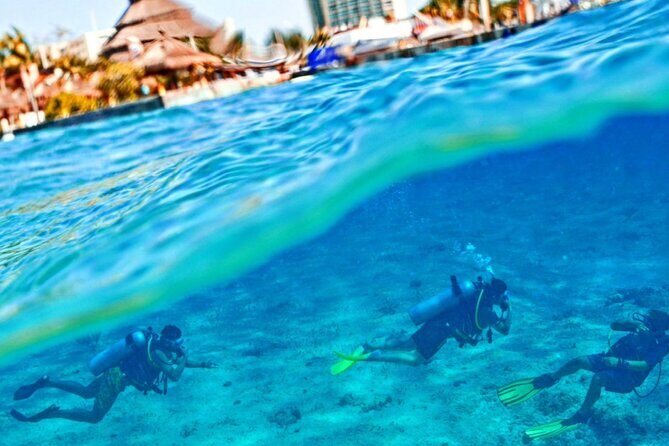
This is where you get your reps. You’ll practice breathing, ear clearing, and mask/gear basics in shallow conditions. People with kids and teens often love this stage because it builds confidence without jumping straight into deeper water.
4) Guided reef experience
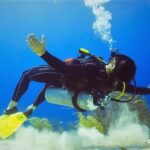
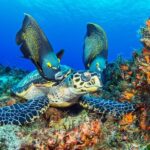
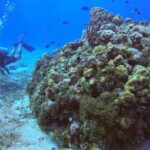
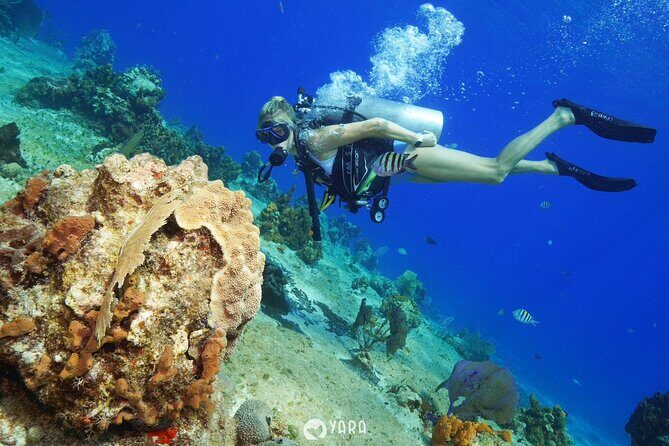
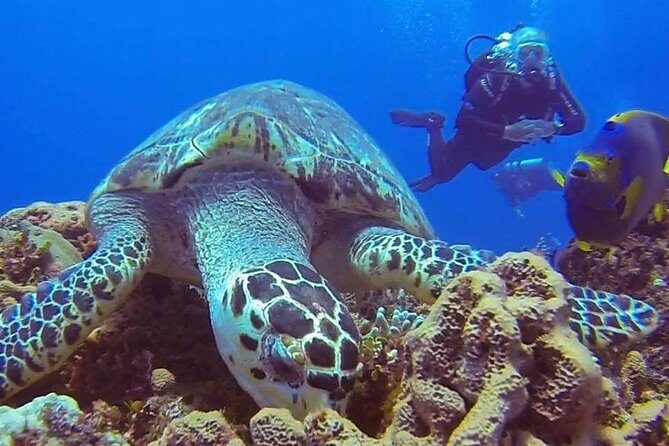
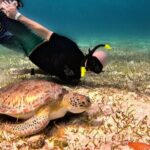
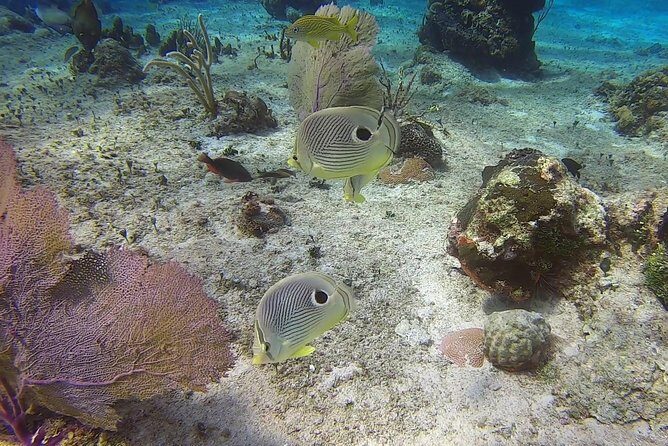
Once you’re comfortable, the instructor takes you to the reef area off Tikila Beach. Common timing from reviews is roughly 40–45 minutes in the water, and people describe seeing sting rays, moray eels, squid, parrot fish, lobster, and more. You’ll also learn to look instead of just hover.
5) Snorkeling gear available afterward
After you complete your scuba intro, you can use snorkeling equipment to enjoy the clear water before your next Cozumel stop. That’s a smart add-on because it stretches your marine-life time without adding another full guided activity.
Where to Meet in Cozumel and How to Time It on a Cruise Day
The meeting point is fixed: F2MH+GP in San Miguel de Cozumel. The practical issue is that the place you start might not be right beside the water area where you go in. One useful tip: plan extra time for walking and allow buffer if you’re using a cruise terminal route.
Cruise days can add stress. In real situations, people coming from Royal Caribbean described the shop as a short walk from the port. Others arrived at the Langosta Pier and took a cab toward the meeting point on excursion directions. Either way, give yourself breathing room.
A positive pattern in the feedback: when someone messaged the team about running late (around 30 minutes), the staff worked to accommodate the schedule so the experience still happened. Still, don’t treat that as a guarantee. The schedule is only about 2 hours 30 minutes on average, and anything that trims your water time is noticeable.
If you can, do the mental prep early:
- read the meeting point instructions carefully
- have the booking confirmation ready for staff
- keep an eye on your phone for any training link emails
Price and Value for $95: What You Get (and What Can Cost More)
At $95 per person, this is a straightforward bargain if your goal is to try scuba with real structure. Here’s why the value adds up:
- Private-style instruction (your group gets dedicated attention)
- Gear included, so you don’t add rental fees
- A supervised water session, not just a talk on the beach
- Snorkeling gear included afterward, extending your time on the water
What can cost extra tends to be optional. The clearest example: a staff photographer/video service is often offered for an additional fee. One review noted they were hoping to get a photo afterward and were still waiting, but the team promised follow-up. Another mention: if you’re not certified, you might not be allowed to use your own camera during the session, so bring that up beforehand if photos matter to you.
Also keep in mind the effort side. One honest review said scuba was harder than expected and that only one person in a group could handle it. That doesn’t mean you shouldn’t try. It means you should go in expecting a real skill lesson, not a float-and-smile experience.
Best Match for Beginners, Families, and Teens (Plus Medical Paperwork)
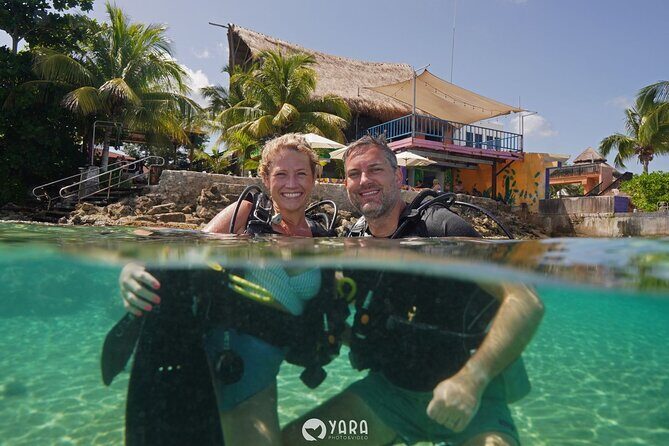
This is built for people who want to try scuba without prior experience. The program is described as family-friendly and suitable for beginners, with an age minimum of 10 and up. That makes it a good pick for mixed-age groups like a parent and teen, or a family traveling together who wants one shared “first time” activity.
It’s also a strong option if you value coaching. Multiple reviews highlight instructors who:
- explain everything before you get in
- stay patient when someone is anxious
- take time to ensure you understand hand signals and procedures
Even adults who don’t bounce back quickly said the instructor kept them comfortable and on track. For kids, the shallow practice and calm guidance seem to be the main reason families felt confident.
The non-negotiables are medical and training readiness. You must complete a required Medical Statement. And if your answers require it, you’ll need medical doctor clearance before you can participate. That’s not a “maybe” item. It’s part of the setup.
Finally, if you tend to get stressed by equipment or water pressure changes, say so early. The program is designed to go at your pace, but your comfort level can influence how well you do in the short practice segment.
Photos, Cameras, and That One Missing Picture
If you care about memories, plan for how photos will work. The most common pattern from the feedback:
- there’s an on-site photographer available for extra cost
- in some cases, if you are not certified, you may not be able to take your own camera
That’s why the best strategy is simple. Ask staff ahead of time what you’re allowed to bring into the water and how photography is handled. If you want a reliable souvenir, consider using the photographer service rather than counting on your own device to work underwater.
One review mentioned a delay in photo follow-up, and the team responded that they would send the picture. That’s reassuring, but it also means you should make sure your contact details are correct and keep an eye on messages after the experience.
Should You Book This Discover Scuba Program?
Book it if you want a beginner-friendly scuba intro with private, calm instruction and you like the idea of learning in a shore-based reef area near Tikila Beach. It’s especially worth it for families with kids and teens, or for adults who want real coaching without taking a big leap into open-water experience.
Skip or rethink if you know you’ll struggle with completing the required medical statement and pre-training materials. Also consider your expectations: one negative experience highlighted timing and weight setup issues, which can reduce actual water time and make buoyancy feel tough. If you’re flexible, communicate early, and show up ready, your odds of a smooth session rise fast.
FAQ
Do I need scuba experience before I try this?
No. The program is designed for beginners with no previous training or experience required.
How old do you have to be to participate?
The experience is listed as suitable for participants aged 10 and up.
What’s included in the price?
All necessary scuba and snorkeling equipment is included for the activity. After you complete the scuba intro, snorkeling equipment is also available for you to use.
Is medical clearance required?
You must complete a required Medical Statement. If you answer yes to any question, you’ll need clearance by a Medical Doctor.
How long is the experience?
It lasts about 2 hours 30 minutes on average.
Where does it start and where does it end?
It starts at F2MH+GP, San Miguel de Cozumel, Quintana Roo, Mexico, and ends back at the meeting point.
What if weather is bad?
This experience requires good weather. If it’s canceled due to poor weather, you’ll be offered a different date or a full refund.