REVIEW · COZUMEL
Cozumel: General Entrance to Mayan Bee Sanctuary
Book on GetYourGuide →Operated by Tourlanders · Bookable on GetYourGuide
Honey, limestone, and Mayan symbols. This quick stop is a smart mix of culture and nature, with monolith limestone sculptures and a hands-on look at stingless Melipona bees. The tasting alone is worth the ticket price, but the one catch is the walk: you’ll deal with uneven gravel, so skip fancy shoes.
In under an hour, you’ll hear how the Melipona honey was valued for healing and strength, then walk through the exhibition areas to understand how a colony works—from queen and workers to drones and the guardian. It’s small-group friendly (limited to 10), and the guide keeps things clear in English or Spanish.
In This Review
- Key highlights worth circling
- A stingless-bee visit that mixes Mayan symbols with honey tasting
- Entering the monolith path and Mayan exhibition in under an hour
- The Meliponary and what you learn about stingless bees
- Melipona honey: traditional healing stories paired with real tasting
- How the tour keeps the colony story simple (and not boring)
- Honey products and why your ticket can support preservation
- Timing on Cozumel: small group pacing and the uneven-gravel reality
- Should you book the Mayan Bee Sanctuary entrance?
- FAQ
- How long is the Mayan Bee Sanctuary general entrance tour?
- What does the ticket price include?
- What language will the guide speak?
- What should I bring with me?
- Do I need food or drinks during the tour?
- Is this tour suitable for wheelchair users or mobility impairments?
- Is it refundable if my plans change?
Key highlights worth circling
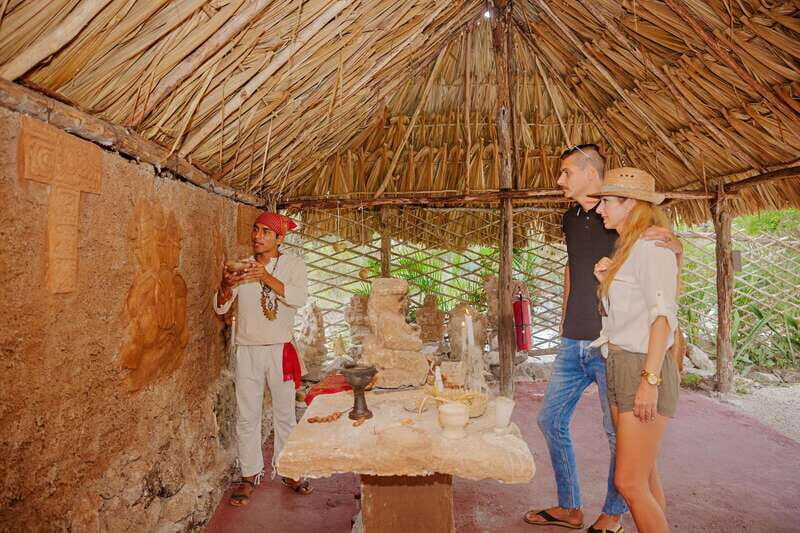
- Monolith path with limestone artwork tied to Ixchel, Aluxes, and stelae symbols
- Melipona honey tasting that pairs flavors with the honey’s traditional uses
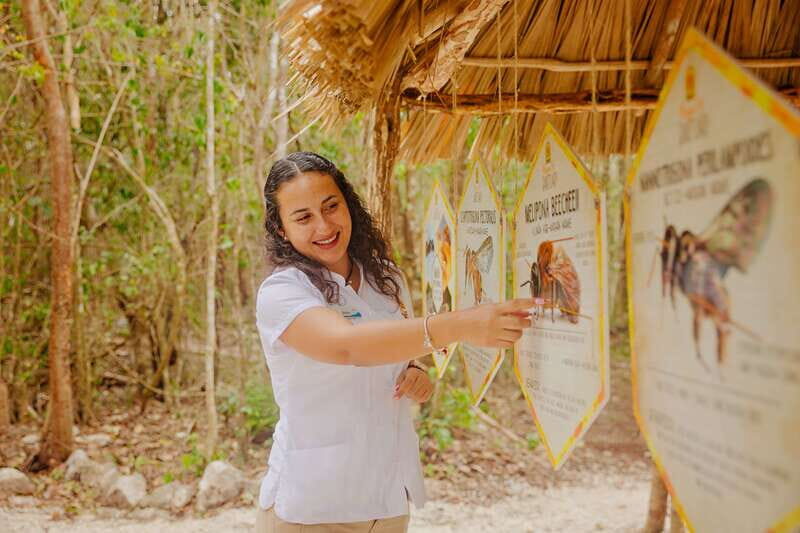
- A close look at stingless bee hive structure and how the colony is organized
- Short, focused visit with a 45-minute duration that fits even tight cruise days
- Product sampling context that explains how honey becomes everything from candies to skincare
A stingless-bee visit that mixes Mayan symbols with honey tasting
Cozumel has plenty to do, but this is the kind of stop that changes your rhythm. Instead of another shop or beach loop, you get culture you can walk through and a living subject—stingless bees—that ties it all together.
The best part is the balance. You’re not just looking at hives behind glass. You’re also walking a monolith path with sculpted limestone pieces made by a local artist, and then you end with tasting multiple honey types and learning what makes Melipona honey special.
The second big win: the guide connects the dots between the Mayans and the bees. You’ll hear how honey carried nutritional and medicinal value, linked to healing and well-being in Mayan belief, and how the colony’s roles map to that story. It’s the rare tour that’s both educational and tasty.
You can also read our reviews of more tours and experiences in Cozumel.



Entering the monolith path and Mayan exhibition in under an hour
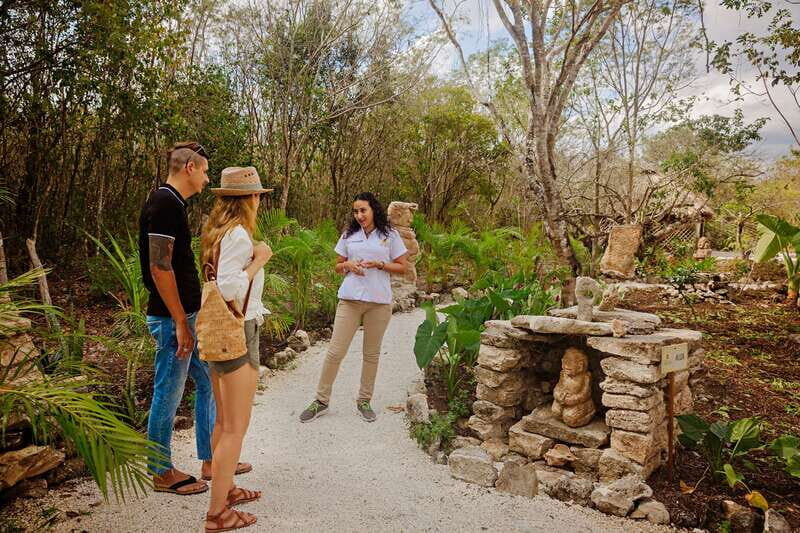
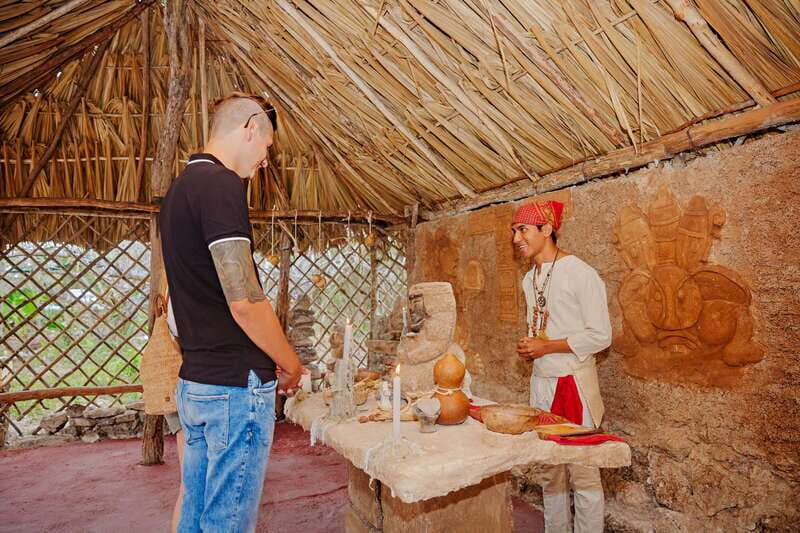
Your visit is built for focus. You’ll enter the Mayan Bee Sanctuary and start with the Mayan Monoliths Exhibition. This is where the tour sets tone: limestone sculptures with religious symbols, shown as part of the Mayan story of growth and meaning over time.
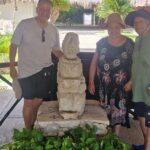
You’ll walk along the monolith path and take in the carvings, including references to Ixchel, the Aluxes, and stelae. The goal isn’t to memorize names like a quiz. It’s to understand how symbols helped people explain the world—then see how that same kind of reverence shows up again with bees and honey.
What to expect here:
- A guided walk where you’ll get explanations of the monoliths and their symbolic themes
- Time to look at the artwork without being rushed through a photo factory
The mild downside is that this part is still part of a walking tour. Comfortable shoes matter, because even short distances can feel longer on uneven gravel.
The Meliponary and what you learn about stingless bees
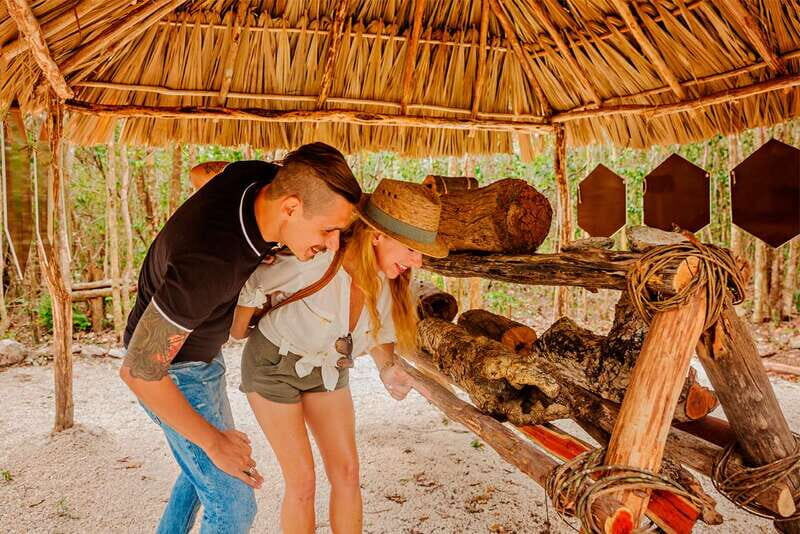
After the monolith path, the tour shifts to the heart of it: the Meliponary and the colony itself. This is where you’ll learn how Melipona bees live and how their hives function.
You’ll discover the structure of the hives inside and out, and you’ll see how the colony is organized. Expect a clear walkthrough of roles like:
- the queen bee
- princesses
- drones
- workers
- the guardian
This matters because stingless bees can be confusing. Many people picture bees as a single type of insect with a simple job. Here, you get a more accurate model: a social system where each role supports the colony’s survival.
And because they’re stingless, the experience feels more approachable. You can focus on the ecology and the organization instead of worrying about safety in the same way you would with more defensive species.
Melipona honey: traditional healing stories paired with real tasting
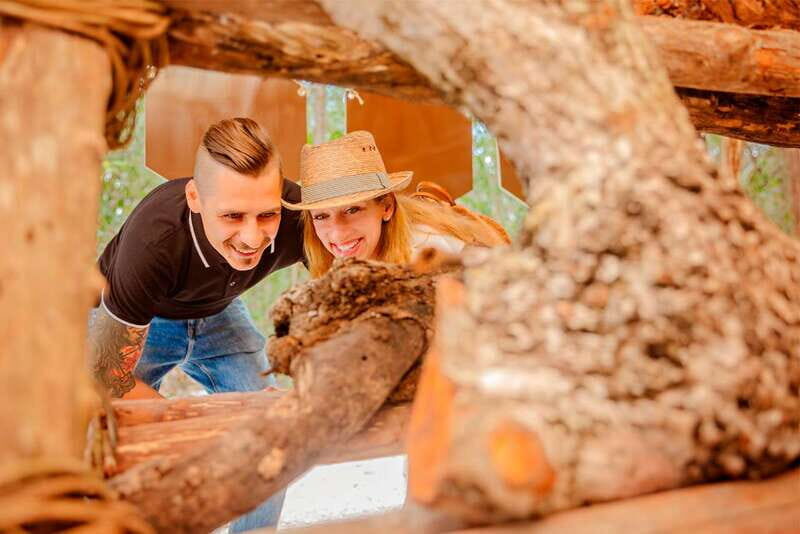
Then comes the best timing cue on the island: honey tasting. After walking, listening, and learning, you get to taste the payoff.
The tour highlights the nutritional and medicinal properties of Melipona honey. You’ll hear the story of how ancient Mayans valued honey for healing power, restoring well-being and harmony of the heart, and providing vigor and strength. I like this approach because it’s not just lore—it’s tied directly to why honey mattered as food and medicine.
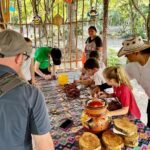
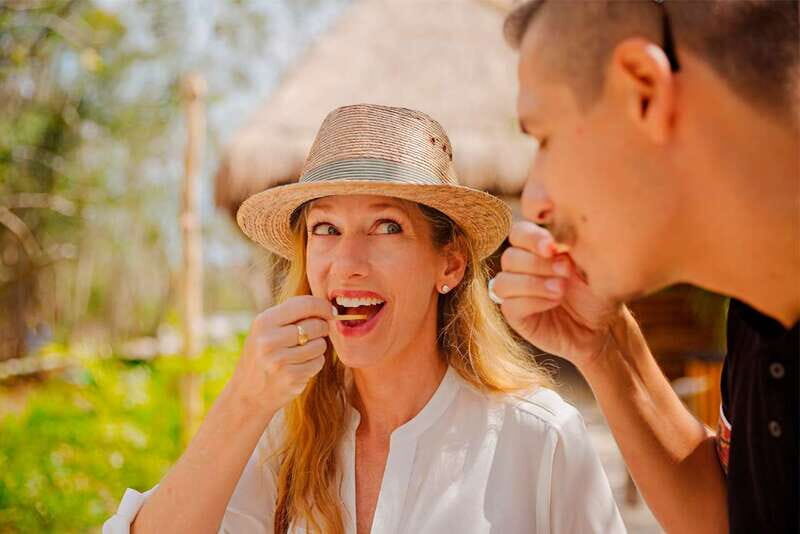
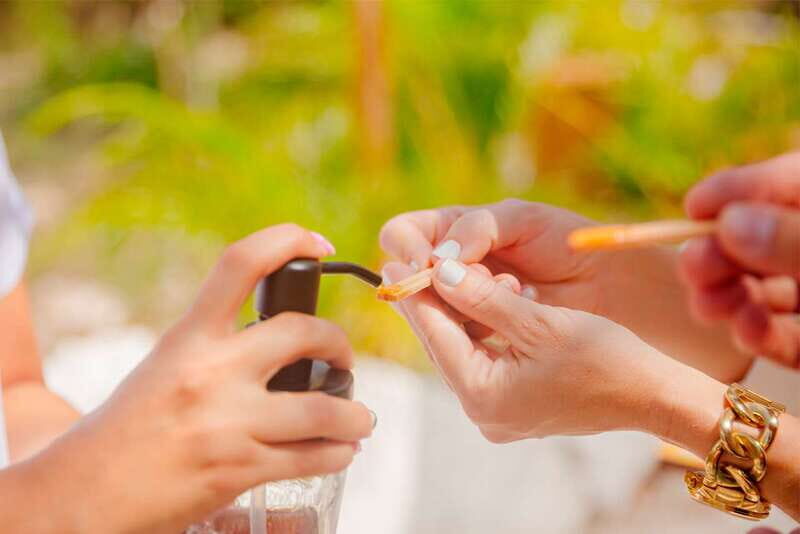
Taste-wise, you’re sampling different varieties, including honey and things made from honey such as pollen and propolis pearls. This is one of those moments where your brain catches up to the science. You start thinking about texture, aroma, and the idea that different hive products can come from different processes and materials.
What you’ll leave with is more than flavor. You’ll understand what the honey products represent, and why people pay attention to stingless bee honey in particular.
How the tour keeps the colony story simple (and not boring)
A lot of tours talk about nature like it’s a lecture. This one stays practical. The pacing helps: you cover the symbolic exhibition, then you shift to the colony structure, then you finish with tasting.
That flow is smart for two reasons:
- You’re not stuck in one theme for the entire visit.
- The sensory ending (tasting) makes the facts stick.
You also get a sense of how the colony works as a system. The guide will explain the organization and the function of each group inside the hive. So when you hear about the queen, workers, or guardian, it isn’t random trivia—it becomes a mental map.
If you end up with a guide like Russell, who is described as friendly and very informative, you’ll likely notice how the explanations stay grounded and easy to follow. If your group gets someone like Roberto, you’ll probably feel that same passion for bees and Mayan culture, with plenty of time to ask questions.


Honey products and why your ticket can support preservation
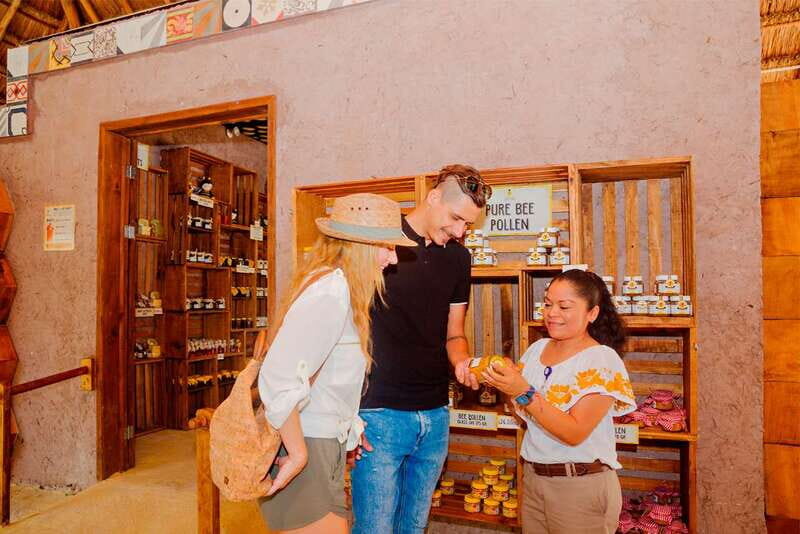
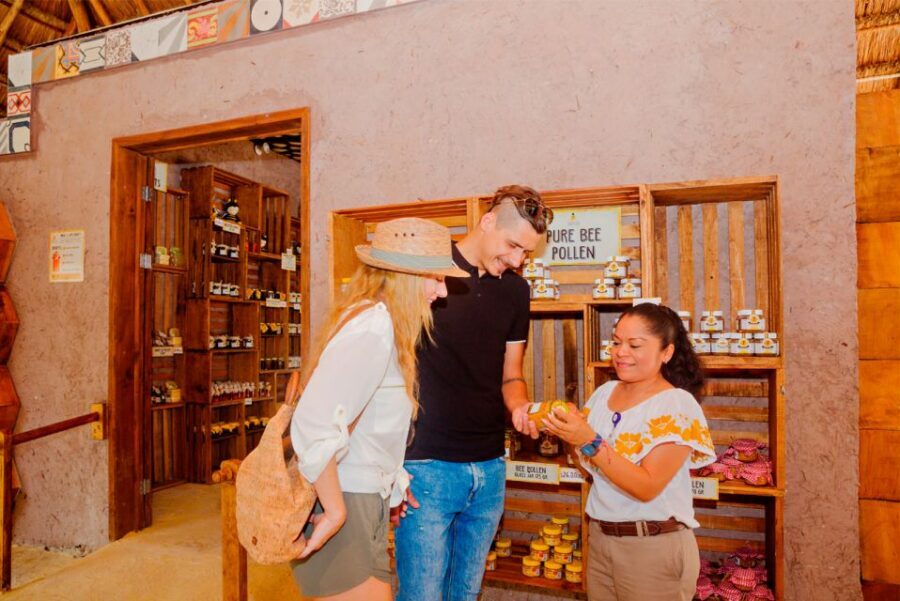
At the end of your tour, you won’t just taste honey—you’ll also see how it’s used to make other products. The sanctuary connects honey to real-life applications, including candies, eye drops, soaps, shampoos, creams, and more.
This is useful for you because it answers a question most visitors have: why is this honey worth caring about beyond the taste? Even if you don’t plan to buy anything, seeing the range of products gives context.
And buying local products can mean supporting the people and the conservation effort behind stingless bees. One big theme in the experience is that the sanctuary works to preserve the environment and the local stingless bee varieties, and your visit supports that mission directly.
If you’re the type who likes a souvenir that doesn’t feel like clutter, these honey products can be a better pick than another T-shirt.
Timing on Cozumel: small group pacing and the uneven-gravel reality
The tour runs about 45 minutes, and it’s set up as a small group with a limit of 10 participants. That small size is more important than it sounds. You’re less likely to get lost in the crowd, and the guide can keep your questions from getting buried.
Cozumel logistics can be tricky because you’re dealing with taxis, drivers, and time. One practical note from experience on the island: don’t assume you can stroll out and get a ride instantly. It can turn into an expensive waiting game if your ride plan depends on someone staying put until you’re done.
So I’d plan this way:
- Have a ride arranged that accounts for your finish time.
- Build a little buffer so you’re not rushing to find a cab.
- Bring cash, since it’s specifically listed as recommended.
Also, pack for your body, not your camera. You’ll want comfortable shoes and insect repellent. Bring biodegradable sunscreen too. Even if you’re only outside for a short while, Cozumel sun adds up fast.
Should you book the Mayan Bee Sanctuary entrance?
If you want a quick, meaningful break from snorkel-and-shop mode, this is a strong yes. It’s short enough to fit into a busy day, and it offers something Cozumel often doesn’t: a real connection between Mayan symbolism and a living local species.
Book it if:
- You like tours that teach you something you can repeat later (like how the colony is organized).
- You want a cultural stop that ends with actual tasting.
- You prefer small-group attention over big bus crowds.
Skip it (or choose something else) if:
- You need step-free or wheelchair-friendly access. This isn’t suitable for mobility impairments or wheelchair users, and there’s uneven gravel walking involved.
- You hate rides that require coordination. Make sure you have a ride back plan that doesn’t leave you waiting.
Overall, the value is solid. At about $13 per person, you’re getting the entrance, a guide in English and Spanish, honey tasting, and access to the monolith exhibition and meliponary—all in one tight, focused visit.
FAQ
How long is the Mayan Bee Sanctuary general entrance tour?
It lasts about 45 minutes.
What does the ticket price include?
The entrance fee includes a certified English and Spanish-speaking guide, honey tasting, the Mayan Monoliths Exhibition, and the Meliponary.
What language will the guide speak?
The live guide is available in English and Spanish.
What should I bring with me?
Bring comfortable shoes, sunglasses, biodegradable sunscreen, comfortable clothes, insect repellent, and cash.
Do I need food or drinks during the tour?
Food and drinks are not included, so plan accordingly.
Is this tour suitable for wheelchair users or mobility impairments?
No. It is not suitable for people with mobility impairments or wheelchair users.
Is it refundable if my plans change?
Yes. You can cancel up to 24 hours in advance for a full refund, and there’s a reserve now & pay later option.