REVIEW · COSTA MAYA
Costa Maya Snorkel Tour
Book on Viator →Operated by Doctor Dive Costa Maya · Bookable on Viator
Snorkeling in Costa Maya beats the crowds. This is a tight, small-group run from Mahahual built around one goal: get you into the water fast at reef depth, with guides focused on helping you see real marine life. I especially love the small-group feel (max 12) and the fact that snorkeling equipment is included, so you don’t have to drag gear through your port day.
The main thing to consider is that the experience depends on sea conditions. If visibility is poor or weather turns rough, your time in the water can be limited or the tour can shift, which is the one variable you can’t control.
In This Review
- Key Highlights You’ll Care About
- Mahahual Reef Time: What the 90 Minutes Feels Like
- Getting From the Cruise Port to Yaya Beach Club (Taxi, Then Calm)
- Gear, Water, and the Stuff You Must Bring
- The Snorkeling Plan: 1 Hour, Reef Depth, and a Clear Limit
- What You’ll See: Coral, Fish, and the Best Wildlife Moments
- Guide Power on a Small Boat: Cesar, Antonio, Alberto, and Co.
- Price and Value: How $40 Adds Up
- Weather, Heat, and When Conditions Change the Plan
- Who This Costa Maya Snorkel Tour Fits Best
- Final Call: Should You Book This Snorkel Tour?
- FAQ
- How long is the snorkeling portion?
- What snorkeling equipment is included?
- Where do you go from the cruise port?
- How much is the taxi ride from the port?
- What is the minimum age to snorkel in the water?
- Can children ride on the boat if they are not old enough to enter the water?
- How big is the group?
- What should I bring?
- What happens if weather is bad?
Key Highlights You’ll Care About
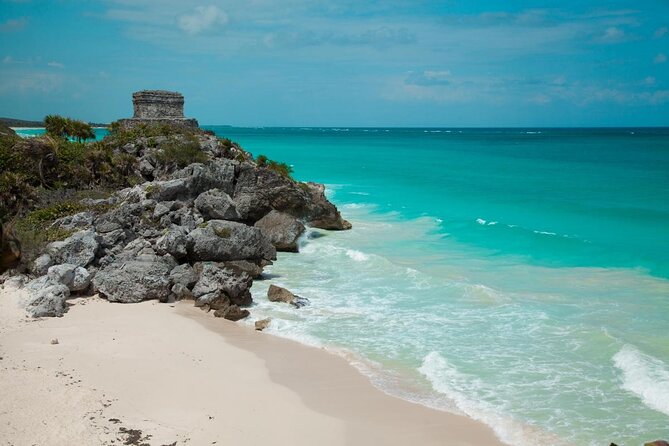
- Small-group format (max 12) that keeps attention on your group, not the crowd.
- One hour in the water with a depth plan (average 6–12 feet, max 20 feet).
- Gear and water included, so your cost stays simple.
- Reef context matters: you’re snorkeling in the Meso-American Barrier Reef, a major system in the Northern Hemisphere.
- Real guide names show up (Cesar, Antonio, Alberto), and that usually means clear coaching.
- Good value timing: about 1 hour 30 minutes total, with a quick trip from the cruise port.
Mahahual Reef Time: What the 90 Minutes Feels Like
This trip is designed for cruise-day practicality. You’re not signing up for a long bus ride or a half-day production. The schedule is about 1 hour 30 minutes total, and the snorkeling itself is about 1 hour. That makes it a smart pick when you want a real reef experience without turning your day into a logistics project.
The tour is also built around comfort and confidence. You’ll snorkel to an average depth of 6–12 feet, with a max of 20 feet. If you’re new to snorkeling, that depth plan helps you stay oriented and not fight the ocean. If you’re more experienced, you still get enough bottom time to look around properly.
One more reason this format works: the provider runs as a small-group operation from Mahahual. That means fewer people competing for instruction, fewer “wait your turn” moments, and more time for your guide to point out what matters—fish behavior, coral structure, and the creatures you might otherwise miss.
You can also read our reviews of more tours and experiences in Costa Maya.


Getting From the Cruise Port to Yaya Beach Club (Taxi, Then Calm)
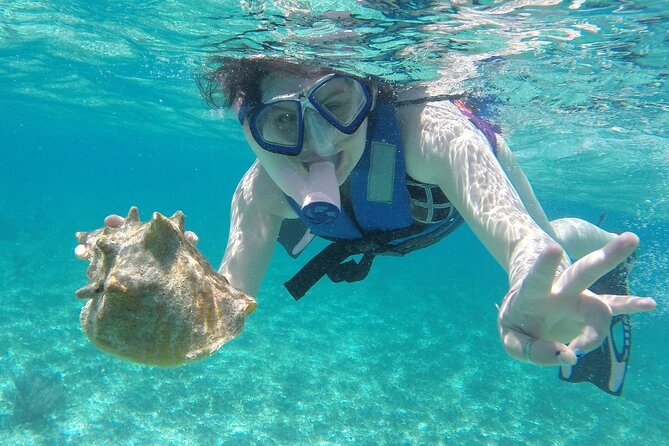
The biggest “stress test” for port excursions is getting there and back without losing time. Here, the instructions are straightforward. You’ll exit the cruise ship port and go to the taxi cab terminal outside the port area, then ask for a ride to Yaya Beach Club.
Expect about a 10-minute taxi ride each way, and plan around roughly USD $7 round trip per person. The taxi step is short, but it’s still the part where you should move with purpose. Go right when you’re told to go, and don’t wander looking for the boat.
At Yaya Beach Club, you’ll find the shop where you’ll check in before you head out. The meeting point is set up for this exact flow: quick taxi access, then a boat transfer to the snorkel area, then back to the same place.
Why I like this layout: it keeps the tour from feeling “tacked on.” You’re not stuck in a chain of pick-ups. You’re getting to the water with minimal fuss.
Gear, Water, and the Stuff You Must Bring
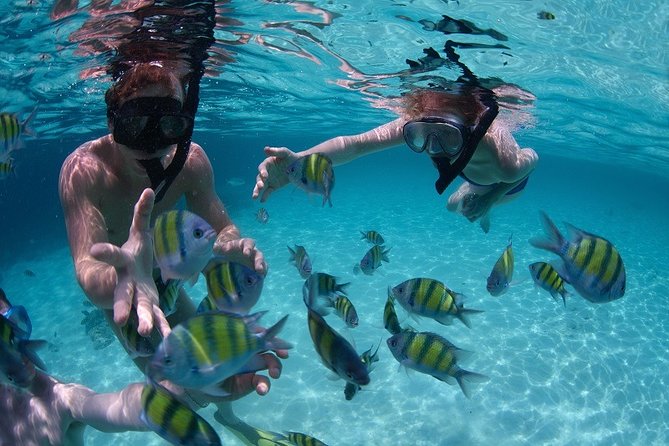
This is one of those tours where the shopping list stays sane. Snorkeling equipment is included, along with water and soft drinks. You still need to show up ready.
Bring:
- Your swimsuit (wear it before you arrive)
- A towel
- Sunscreen
- Any personal items you’d want on a short boat ride (lip balm counts, sunglasses count, etc.)
The “equipment included” part is more valuable than it sounds. If you’re arriving from a cruise ship and you forgot your mask or snorkel, you’re suddenly stuck deciding between ruining your day or buying gear at a premium. With this tour, you avoid that panic.
One extra tip from real-world experience: if you’re the type who hates water in your snorkel or you want better comfort, you might prefer a full-face mask. The tour doesn’t require it, but it’s worth considering if that helps you feel relaxed in the water.
Also note the physical side of things. The trip lists moderate physical fitness. That usually means you should be comfortable swimming on the surface and doing short stretches of gear-on, water-entry, and calm movement—no hard hiking required, but don’t plan on treating it like a lounge chair.
The Snorkeling Plan: 1 Hour, Reef Depth, and a Clear Limit
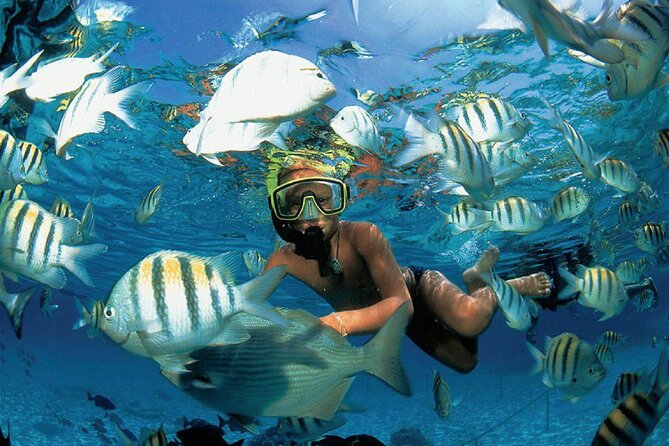
You’re snorkeling to a maximum depth of 20 feet, with the average snorkel depth around 6–12 feet. That matters because it shapes what you experience.
At those depths, you’re not doing technical underwater work. Instead, you’re in the sweet spot where you can:
- Float and scan coral edges
- Watch fish swim patterns
- Keep your breathing steady
- Stay close enough to the guide for quick help
You’ll also be guided during the snorkel, with instructions on how to move and what to look for. This is key for anyone who’s nervous. When you know what the guide expects—where to look, how to float, when to turn—you waste less energy and you enjoy the reef more.
The tour is positioned in the Meso-American Barrier Reef system, described as the largest barrier reef in the Northern Hemisphere. That’s not just trivia. It hints that the area is built for marine life and coral growth, which is why the tour’s “what you see” tends to land on colorful fish and reef structure rather than just open water drifting.
What You’ll See: Coral, Fish, and the Best Wildlife Moments
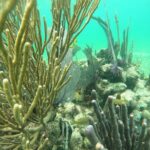
Expect a reef with real coral and a lot of reef-style fish. Guides are part of why the experience feels worth it: they help you spot the small stuff. The result is that the snorkeling time doesn’t feel like aimless floating.
From the strongest examples of this trip, the highlights often include:
- Schools of tropical fish moving through coral
- Coral formations that make the water feel “busy”
- Creatures you might recognize from documentaries, like eagle rays and sea turtles
Sea turtles are a recurring favorite. One highlight specifically includes a sea turtle grazing on sea grass. That kind of moment changes the feel of the trip because it’s not just color—it’s behavior.
You may also see other reef life, like lobsters and different reef fish types. Even when visibility varies, guides tend to shift your attention to what’s visible and worthwhile at that moment.
One more practical note: visibility isn’t guaranteed. A few conditions can make the water look murkier or hotter, and you won’t always get the clean “wow” clarity. When that happens, the best move is to stay flexible and snorkel where the guide recommends rather than forcing your own route.


Guide Power on a Small Boat: Cesar, Antonio, Alberto, and Co.
On this kind of snorkeling trip, the guide isn’t optional. With reef time limited to about an hour, you want someone who can translate the underwater world into things you can actually spot.
This tour’s operation is built for that. It’s a small-group format (max 12), and that opens the door for a more personal coaching style. Multiple guides get praised in the available details, including Cesar (sometimes spelled Caesar), Antonio, and Alberto. You may also hear about Jose in relation to the boat captain.
What I’d watch for, from a practical standpoint:
- Clear pre-water instructions (how to enter, how to float, how to get oriented)
- A guide who points things out at your level, not at a show-off level
- Safety cues that feel calm, not scary
Safety is treated as part of the fun. The goal is to keep you comfortable enough to look around. When you’re relaxed, you spot more—because you’re not panicking about breathing, drifting, or “doing it wrong.”
If you’re a non-swimmer or you’re anxious, this kind of coaching can make the difference between tolerating the water and actually enjoying it. The tour’s format also supports mixed comfort levels, which is rare in many short excursions.
Price and Value: How $40 Adds Up
At $40 per person, this is priced like a straightforward, reef-focused half-hour of effort and a lot of underwater payoff. The biggest value factor here isn’t just the price—it’s what’s included.
You get:
- Snorkel equipment
- Water and soft drinks
- A small-group experience
- An hour in the water with a structured depth plan
So you’re not paying extra for basic gear. And you’re not paying for the most expensive part of the day, which is often transportation + overcrowding + rushed instruction on larger cruise tours.
In short: if you want a calm snorkel session that doesn’t require planning a gear run, $40 can be a good deal. The main “hidden cost” to think about is time and comfort. The tour is short. That’s a plus for most people, but if you’re the type who wants an all-day reef mission, you might finish feeling like you want more time on the water. Still, for a port day, that hunger can be a good sign.
Weather, Heat, and When Conditions Change the Plan
This experience requires good weather. That’s not a “maybe” situation. It’s a real factor in whether you get the snorkeling you want, especially when the reef visibility is the whole point.
If the weather is poor, you’ll be offered a different date or a full refund. That policy structure matters because it protects you from paying for a day where the ocean basically says no.
Also consider heat and comfort. Costa Maya can run warm, and some conditions can make the water or the boat ride feel less pleasant. A towel and sunscreen help, and wearing your swimsuit ahead of time reduces your fuss level when you’re waiting around.
My practical advice: check the day’s conditions and don’t assume you’ll get perfect clarity. If you do get great visibility, great. If you don’t, the best strategy is still the same—trust the guide, focus on what’s visible, and treat it as a reef experience rather than a photo contest.
Who This Costa Maya Snorkel Tour Fits Best
This tour is a good match if you want:
- A small-group reef snorkel instead of a massive crowd
- An easy gear setup (equipment included)
- A short, structured water time without complicated training
- Reef-focused wildlife watching, including the chance of sea turtles
It’s also a decent option for families with kids who meet the entry rules. Here are the age limits:
- Minimum age to enter the water: 10 years old
- Ages 5–9 can be on the boat but won’t be allowed to snorkel in the water
- Ages 4 and under aren’t allowed on the boat
So if you’re traveling with younger kids, plan for them to stay topside. If that doesn’t work for your family, you might look for an alternative format where everyone stays in the same experience lane.
Final Call: Should You Book This Snorkel Tour?
I’d book this Costa Maya snorkel tour if you want a short, organized reef experience that doesn’t nickel-and-dime you for gear. The small-group setup (max 12) and the guided focus make it easier to actually see things, not just “be near the water.”
Skip it or think twice if:
- You’re tightly focused on perfect water clarity on a specific day, because conditions can change.
- Your group needs an all-day snorkel schedule rather than a single 1-hour session.
If your goal is a calm, well-run reef outing from Mahahual—gear provided, depth kept reasonable, and a real chance of memorable wildlife—this is a strong value pick.
FAQ
How long is the snorkeling portion?
The tour includes about 1 hour snorkeling to a maximum depth of 20 feet (average depth is typically 6–12 feet).
What snorkeling equipment is included?
Snorkeling equipment is included in the price, along with water and soft drinks.
Where do you go from the cruise port?
Exit the cruise ship port, go to the taxi terminal outside, and ask for a ride to Yaya Beach Club, where the shop is located.
How much is the taxi ride from the port?
The taxi ride is about 10 minutes and costs approximately USD $7 round trip per person.
What is the minimum age to snorkel in the water?
The minimum age to enter the water to snorkel is 10 years old.
Can children ride on the boat if they are not old enough to enter the water?
Children ages 5–9 are permitted on the boat but will not be allowed in the water.
How big is the group?
This activity has a maximum of 12 travelers.
What should I bring?
Wear your swimsuit and bring a towel and sunscreen.
What happens if weather is bad?
The experience requires good weather. If it’s canceled due to poor weather, you’ll be offered a different date or a full refund.