REVIEW · COZUMEL
2 Tanks dives for Certified Divers in Cozumel
Book on Viator →Operated by Cozumel Divers · Bookable on Viator
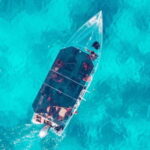
Cozumel reefs move at your pace. This two-tank scuba outing starts at Marina Fonatur, then heads by boat to the main reef areas, with Palancar Reef as your first underwater stop. You’ll get clear briefings en route, then spend two separate reef visits under a calm, organized rhythm.
Two things I really like: the small group setup (max five people) and the hands-on help from guides such as Lobo and Arianna, who focus on pointing out marine life so you don’t miss the little stuff. One drawback to plan around: it requires decent physical fitness and depends on weather, and the booking is non-refundable.
In This Review
- Key Highlights You’ll Care About
- From Marina Fonatur to Palancar Reef: How the Morning Flows
- Palancar Reef: The First Underwater Stop That Sets the Tone
- Lunch Break: A Real Reset Between Reef Stops
- The Second Reef Stop: A Different Area, More Chances to Spot Animals
- Equipment, Safety Rhythm, and Why Small Groups Matter
- What You’ll See: Sharks, Rays, Turtles, Eels, and More
- Best Fit: Who Should Book This Two-Tank Cozumel Plan
- Should You Book This 2-Tank Session in Cozumel?
- FAQ
- Is this tour only for people who are already scuba-certified?
- What time does the tour start?
- How long should I plan for?
- Where do we meet in Cozumel?
- What reefs will we visit?
- How many people are on the tour?
- Is lunch included?
- Does the crew provide equipment?
- How does ticketing and confirmation work?
- What happens if I cancel or the weather is bad?
Key Highlights You’ll Care About
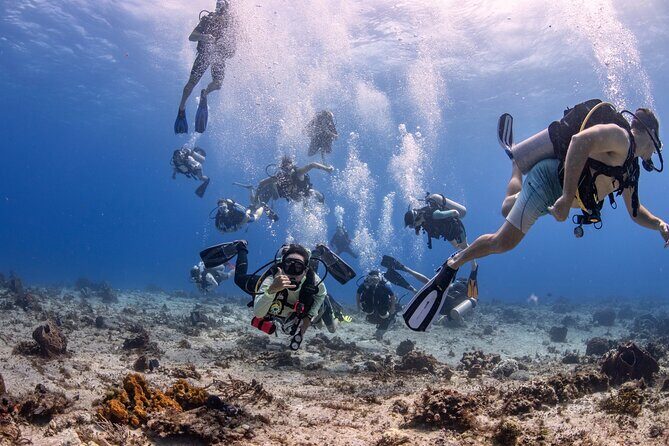
- Small-group feel (max five people) makes the day feel controlled, not crowded.
- Palancar Reef first, then a second reef stop on a different area so you don’t repeat the same view.
- Guide help that’s practical, including hands-on spotting of marine life for people who need it.
- Lunch included as a light meal break between your two underwater sessions.
- Quality gear and fitting so you’re suited up correctly before you go in.
From Marina Fonatur to Palancar Reef: How the Morning Flows
Your morning starts at the Marina Fonatur, not far from the main coastal road (Carr. Costera Sur). You’ll meet there, then board the boat that takes you out to the reef areas. Expect instructions during the trip—this matters because it sets your buoyancy and makes you more relaxed once you hit the water.
You’ll start at 8:00 am, and the whole outing runs about 4 hours. That timing is good for two reasons: you get decent light and visibility in the morning, and you’re back with enough day left to explore Cozumel’s shore afterward.
The pace is also structured: first reef, then a break for lunch, then the second reef. That break isn’t just “nice to have.” After the first underwater session, you’ll reset your body (and your gear check habits) before heading down again. It’s an easy way to keep the day fun for certified, mixed-experience scuba folks.
Finally, the experience is offered in English, which makes the briefings clearer if your Spanish is rusty. The guides’ style also shows up in the feedback: people note they feel safe and confident because the team explains what to do and watches the group closely.
You can also read our reviews of more tours and experiences in Cozumel.

Palancar Reef: The First Underwater Stop That Sets the Tone
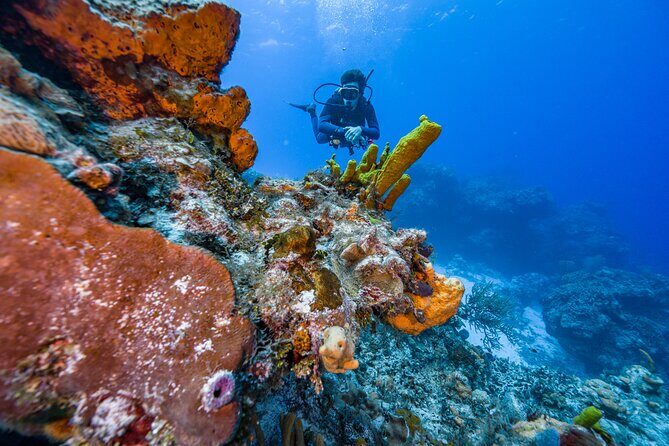
Palancar Reef is the main act for the first underwater session. This is where you get that classic Cozumel feeling: coral structures close enough to enjoy details, but open enough to spot bigger animals moving through.
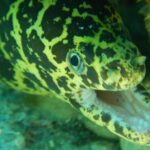
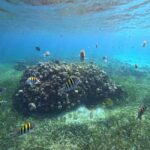
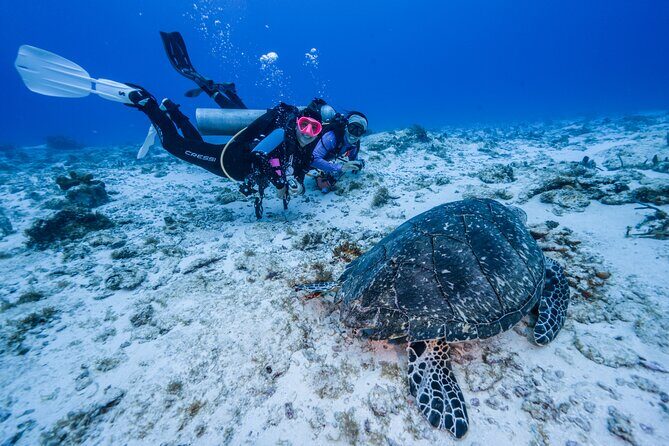
From the description of the experience, you should be on the lookout for marine life such as sharks, rays, turtles, and moray eels, plus plenty of other reef species. That list matters because it hints at the type of reef topography you’re exploring. You’re not just looking at fish on the edge of a wall—you’re likely to see a mix of cruising animals and “wait-and-watch” reef residents.
Here’s what I think is the practical value of starting with Palancar: it gives you confidence fast. If the first reef is stunning and the guide is actively calling out what’s around you, the second stop usually feels even better. You’re not spending the first part of the day trying to decode the scene.
One extra detail from the feedback that’s especially useful: Lobo (one of the guides) is known for pointing out marine life in a way that helps people who don’t spot things easily underwater. One person noted they are colorblind and still enjoyed seeing more because the guide guided their attention. If you’ve ever worried you’ll miss the “small interesting stuff,” this kind of help is a big deal.
Lunch Break: A Real Reset Between Reef Stops
Between your two underwater sessions, you’ll take a break to enjoy a light lunch. In practical terms, this is where you catch your breath, drink water, and mentally switch modes from scanning coral to relaxing before your second reef visit.
A lot of operators do “snacks.” This setup includes lunch with enough satisfaction that people remember it as part of the day. One person even described a beach break where they could hop into the water surrounded by rays while eating. While every day won’t be identical, the pattern is clear: the crew builds in time to recover, not just rush you from one stop to the next.
For you, the main win is energy management. A two-tank schedule can be a lot if you try to power through without a break. A real pause helps you stay comfortable and enjoy both sections, not just the first one.
The Second Reef Stop: A Different Area, More Chances to Spot Animals
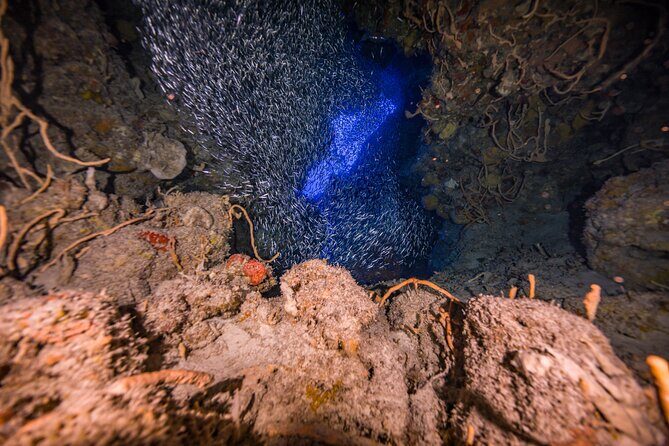
After about an hour, you return to the water for the second reef stop, which is described as different from the first. That wording is important. Cozumel has many reef areas, and seeing two distinct sections increases your odds of encountering different behaviors, different coral formations, and different animal traffic.
In feedback about this operator, Casa Blanca is mentioned as a reef stop paired with Palancar. You shouldn’t treat that as guaranteed for every day, but it’s a useful indicator of the kinds of reef areas you may visit on the second outing. If you’re hoping for variety—different coral shapes, different schooling patterns, different cruising animals—that second stop is where that happens.
Also, the guides keep the experience structured the whole time. People described guides signaling when to descend and staying attentive to the group’s positioning. That kind of leadership tends to reduce stress. It helps you stay calm if you’re newer to this kind of underwater environment, and it helps experienced scuba folks enjoy the scenery instead of managing everything solo.
Equipment, Safety Rhythm, and Why Small Groups Matter
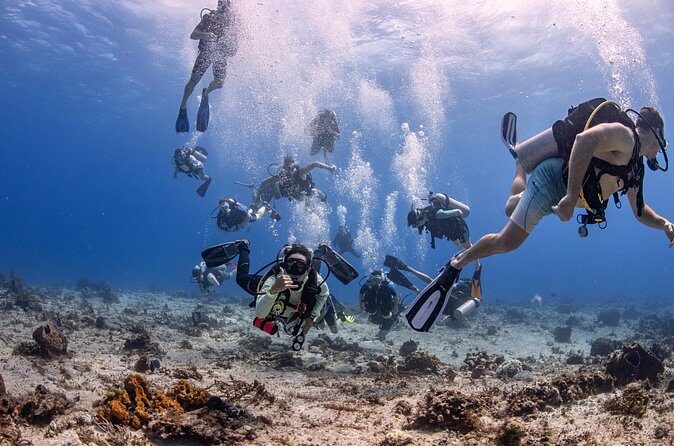
This outing is designed for scuba-certified participants—so you’re not learning basics from scratch. Still, the crew’s job is to make sure you’re comfortable with the specific day: gear fitting, instructions, and a steady approach once you’re in the water.
One of the most praised aspects is the quality of gear and how it gets handled. People mention they were fitted with quality scuba gear and that the equipment was practically brand-new. Another practical point: if you’re unsure about weight needs, the crew may estimate for you and bring extra so you’re not stuck adjusting in the water with less-than-ideal buoyancy.
That’s where small-group size becomes a real advantage. The tour is capped at max five travelers, and feedback from the same operation describes very limited boat group sizes with guides splitting attention. When the group is small, it’s easier for guides like Lola, Roberto, Arianna, and Lobo to do what they’re best at: spot animals, help with positioning, and keep your safety checks from feeling rushed.
You’ll also notice the team’s communication style. People described refresher support on the boat from Arianna, with her friendly, knowledgeable approach. If you haven’t been in the water in a while—or you just want a confident restart—this kind of pre-water coaching can turn an anxious day into a smooth one.
For you, the bottom line is comfort and confidence. You’re paying for more than water time. You’re paying for a day that runs cleanly, with a team that pays attention.
What You’ll See: Sharks, Rays, Turtles, Eels, and More
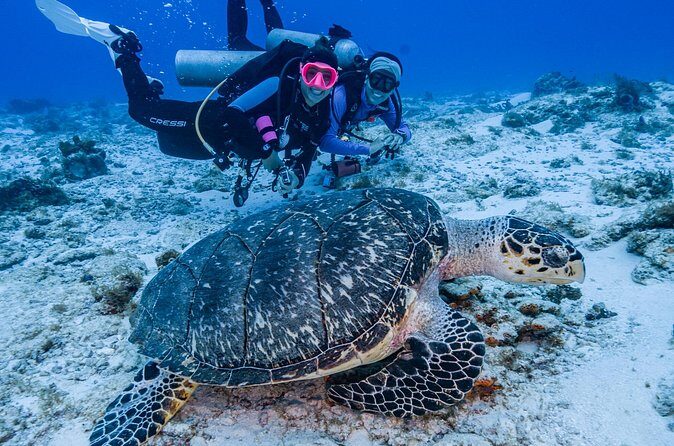
The description of what you can expect includes multiple reef animals: sharks, rays, turtles, and moray eels, plus other reef species. That’s a great sign because it suggests your reef stops aren’t just pretty coral scenes—they have active animal life.
From the feedback, the most memorable sightings tend to include sharks and turtles, along with rays and big schooling fish. There’s also mention of morays and eagle rays, plus barracudas showing up at various times. Coral structures like tunnels and caves are part of why people rave about the reef experience—those formations are often where critters and larger fish show up when the currents and light hit right.
Here’s the useful part for you: your chances go up when your guide helps you find what you’d otherwise miss. If you’ve ever stared at a reef and thought, I’m sure something’s there, but I can’t pick it out, look for a team style that actively points things out. The feedback specifically highlights guides that do that well, including Lobo for detailed animal spotting.
Best Fit: Who Should Book This Two-Tank Cozumel Plan
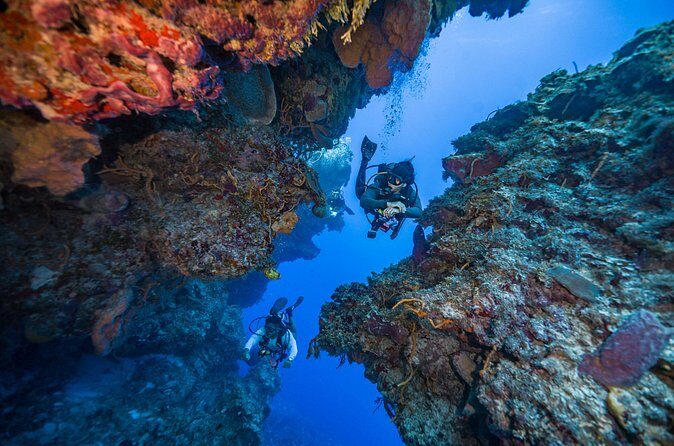
This is a strong match if you’re already scuba-certified and want a well-run day with two reef stops and a lunch break. It’s also a good choice if you like small groups and want help finding marine life without feeling like you’re being rushed.
If you’re someone who benefits from clear coaching—like refresher support or extra help spotting animals—this crew’s style seems like a good fit. People describe patient guidance and a focus on safety and comfort, with guides who stay close enough to matter when you need them.
On the other hand, this plan is not for you if you’re uncomfortable with the physical demands of getting in and out of the water and staying steady underwater. The tour notes a moderate physical fitness level is recommended.
And if you’re the type who hates weather uncertainty, keep in mind the trip requires good weather. While you’ll have options if the operator cancels due to poor conditions, you should still plan your schedule with flexibility.
Should You Book This 2-Tank Session in Cozumel?
If you want a smooth, organized Cozumel reef day with two different underwater stops, I think this is worth serious consideration. The small group size, the guide attention (including named guides like Arianna, Lobo, and Lola), and the structure—Palancar first, then a second reef plus lunch—make it feel like a real experience, not just a checklist outing.
Book it if you:
- are scuba-certified and ready for two reef visits
- want a calm boat day with a capped group
- like the idea of a guide who helps you spot marine life
- value lunch and a break between sessions
Skip or reconsider if:
- you’re not comfortable with moderate physical demands
- your trip schedule can’t handle weather-related changes
- you strongly dislike non-flexible bookings
If you’re aiming for an efficient, high-attention reef day in Cozumel, this one is a strong fit.
FAQ
Is this tour only for people who are already scuba-certified?
Yes. This experience is listed as a two-tank outing for certified scuba participants.
What time does the tour start?
The start time is 8:00 am.
How long should I plan for?
It’s listed at about 4 hours.
Where do we meet in Cozumel?
You meet at Carr. Costera Sur 6, 2km, 77688 Cozumel, Q.R., Mexico.
What reefs will we visit?
Palancar Reef is the first underwater stop, and the second stop is a different reef than the first.
How many people are on the tour?
The maximum is five travelers.
Is lunch included?
Yes. There’s a light lunch between the two underwater sessions.
Does the crew provide equipment?
The feedback for this operation includes quality dive/scuba gear and being fitted with it before going underwater.
How does ticketing and confirmation work?
You’ll receive a mobile ticket, and confirmation is sent within 48 hours of booking, subject to availability.
What happens if I cancel or the weather is bad?
The experience is non-refundable and cannot be changed for any reason. If it’s canceled due to poor weather, you’ll be offered a different date or a full refund.